



Traditional Japanese Games: From Shogi to Geisha Parlor Play
Traditional Japanese games fall into a few loose families: board and strategy games like shogi and go, card games like hanafuda and karuta, games of skill such as kendama and koma, children’s games handed down through generations, and ozashiki asobi — the parlor games perfected in the geisha world. The first four you can learn from a book or a deck bought online. The last group — Konpira Fune Fune, Tora Tora, and Tosenkyo — was made to be played in a tatami room, across a low table, with a real Asakusa geisha and a live shamisen, and that is the branch this guide leans into — written from Miyakodori, a machiai-chaya (geisha teahouse) in Asakusa that has kept these games in play since 1950.
Say “traditional Japanese games” and most people picture a wooden board and two players thinking hard, or children tossing beanbags in a schoolyard. Both are real, and we’ll get to them. But there’s a whole branch of Japanese play that far fewer travelers ever see: the games played inside a geisha parlor, where the point isn’t to win but to laugh, drink, and let a stranger become a friend.
We’re writing from Miyakodori, a geisha teahouse (machiai-chaya) in Asakusa, Tokyo, that has kept these parlor games alive since 1950. So while this guide covers the games you’d expect, it leans into the ones we know best — the ones our geisha still play with guests every night.
What Counts as a Traditional Japanese Game?
There’s no single tidy list. Japanese games grew up across centuries and social worlds — the imperial court, samurai households, merchant towns, farming villages, and the pleasure quarters — so the word covers everything from meditative strategy played for well over a thousand years to fast, silly party games a first-timer can learn in under a minute.
It helps to sort them into five loose families:
- Board and strategy games, like shogi and go, prized for depth and patience.
- Card games, such as hanafuda and karuta, that blend art, memory, and speed.
- Games of skill and dexterity, like kendama and koma (spinning tops).
- Children’s games handed down through generations, from ayatori string figures to otedama beanbags.
- Parlor games (ozashiki asobi), the drinking and rhythm games perfected in the geisha world.
Most guides stop at the first four. What makes the last category special is that it was never meant to be played alone or in silence — it exists to break the ice between host and guest.
Board and Card Games You’ll Recognize
If you’ve read anything about Japanese games before, you’ve met these four: shogi and go on the board, hanafuda and karuta in the deck.
Shogi and Go: The Strategy Classics
Shogi is often called Japanese chess. Two players move pieces across a board, but with one famous twist: captured pieces switch sides and can be dropped back into play, so no advantage is ever truly safe. Go, played with black and white stones, looks simpler and runs deeper — players surround territory rather than capture a king. Both reward the kind of patience that has kept people playing for well over a thousand years.
Hanafuda and Karuta: Cards as Small Artworks
Hanafuda (“flower cards”) are tiny, beautiful cards marked with the twelve months as flowers and plants rather than numbers. The same deck powers several games, and its designs are so iconic that a Kyoto hanafuda maker went on to become Nintendo. Karuta is a card-matching game of speed and memory, often based on classical poems — a reader calls out a verse and players race to snatch the matching card before anyone else.
These games are wonderful. But you can learn them from a book. The next ones you really have to be in the room for.
Ozashiki Asobi: The Games Geisha Actually Play
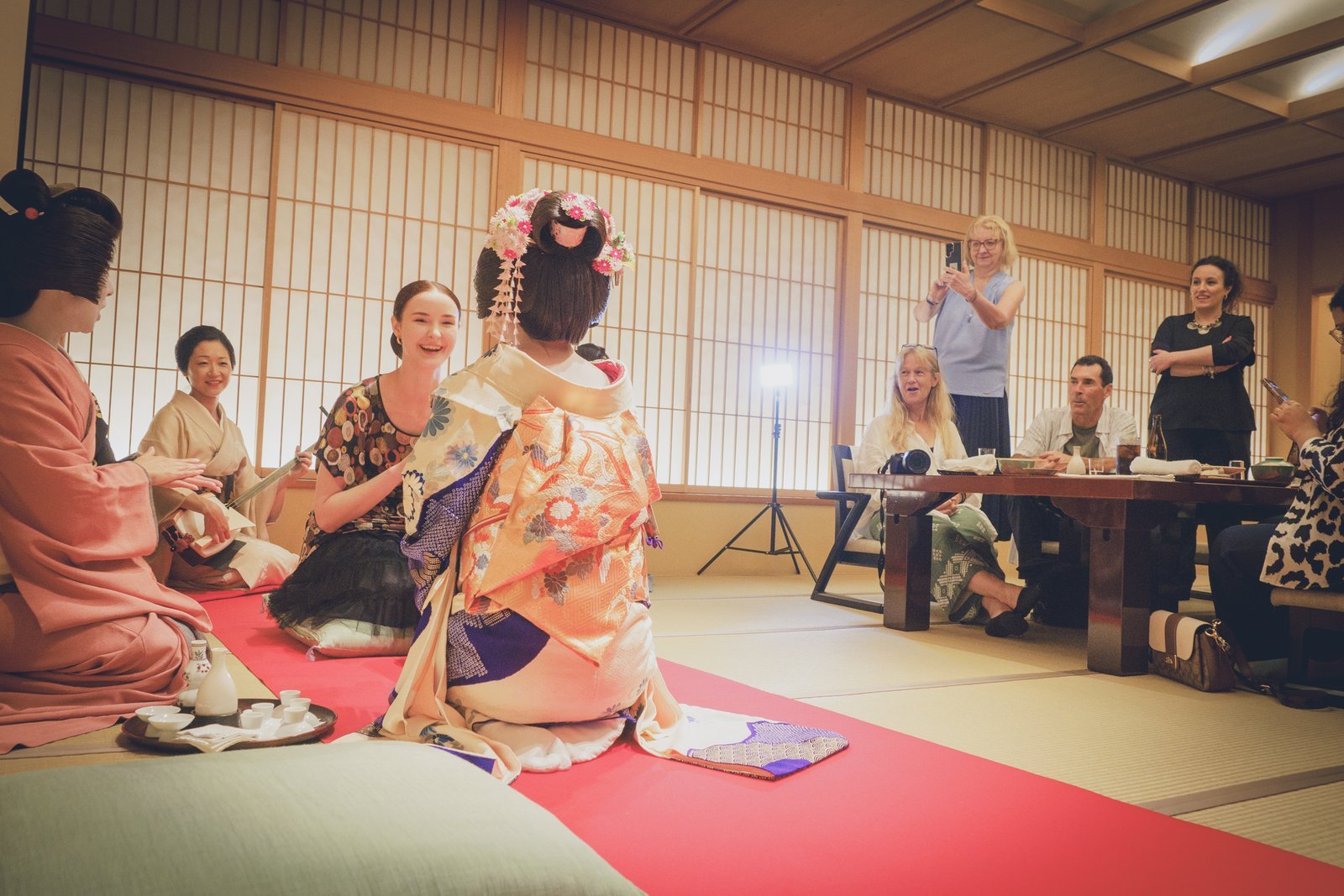
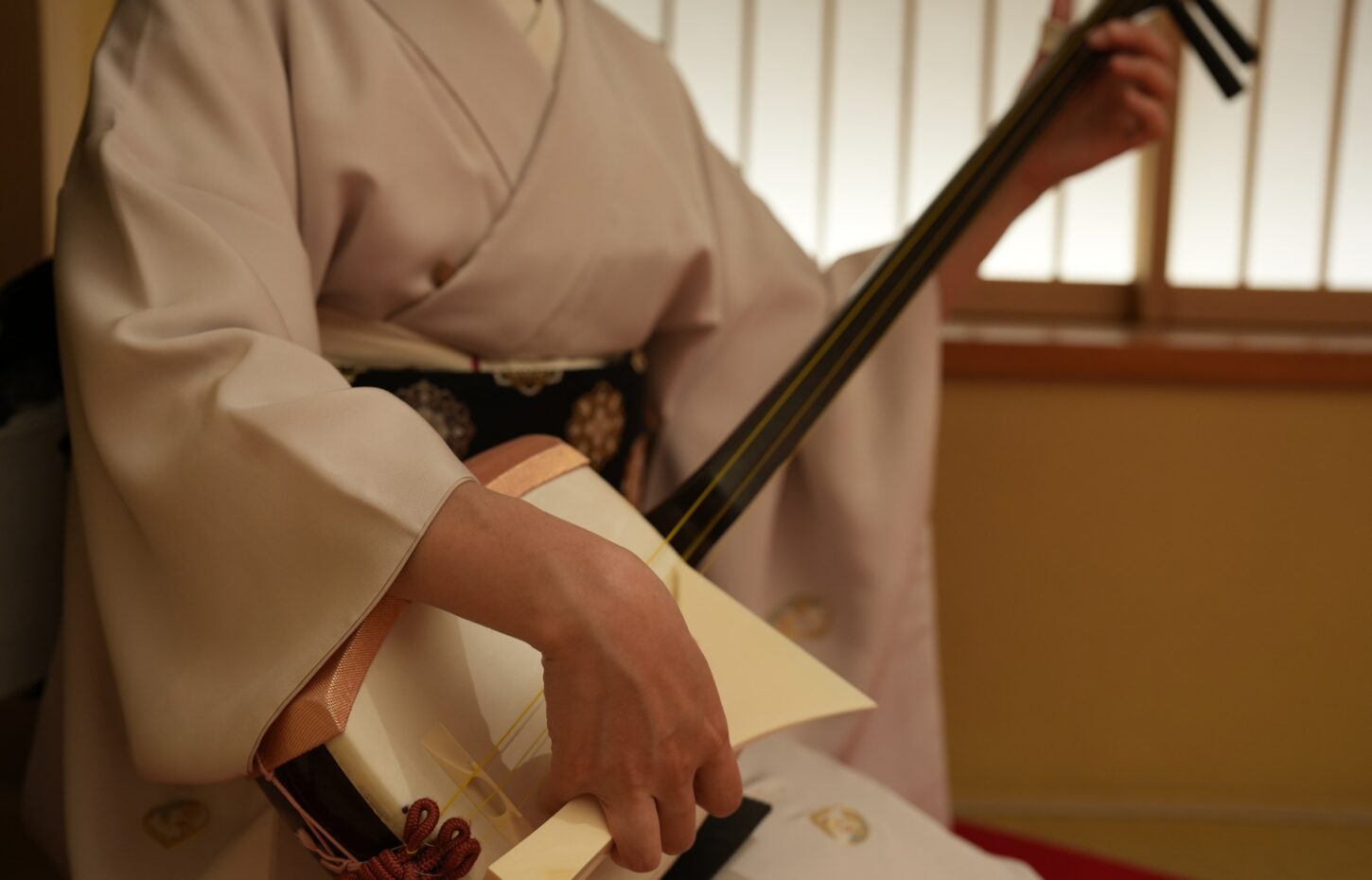
Ozashiki asobi means “parlor games” — the games a geisha plays with guests once the food is served and the sake is poured. They are the heart of an evening at a machiai-chaya or ryotei, and they are gloriously low-tech: no board, no cards, just hands, voices, and a shamisen keeping time. Three of them come up most often at Miyakodori — Konpira Fune Fune, Tora Tora, and Tosenkyo — and each is set out in full below.
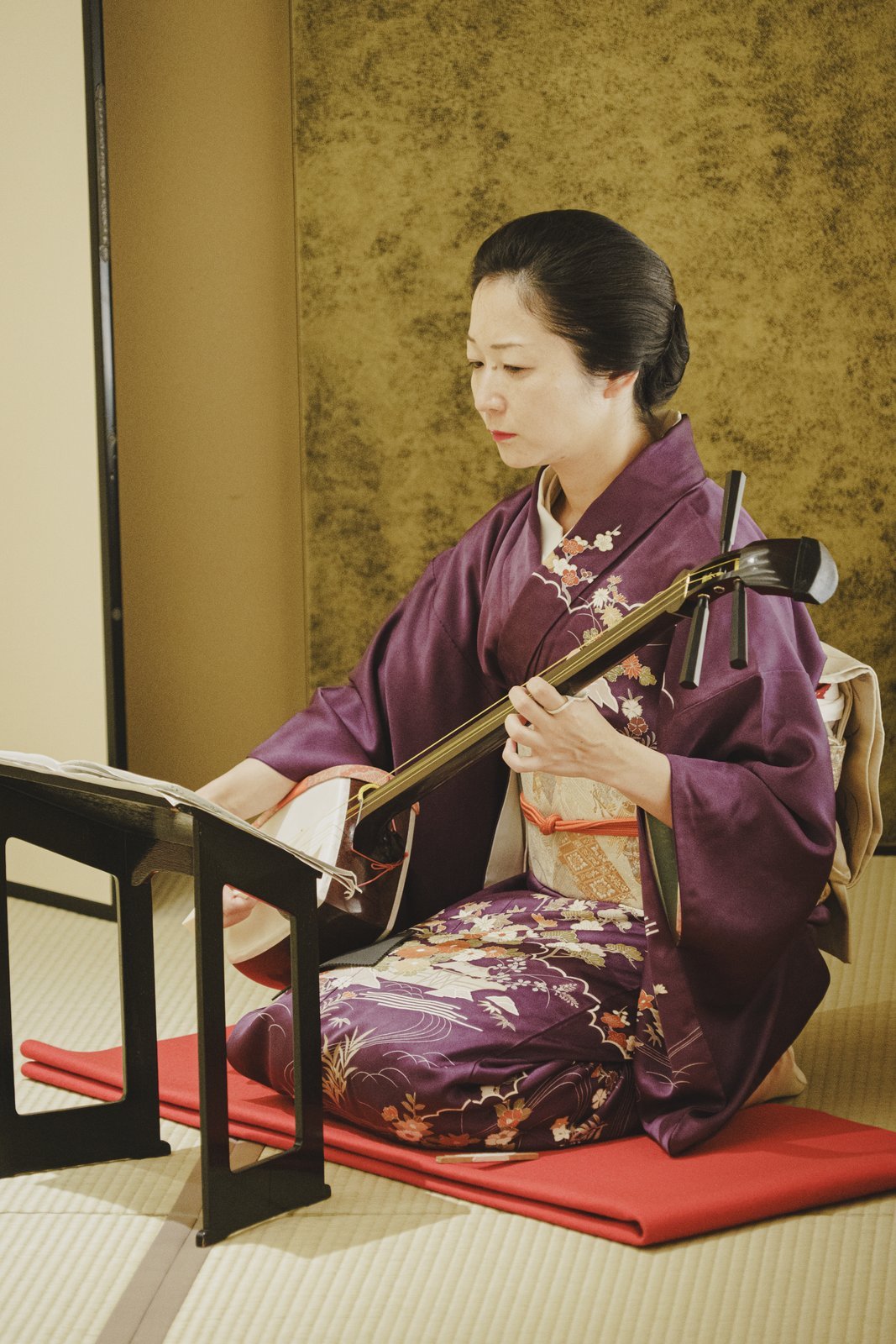
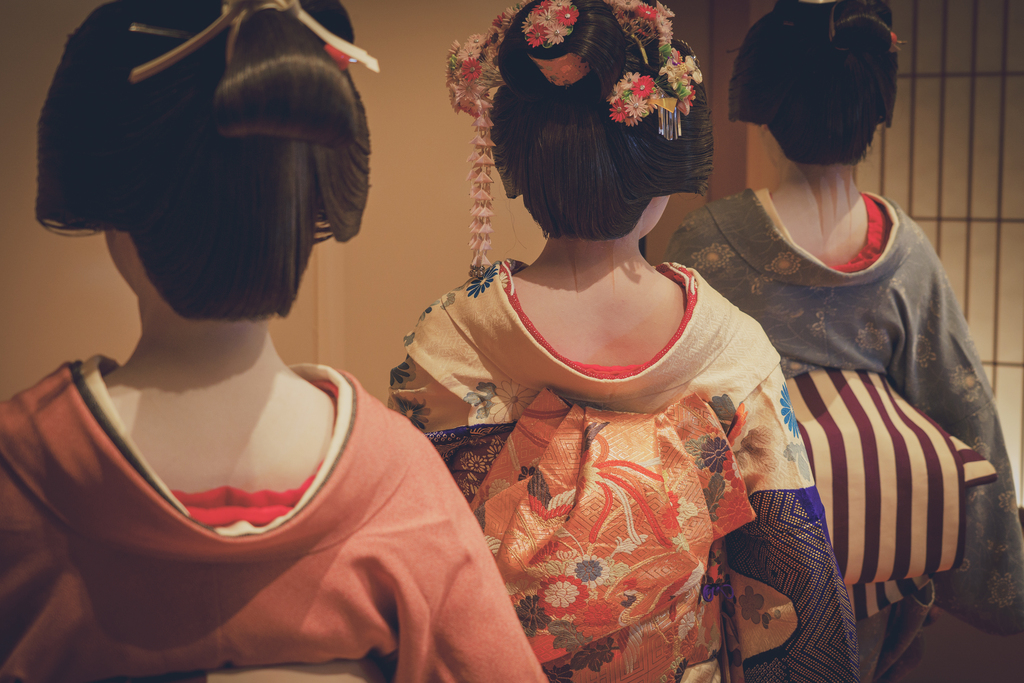
Our okami — the mistress of the house, a geisha in Asakusa for 27 years, from 1969 — puts it simply. As she explains it, the guest games at Miyakodori have barely changed in at least two hundred years; you’re playing exactly as people played long before film or photography existed. That’s the appeal. A geisha isn’t only a skilled performer; in her words, a geisha is someone who loves the arts enough to make a guest’s enjoyment part of the craft.
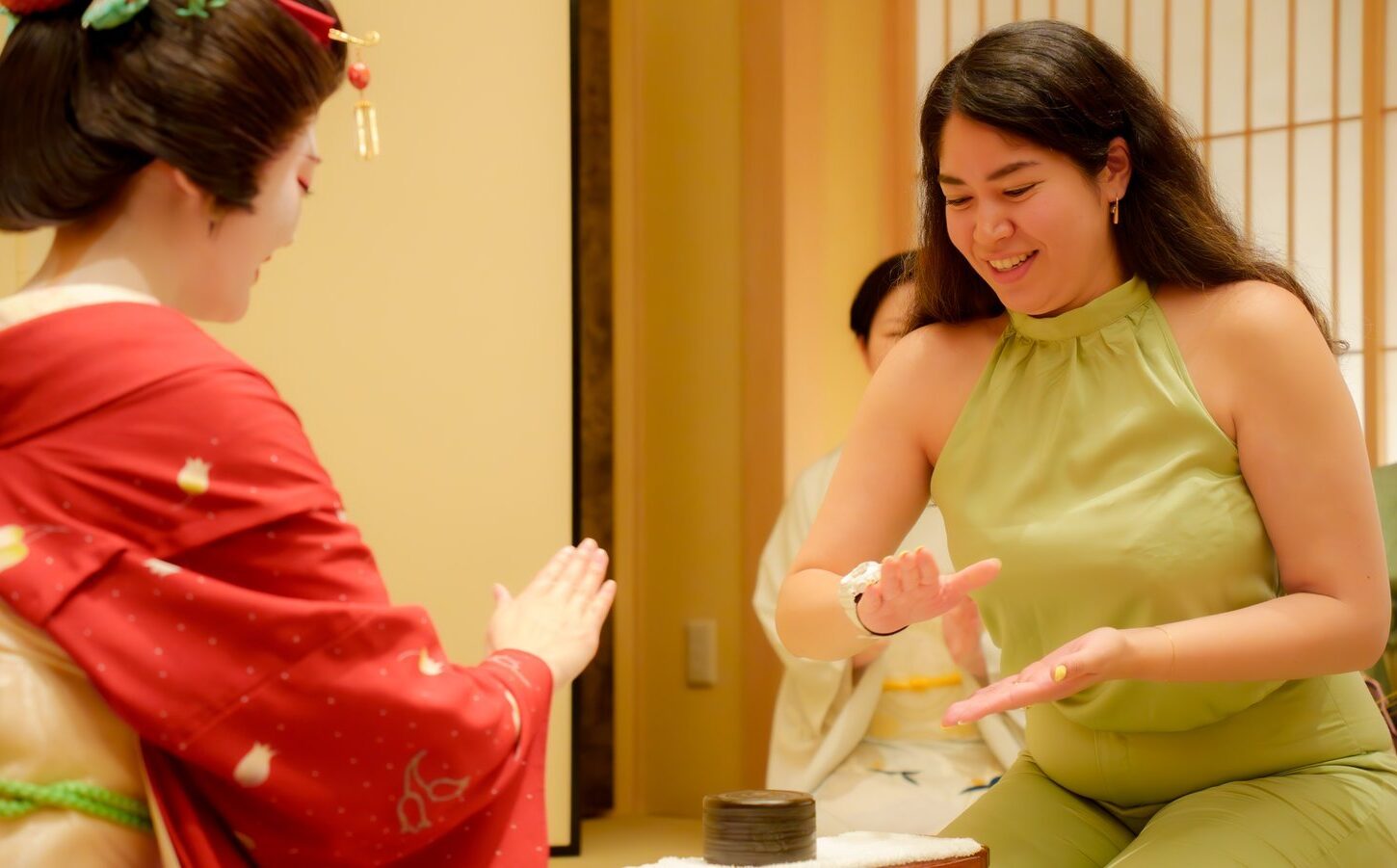
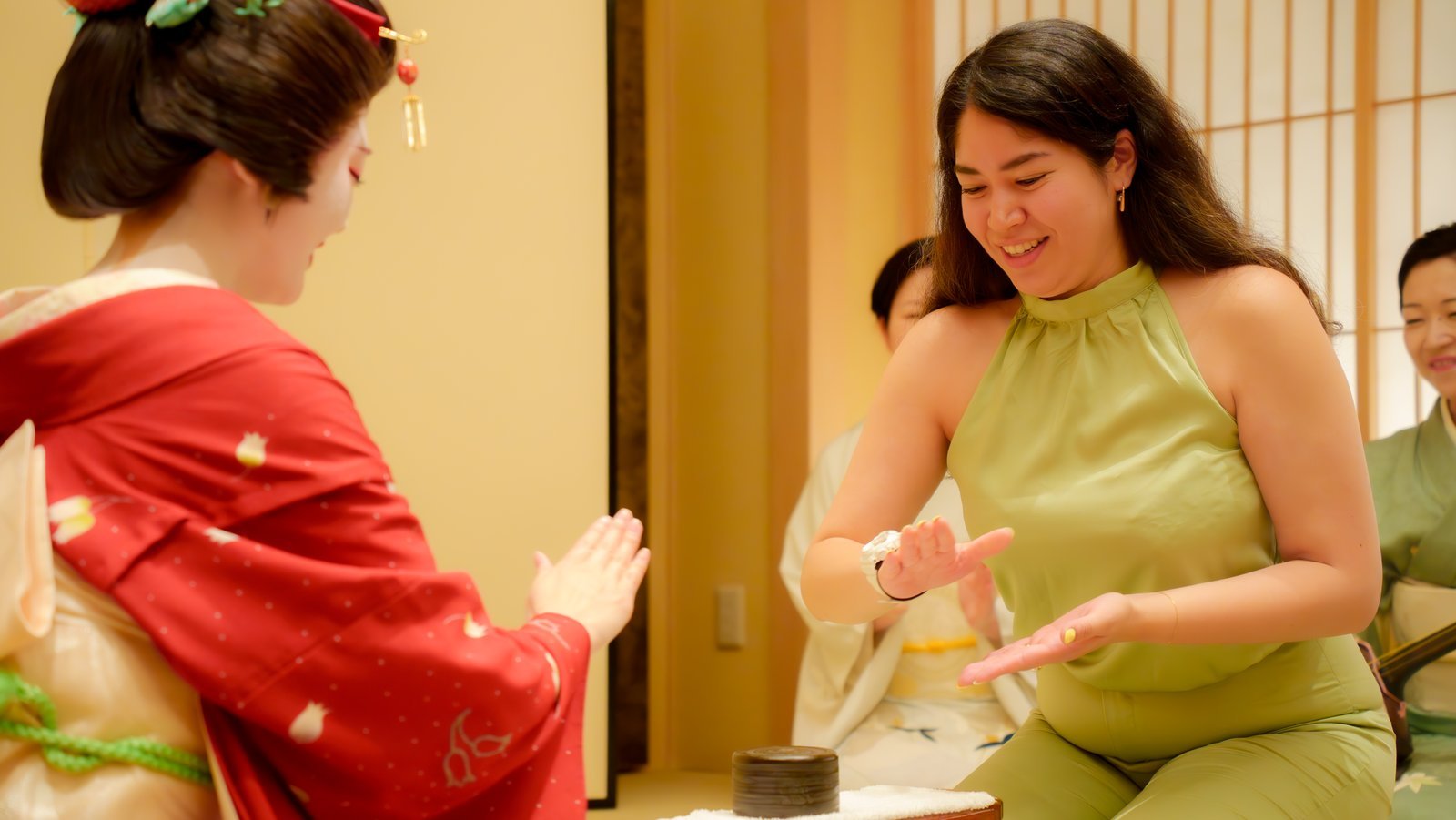
Here’s how an evening usually unfolds. The geisha stay in your room for the length of your plan, pouring drinks and keeping the conversation going. You watch a dance or a shamisen piece up close. Then the games begin — and because the rules are quick to learn, even first-timers are laughing within minutes. Win or lose, the loser drinks one small cup of sake, and somehow the distance between host and guest just disappears.
You don’t need to know anything in advance. If nerves get the better of you, the geisha’s whole job is to put you at ease — that’s the point of the games in the first place.
Konpira Fune Fune
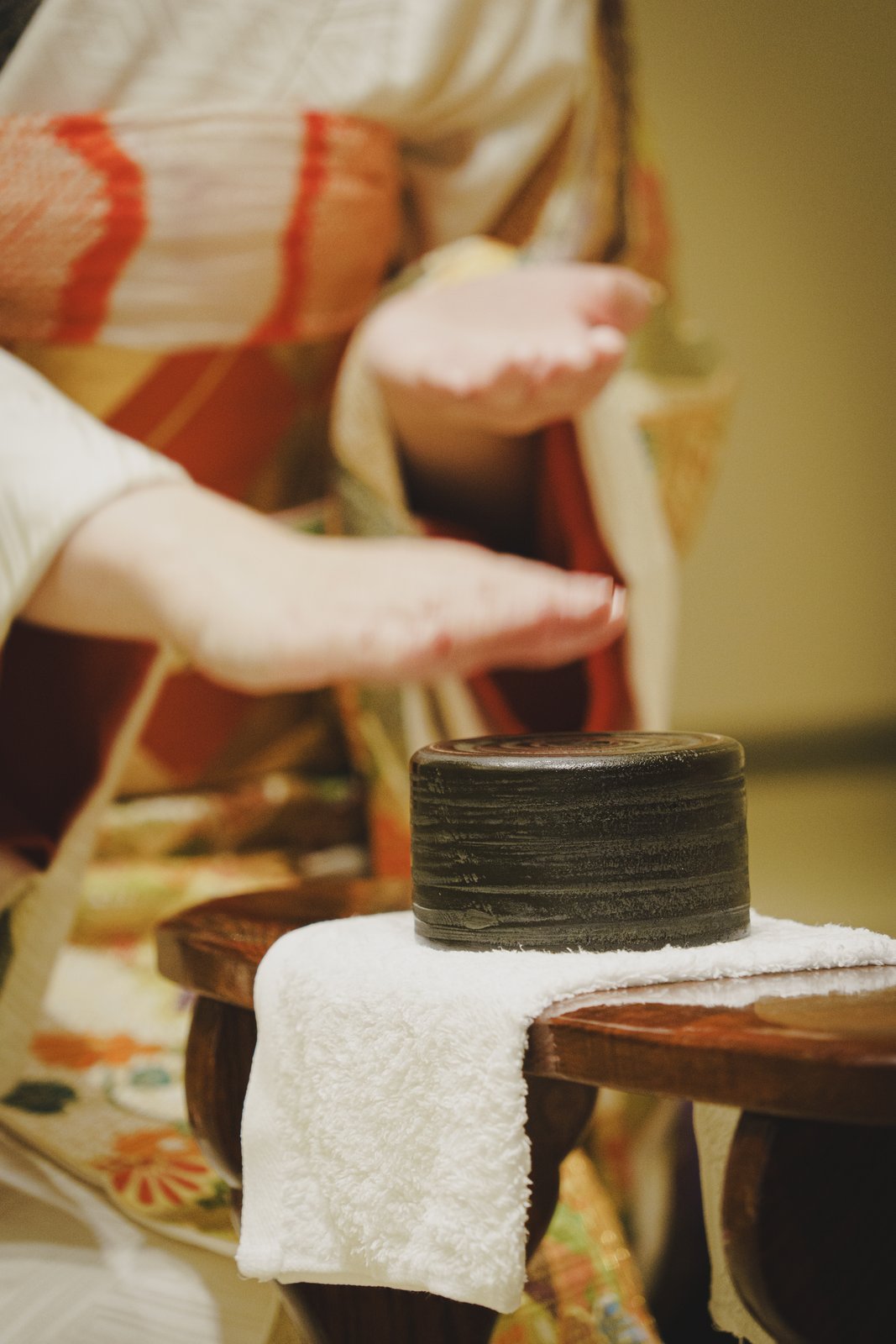
The most famous of them all. A small wooden piece called a hakama sits on an armrest (kyosoku) between you and the geisha. A shamisen plays a tune that speeds up as it goes, and you take turns taking the hakama — but with a catch. If the hakama is in front of you, you must lay your hand flat on it; if it has been taken away, you must strike the empty stand with a closed fist. Get it wrong, or hesitate, and you lose. As the music quickens, so does the chaos, and it’s almost impossible to keep up without dissolving into laughter. It’s easy enough that anyone can join on the first try, and hard enough that no one truly masters it — which is exactly why it has survived so long.
Watch Konpira Fune Fune being played at Miyakodori (Instagram)
Tora Tora (Toratora)
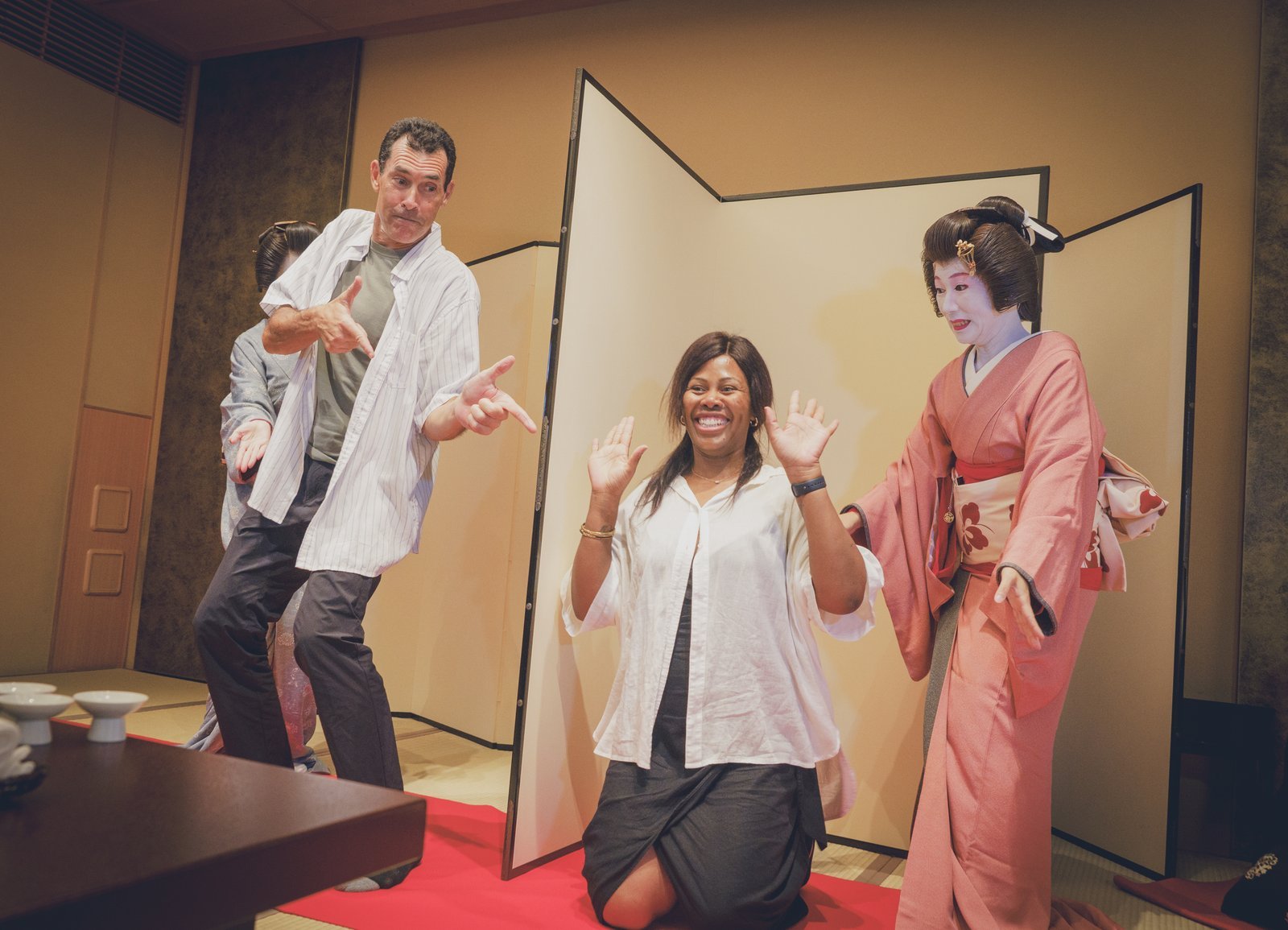
Think of this as rock-paper-scissors performed with your whole body, from behind a screen. Two players face off but can’t see each other. To a sung accompaniment, each strikes one of three poses: a tiger, a hunter with a spear, or an old woman (the hunter’s mother). The hunter beats the tiger, the tiger beats the old woman, and the old woman beats the hunter — a three-way loop just like rock-paper-scissors. The comedy is all in the timing and the poses, and losers, as ever, reach for their cup. It’s a crowd favorite because the audience can see both sides before the players do.
Watch Tora Tora being played at Miyakodori (Instagram)
Tosenkyo
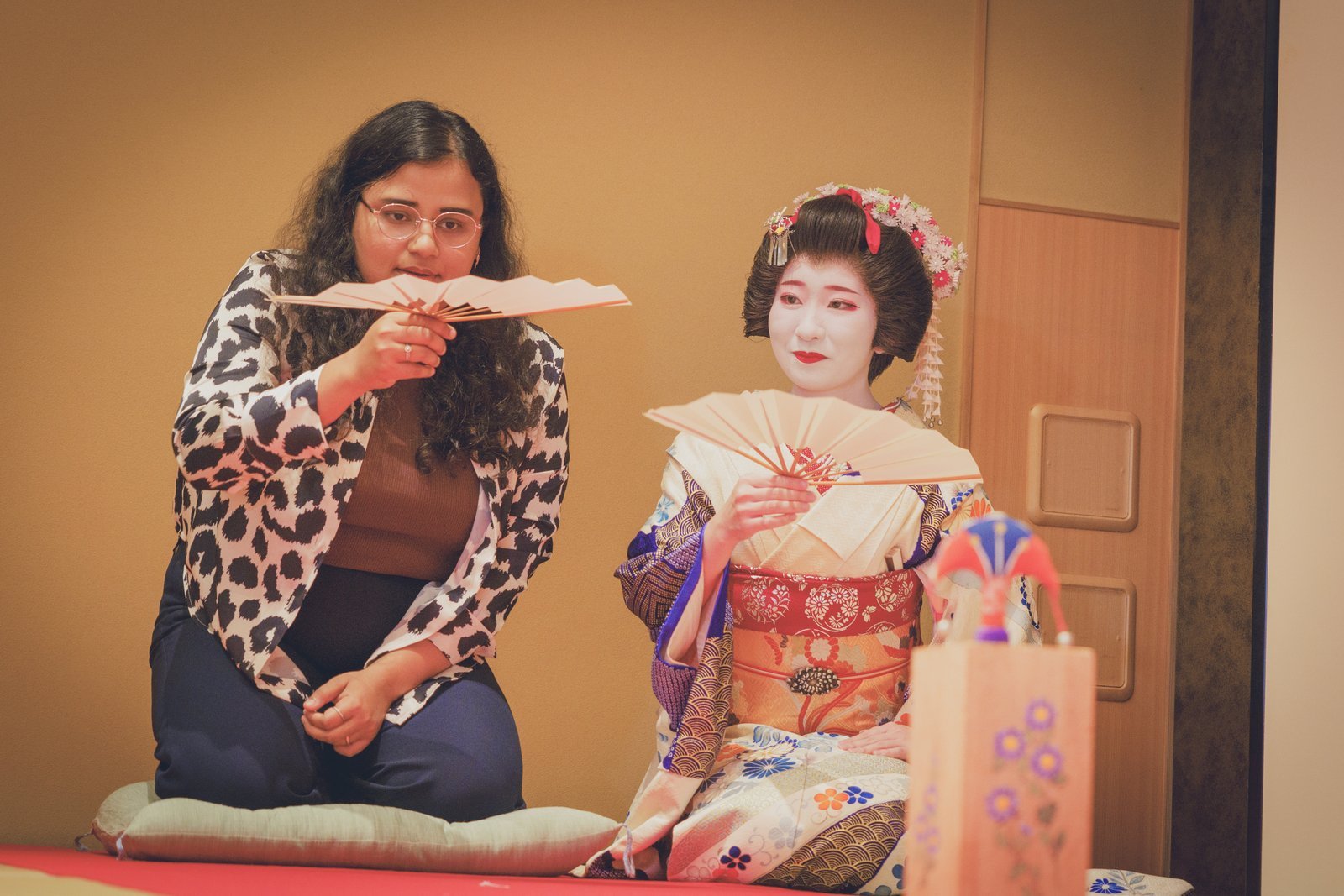
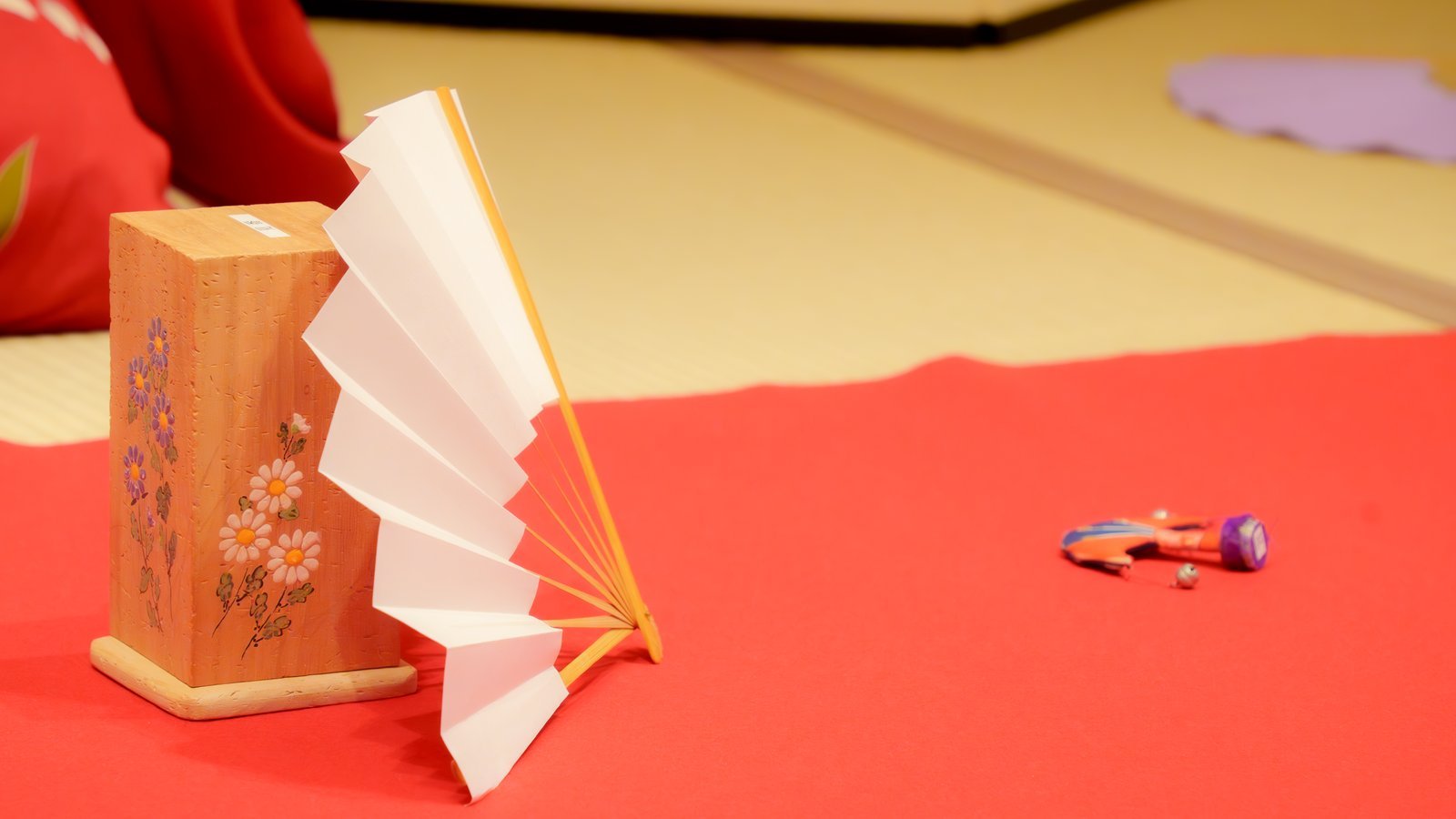
The most elegant of the parlor games. A folding fan is thrown at a small target — traditionally a stylized butterfly perched on a wooden stand. The way the fan, the target, and the stand fall creates different shapes, and each shape scores a different number of points, with names borrowed from classical literature. It’s part carnival game, part poetry, and it rewards a light, graceful touch far more than force. Tosenkyo is a lovely one to watch a geisha demonstrate first, because the flick of the wrist looks effortless right up until you try it yourself.
Watch Tosenkyo being played at Miyakodori (Instagram)
If the parlor games are what caught your eye, we have written each of them out in full: a full guide to ozashiki asobi, Konpira Fune Fune in detail, and how Tosenkyo is played and scored.
Play These Games in an Asakusa Tatami Room
Konpira Fune Fune, Tora Tora, and Tosenkyo are played with real Asakusa geisha during a private ozashiki (a private gathering with geisha) at Miyakodori, a machiai-chaya operating since 1950. No experience and no Japanese needed — the geisha teach you as you play.
Request a ReservationChildren’s and Festival Games Worth Knowing
Alongside the parlor and the board, Japan has a rich world of children’s games, many tied to the New Year and to seasonal festivals — kendama, koma and beigoma tops, otedama beanbags, ayatori string figures, and, at New Year, hanetsuki and karuta.
Kendama, a wooden cup-and-ball on a string, looks like a toy and plays like a sport — there are competitions and skill grades. Koma (spinning tops) and beigoma (small metal tops) turn a patch of ground into an arena. Otedama, little beanbags juggled and caught to a rhyming song, and ayatori, cat’s-cradle string figures, are the kind of games grandparents still teach.
Many come out at New Year: hanetsuki, a badminton-like game played with wooden paddles and a brightly feathered shuttlecock sent through the air, and karuta matches around the family table. Festival stalls add their own — goldfish scooping, ring toss, and more.
These games are for everyone and cost almost nothing, which is exactly why they’ve lasted. But they belong to daylight and the family. The parlor games belong to the evening — and to Asakusa.
Tora Tora — full-body rock paper scissors, geisha against hangyoku, decided across a folding screen.
Where Tradition Still Lives: Asakusa and Miyakodori
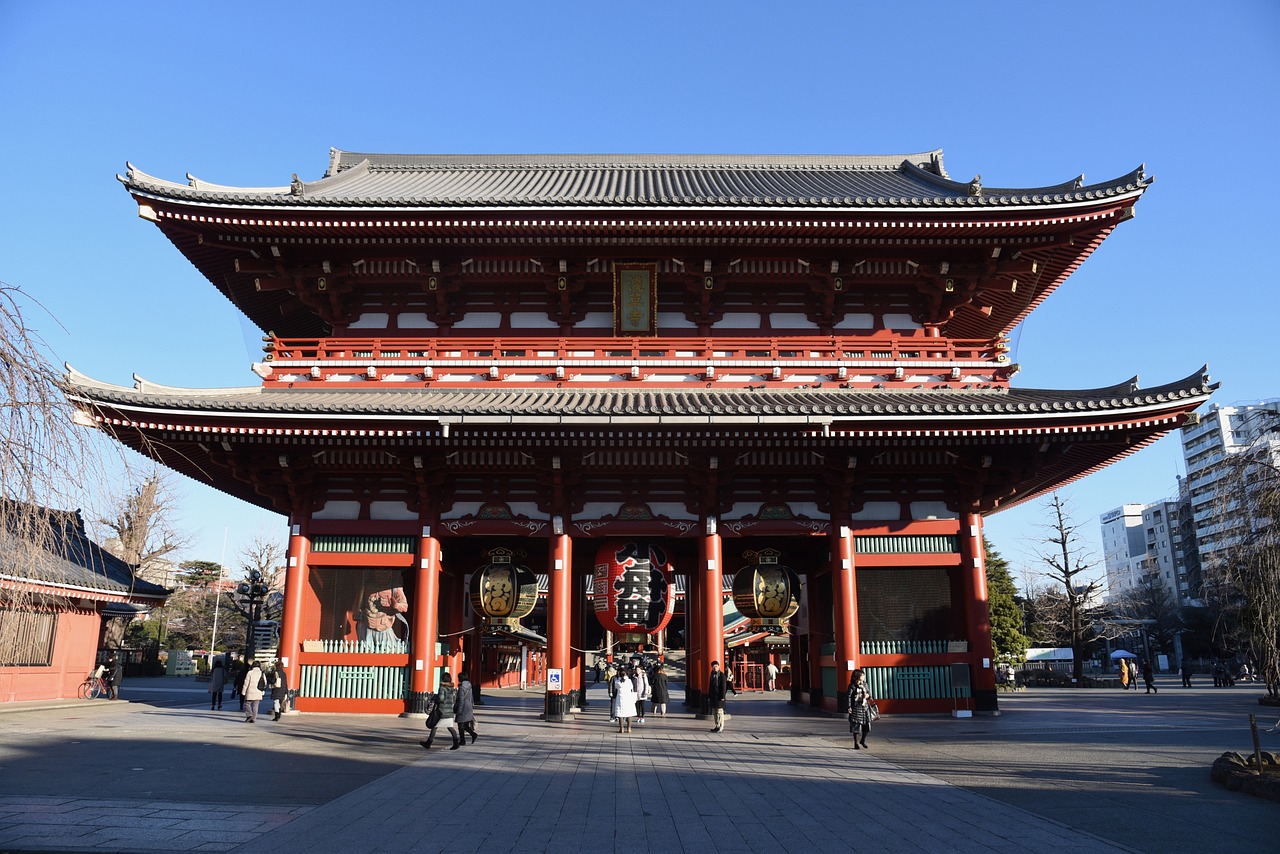
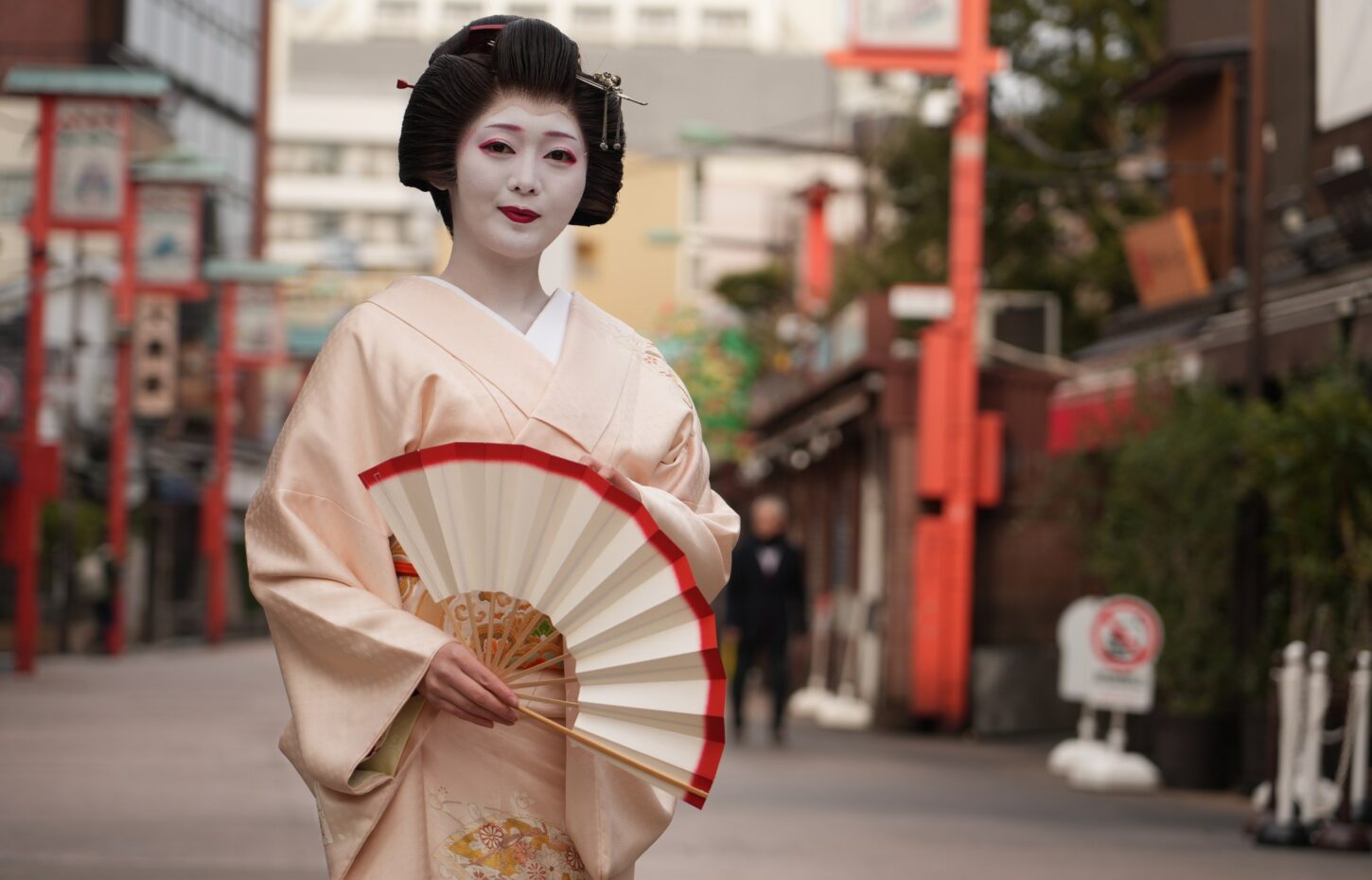
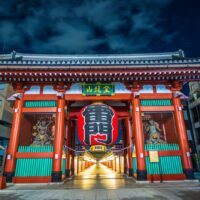
Asakusa has been a center of Tokyo entertainment for over four hundred years, built around Senso-ji, the city’s oldest temple. Of the capital’s historic geisha districts, Asakusa is the most open — a neighborhood that chose to protect and share its geisha culture rather than hide it behind closed doors. Miyakodori stands on the north side of the temple grounds — about three minutes on foot once you have walked through them, and 13 to 15 minutes from Asakusa Station.
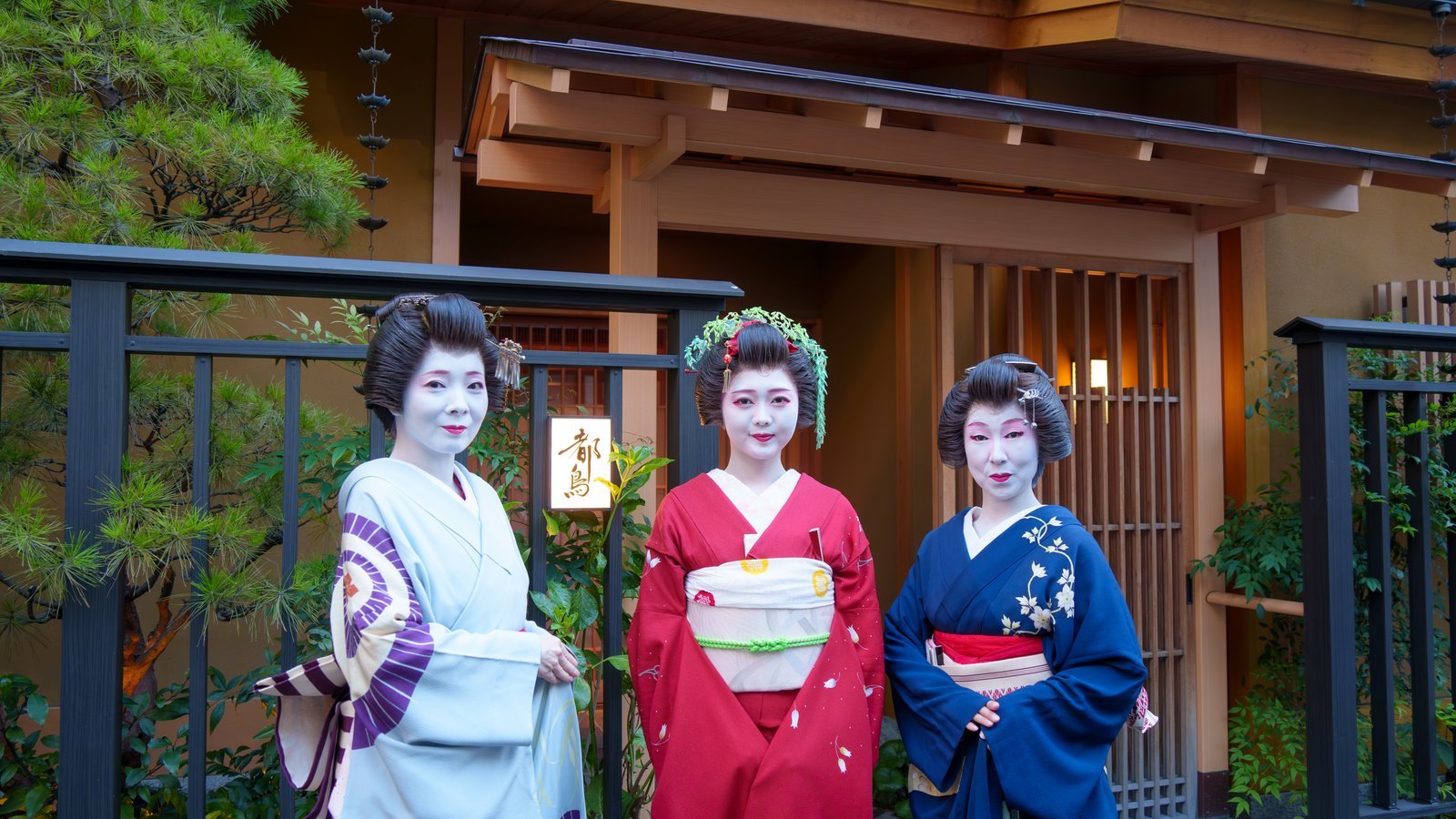
Miyakodori, founded in 1950, is the only machiai-chaya in Asakusa: a house devoted not just to fine seasonal kaiseki cuisine but to playing with geisha. That distinction is the whole point of this article. You can read about Japanese games anywhere. You can play shogi at home and buy a hanafuda deck online. But Konpira Fune Fune, Tora Tora, and Tosenkyo were made to be played in a tatami room, across a low table, with a real Asakusa geisha and a live shamisen — and there are only a handful of places left in the world where that’s still possible.
If you’d like to trade reading about these games for actually playing them, we’d be glad to host you. First-time and overseas guests are genuinely welcome — that’s a promise our okami makes in her own words.
Frequently Asked Questions
What are the main types of traditional Japanese games?
Five families: board and strategy games (shogi, go), card games (hanafuda, karuta), games of skill (kendama, koma), children’s games (otedama, ayatori), and ozashiki asobi — the parlor games played with geisha. The first four you can learn from a book or a deck bought online; the parlor games are played face to face in a tatami room.
What games do geisha play with guests?
The three that come up most often are Konpira Fune Fune, Tora Tora, and Tosenkyo. Konpira Fune Fune is a hand-and-fist game played to a shamisen tune that speeds up as it goes; Tora Tora is rock-paper-scissors performed with the whole body from behind a screen; Tosenkyo is a folding fan thrown at a butterfly target, where the shapes the fan and target fall into decide the score.
Are traditional Japanese games hard for beginners to play?
Not the parlor ones — Konpira Fune Fune and Tora Tora are designed to be learned in under a minute, which is exactly why geisha use them to relax first-time guests. Board games like shogi and go take longer to master, but you can enjoy a first round quickly.
Can foreign visitors play games with a geisha in Asakusa?
Yes — Miyakodori openly welcomes first-timers and overseas guests, and the games themselves need no shared language. Rhythm and laughter carry the evening.
Where can you still play traditional Japanese games with a geisha in Tokyo?
At Miyakodori in Asakusa, the only machiai-chaya (geisha teahouse) in Asakusa, where these parlor games have been played with guests since 1950. The house stands on the north side of the Senso-ji grounds, about three minutes on foot once you have walked through them, and 13 to 15 minutes from Asakusa Station.
What’s the difference between a geisha game and a regular Japanese game?
Ozashiki asobi (geisha parlor games) exist specifically to bring host and guest together, and are played with a geisha to the sound of a live shamisen. Ordinary Japanese games can be played anywhere, alone or with friends.
Do I need to know Japanese to play ozashiki asobi?
No — the games are visual and physical, and the staff and geisha are used to guiding first-time and international guests through each one. The loser simply drinks one small cup of sake, and no explanation is needed for that.
In Closing
Traditional Japanese games run from the silent depth of a go board to the giddy speed of a fan sailing toward a paper butterfly. Learn the board and card games and you’ll understand a real part of Japanese culture. But to feel it — the rhythm, the teasing, the way a game dissolves the wall between people — you have to sit down and play. That’s what geisha have offered for centuries, and what we still offer in Asakusa today. The games have barely changed in two hundred years. The only thing missing is you at the table.
Come Sit Down and Play
A private ozashiki (a private gathering with geisha) at Miyakodori in Asakusa: seasonal kaiseki, a shamisen played an arm’s length away, and the parlor games our geisha have played with guests since 1950. First-time and overseas guests are genuinely welcome.
Request a ReservationFootnotes / sources
- Asakusa Kenban (Asakusa geisha association): asakusakenban.com
- Asakusa Tourism Federation — Miyakodori: asakusa.gr.jp
- Tokyo Metropolitan Government “Tokyo My Story”: my.metro.tokyo.lg.jp
- PR TIMES — machiai-chaya feature: prtimes.jp
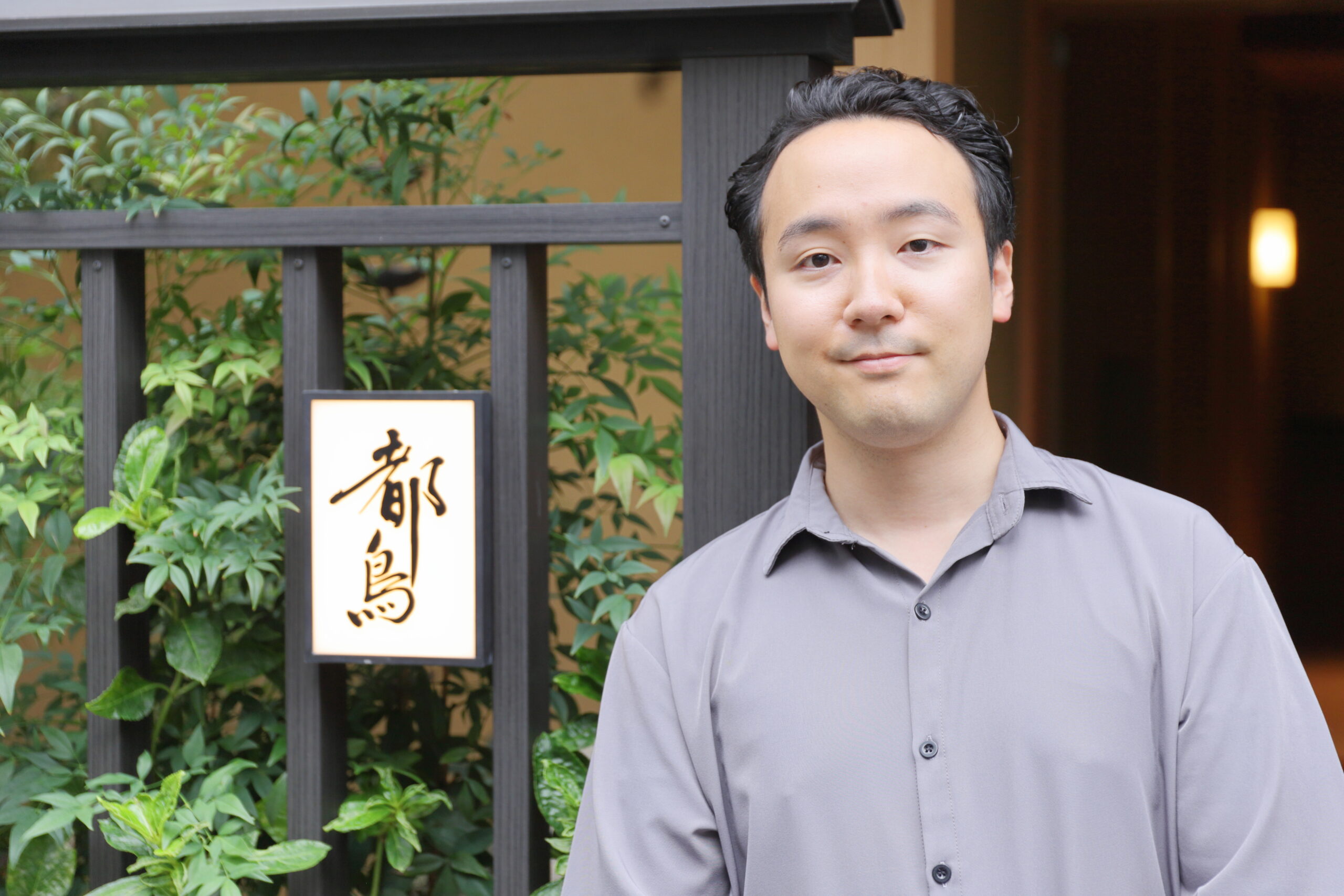


- What Is the Tora Tora Game? Rules, History, and How to Play
- What Is Ozashiki Asobi? A Guide to Geisha Games, Etiquette, and the Real Experience in Asakusa, Tokyo
Top 5 Must-Do Experiences in Asakusa — Including an Authentic Geisha Encounter
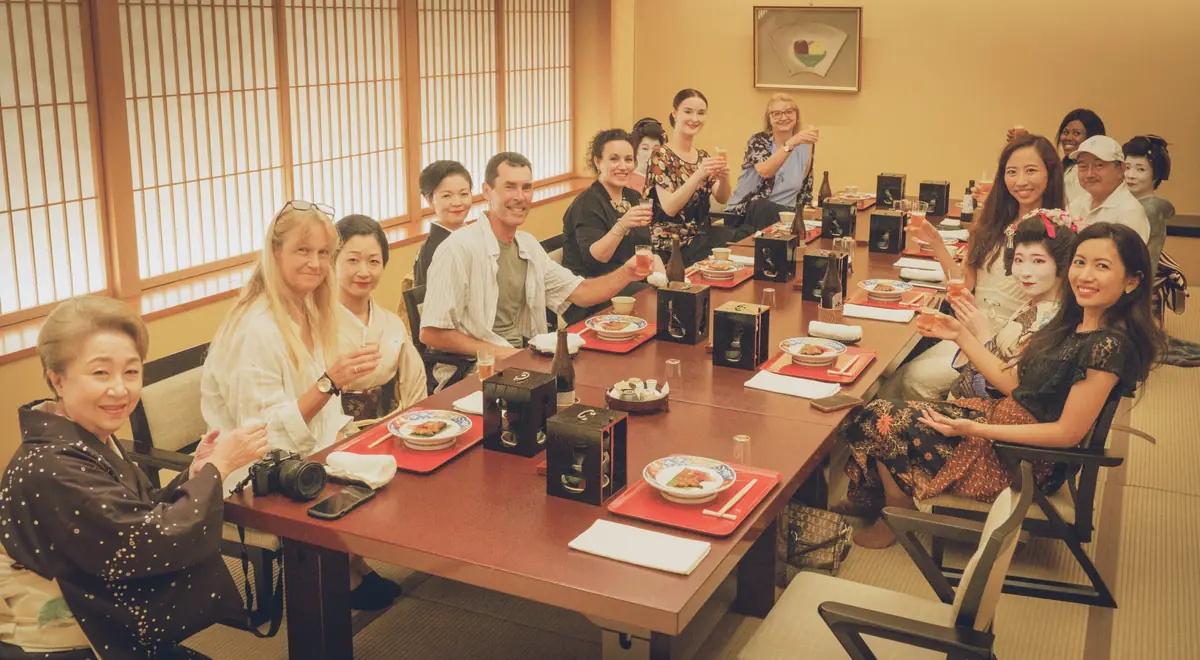
The Ultimate Guide to Geisha Dinner in Tokyo: Experience Authentic Japanese Culture, Cuisine, and Entertainment in 2026
Indulge in Hot Springs in Asakusa this Winter! 5 Selected Day-trip and Accommodation Facilities for Complete Relaxation
The Best Kakigori in Asakusa: Top Shaved Ice Shops & Visitor Guide
Japanese Culture and History: A Complete Guide for International Travelers

No comments yet.