



Geisha Drinking Game: Culture, Fun, and Tradition
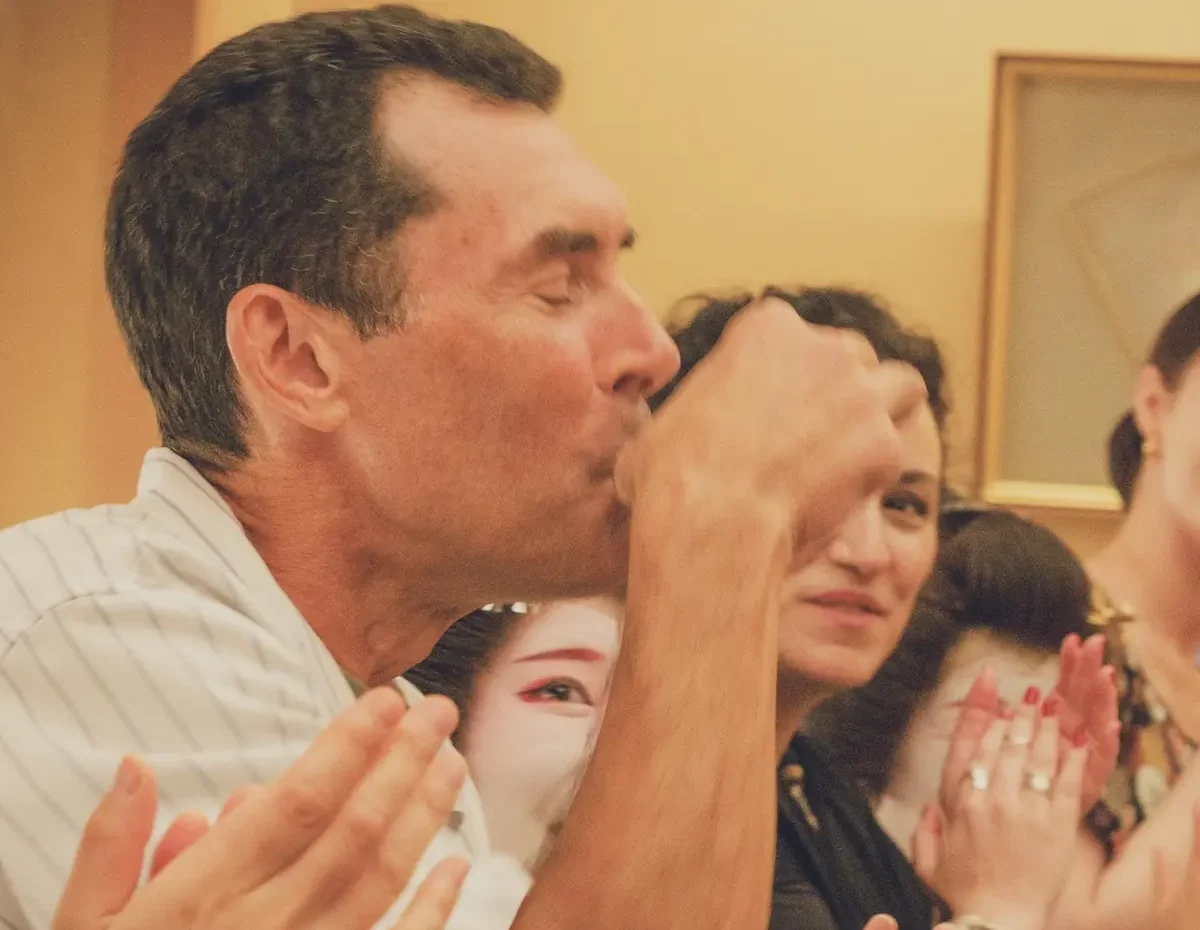
A geisha drinking game — known in Japanese as ozashiki asobi — is a traditional party game played between geisha and guests in the private tatami rooms of a tea house. The most famous is Konpira Fune Fune, a rhythm-and-reflex game where two players tap an armrest to a folk song, following strict rules about when to use an open palm or a closed fist. Whoever breaks the rhythm first loses and drinks a small sake cup as a forfeit. These games are not about drinking — they are an icebreaker designed to build connection, laughter, and trust between guests and their geisha.
If you find yourself in the heart of Tokyo during 2026, specifically in the nostalgic streets of Asakusa, you are in for a treat that transcends simple sightseeing. Beyond the bright lights and the bustling temples lies a world of refined elegance known as the flower town or hanamachi. Here, geisha drinking games, or ozashiki asobi, remains a living art form. In this post, we will dive into the most famous of these games and how you can experience this party drinking culture for yourself.
Understanding the Spirit of Ozashiki Asobi
Geisha drinking games are an icebreaker designed to build a bond between the geisha and her clients. Traditionally played in the private rooms of exclusive restaurants, these games are a blend of music, rhythm, and quick reflexes. The atmosphere is always happy and lighthearted, filled with the sounds of the shamisen, a traditional three-stringed instrument, and the melodic voices of the women.
Whether you are meeting a geisha or a hangyoku (an apprentice geisha in the Tokyo tradition), the goal is the same: to lose yourself in the moment. These games were once the primary entertainment for samurai and wealthy merchants. Today, they are open to anyone who respects the culture and wants to have genuine fun.
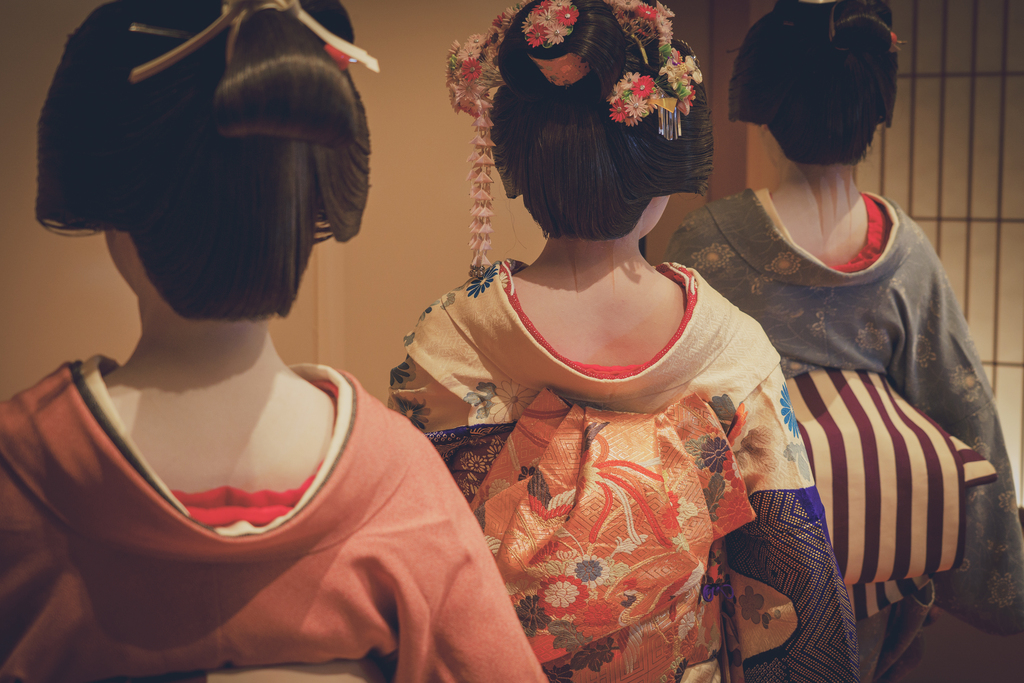
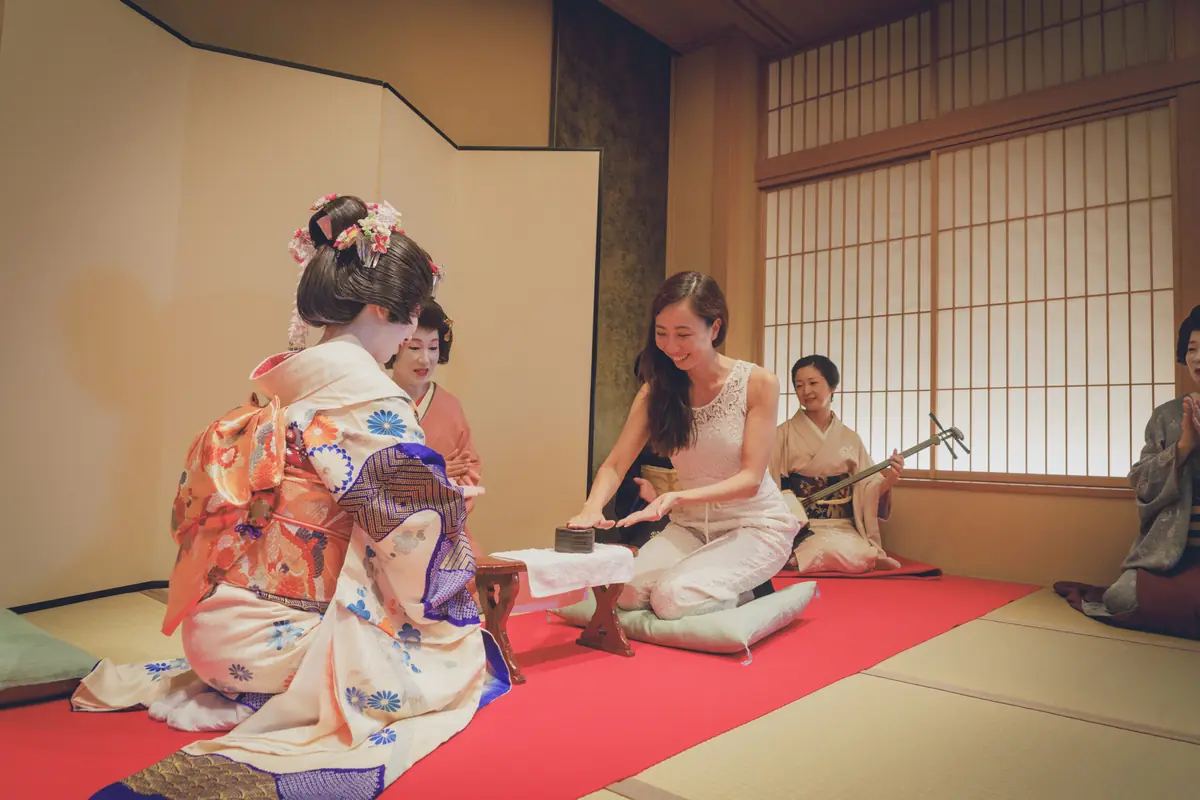
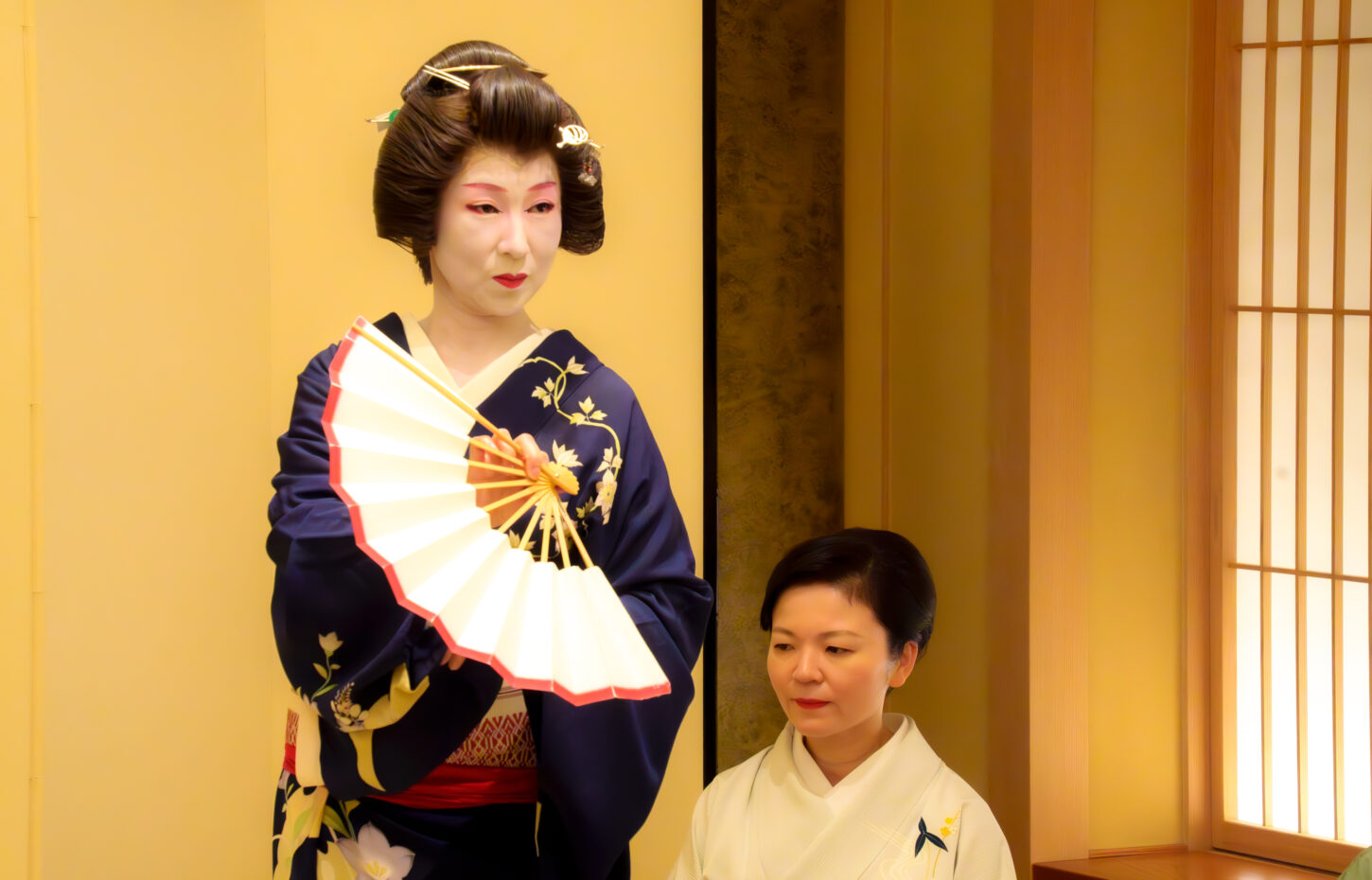
A hangyoku, playing. The player on the left is a hangyoku — the Tokyo word for a geisha in her early years. Kyoto uses maiko for the same stage, which is why the two words get mixed up outside Japan.
The Star of the Show: Konpira Fune Fune
If there is one geisha drinking game you might already know, it is Konpira Fune Fune. This game is played frequently in tea houses across Japan.
Origin and Meaning
The song associated with this game is dedicated to the Konpira Shrine (also known as Kotohira-gu) in Kagawa Prefecture, located on Mount Zozu. In the Edo period, this shrine was a major site for sailors and ship owners who sought protection for their boats and sailors on the sea. The lyrics mention ships sailing with a sail raised, once more turning around the mountain. The deity enshrined there, Daigongen, is equivalent to the protector of those who sail the high seas.
The Lyrics to Konpira Fune Fune
Konpira fune fune, oite ni hokakete, shurashushushu. Mawareba shikoku wa sanshuu nakanogori, zouzusan daigonken, ichido mawarabee.
The rhythm is catchy, and as the shamisen players pick up the pace, the players must keep up.
How to Play: Step-by-Step Rules
The rules are simple but require a quick mind and steady hands.
- The Setup: Two players sit across from each other with a kyōsoku — an armrest — placed between them. On top of the kyōsoku sits a hakama, a small wooden pedestal. The sake cup is not used during the game itself. It appears only at the end as the forfeit drink for the loser.
- The Song: The geisha begins to play the shamisen and sing. The players move their hands in rhythm with the beat.
- The Hand Movements: On each beat, you must place either an open palm or a closed fist on the kyōsoku, matching the current state of the hakama.
- The Fist and the Flat Hand: If the hakama sits on the kyōsoku in front of you, place an open palm where it rests. If the hakama has been taken by your opponent, place a closed fist on the empty kyōsoku.
- The Catch: If the hakama is in front of you and you use a fist, you lose. If the hakama has been taken and you use a flat hand, you lose.
- The Pace: As the song continues, the shamisen player goes faster and faster.
- The Hakama: The hakama can be taken up to three times in a row by the same player. On the fourth beat, you must return it to the opponent’s side.
- The Forfeit: The loser drinks one full small sakazuki (sake cup) — the entire cup, not just a sip. Non-alcoholic alternatives like tea or beer work just as well.
Play Konpira Fune Fune with Real Geisha in Asakusa
Experience the joy of ozashiki (a private gathering with geisha) at Miyakodori — Asakusa’s only remaining machiai-chaya tea house. Private rooms, authentic geisha drinking games, and seasonal kaiseki cuisine (included in the 3-hour plan) await.
What the game looks like with the real props — the hakama coaster, the armrest it sits on, and the song speeding up until someone misses. English subtitles available.
Other Classic Geisha Games
While Konpira Fune Fune is the most popular, there are many other games played during a party. For a deeper look at the full range of ozashiki asobi (traditional geisha games), see our dedicated guide.
Tora Tora (Tiger Tiger)
This is a life-sized version of rock-paper-scissors played behind a folding screen. It tells the story of an old woman, a samurai, and a tiger. Players use their whole bodies to represent one of the three characters. The samurai beats the tiger, the tiger beats the old woman, and the old woman beats the samurai because she is his mother.
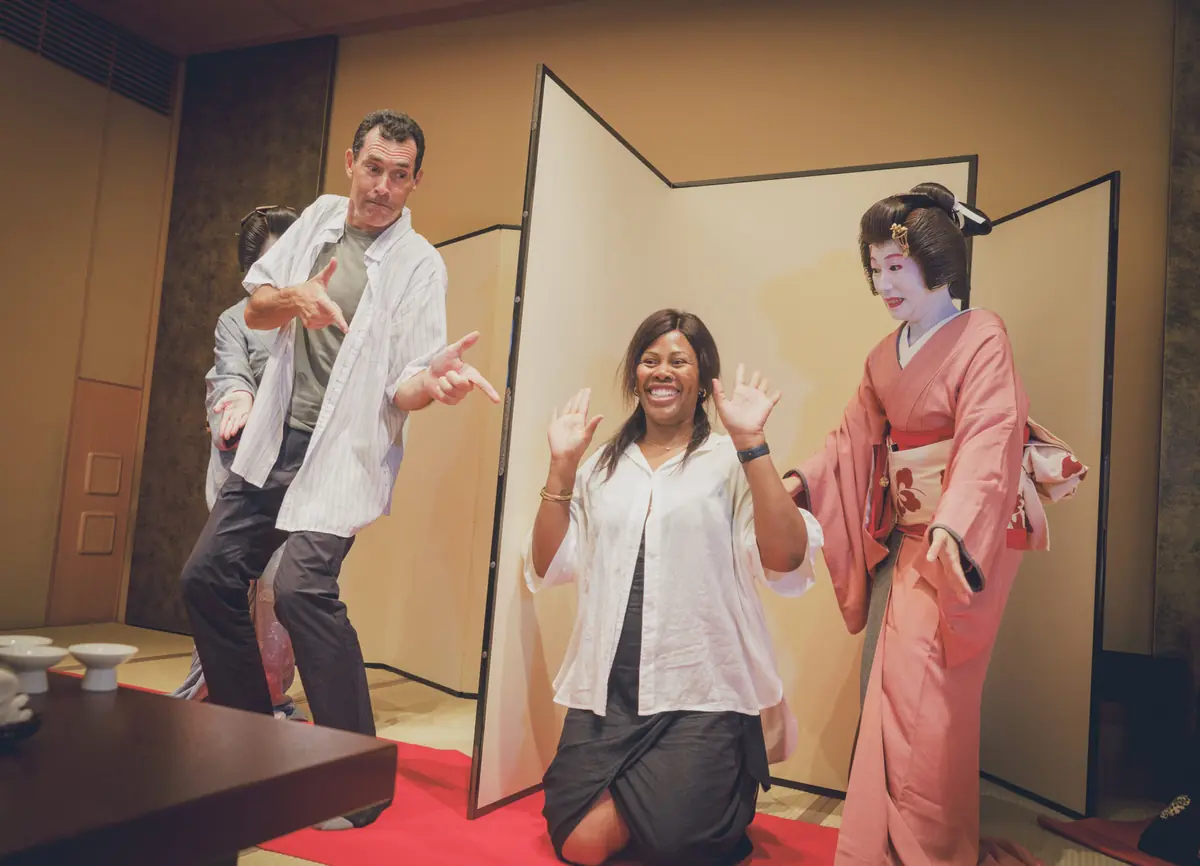
Tora Tora, from where the guests sit. The folding screen described above does the work: neither player can see what the other has chosen until both step out from behind it.
The Unique Charm of Asakusa Geisha
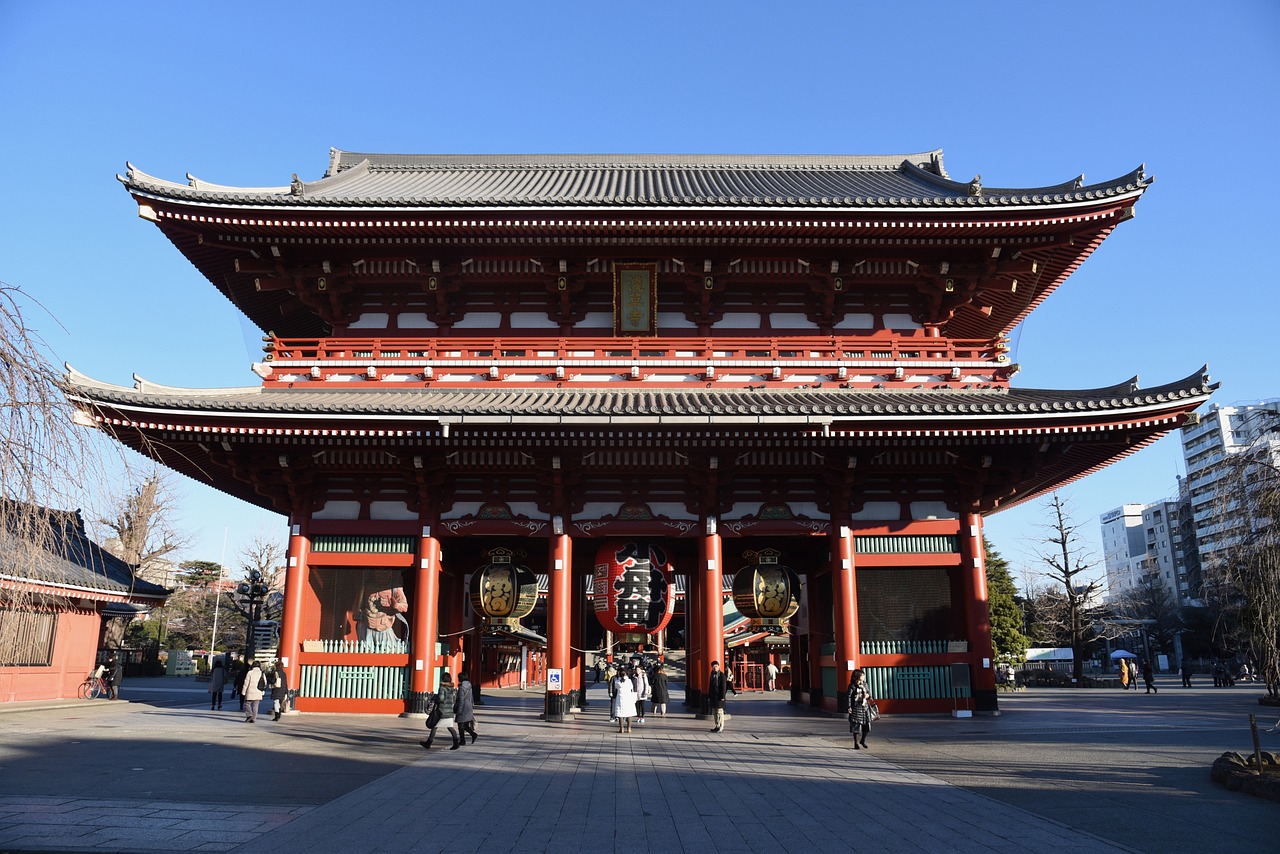
Many people think only of Kyoto when they hear the word geisha, but Asakusa has a very special history. Unlike the more closed and formal atmosphere of Kyoto, Asakusa is known for being an open flower town. This area has been a hub for travelers and tourists since the Edo period, centered around the famous Senso-ji Temple.
The Asakusa culture is defined by iki—a sense of stylish, understated elegance that is rooted in the samurai and merchant classes of old Tokyo. The geisha here are known for their hospitality and their ability to make anyone feel welcome, regardless of their background or rank.
To understand the history of this district, explore our guide to the Asakusa geisha district and its traditions.
Experience the Magic at Miyakodori
If you want to experience these games yourself, Miyakodori is the place to do it. Founded in 1950, Miyakodori is an historic establishment located in the Asakusa Kannon-ura district. We are the only remaining machiai-chaya in Asakusa, a traditional style of restaurant where the primary focus is the entertainment provided by geisha.
At Miyakodori, private rooms provide a space where time slows down. In our 3-hour plan, you can enjoy seasonal kaiseki cuisine, which uses the finest food of the season to reflect the four stages of Japan’s nature. But the true highlight is the performance. The geisha who perform here have undergone years of rigorous training to master the dance, the song, and the art of conversation.
Whether you are planning a special anniversary, a business meeting with VIP guests, or simply a deep dive into Japanese culture, Miyakodori provides a guided experience that is both authentic and welcoming.
For the definitive guide to how Konpira Fune Fune actually works — including the full lyrics, the kyōsoku and hakama mechanics, and what beginners always get wrong — read our detailed pillar article on Konpira Fune Fune rules and history.
Frequently Asked Questions
Q: Do I need to speak Japanese to play the games?
A: Not at all. The games are rhythmic and visual. Our geisha are experts at using gestures and simple English to ensure you have a great time.
Q: Can I take photos or videos?
A: Generally, yes! We encourage you to capture these memories, though we ask that you respect the privacy of the performers and follow the house rules. Feel free to share your experience on social media!
Q: Is there a dress code?
A: While there is no strict rule, most guests choose smart-casual attire to match the elegant atmosphere of the private rooms.
Q: How do I book?
A: You can contact us through our website. We have various plans, to suit your needs.
Conclusion: A Night to Remember
Playing drinking games with geisha is a celebration of life, hospitality, and history. From the rhythmic chanting to the elegant touch of a silk kimono, every moment at an ozashiki is designed to stay in your memory forever. In a world that moves so fast, taking the time to sit on a tatami mat and play a simple game with a geisha is the ultimate luxury.
We invite you to join us at Miyakodori in Asakusa. Come and meet the women who keep these traditions alive, taste the incredible food, and discover the true spirit of Japan. Learn more about the full range of plans available in our complete ozashiki party guide.
Related Guides
Request Your Geisha Experience at Miyakodori
These games only exist inside an ozashiki, so the first question is usually how to get into one. We lay out the five ways to see a geisha in Tokyo side by side, with what each one costs and how certain it is.
Book a private ozashiki (a private gathering with geisha) in Asakusa. Authentic geisha drinking games, seasonal kaiseki cuisine (included in the 3-hour plan), and an evening you will never forget.
Footnotes and Sources:
Asakusa Geisha Culture and History: https://asakusakenban.com/
Miyakodori Official Site: https://miyakodori-geisha.com/
History of Asakusa District: https://asakusa.gr.jp/jp/?p=385
Traditional Ozashiki Asobi Details: https://prtimes.jp/main/html/rd/p/000000001.000165250.html
Tokyo Metropolitan Government – Asakusa Culture: https://www.my.metro.tokyo.lg.jp/w/000-20240711-43128106


- Geisha Experience in Tokyo: Private Ozashiki in Asakusa
- What Is a Hanamachi? Meaning, Structure & Japan's Geisha Districts Explained
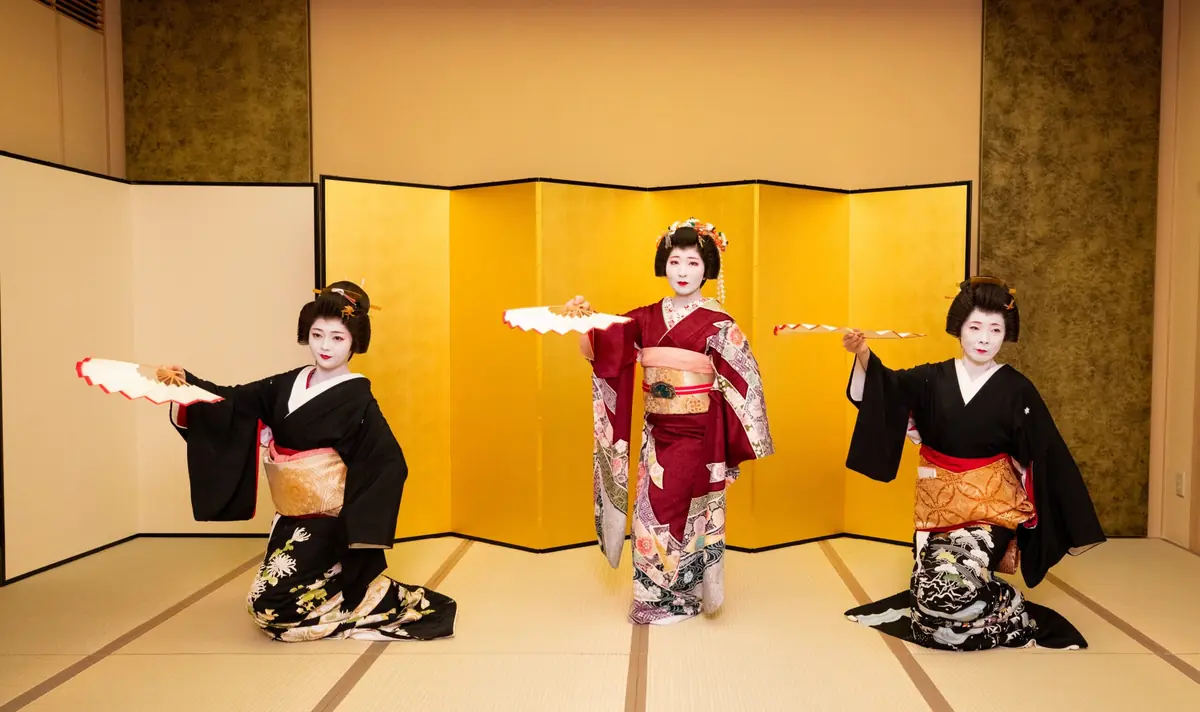
2026 Best Tokyo Geisha Dinner Guide: Top Recommendations for an Authentic Evening in Asakusa
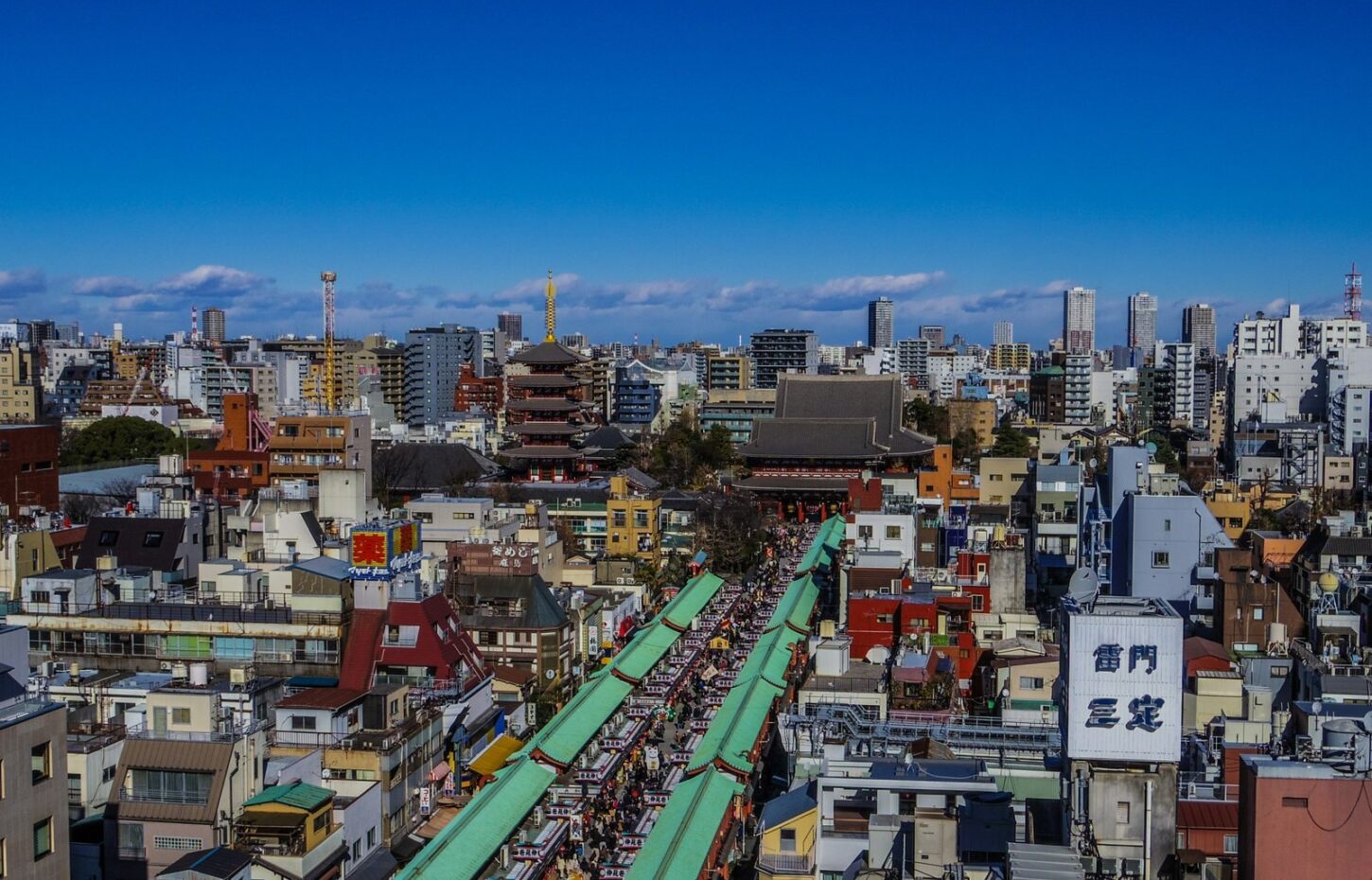
Where Is Asakusa, Japan? A Local Guide to Tokyo’s Most Traditional District
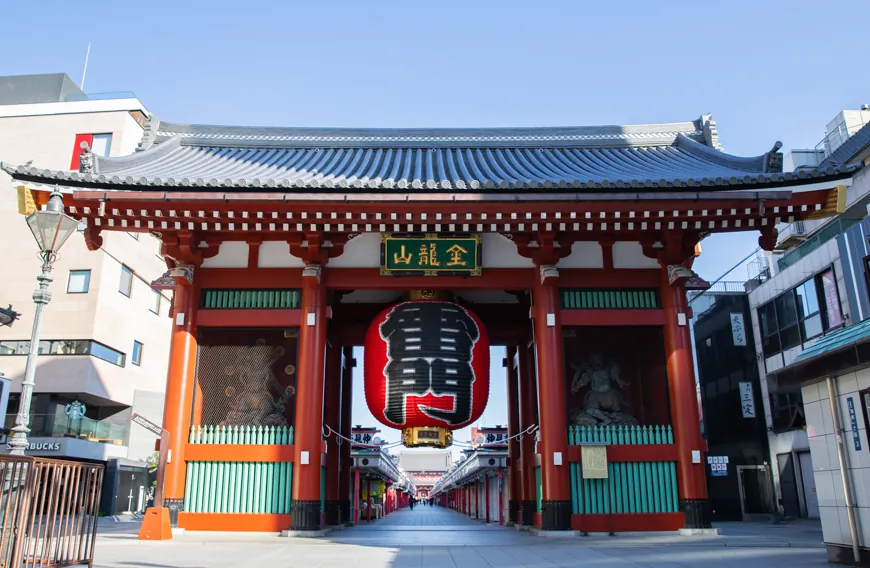
A Special Year-End in Asakusa! 5 Hidden Spots to Enjoy While Avoiding Crowds
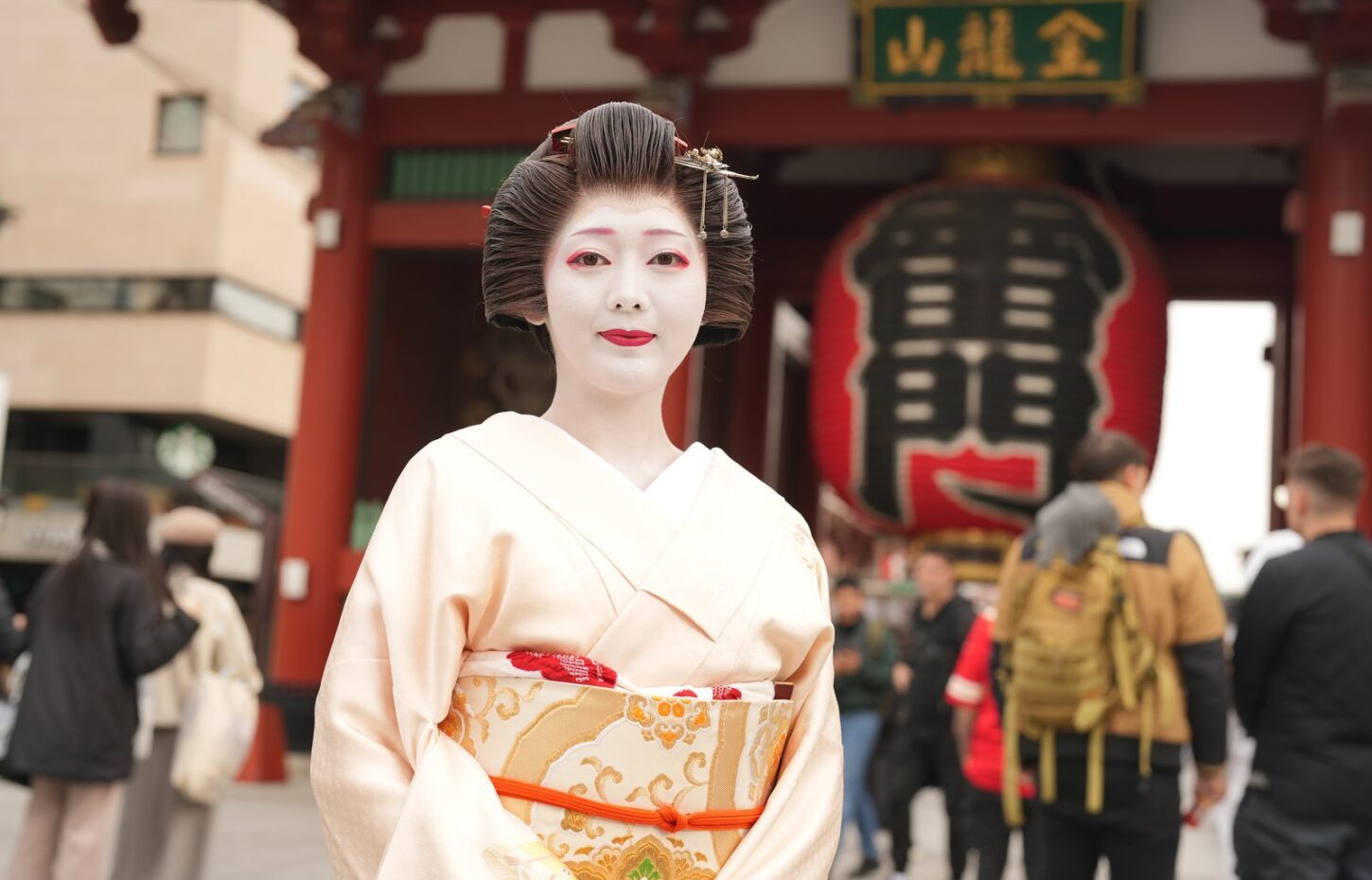
The Miyakodori Bird in Ukiyo-e: Hiroshige’s Namesake
The Real Meaning of Geisha in Japan: History, Life, and Modern Traditions
Yoshiwara: History, Location & Legacy of Japan’s Famous District
Comment ( 0 )
Trackbacks are closed.

No comments yet.