



Authentic Geisha Experience vs. Geisha Makeover: What’s the Difference?
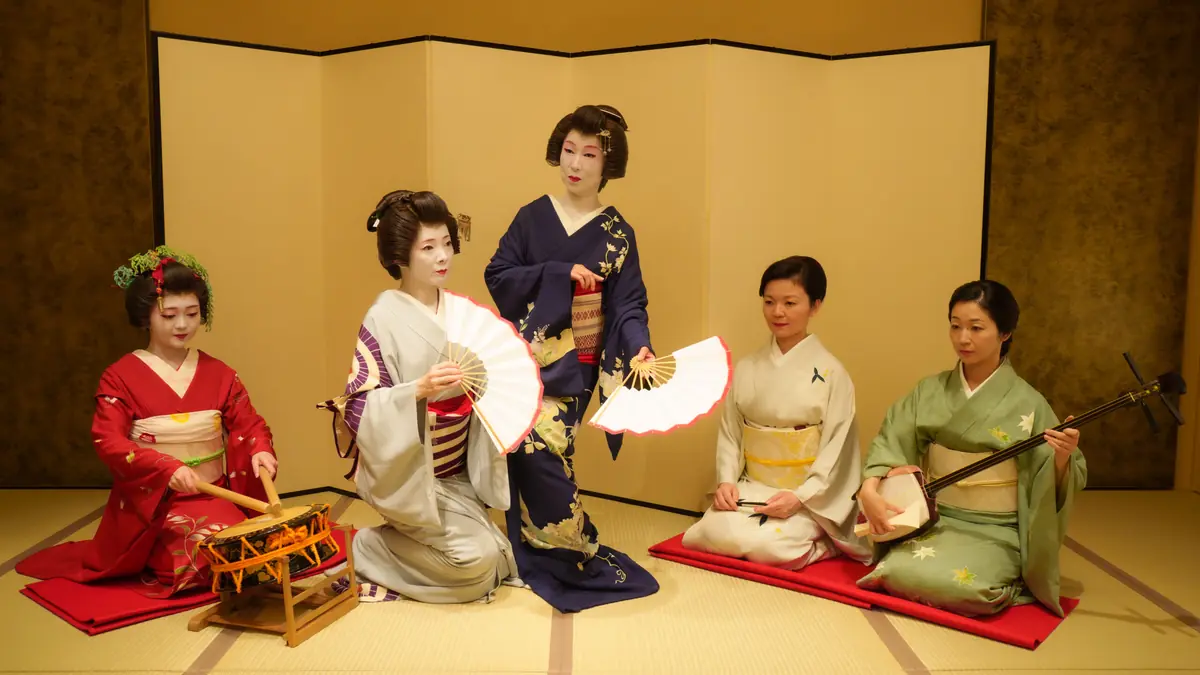
In Tokyo, the phrase “geisha experience” is used to describe two completely different cultural offerings, and most foreign visitors do not realize this until after they have already booked. The first is a working ozashiki — an evening at a machiai-chaya (geisha tea house) where a real Asakusa or Shimbashi geisha, with years of training in shamisen, dance, and singing under a working senior at her okiya, performs and converses with you. The second is a geisha makeover — a studio service where you, the visitor, are dressed in geisha-style kimono and wig, made up by professional staff, and photographed in studio or temple settings. Both are valid. Neither is fake. They are simply different things. This guide explains the practical differences — and how to tell, before you book, which one you are actually paying for.
Two Different Things Sharing One Name
The English phrase “geisha experience” entered tourism marketing roughly twenty years ago, partly as a translation of the Japanese term geisha taiken (芸者体験), and partly through the English-language tourism industry’s desire for a clean, recognizable label. Over time, the same phrase came to describe a wide range of offerings:
- An evening with a working geisha at a tea house in Asakusa, Shimbashi, or Kyoto
- A studio session in which a tourist is dressed in geisha-style kimono and photographed
- A combination tour that includes a brief geisha performance at a public hall plus a meal
- A “geisha-themed” dinner at a restaurant where staff are dressed in geisha-influenced costume
All four are sold under the same English phrase. None of them is dishonest. But they are very different products, with very different prices, very different time commitments, and very different things to offer.
The most useful distinction — and the one this article focuses on — is between the working ozashiki (an evening with a real geisha) and the geisha makeover (a transformation of yourself).
What Makes a “Working Ozashiki” Authentic
A working ozashiki in Tokyo has three defining characteristics that are not negotiable:
A. The Geisha Are Active Members of a Registered Hanamachi Association
In Tokyo, the six historical hanamachi each have their own kenban (geisha office), which serves as a registered cultural association. To be a working geisha in Asakusa, Shimbashi, Akasaka, Kagurazaka, Mukōjima, or Yoshichō, a woman must:
- Belong to an okiya (置屋・geisha house) and complete her training there under an experienced geisha or okami — schools of Japanese dance (Hanayagi-ryū and Fujima-ryū are the schools practiced in Asakusa) are practiced and rehearsed, but no formal certification is required to work as a geisha
- Be registered with the local kenban in her own hanamachi
If you are at a real working ozashiki, the geisha you meet are members of one of these associations. The Asakusa Geisha Association — the kenban — is publicly listed at asakusakenban.com. You can verify this directly.
B. The Performance Includes Live Shamisen and Trained Dance
A working geisha will, during a typical evening:
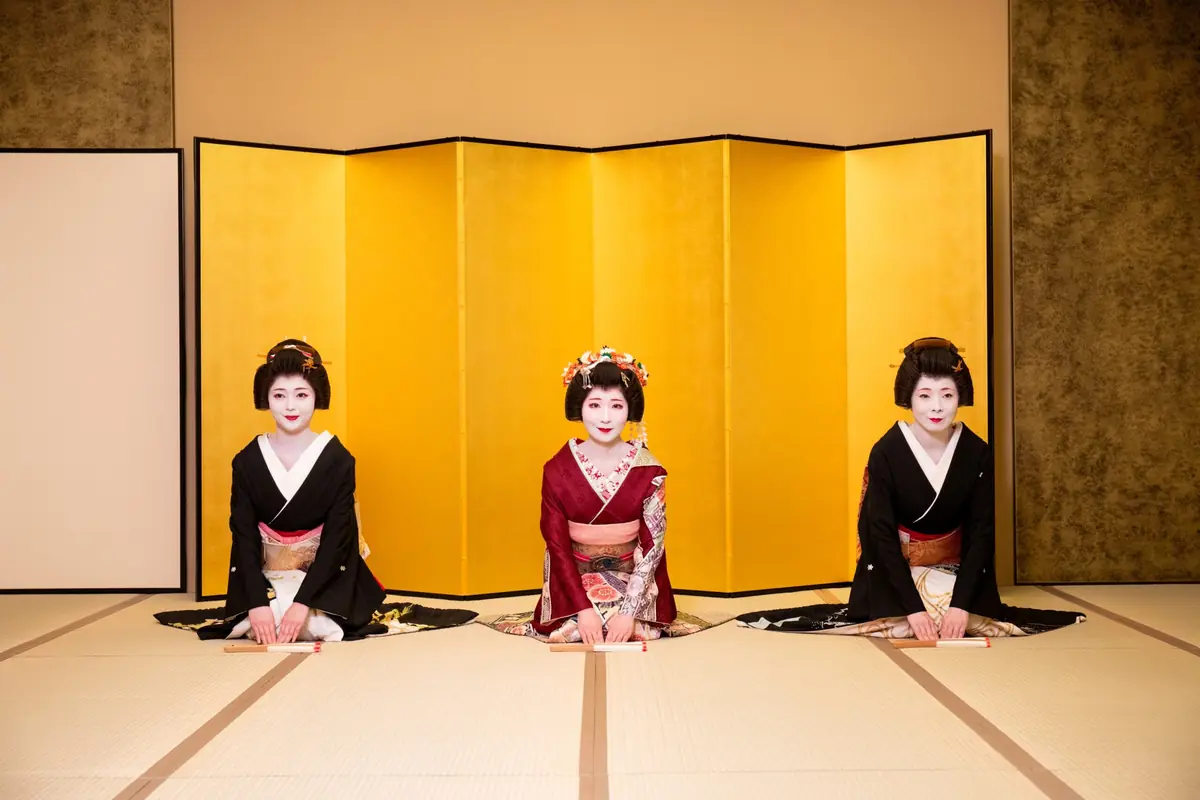
- Perform at least one classical Japanese dance (often seasonal — cherry blossom motifs in spring, autumn moon themes in fall)
- Be accompanied by live shamisen — usually played by a jikata (instrumental) geisha, not a recording
- Lead traditional ozashiki games such as Konpira Fune Fune (which requires both song and shamisen)
- Engage in conversation (typically interpreted into English in Tokyo’s foreigner-friendly tea houses)
If the performance is exclusively dance with recorded music, or photography only, you are at a different kind of event.
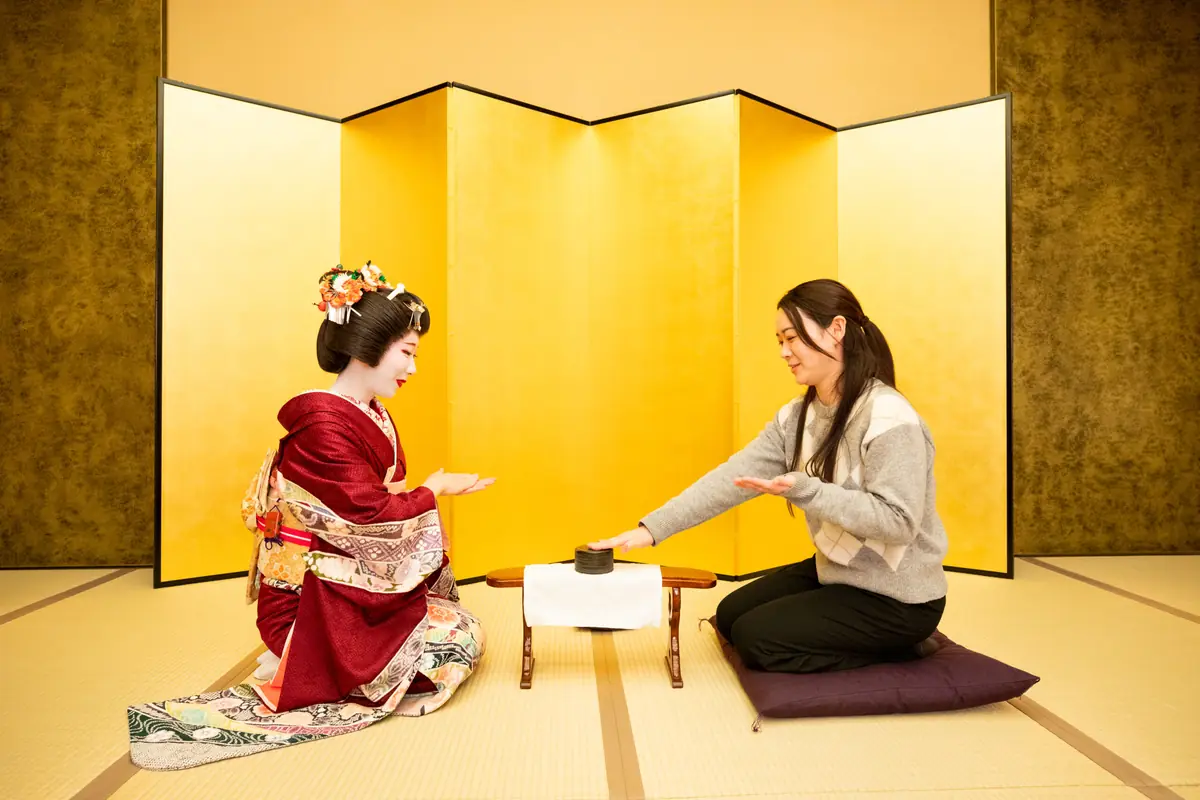
C. The Setting Is a Hanamachi-Affiliated Venue (Not a Studio Set)
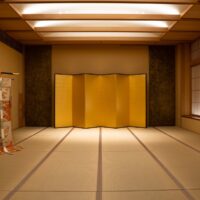
The defining requirement is not the tatami matting itself — it is that the ozashiki takes place at a venue affiliated with the local kenban. In practice this means a machiai-chaya (a tea house designed for geisha banquets) or a ryōtei (a high-end traditional restaurant with private rooms). Tatami, tokonoma alcoves, and shōji screens are typical features of these spaces, but they are typical because the venues themselves are traditional, not because tatami is a checkbox. What makes the venue authentic is its working relationship with the hanamachi.
A geisha-themed photo studio with a painted backdrop is, by definition, a different kind of offering — and an entirely valid one. It is just not a working ozashiki.
The Geisha Makeover: A Different Kind of Tradition
It is worth saying clearly: a geisha makeover is not a fake geisha experience. It is a different cultural offering, and it has its own legitimate roots.
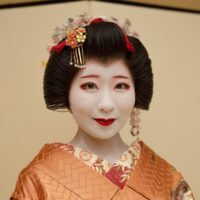
In Kyoto, the maiko-taiken (apprentice geisha experience) has existed since at least the 1990s, originally as a way for Japanese women to honor a special occasion — a wedding photo, a milestone birthday — by being dressed in elaborate maiko kimono and photographed in traditional settings. The concept spread to Tokyo and to international visitors, and today it forms a substantial part of the geisha-related tourism market.
What a typical geisha makeover includes:
- Professional kimono dressing (often a maiko-style or geisha-style ensemble)
- Wig or hairstyling
- Full traditional makeup (foundation, eyebrow, lip)
- Professional photography (studio, street, or temple)
- Optional accompaniment by a guide
What it does not include:
- A trained working geisha
- Live shamisen
- Classical dance performance
- Tatami-room banquet setting
- Kaiseki dining
Pricing for a makeover typically ranges from ¥10,000 to ¥40,000 depending on hair styling, photography, and location options.
For visitors whose primary goal is a beautiful photograph of themselves in geisha-style attire, a makeover is the right product. For visitors whose primary goal is to meet, converse with, and watch a working geisha perform, a makeover is not what they are looking for.
The two are simply different things.
Side-by-Side Comparison
| Dimension | Working Ozashiki | Geisha Makeover |
|---|---|---|
| Who is the geisha? | A trained geisha registered with her kenban (years of apprenticeship at an okiya) | The visitor, dressed and styled |
| Setting | Tatami room in a machiai-chaya or ryōtei | Photo studio (occasionally outdoor temple) |
| Music | Live shamisen by a jikata geisha | Background music or none |
| Dance | Classical Japanese dance performed by the geisha | Visitor poses for photos |
| Conversation | With the geisha (often interpreted) | With the dressing/photo staff |
| Food | Optional — kaiseki in 3-hour plans | None |
| Time | 75 minutes to 3+ hours | 60 to 120 minutes |
| Price (Tokyo) | ¥17,600 (Tea House) to ¥106,000+ (3-hour banquet) | ¥10,000 to ¥40,000 |
| What you take home | A memory of an evening | Photographs of yourself |
| Geisha actually present | Yes | No |
Both rows of the table are valid Japanese cultural experiences. They are simply answering different questions. A first-time visitor who wants both can do both — they do not compete with each other.
Reserve a Working Ozashiki (Geisha Banquet) at Miyakodori, Asakusa
Miyakodori — the only remaining machiai-chaya in Asakusa, founded in 1950 — is the Asakusa tea house that opened the door to international visitors. A working ozashiki (geisha banquet) with live shamisen, classical dance, and English support throughout. Direct booking, no introduction required.
How to Verify Before You Book
The single most reliable signal — and the one most often overlooked by foreign visitors — is the language of the booking page itself.
Words That Indicate a Working Ozashiki
If a booking page uses any of the following terms in description, it is most likely a working ozashiki:
- machiai-chaya (待合茶屋) — geisha tea house
- ryōtei (料亭) — traditional restaurant with private banquet rooms
- ozashiki (お座敷) — the room itself
- “live shamisen” or “live performance”
- “trained geisha” or “Asakusa hanamachi”
- “private tatami room”
- kaiseki (会席) — multi-course traditional cuisine
- “Q&A with the geisha”
- “Konpira Fune Fune” or other ozashiki games (these require a real geisha to play)
Words That Indicate a Makeover Experience
If the page emphasizes:
- “transformation”
- “be a geisha for a day”
- “professional photo session”
- “kimono rental + hairstyle + makeup”
- “studio with backdrops”
- “wig service”
— then the offering is most likely a geisha makeover, not an evening with a working geisha. There is nothing wrong with this. It is simply a different product.
What to Ask Directly
If the listing is ambiguous, the three most useful questions to ask before booking are:
- “Will a registered geisha from a Tokyo hanamachi be present?”
- “Is the shamisen live or recorded?”
- “Where is the venue — a tatami room, a studio, or a public hall?”
Reputable providers — of either type of experience — will answer these clearly.
A working hanamachi when no one is performing: geisha leaving an Asakusa teahouse at the end of an engagement, the shamisen case going out with them.
Why Asakusa Is Different (Working Hanamachi)
Asakusa is unique among Tokyo’s six geisha districts in three ways that matter for visitors. Before walking through them, it is worth pausing on the historical scale of the district — the kind of detail that distinguishes a district that has always been a working hanamachi from one that was rebuilt for tourism.
The Numbers and the History
The Asakusa hanamachi has been organized as a registered cultural district since the Meiji period — when most of Japan’s modern hanamachi were formalized. One specific reference point helps foreign readers calibrate what “working hanamachi” means here:
In 1969 (the late Showa boom years), the Asakusa hanamachi numbered approximately 250 active geisha, 75 active ryōtei and machiai-chaya, and 18 hakoya — the back-of-house staff who carried the shamisen boxes between engagements and managed the operational flow of the district. These figures come directly from a senior member of the Asakusa Geisha Association, who served as the hanamachi’s secretariat director for over six decades and recorded them in a 2026 Miyakodori interview. The 1969 number is given here as a peak-era reference, not as a contemporary count — but it is the documented baseline that “working hanamachi” descends from.
There is also a layer of social history worth knowing for context. In the prewar Japanese ranking system used informally to grade institutions and people — kō, otsu, hei, tei (甲・乙・丙・丁) — the working classes of the hanamachi sat low on that scale. The hakoya in particular were ranked at tei, the bottom rung. This was abolished completely after the war and has no modern equivalent, but it tells you something useful: the people who built Asakusa hanamachi as a working district were not aristocrats with leisure capital. They were people whose social standing was defined entirely by their craft, and who passed that craft forward through generations of apprentices, hakoya, and elders rather than through inheritance.
A makeover studio is, by design, not connected to any of this institutional history. A working ozashiki in Asakusa, by definition, is.
A. Miyakodori Was the First Tea House in Asakusa to Open the Door
Asakusa is often described in foreign-language guides as “the most accessible Tokyo hanamachi.” The truth is more specific. Asakusa, like every other Tokyo hanamachi, was traditionally ichigen-san okotowari — by introduction only. Most other Asakusa tea houses still maintain that rule today. The reason a foreign visitor can book Asakusa at all is that Miyakodori is the tea house that opened that door: direct booking, English support, transparent online pricing, no introduction needed. The Asakusa Geisha Association does host occasional free public performances at the Asakusa Culture Tourist Information Center, and the kenban‘s public listing supports verification — but the working tea-house side of Asakusa remained closed until Miyakodori’s approach. Other houses haven’t followed.
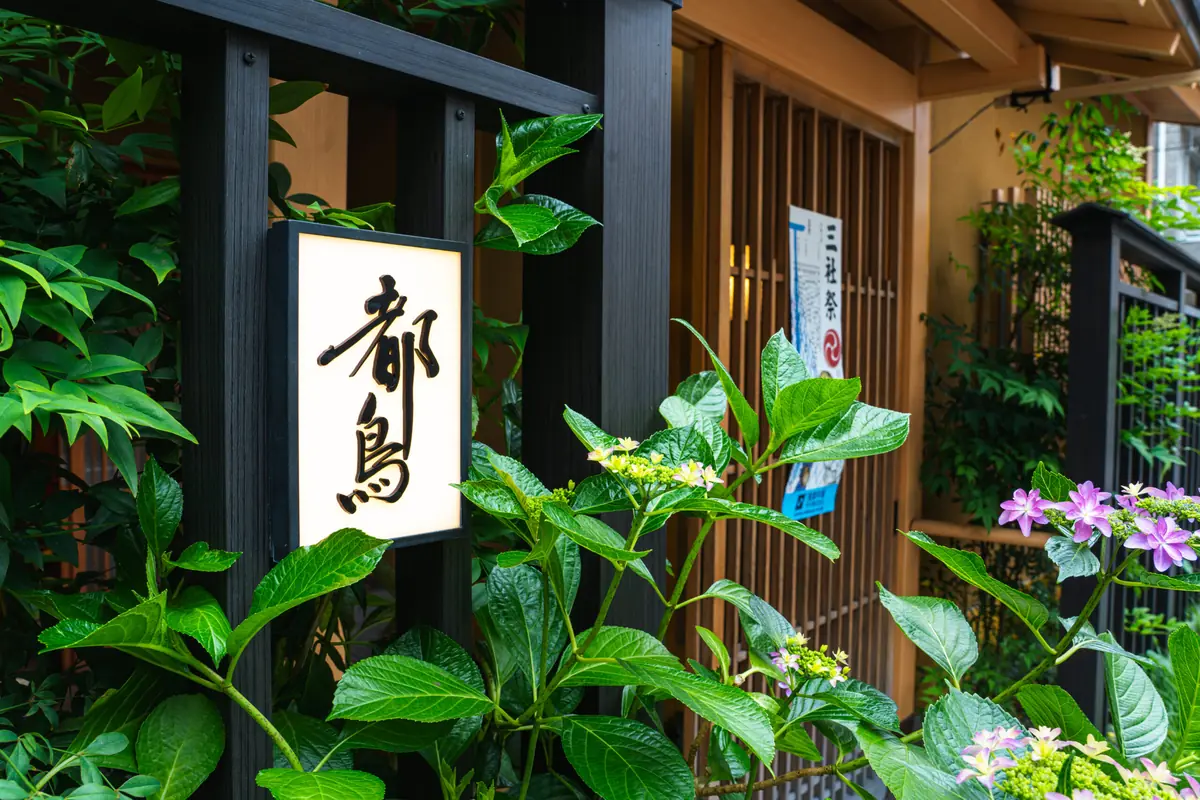
B. There Is One Remaining Machiai-chaya
A machiai-chaya is a tea house designed exclusively for hosting geisha and their patrons — meals are sourced from outside specialists, but the setting and the ozashiki are dedicated to the geisha experience. In all of Asakusa today, there is one remaining machiai-chaya: Asakusa Miyakodori, founded in 1950. This is part of why a “working ozashiki” in Asakusa is, in 2026, almost always a Miyakodori evening.
C. The Asakusa Style Is Less Formal — and Therefore Easier for Foreign Guests
Asakusa hanamachi has historically been close to the kabuki theater (which operated on the same street from the Edo period), close to the shitamachi working-class culture of east Tokyo, and close to the festivals and street life of the Senso-ji district. This means the ozashiki style of Asakusa is less formal, more conversational, and more accommodating of guests who are new to the world. It is — to use the phrase the okami uses with foreign visitors — “the easier door to walk through.”
What You Walk Into at Miyakodori
For visitors who want a working ozashiki in Tokyo, here is what an evening at Asakusa Miyakodori actually contains:
Tea House Plan (75 Minutes — Entry-Budget Option)
- A seasonal classical dance, live shamisen
- A Q&A segment with the geisha (interpreted into English)
- A full round of Konpira Fune Fune (this plan only — other games are not played)
- Matcha and seasonal sweets
- End-of-session photo time with the geisha
- ¥17,600 per person (currently offered at a special campaign price; normally ¥22,000)
This is the entry point — shared seating (you may be at the same low table as other small groups), one game, limited time for actual conversation with the geisha. It is the most affordable working ozashiki in Tokyo, and it is the right choice for visitors on a tight budget.
For most travelers planning their one definitive geisha experience, a private plan answers a different travel goal: your own ozashiki, real conversation with the geisha through the interpreter, multiple parlor games beyond just konpira fune fune, and full freedom over photos and video throughout the evening. The Tea House is the right call when budget is the deciding factor; the private plans are what the okami recommends when you want the room to belong to your party and the evening to belong to you.
Private 2-Hour Plan (Geisha Elegance — Signature)
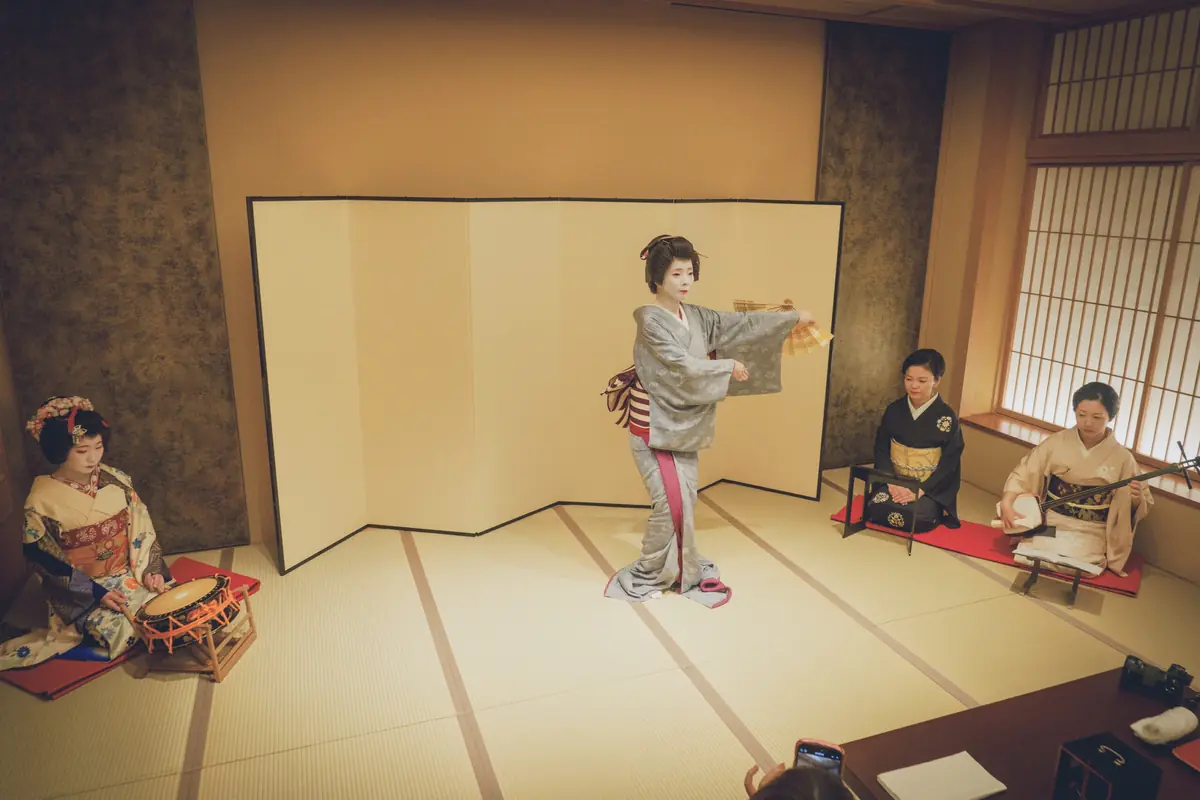
- Two geisha — one tachikata (dance) and one jikata (shamisen and song)
- A private tatami room
- Free-flowing drinks (beer, sake, soft drinks)
- Extended ozashiki games
- English interpretation throughout
- From ¥45,000 per person (group of 4+)
This is the standard “real ozashiki” evening. In the okami’s own words:
“One hour is short. To really know geisha and the world of a ryōtei, I think you need at least two hours. The variety of parlor games can be expanded. There is time for proper conversation — both directions, ours and yours. The dancing can stretch by another piece. And there is time to actually touch the instruments — the fan, the drum, the shamisen. None of that fits in sixty minutes.”
— Okami Chikage, Asakusa Miyakodori
Private 3-Hour Plan (Twilight Gathering)
- Three geisha (or more for larger groups)
- Kaiseki dinner (multi-course traditional cuisine)
- Free-flowing drinks
- The full ozashiki sequence ending in tejime (rhythmic clap)
- Evening only, minimum 2 guests
- From ¥106,000 per person (group of 4+)
This is the full traditional banquet — the form an Edo-period merchant would have recognized two centuries ago.
Frequently Asked Questions
Q: Is a “geisha makeover” the same as a “fake geisha”?
No. A geisha makeover is a legitimate Japanese cultural experience with roots in the maiko-taiken tradition that has existed in Kyoto since the 1990s. It is a different kind of experience from meeting a working geisha — but it is not fake, and the people who run reputable makeover studios are professionals at what they do.
Q: Can I do both — a makeover and a working ozashiki?
Most visitors choose one or the other — they answer different questions, and a single Tokyo trip is usually built around one specific experience. That said, we do welcome guests who rent kimono earlier in the day and come straight to Miyakodori for the ozashiki — the kimono adds beautifully to the room, and we love that arrival. So while “doing both” is not the norm, the kimono-rental + working-ozashiki sequence is a real and warmly received pattern.
Q: How do I know if the geisha I’m meeting is “real”?
The most reliable test: is she registered with one of Tokyo’s six kenban (geisha associations)? In Asakusa, you can confirm this through the Asakusa Geisha Association (asakusakenban.com). At Miyakodori, the geisha you meet are confirmed members of this association.
Q: Are there fake geisha in Tokyo?
There are non-trained performers in some “geisha-themed” tourist offerings, particularly evening dinners at restaurants where staff in costume entertain guests with simplified versions of dance and music. These are not deceptive — they are simply theatrical hospitality, similar to the costumed performers in many cultural restaurants worldwide. They are not the same as a working geisha at a machiai-chaya. The way to tell, once again, is by the booking page language and by the venue type.
Q: What if I want a geisha experience but I’m short on time in Tokyo?
The Asakusa Culture Tourist Information Center hosts free public Ozashiki Odori performances during certain seasons of the year. For a private working ozashiki, Miyakodori adapts to the time you have: the 75-minute Tea House plan (¥17,600, shared seating) is the shortest format, and the 1-hour and 2-hour private plans (from ¥34,000 and ¥45,000 respectively) fit most travel schedules. We don’t push the Tea House plan as the default for time-pressed visitors — depending on your budget and what you want from the evening, a 1-hour private plan often makes more sense than the shared Tea House format.
Q: Are Tokyo and Kyoto geisha experiences different?
Yes — substantially. Kyoto’s Gion district is internationally famous for maiko (apprentice geisha, with elaborate trailing kimono and white face makeup) and historically required an introduction for tea house visits. Tokyo’s hanamachi are populated by full geisha and hangyoku (Tokyo’s own apprentices) alike — the black formal de-no-ishō kimono is a distinct visual signature of Asakusa — and Tokyo, like Kyoto, traditionally operated by introduction. Miyakodori is the Asakusa tea house that opened that door, which is why a foreign visitor can book here directly without a referral. Both traditions are authentic; they are different shapes within the larger geisha world.
Q: Is the price of a working ozashiki “worth it” compared to a makeover?
They answer different travel goals. A makeover photograph is a beautiful souvenir of yourself in geisha-style attire; an ozashiki evening is a cultural exchange with a working geisha. Most travelers choose one or the other based on what they most want to take home — a photo, or an evening — and a single Tokyo trip is usually built around one of the two.
Booking & Final Note
The core argument of this article can be summarized in one sentence: the phrase “geisha experience” describes two different things, both legitimate, and you should know which one you’re booking before you commit.
If your goal is a photograph of yourself transformed into a geisha-style figure, look for studios that specialize in maiko-taiken or geisha makeover services. Many are excellent at what they do.
If your goal is an evening with a working Tokyo geisha — live shamisen, classical dance, conversation in a tatami room — look for a machiai-chaya or ryōtei with registered hanamachi geisha. In Asakusa, the entry-budget Tea House plan at Miyakodori (¥17,600, 75 minutes, shared seating) is the most affordable option. For most travelers, the okami’s recommendation is one of the private plans — 1, 2, or 3 hours, where the room is yours alone, the geisha calibrate the evening to your party, and (in the 3-hour plan) kaiseki is included.
Either way, you are participating in a real Japanese tradition. Just know which one.
Reserve a Working Ozashiki (Geisha Banquet) at Asakusa Miyakodori
Miyakodori — Asakusa’s only remaining machiai-chaya, founded in 1950 — is the working geisha tea house that opened the door to international visitors. An authentic ozashiki (geisha banquet) with live shamisen, classical dance, parlor games, and English support throughout. Direct booking — no introduction required.
Sources & References
- Asakusa Geisha Association (Asakusa Kenban): https://asakusakenban.com/ — registered hanamachi association for verifying working geisha membership
- Asakusa Miyakodori Official Website: https://en.miyakodori-geisha.com/
- Okami Chikage interview, Miyakodori, December 2025 — minimum two-hour plan recommendation
- Senior member of the Asakusa Geisha Association (former secretariat director, ~60 years in the hanamachi), May 2026 — 1969 baseline figures (~250 geisha / 75 ryōtei-machiai / 18 hakoya) and prewar kō-otsu-hei-tei social ranking context
- Maiko-taiken tradition origin in Kyoto (1990s) — public reference; this article does not represent any single makeover provider
- Asakusa hanamachi historical context — public-domain reference (Edo-period beginnings, kabuki connection, shitamachi culture)
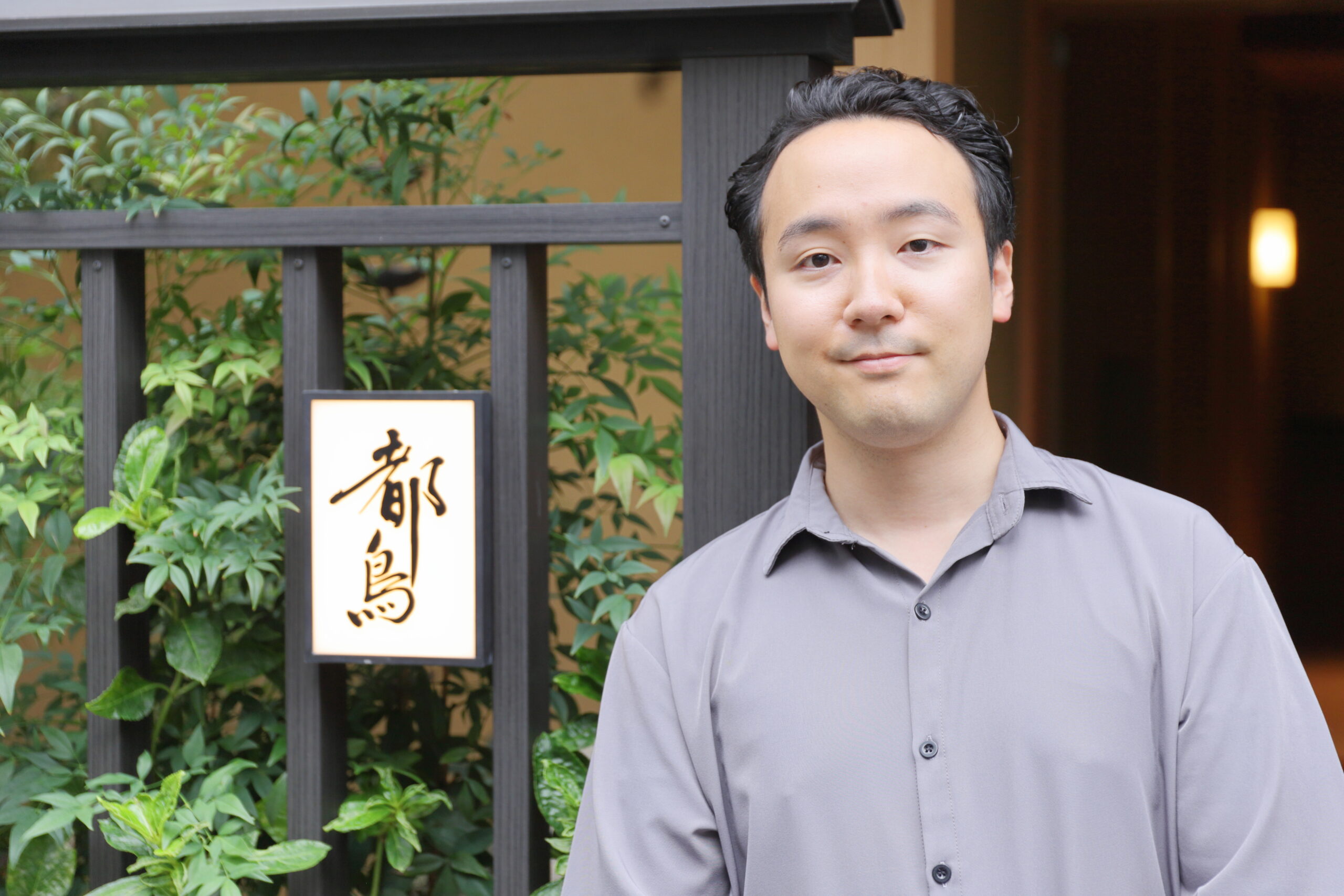


- Real Geisha Stories: Tokyo — Komaaki, Chino & Chizuru of Asakusa
- What is a Geisha House? An Ultimate Guide to the World of Okiya and Ochaya (2026 Edition)
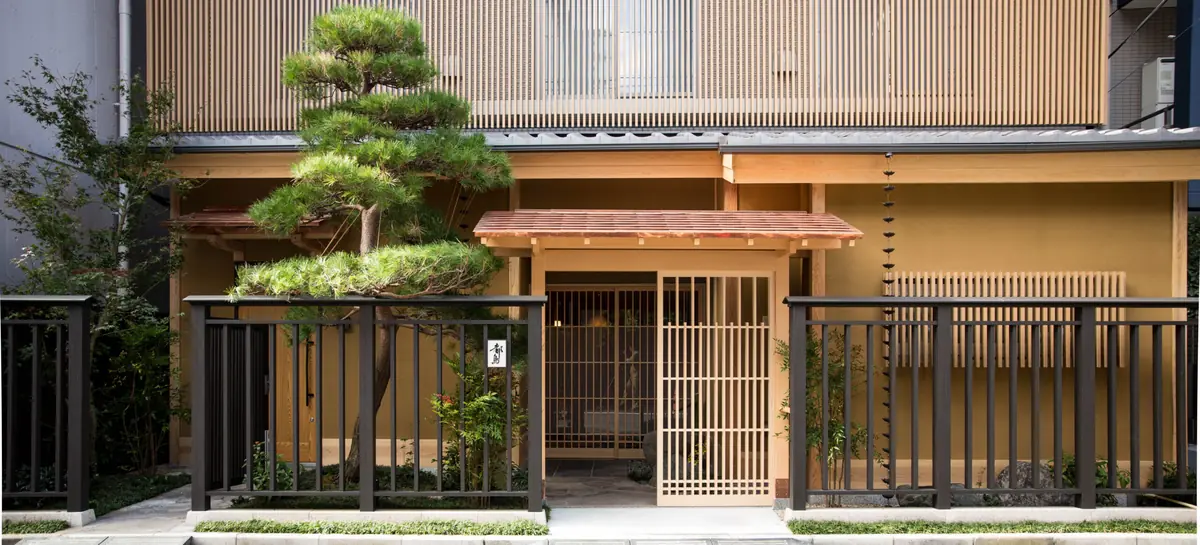
What is a Geisha House? An Ultimate Guide to the World of Okiya and Ochaya (2026 Edition)
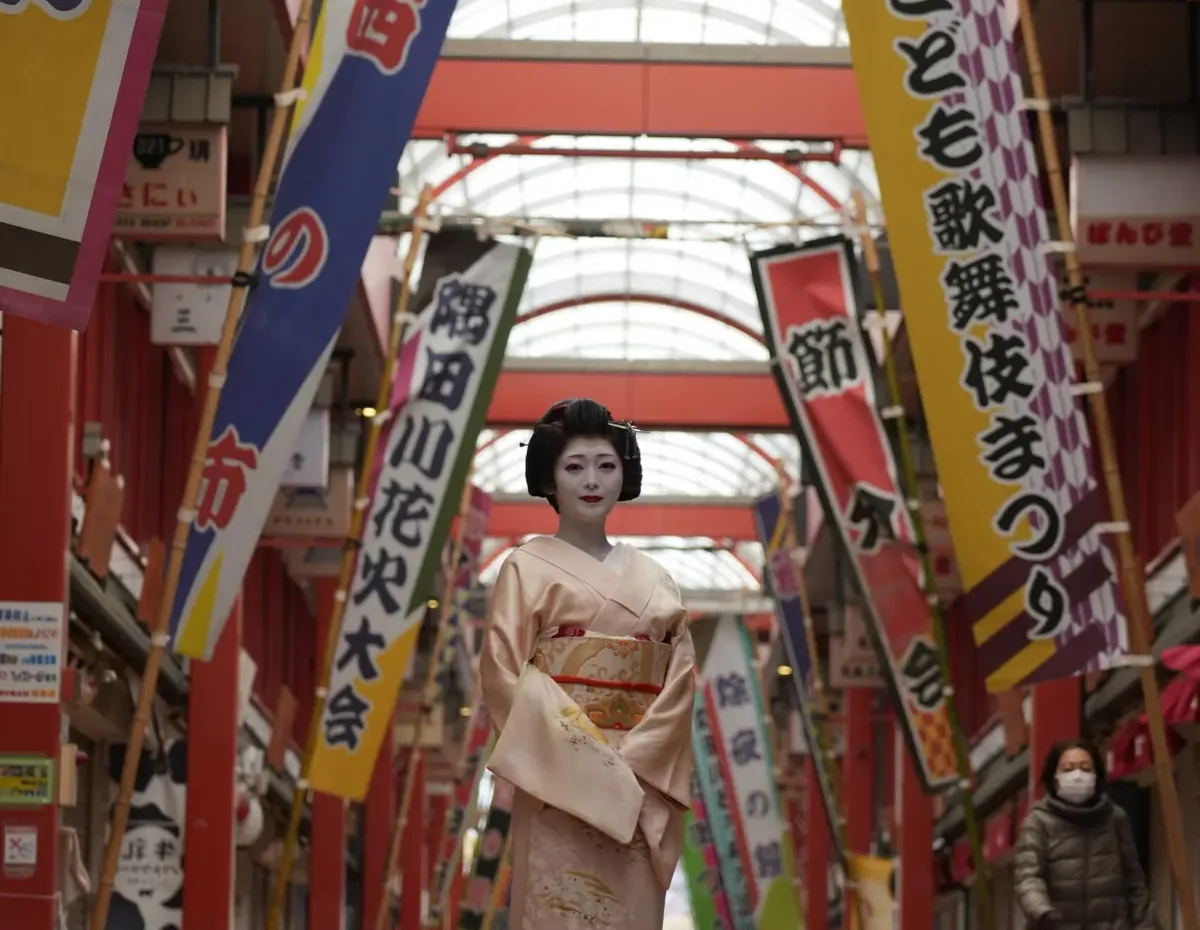
The Ultimate Guide to Geisha Districts in Tokyo
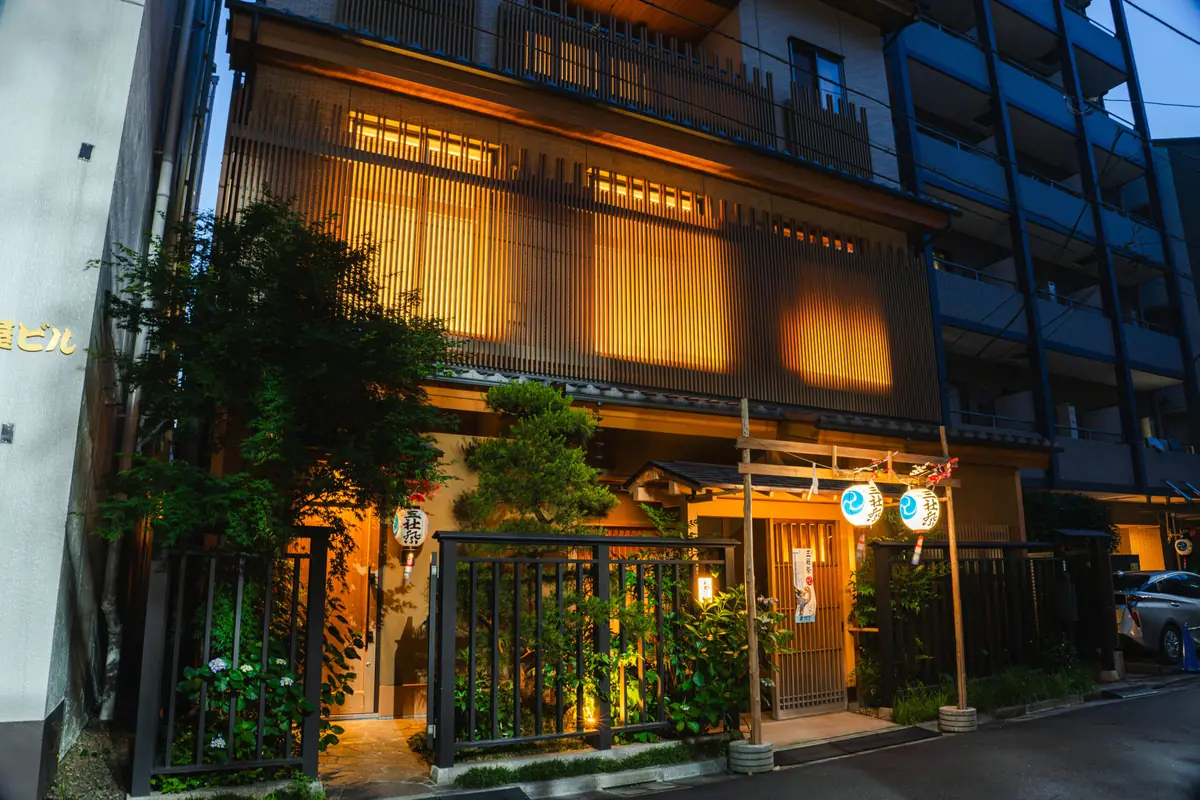
Geisha Restaurant Near Me in Tokyo: Authentic Ozashiki at Miyakodori Asakusa
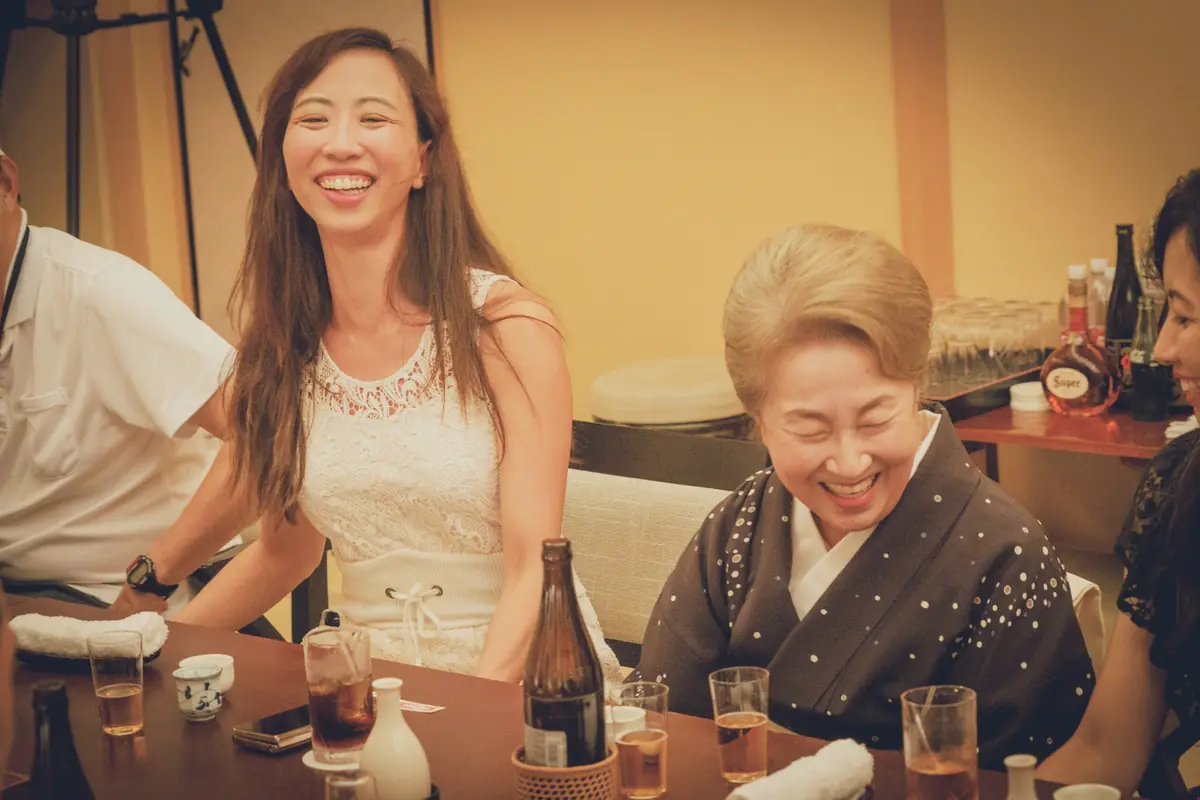
How Long Is a Geisha Experience? (Tokyo Ozashiki Guide)
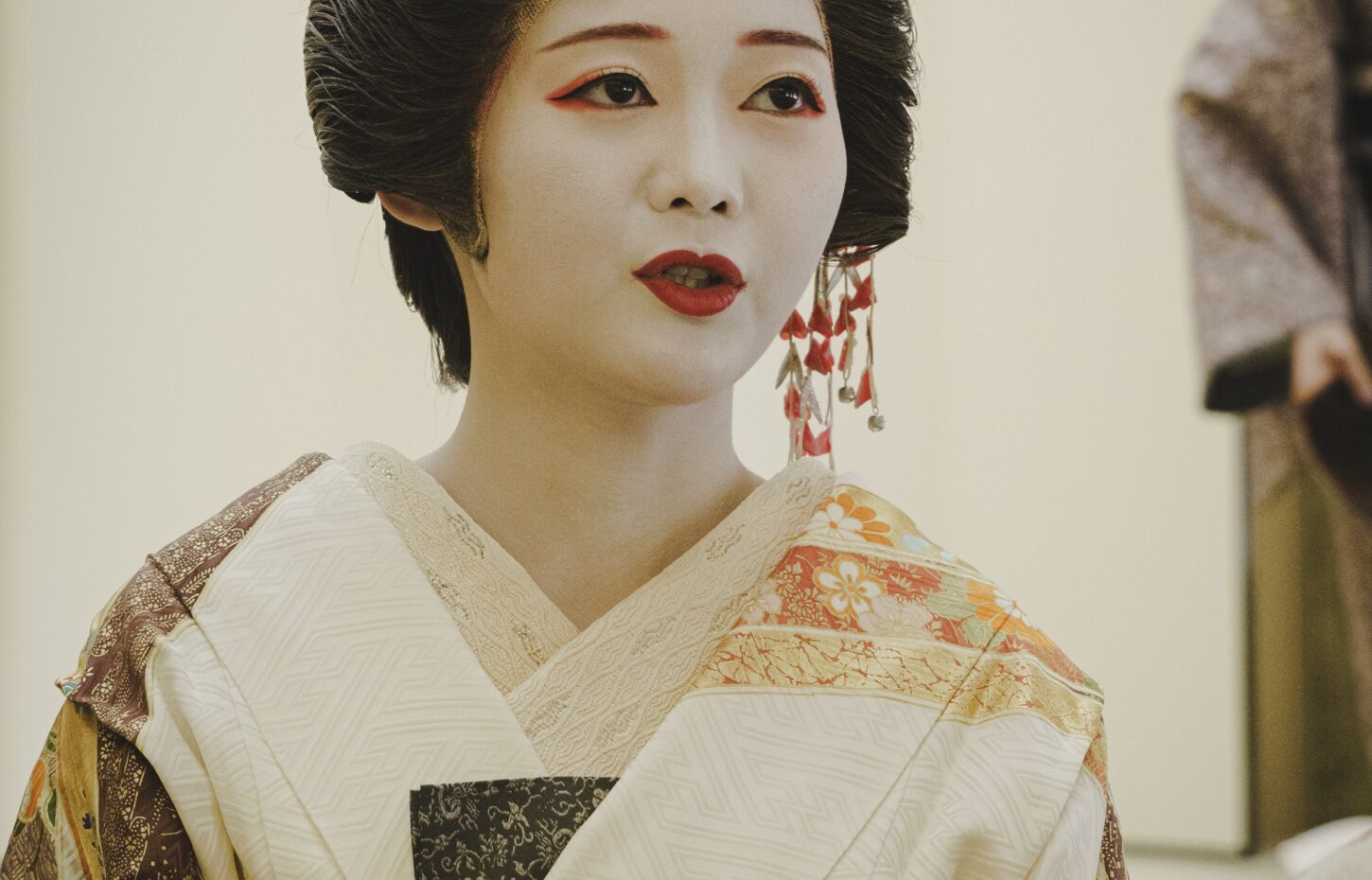
Authentic Geisha Outfit Guide: Traditional Japan Costume Arts
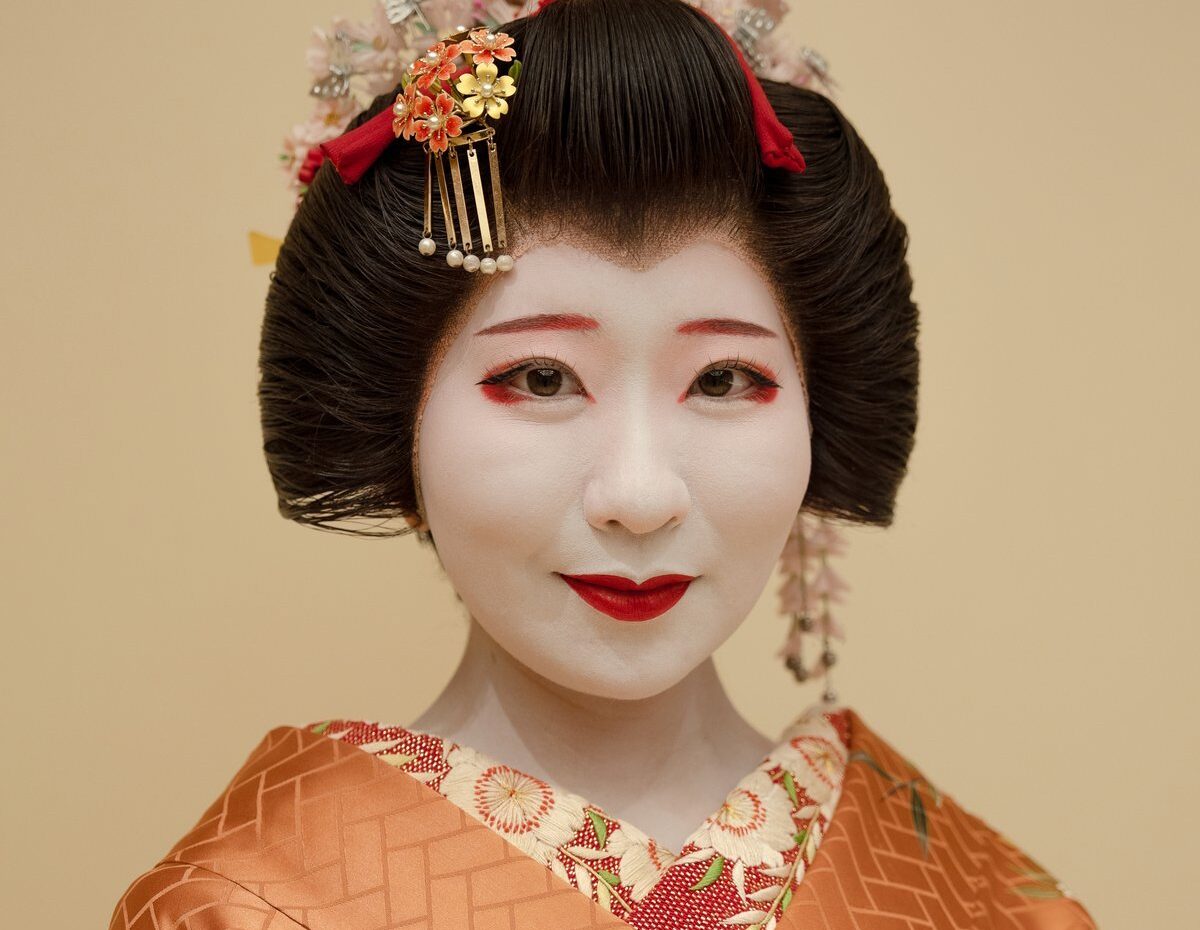
Geisha Hairstyles: Nihongami, Wigs, and What Asakusa Geisha Wear Today
Comment ( 0 )
Trackbacks are closed.
No comments yet.