



UNLOCKING THE SECRETS OF OZASHIKI GAMES: TRADITIONAL GEISHA PLAY
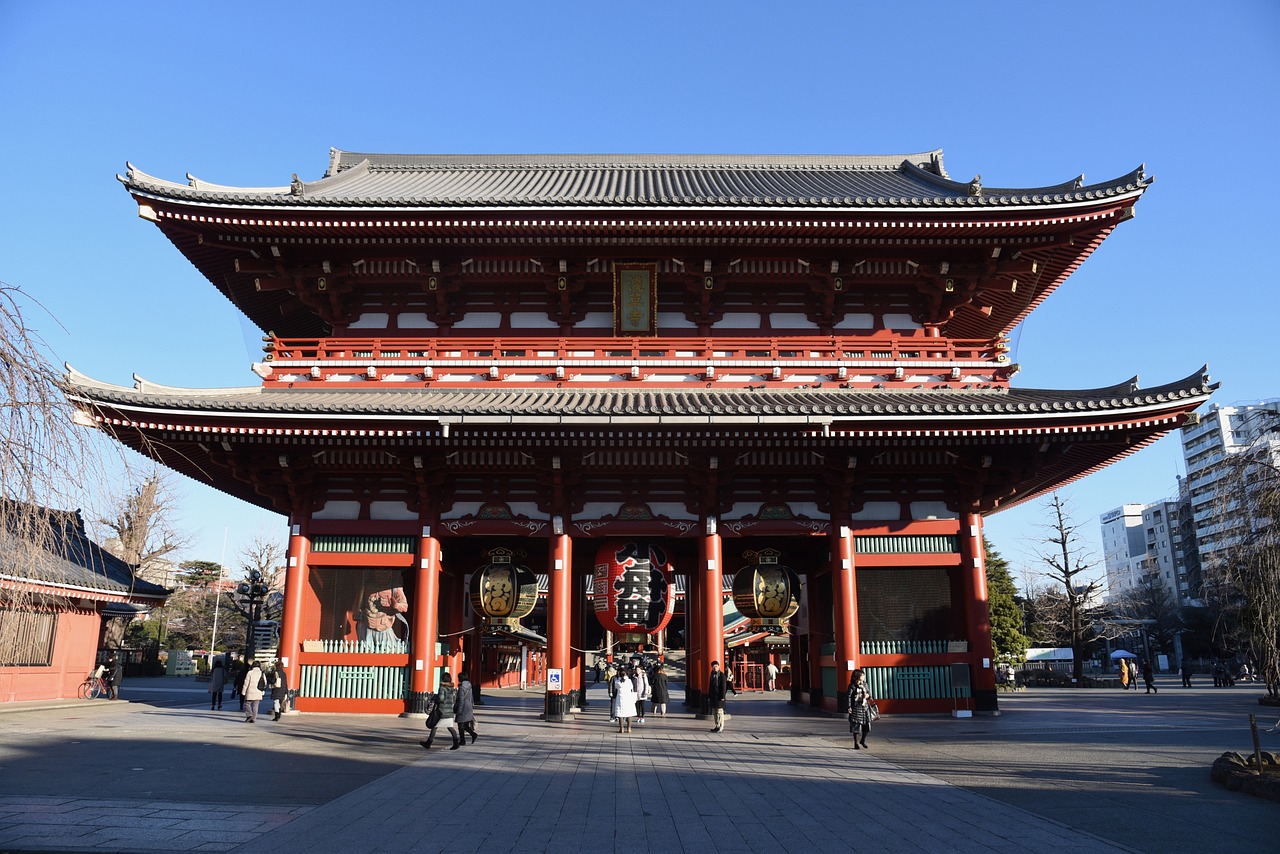
Walking through the narrow streets of Asakusa feels like stepping back into the Edo period. The scent of incense from Senso-ji Temple lingers in the air, and the distant sound of a wooden shutter closing reminds you that this city has a heart that has beaten for over four hundred years. For many travelers from the United States, Japan is a land of neon lights and high-tech gadgets, but there is a deeper, more quiet world that exists just behind the paper sliding doors of a traditional banquet. This is the world of the geisha and the ancient art of ozashiki asobi. If you have ever wondered what happens inside those exclusive tea houses or how to participate in a culture that values privacy and tradition above all else, you are in the right place today. In this blog, we are going to explore the games, the music, and the refined hospitality that define the geisha experience in Tokyo.
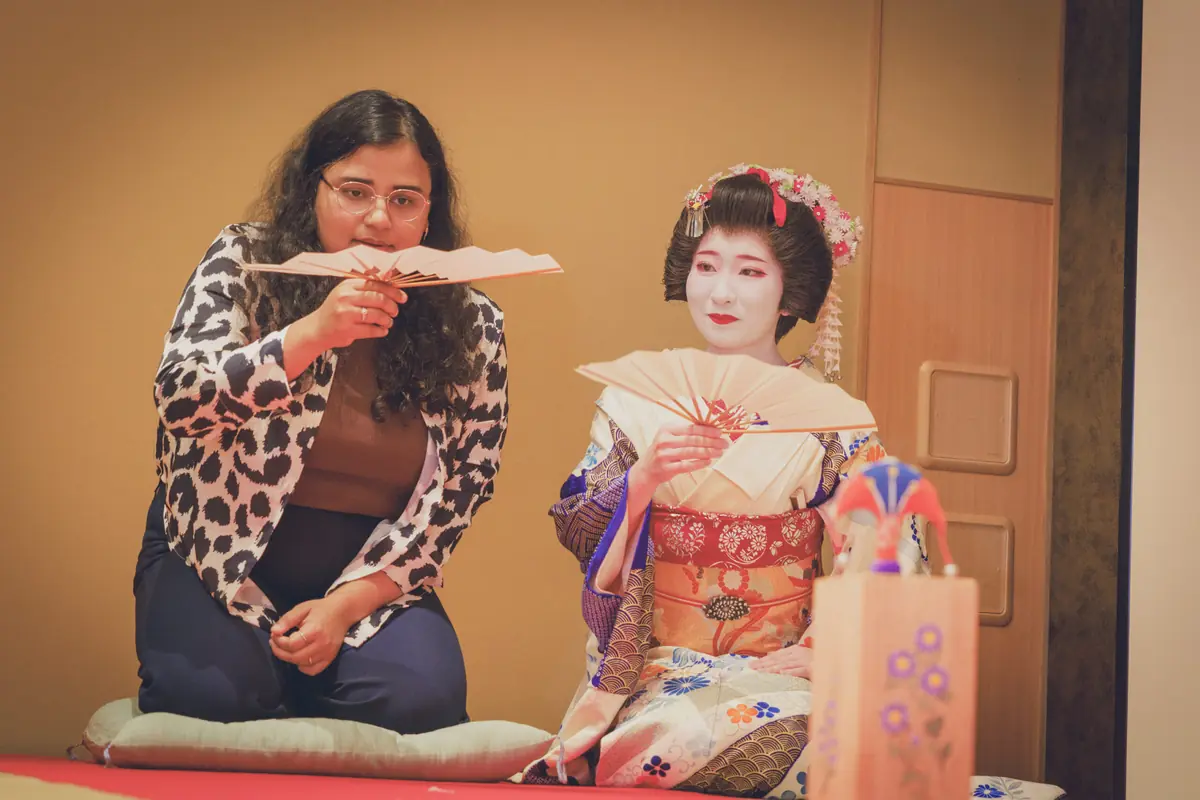
A third game, beyond the two above: tosenkyo, where a folded fan is thrown at a target and every landing position scores differently. The points appear on screen as they are called.
WHAT IS OZASHIKI ASOBI? THE ART OF GEISHA ENTERTAINMENT
In Japanese, ozashiki refers to a traditional room with tatami mat flooring, and asobi simply means play or entertainment. However, this is not the kind of play you find in a sports arena or a video game parlor. These games are played with the guests and the geisha, and involve gestures and movement.
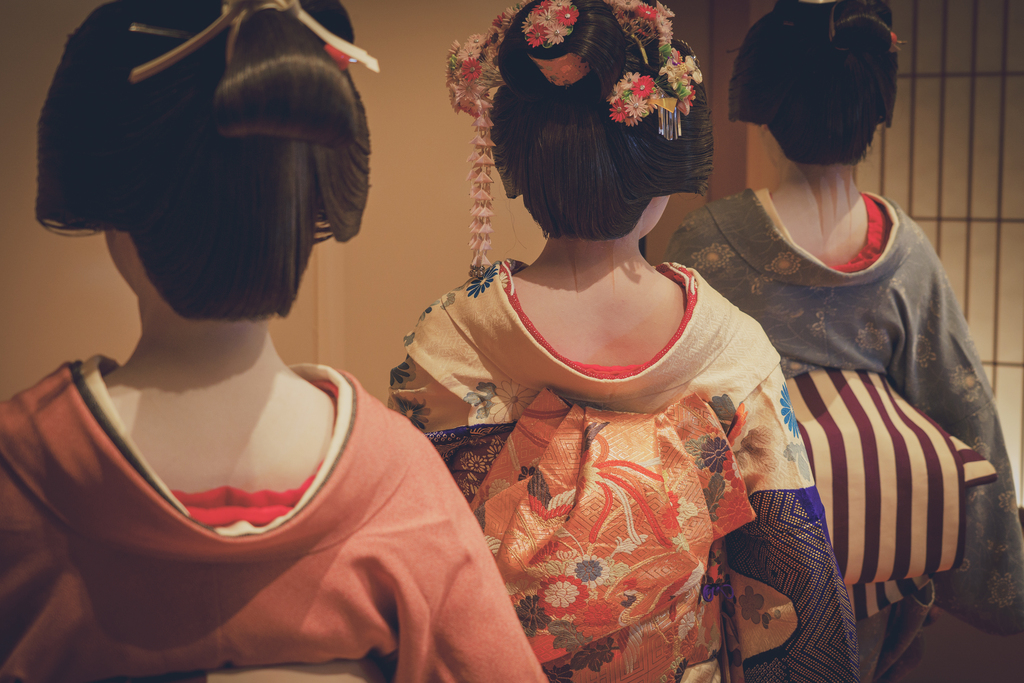
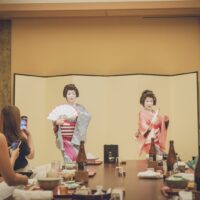
A geisha is a master of conversation, music, and dance. When you book a session at a traditional restaurant, or ryotei, you are entering a space where time slows down. The geisha, or geiko as they are called in Kyoto, use these games to break the ice and build a bridge between themselves and their guests. It is a way to share a laugh, enjoy a drink of sake, and experience a moment of genuine human connection that transcends language barriers. Unlike the formal atmosphere of a business meeting, these games are designed to be lighthearted and fun, ensuring that every person in the room feels included in the festivities.
POPULAR GEISHA GAMES YOU MUST TRY: KONPIRA FUNE FUNE AND TORA TORA
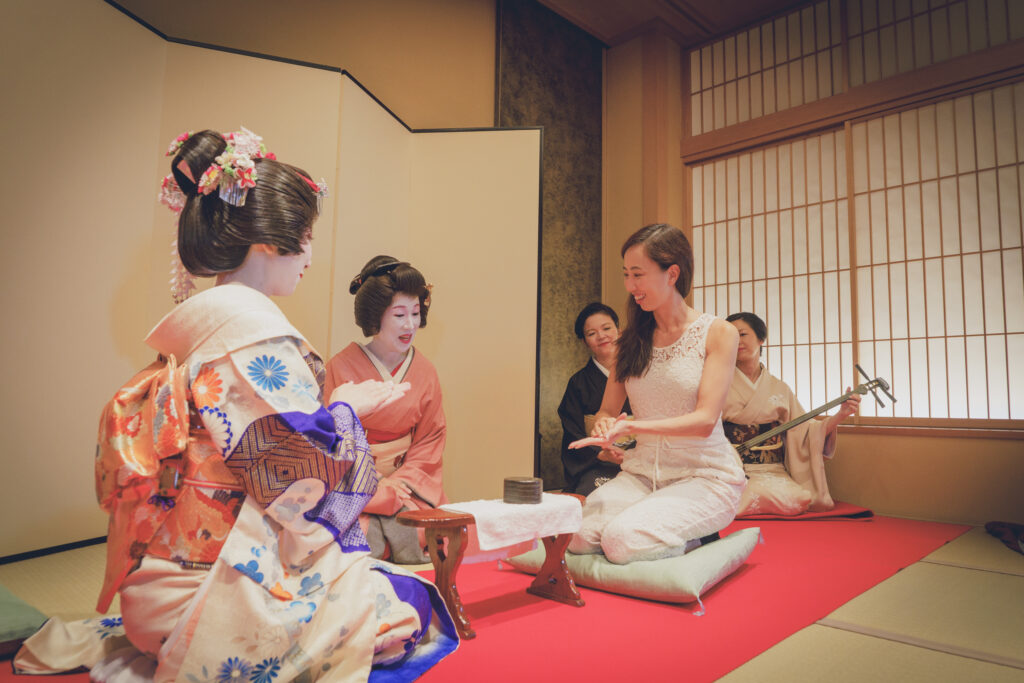
When the shamisen starts to play and the rhythm picks up, the games begin. There are many types of games, but two stand out as the most iconic experiences for any visitor.
The first is Konpira Fune Fune.
This game is played between a guest and a geisha, usually sitting across from each other with a small wooden hakama set on a kyōsoku armrest between them. The song itself is a folk tune about a ship sailing to a famous shrine. As the music plays, the players take turns placing their hands on the cup. If the player picks up the cup, the other must place a fist on the table. If the cup stays on the table, the other must place an open hand on top of it. It sounds simple, but as the tempo of the shamisen increases, the pressure builds. One wrong move, and the game is over. It is a test of reflexes, rhythm, and focus.
The second legendary game is Tora Tora.
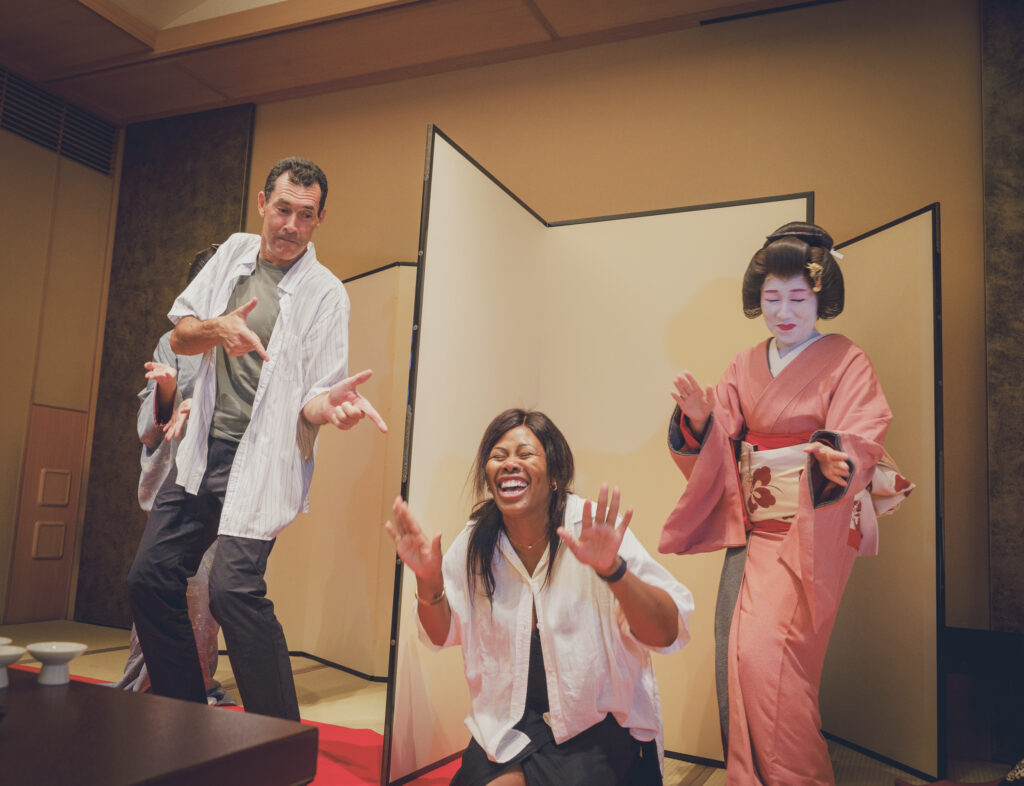
This is essentially a full-body version of rock-paper-scissors based on a story from a play. The players stand on opposite sides of a folding screen so they cannot see each other. They perform a specific dance move representing one of three characters: the Tiger, the Old Woman (the mother of the hero Watonai), or the Samurai (Watonai himself). According to the rules of the story, the Samurai beats the Tiger, the Tiger beats the Old Woman, and the Old Woman beats the Samurai because she is his mother. When the music stops, both players jump out from behind the screen in their chosen pose. The winner is determined by the character they chose, and the loser usually has to celebrate the victory by taking a small drink.
STEP BY STEP RULES: HOW TO PLAY AND WIN OR LOSE GRACEFULLY
Participating in these games requires no prior knowledge, but knowing the basic etiquette will make your experience much more enjoyable. The geisha are experts at guiding beginners, so do not feel intimidated if you have never tried the games before.
For Konpira Fune Fune:
- Face your opponent with the cup between you.
- Follow the beat of the song. The rhythm is key.
- Use a flat palm when the cup is there and a fist when the cup is gone. Use your hands with grace and speed.
- If you miss a beat or make the wrong hand gesture, you are the loser of that round.
For Tora Tora:
- Wait for your queue to choose a pose and step forward.
- The Tiger pose involves putting your hands out like claws.
- The Old Woman pose involves leaning on an imaginary cane.
- The Samurai pose involves a strong stance with an imaginary spear.
- Watch the geisha carefully; she will show you the poses before the game starts.
Winning a game is a badge of honor, but losing is often more fun. In the world of ozashiki, the loser is expected to take a penalty drink, known as bappai. This is not about getting drunk; it is about the spirit of the banquet. The geisha will pour the sake with such grace that even losing feels like a privilege. It is all part of the hospitality that makes a night in Asakusa so special.
THE ROLE OF SAKE AND SONGS IN JAPANESE DRINKING GAMES
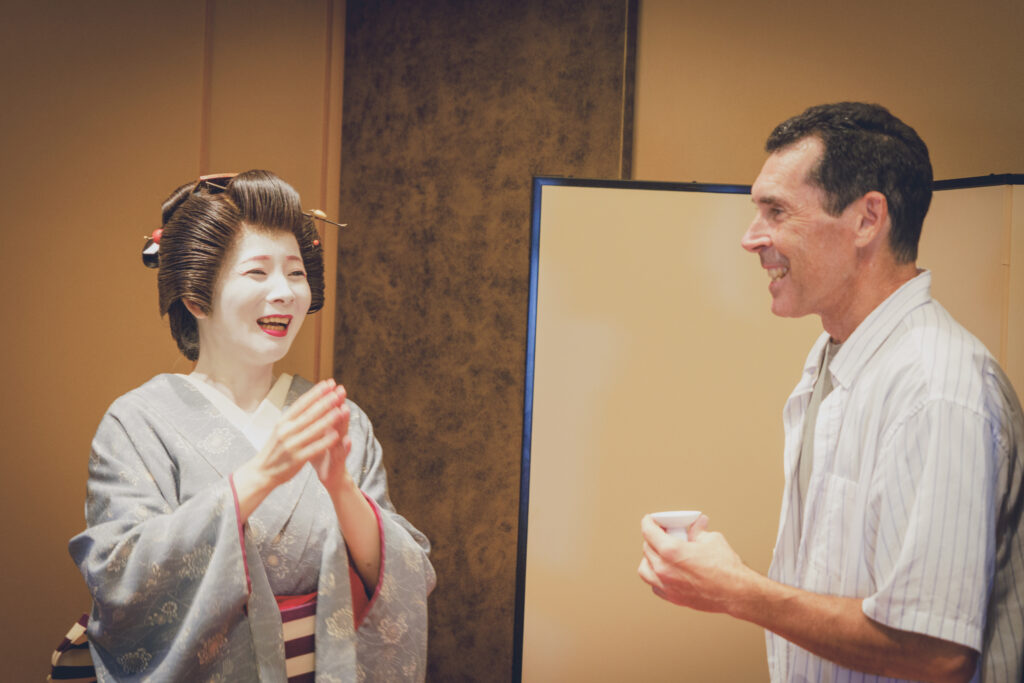
You cannot have a geisha party without music and drink. The shamisen, a three-stringed instrument, provides the heartbeat of the evening. The songs are often traditional folk melodies that tell stories of local history, nature, or famous legends. These songs are not just background noise; they dictate the pace of the games and the energy of the room. When you search for the lyrics later, you will realize how much depth is hidden in these simple tunes.
Sake plays a central role as a social lubricant. In Japanese culture, pouring a drink for someone else is a sign of respect and friendship. The geisha will ensure your cup is never empty, and in return, you may offer to pour for them as well. This back-and-forth interaction creates an atmosphere of mutual respect. It is important to remember that while these are drinking games, the goal is not intoxication but rather the enjoyment of the moment and the appreciation of the flavors of the seasonal sake selected by the ryotei. Be careful not to finish your drink if you do not want it to be refilled.
HOW TO EXPERIENCE GEISHA GAMES IN TOKYO: ASAKUSA MIYAKODORI
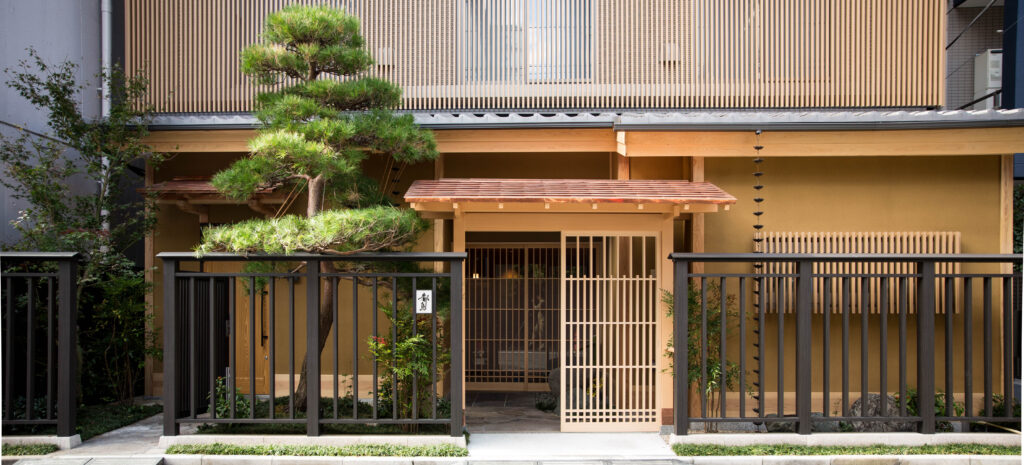
If you are looking for an authentic experience in Tokyo, Asakusa is the place to be. While areas like Shimbashi or Akasaka have their own geisha traditions, Asakusa is known as an open hanamachi. The word hana means flower, and this flower district has always been a place where people from all walks of life, from merchants to international clients, have been welcomed to enjoy the culture.
Asakusa Miyakodori is a historic establishment founded in 1950. It is unique because it maintains the tradition of the machiai-chaya, a type of tea house specifically designed for meeting and playing with geisha. Located behind the famous Senso-ji Temple, Miyakodori offers a sanctuary from the modern world. Here, you can enjoy high-quality kaiseki cuisine, which is a multi-course dinner that uses the freshest seasonal items to represent the beauty of Japan’s four seasons on a plate.
The geisha at Miyakodori have undergone rigorous training in dance, music, and the art of conversation. They are the guardians of a culture that dates back to the Edo period, yet they are skilled at making modern guests feel at home. Whether you are hosting important clients for a business dinner or celebrating a special anniversary with family, Miyakodori provides private rooms where your privacy is guaranteed and your experience is personalized.
BOOKING AND ETIQUETTE FOR YOUR GEISHA TOUR
Booking an evening with a geisha can seem complicated, but Miyakodori makes it accessible for international visitors. We offer options that cater to specific needs, such as halal-friendly dishes, ensuring that everyone can participate in this cultural treasure.
When you attend an ozashiki, keep these tips in mind:
- Dress appropriately. While formal wear is not required, dressing neatly shows respect for the tradition and the performers.
- Be punctual. Japanese culture values time, and your dinner will be timed to ensure the food is served at its peak flavor.
- Enjoy the performance. It is okay to take photos if you ask first, but remember to be present and engage with the geisha.
- Respect the terms and policy of the house. Privacy is a major part of the appeal of these venues, so follow any rules regarding photography or recording that the staff provides.
Q&A: FREQUENTLY ASKED QUESTIONS ABOUT GEISHA GAMES
Question: How many minutes does a typical game last?
Answer: Each round of games like Konpira Fune Fune or Tora Tora usually lasts only a few minutes, but the energy and laughter they create can fill the entire evening. The quick pace is part of the fun!
Question: Can I record a video of the performance?
Answer: Every house has its own rules. Generally, at Miyakodori, you can take a short video or photos for your personal memories if you ask the geisha for permission first. However, please be mindful of the privacy of other guests.
Question: What is the meaning behind the name of the games?
Answer: Most names refer to the lyrics or the story being told. For example, funefune refers to the ship in the song. Each movement of the hands corresponds to the story.
Question: I found this place through an online search; how do I know it is authentic?
Answer: Asakusa Miyakodori is a registered member of the Asakusa Kenban, which is the official office that manages geisha in the district. This ensures you are experiencing the real tradition, not a tourist trap.
Question: What are the search tags I should look for to find more information?
Answer: You can use tags like asakusa geisha, ozashiki asobi, and Miyakodori to find more reviews and historical context before you book.
Question: What is the house policy on cancellations?
Answer: Because kaiseki meals involve fresh seasonal items prepared specifically for you, most ryotei have a strict cancellation policy. It is best to confirm your plans at least a week in advance to ensure everything is perfect for your banquet.
CONCLUSION: A MEMORY THAT LASTS A LIFETIME
An evening spent playing games with geisha in Asakusa is a journey into the heart of Japanese history. It is a chance to see the skill of the samurai reflected in a dance, to hear the echoes of ancient Edo in the notes of a shamisen, and to feel the warmth of Japanese hospitality in every cup of sake. Asakusa Miyakodori stands as a bridge between the past and the present, waiting to welcome you into this hidden world.
Are you ready to experience the true spirit of Tokyo? We invite you to read more about our specific courses and discover the magic of the geisha. Whether it is your first time in Japan or your tenth, a night at Miyakodori will be a memory you cherish forever. Take your turn to step into a world of tradition today.
Footnotes:
- PR Times: About the Ozashiki Chaya Tradition. https://prtimes.jp/main/html/rd/p/000000001.000165250.html
- Asakusa Tourism Federation: Introduction to Miyakodori. https://asakusa.gr.jp/jp/?p=385
- Tokyo Metropolitan Government: Cultural Preservation of Geisha. https://www.my.metro.tokyo.lg.jp/w/000-20240711-43128106
- Asakusa Kenban: The Official Site for Asakusa Geisha. https://asakusakenban.com/
Experience graceful performances, warm hospitality, and a timeless atmosphere where Japan’s living traditions come to life.
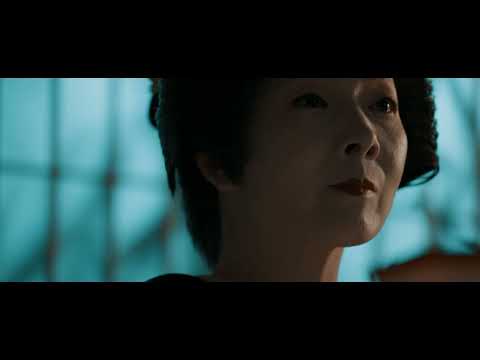
- Private Ozashiki: An intimate, refined encounter with authentic Asakusa geisha.
- Traditional Geisha Artistry: Elegant dance, live shamisen music, and interactive ozashiki games.
- Historic Machiai-chaya Setting: A sophisticated cultural experience in a traditional machiai-chaya setting.
- English Support Available: Assistance for international guests throughout your visit.


- Is Memoirs of a Geisha a True Story? What Real Geisha Are Like
- How Many Geisha are Left in Japan? 2026 Numbers by City
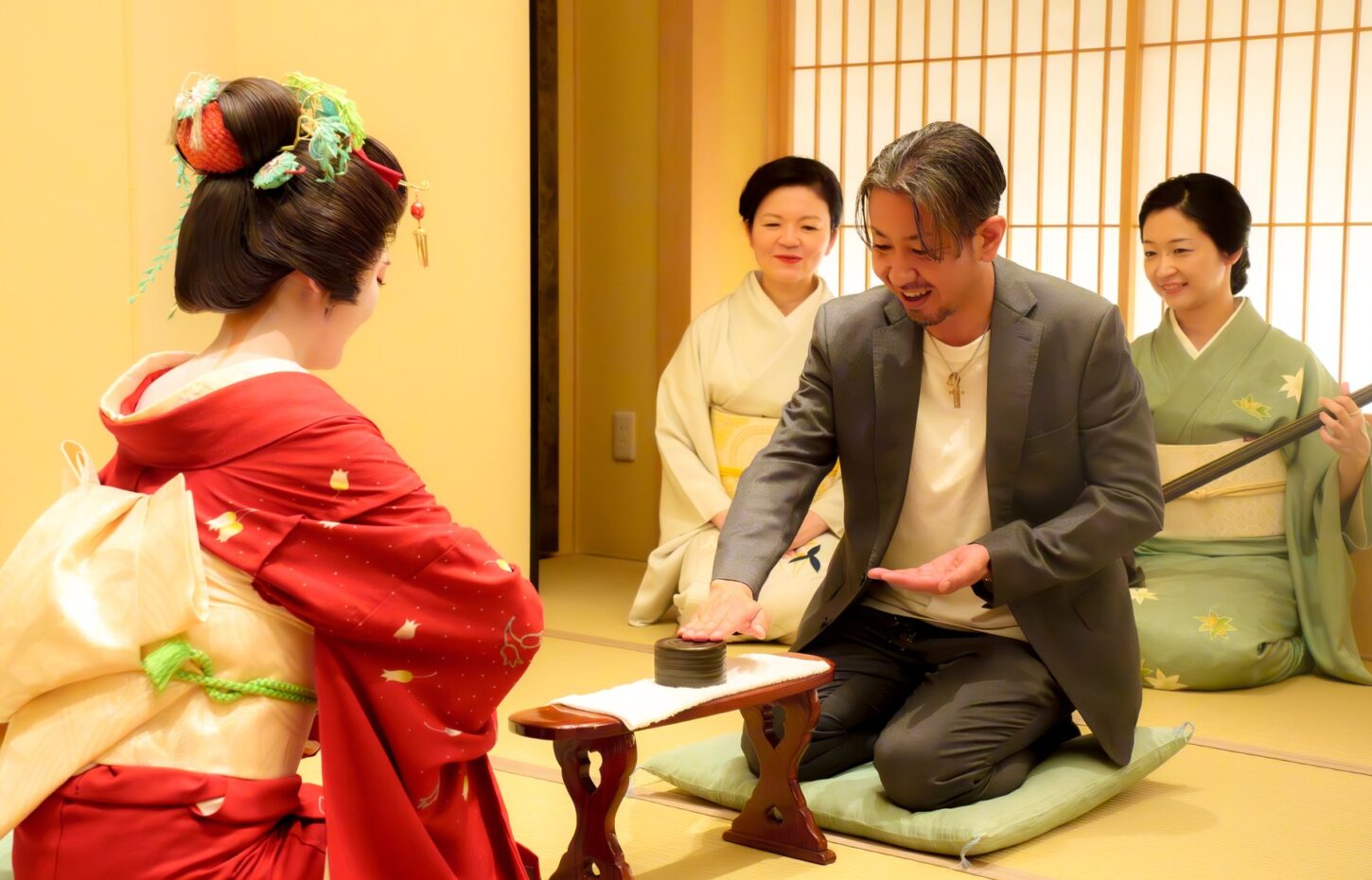
Ozashiki Games: A Complete Catalog & Rules
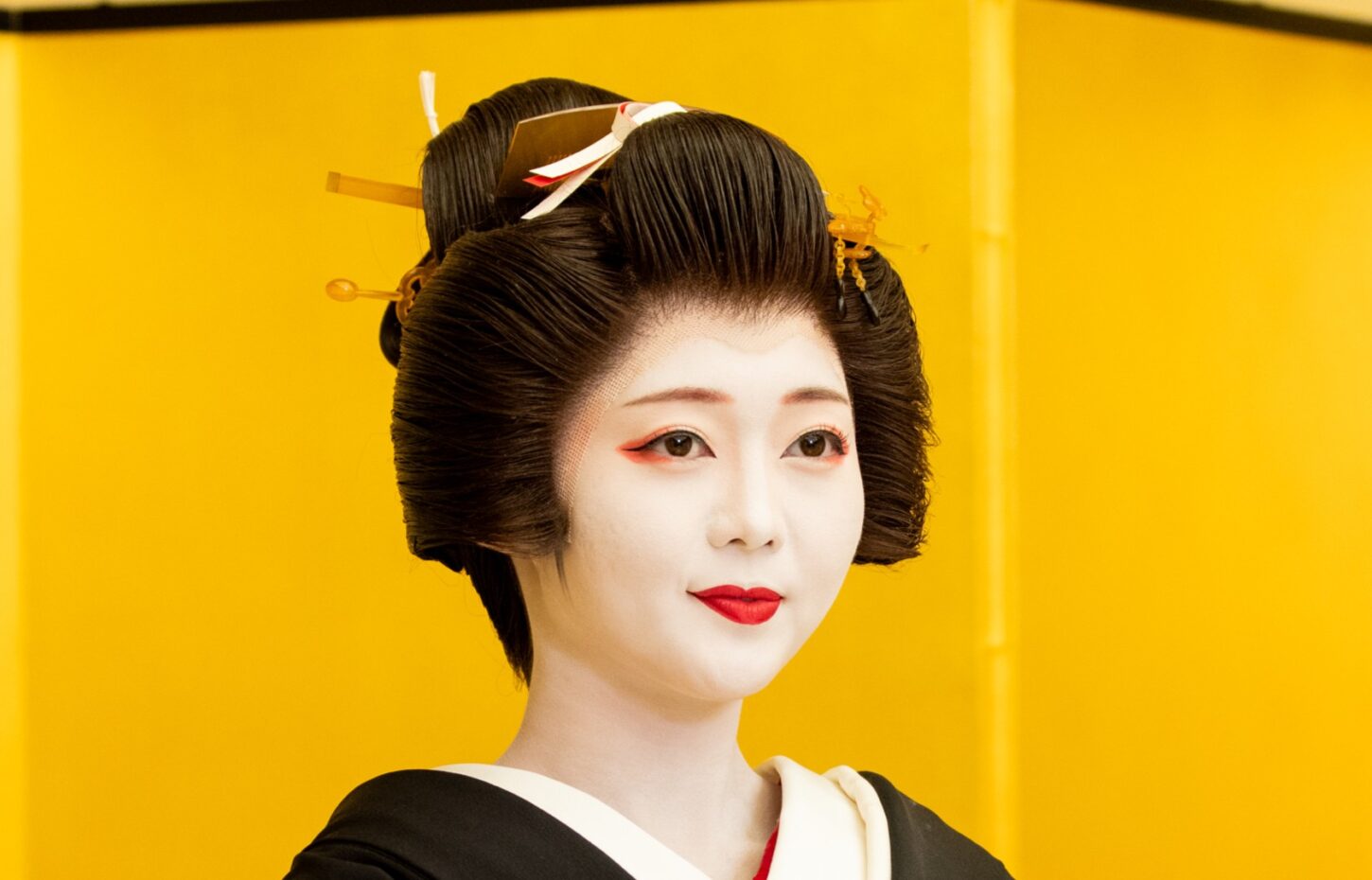
Geisha Pictures: A Comprehensive Visual Guide and Stock Photo Resources
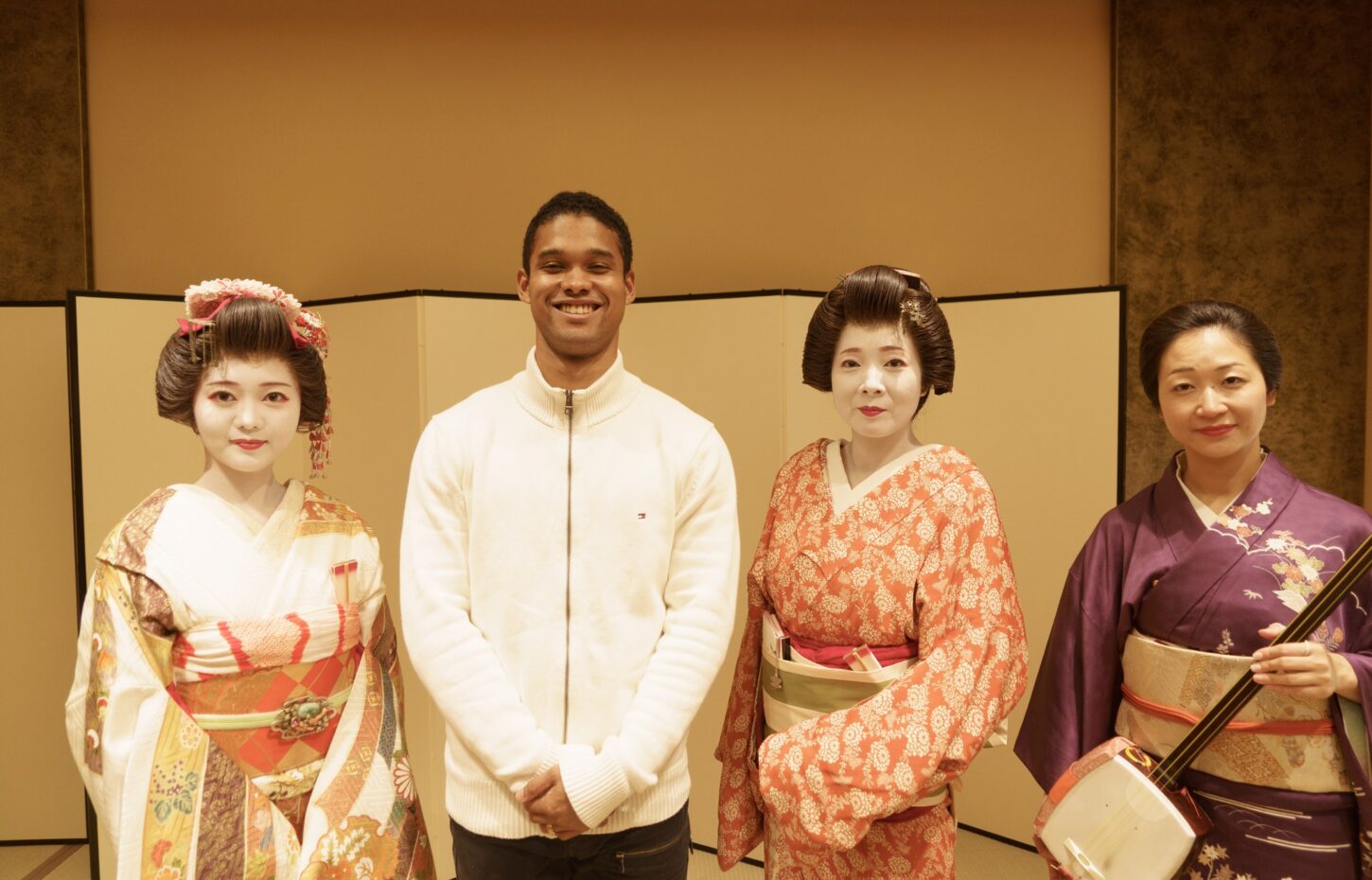
Tokyo Experience Gifts: Unforgettable Cultural Gift Ideas in Japan
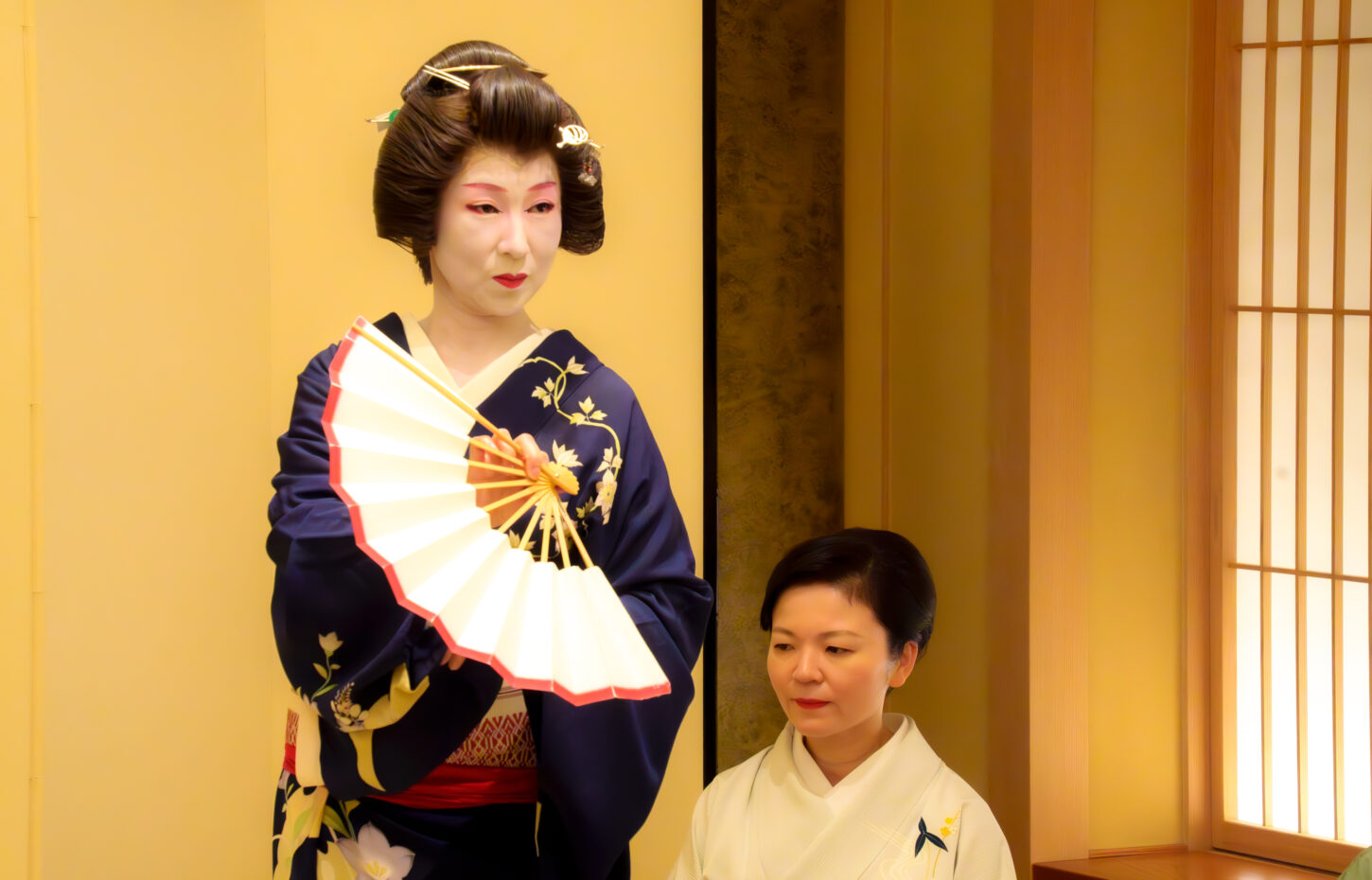
The Real Meaning of Geisha in Japan: History, Life, and Modern Traditions
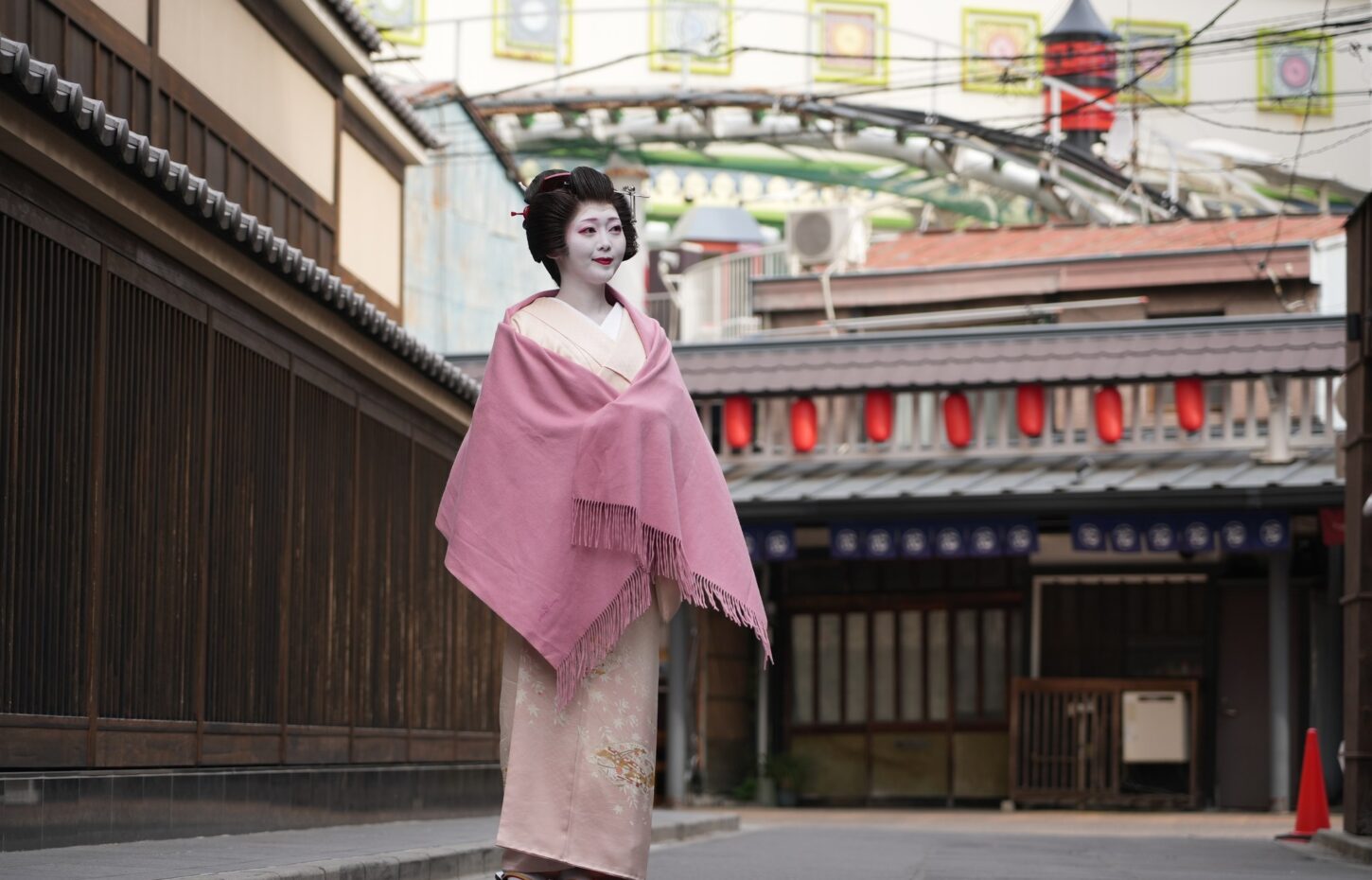
Karyukai: The Flower and Willow World of Geisha — Japan’s Geisha Culture Explained
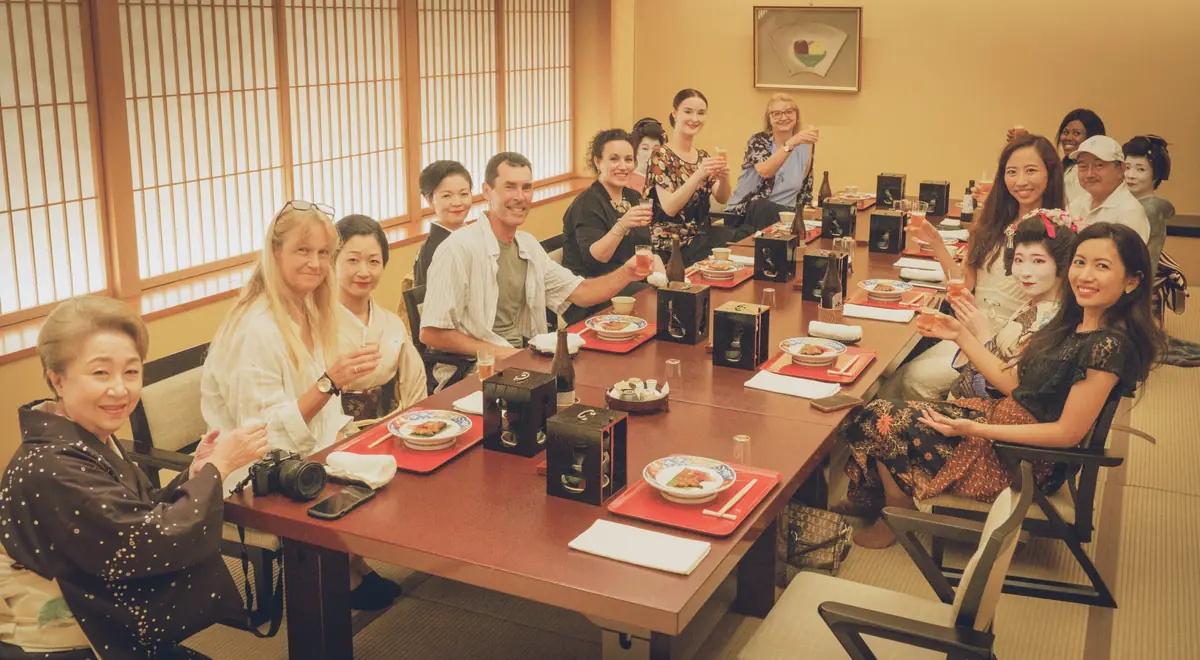
The Ultimate Guide to Geisha Dinner in Tokyo: Experience Authentic Japanese Culture, Cuisine, and Entertainment in 2026
Comment ( 0 )
Trackbacks are closed.

No comments yet.