



The Ultimate Guide to the Tokyo Geisha Experience in 2026: History, Culture, and How to Book Authentic Ozashiki Encounters
Welcome to the hidden world of the Karyukai, meaning the “Flower and Willow World.”
If you are planning a trip to Japan in 2026, there is one cultural encounter that stands above the rest in terms of mystique, elegance, and pure traditional artistry: the geisha experience. Since 2024, interest in these traditions has surged, yet they remain a pristine example of Japanese high culture. For centuries, geisha have captivated the imagination of the world, serving as the guardians of Japanese traditional arts, fashion, and hospitality [1].
While the cobbled streets of Kyoto often come to mind when one hears the word “geisha,” the capital city of Tokyo boasts a vibrant, distinct, and historically rich geisha culture that is thriving today. In fact, the Tokyo geisha are historically known for their “iki” (chic, stylish, and spirited) aesthetic, and they offer a unique window into the samurai and merchant culture of the Edo period [3].
However, for many international visitors, accessing this world feels impossible. The phrase “Ichigensan Okotowari” (first-time customers refused) has long barred entry to exclusive teahouses.
This guide will help you navigate the options available nowadays. Let’s start by defining what a true geisha experience entails in order to understand the difference between a tourist trap and a genuine cultural exchange. We will then introduce the services provided by Asakusa Miyakodori, a historic establishment in Asakusa that is breaking down barriers and welcoming the world to the authentic ozashiki (private banquet).
1. De-mystifying the Geisha: Art, History, and Misconceptions
Before you book a tour or dinner, it is vital to understand who you are meeting. The term “geisha” consists of two kanji: gei (art) and sha (person). Literally, they are “people of the arts” [6].
The Profession of Perfection
A geisha is a highly trained professional artist. Not only does she act as a hostess; she is also a master of:
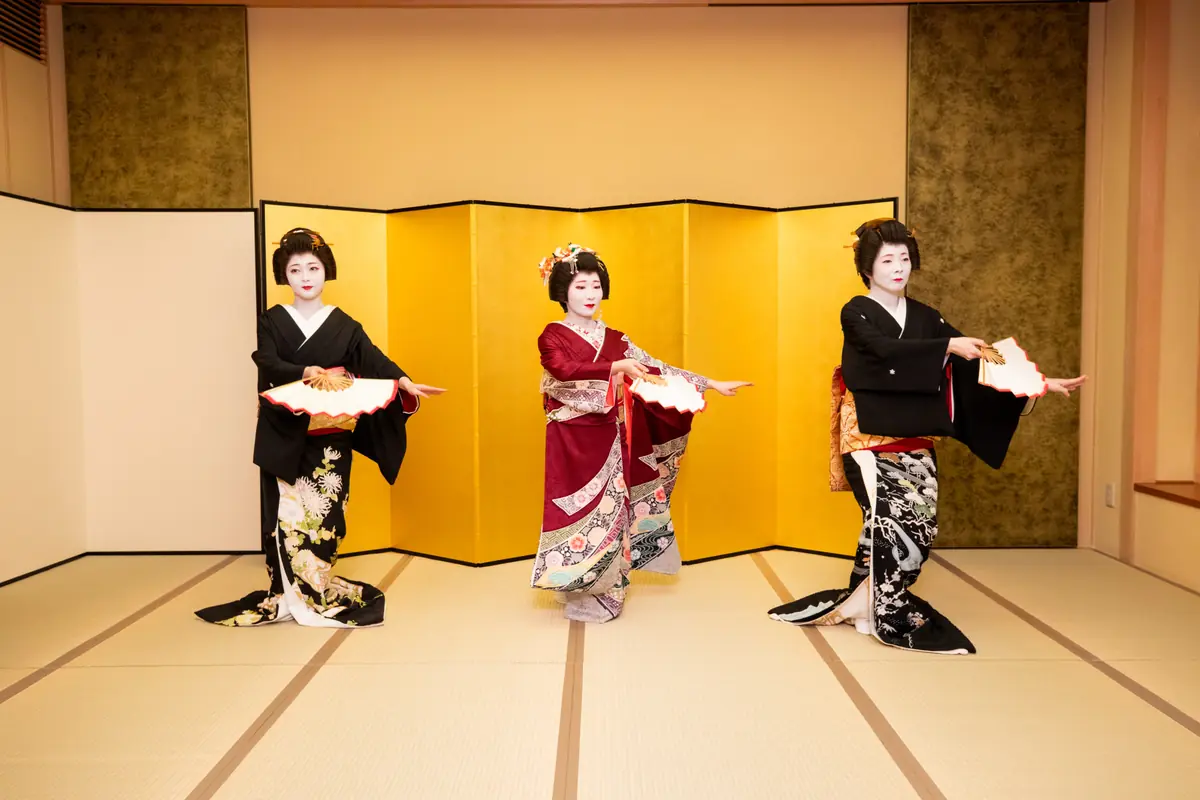
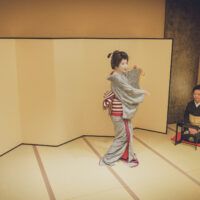
- Classical Japanese Dance (Nihon Buyo): These dances are often tied to the changing seasons, telling stories of love, nature, and folklore through subtle movements of the fan and body. The dancing is precise and beautiful.
- Traditional Music: Proficiency in instruments like the shamisen (a three-stringed lute), tsuzumi (hand drum), and fue (flute) is mandatory. Singing is also a core skill they must practice for years [2].
- The Art of Conversation: A geisha must be well-read, witty, and able to converse on topics ranging from history to current events, ensuring every guest feels welcomed and entertained.
The Training: A Lifetime of Dedication
The training required to become a geisha is rigorous and takes years. In Tokyo, a junior geisha is called a Hangyoku (literally “half-jewel”), equivalent to Kyoto’s Maiko [2].
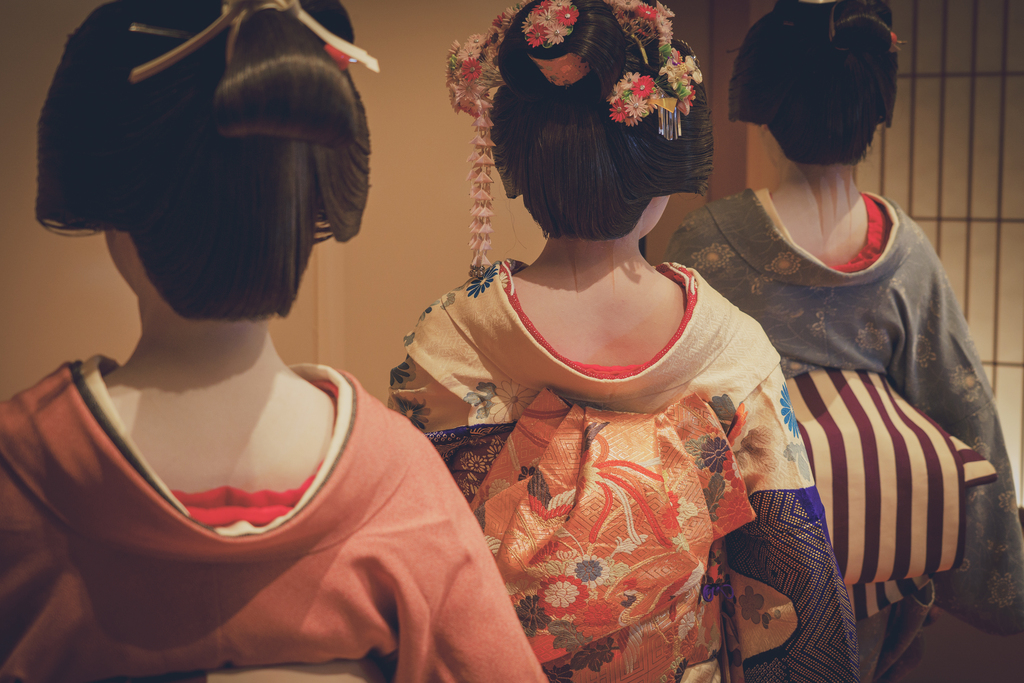
- Hangyoku (Junior Geisha): Can be identified by their long, swinging sleeves (furisode), elaborate hairstyles (often using their own hair), and vibrant, colorful kimonos. They are often younger and focus on learning the arts. The outfits they are wearing are typically distinct and beautifully decorated.
- Geisha (Full Professional): Once an apprentice “turns the collar” (a ceremony marking their graduation), she becomes a full geisha. Her appearance becomes more subtle and refined—wigs are worn, makeup becomes more natural (except for formal performances), and the kimono patterns are chic and sophisticated.
Tokyo vs. Kyoto: “Iki” vs. “Miyabi”
One of the most fascinating aspects of Japanese geisha culture is the regional difference.
- Kyoto (Geiko/Maiko): Known for Miyabi—courtly elegance, softness, and a connection to the ancient imperial capital.
- Tokyo (Geisha/Hangyoku): Rooted in the Edo period (1603 – 1868), the culture here is defined by Iki—a sharp, cool, and spirited aesthetic that was favored by the samurai and wealthy merchants of Edo. A Tokyo geisha experience is often described as more lively, witty, and dynamic.
2. Types of Geisha Experiences Available in Tokyo
When you search for “geisha experience in Tokyo,” you will encounter a wide spectrum of activities. Choosing the right one depends on your budget, time, and desire for authenticity.
A. The Gold Standard: The Private Ozashiki Dinner
This is the pinnacle of the geisha experience. An ozashiki refers to a private tatami room in a ryotei (high-end traditional restaurant). This includes a full service where you can enjoy the company of the performers in a private setting [7].
- What happens: You and your private party (whether it’s a couple, a family, or a business group) are joined by geisha. You enjoy a full, multi-course kaiseki meal. The geisha pour drinks, engage in conversation, perform dances, and play traditional parlor games (ozashiki asobi).
- Why choose this: It offers the deepest connection. You are not just watching a show; you are participating in a centuries-old social ritual. This is where the true “omotenashi” (hospitality) of the hanamachi shines. It is a rare chance to witness such high-level arts up close.
B. Group Dinner Shows
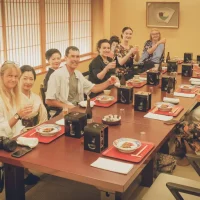
These are larger events where you share a dining room with other travelers [8].
- What happens: You eat dinner at individual tables, and geisha perform on a small stage or move from table to table briefly.
- Pros/Cons: It is more affordable and less intimidating than a private dinner for first timers, but you lose the intimacy and the personal connection of the geisha hosting.
C. Theater and Stage Performances
- Location: Cultural centers like the Asakusa Culture Tourist Information Center or festivals like the Asakusa Odori.
- What happens: Geisha perform dances on a stage for a large audience [5].
- Why choose this: Great for photography lovers and those on a budget who want to watch the dance skills without the dining component.
D. Casual Encounters (Tea Ceremony / Workshops)
Some operators offer shorter experiences, such as a tea ceremony served by a geisha or a “makeover” experience where you dress as a geisha (though this is not meeting a real geisha) [4].
- Note: Be careful to distinguish between experiences focusing on meeting a geisha and dressing up as one.
3. The Six Hanamachi of Tokyo: Where to Go
A Hanamachi (flower town) is a designated district where geisha live and work. Tokyo has six remaining active districts, known as the Tokyo Roku-Kagai [3]. While popular areas like Shibuya are famous for anime and modern bars, these areas preserve the city’s traditional heart.
- Asakusa: The most famous and historically significant district for travelers. It surrounds the Senso-ji Temple and nearby shrines. Known for its openness, festive spirit, and connection to the common people of Edo. This is the best place for first-time visitors [5].
- Kagurazaka: Often called “Little Kyoto.” Famous for its cobbled streets and black-walled geisha houses. It has a chic, literary history.
- Shinbashi: Historically the playground of high-ranking politicians and captains of industry. Very exclusive and difficult to enter without connections.
- Akasaka: Similar to Shinbashi, known for high-end luxury and political power.
- Mukojima: Located across the Sumida River. Known for a very traditional, family-like atmosphere and rigorous training in the arts [7].
- Yoshicho (Ningyocho): The oldest district, known for supreme elegance and history, though the number of geisha here is smaller today.
4. Spotlight on Asakusa: The Heart of Edo Culture
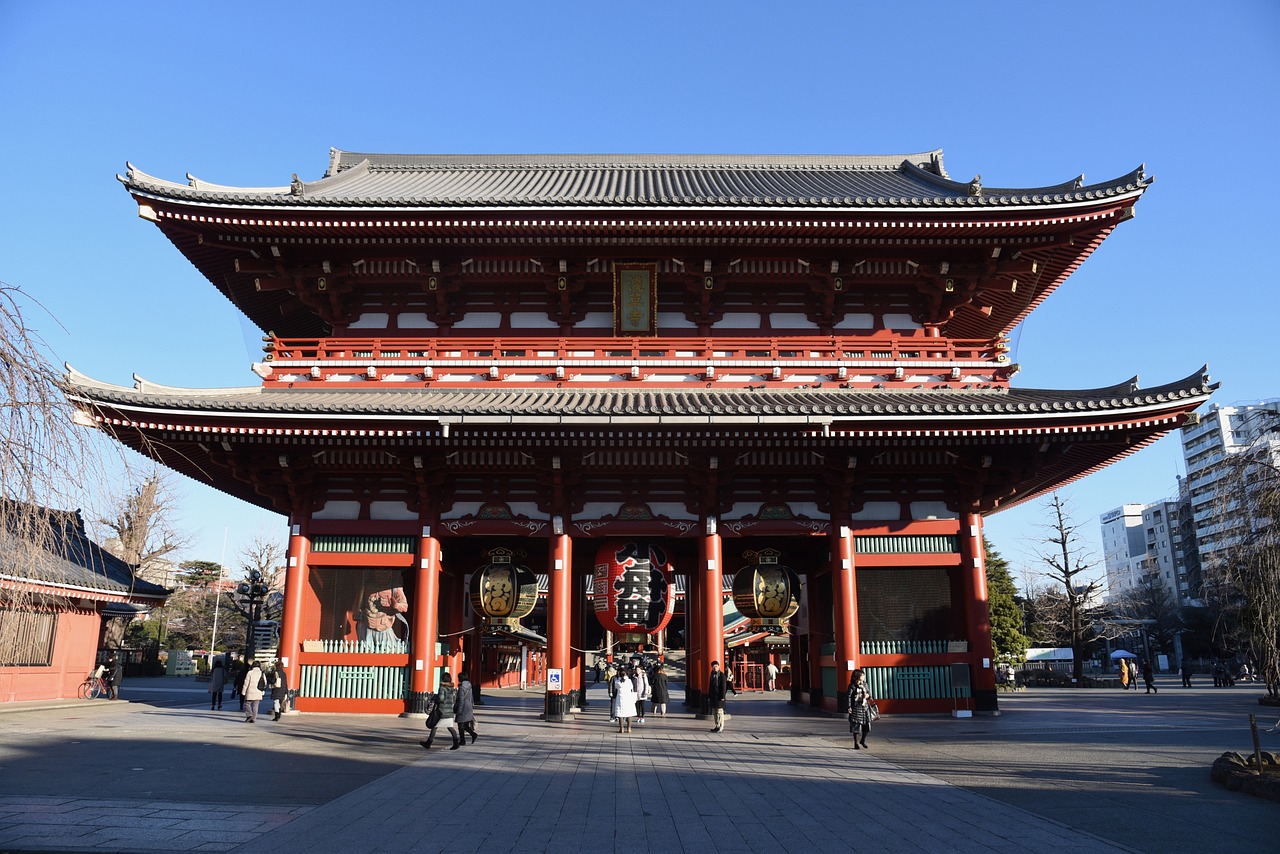
For the international traveler in 2026, Asakusa is the premier destination for a geisha experience. Why? Because Asakusa has maintained the spirit of the “pleasure quarters” of old Edo—a place where culture, religion, and entertainment mix freely [9].
The area behind the Senso-ji Temple, known as Kannon-ura, is a hidden gem. While the front of the temple is bustling with tourists, Kannon-ura remains a quiet maze of small izakayas, artisan shops, and ryotei where the sound of the shamisen can still be heard wafting through the streets in the evening. It is far removed from the busy crowds of Shibuya or Shinjuku.
The Recommended Venue: Asakusa Miyakodori
If you are looking for the most authentic, welcoming, and high-quality private dinner, Asakusa Miyakodori (https://miyakodori-geisha.com/) is the definitive choice. This establishment started its operation in the mid-20th century and continues the tradition today [8].
Why Miyakodori Stands Out:
- History: Established in 1950, it is the only remaining machiai chaya (a specific type of teahouse designed for geisha entertainment) in Asakusa. The building design reflects traditional aesthetics.
- Accessibility: Unlike many venues that require a referral from a regular patron, Miyakodori welcomes international guests directly. You can easily make inquiries and bookies via the website.
- Inclusivity: Uniquely, Halal and Vegan kaiseki courses are offered . This is a game-changer for diverse groups of travelers who often struggle to find traditional Japanese fine dining that accommodates dietary restrictions.
- Edo Asobi: Specializing in “Edo Games”, you can join in. Guests also learn to play the traditional games with the geisha, making the culture accessible and fun rather than stiff and formal.
5. What Happens During a Private Geisha Dinner? A Step-by-Step Guide
For those booking their first ozashiki, the process can feel mysterious. Here is a walkthrough of what you can expect during a typical 2-3 hour evening at a place like Asakusa Miyakodori.
Step 1: Arrival and Welcome
You arrive at the Ryotei, usually a traditional wooden building or a discreet entrance in the Kannon-ura district. You will remove your shoes and be guided to a private tatami room adorned with seasonal scrolls and flowers. The atmosphere is instantly transporting.
Step 2: The Kaiseki Meal Begins
The evening starts with the meal. Kaiseki is Japan’s gourmet cuisine, featuring local and seasonal ingredients presented like paintings. If you have requested Halal or Vegan options at Miyakodori, your specially prepared course will be served. The food is always fresh and beautifully arranged.
Step 3: The Geisha Enter
The geisha (usually two or more, often a tachikata dancer and a jikata musician) enter the room. They will kneel and bow formally to welcome you. This is the time for initial greetings. Don’t worry about language barriers; seasoned geisha are experts at non-verbal communication, and many know basic English. At Miyakodori, English-speaking staff or interpreters can often be arranged.
Step 4: The Performance (Dance and Music)
As you eat, or between courses, the performing begins. The jikata plays the shamisen and sings, while the tachikata performs classical dances.
Tip: Put down your chopsticks and watch during the dance to show respect. It is a privilege to see this up close.
Step 5: Sake Service and Conversation
The geisha will move around the table, pouring drinks (sake, beer, or tea) for the guests. This is the “social” part of the service. You can ask questions about their kimono, their training, or the history of the district. It is a time for laughter and relaxation.
Step 6: Ozashiki Asobi (Parlor Games)
As the alcohol flows and the mood lightens, the games begin. These are simple rhythmic games played to the beat of the shamisen.
- Tora Tora Tora: A variation of rock-paper-scissors played with the whole body behind a screen (Tiger, Samurai, Old Woman).
- Konpira Fune Fune: A rhythm game involving a small wooden box.
- Tosenkyo: A fan-tossing game (an elegant game of skill).
Losing these games usually involves drinking a small cup of beer or simply bowing. It creates a wonderful sense of camaraderie.
Step 7: Photography and Farewell
Towards the end of the evening, the geisha will usually pose for photos with you. This is the best time to get that perfect souvenir shot. The evening concludes with a formal bow as you depart.
6. Essential Etiquette for Visitors (Do’s and Don’ts)
To ensure a respectful experience for everyone, keep these tips in mind. The rules in the hanamachi can be strict, but they exist to protect tradition.
- DO respect privacy: If you see a geisha walking on the street, do not block her path or shove a camera in her face. She is on her way to work. Respecting their life and routines is paramount.
- DO ask for photos: Inside the private room, always ask “Photo OK?” or ask for permission before snapping pictures or videos. Usually, they are happy to oblige, but candid shots while they are eating or drinking might be rude.
- DO wear nice socks: You will be taking your shoes off. Clean, hole-free socks are a must.
- DON’T touch: Never touch a geisha’s kimono, wig, or ornaments. These are incredibly expensive and fragile items. Handshakes are okay if initiated by them, but generally, a bow is the standard greeting.
- DON’T wear strong perfume: It can interfere with the delicate aromas of the kaiseki food and the wine/sake.
7. Planning Your Trip: Booking for 2026
With the surge in tourism to Japan, high-quality cultural experiences are booking out months in advance. It is good practice to plan ahead.
When to Book
We recommend booking your geisha experience at least 2 to 3 months prior to your arrival in Tokyo, especially for cherry blossom season (March/April) or autumn foliage season (October/November). You should add this to your itineraries early.
Costs and Details
- Group/Stage Shows: 15,000 JPY – 20,000 JPY per person.
- Private Ozashiki: 40,000 JPY – 60,000+ JPY per person (depending on the menu, number of geisha, and duration).
- Note: While the private option is an investment, it includes a fine-dining meal, private concert, and personalized hosting service in one. Be sure to read the cancellation policy before confirming.
Transport and Access
Most establishments in Asakusa are located just minutes from the rail station or subway lines. Using a map app will help you navigate the small streets. You might also consider visiting an onsen or sumo stable in the Ryogoku area, which is close by, to round out your cultural trip.
Making the Reservation
For Asakusa Miyakodori, bookings can be done directly via the website.
- Website: https://en.miyakodori-geisha.com/?welcome=hide
- Inquiry: You can send a request form detailing your preferred date, number of guests, and any dietary requirements (Halal/Vegan).
Frequently Asked Questions
What is the difference between a geisha and a hangyoku in Tokyo?
In Tokyo, a junior geisha is called a hangyoku, which literally means “half-jewel” and is the equivalent of Kyoto’s maiko. A hangyoku is recognized by her long, swinging furisode sleeves, elaborate hairstyles, and colorful kimono. Once an apprentice “turns the collar,” she becomes a full geisha, whose appearance is more subtle and refined.
Can foreign tourists experience a geisha in Tokyo without an introduction?
Yes. Although the traditional “Ichigensan Okotowari” custom historically refused first-time guests without a referral, Asakusa establishments such as Miyakodori now welcome international visitors directly, and you can book and make inquiries through the website without a personal introduction.
What are the six geisha districts (hanamachi) of Tokyo?
Tokyo has six remaining active hanamachi, known as the Tokyo Roku-Kagai: Asakusa, Kagurazaka, Shinbashi, Akasaka, Mukojima, and Yoshicho. Asakusa is the most open and welcoming of these districts, which makes it the best choice for first-time visitors.
How far in advance should I book a geisha experience in Tokyo?
It is best to book at least two to three months before your arrival in Tokyo, especially during cherry blossom season (March to April) or autumn foliage season (October to November), when high-quality cultural experiences are reserved well ahead of time.
What is the difference between Tokyo and Kyoto geisha?
Kyoto’s geiko and maiko are known for “miyabi” — a courtly elegance and softness rooted in the old imperial capital. Tokyo geisha, shaped by the samurai and merchant culture of the Edo period, are defined by “iki” — a sharp, cool, and spirited aesthetic, which is why a Tokyo geisha experience is often described as more lively, witty, and dynamic.
Conclusion: An Unforgettable Highlight of Your Journey
A geisha experience in Tokyo is a bridge to the past. It is a moment where the hustle and bustle of modern Tokyo fades away, replaced by the twang of the shamisen and the rustle of silk.
Whether you are a solo traveler, a couple on a honeymoon, or a corporate group looking to impress clients, the ozashiki offers a level of hospitality that is uniquely Japanese. By choosing a reputable and authentic venue like Asakusa Miyakodori, you are not only guaranteeing a magical evening for yourself but also supporting the preservation of these precious traditional arts for future generations.
Don’t just see Japan; experience its heart.
Recommendation: Asakusa Miyakodori
- Location: Asakusa, Tokyo
- Specialty: Private Geisha Banquets, Authentic Edo Culture
- Dietary Support: Halal (bento), Vegan, Vegetarian friendly
- Booking: English support available via the website.
Ready to step into the world of the Geisha? Plan your 2026 visit to Asakusa today.
References
[1] Where to See Geisha in Tokyo: Bookable Experiences, Festivals & More | Tokyo Cheapo
[2] Tokyo Geisha: Show, Experience & History – Tea Ceremony Japan Experiences MAIKOYA
[3] A Guide to Tokyo’s Geisha Districts | Tokyo Weekender
[4] Learn Japanese Culture from a Geisha in Tokyo Experience | The Invisible Tourist
[5] Where to see geishas in Tokyo | Japan Experience
[7] Meeting the geisha of Mukojima, Tokyo | Japan-Guide
[8] Geisha & Maiko Dinner Shows Tokyo: 5 Best Authentic Experiences [2025 Update] | Food Tours Japan
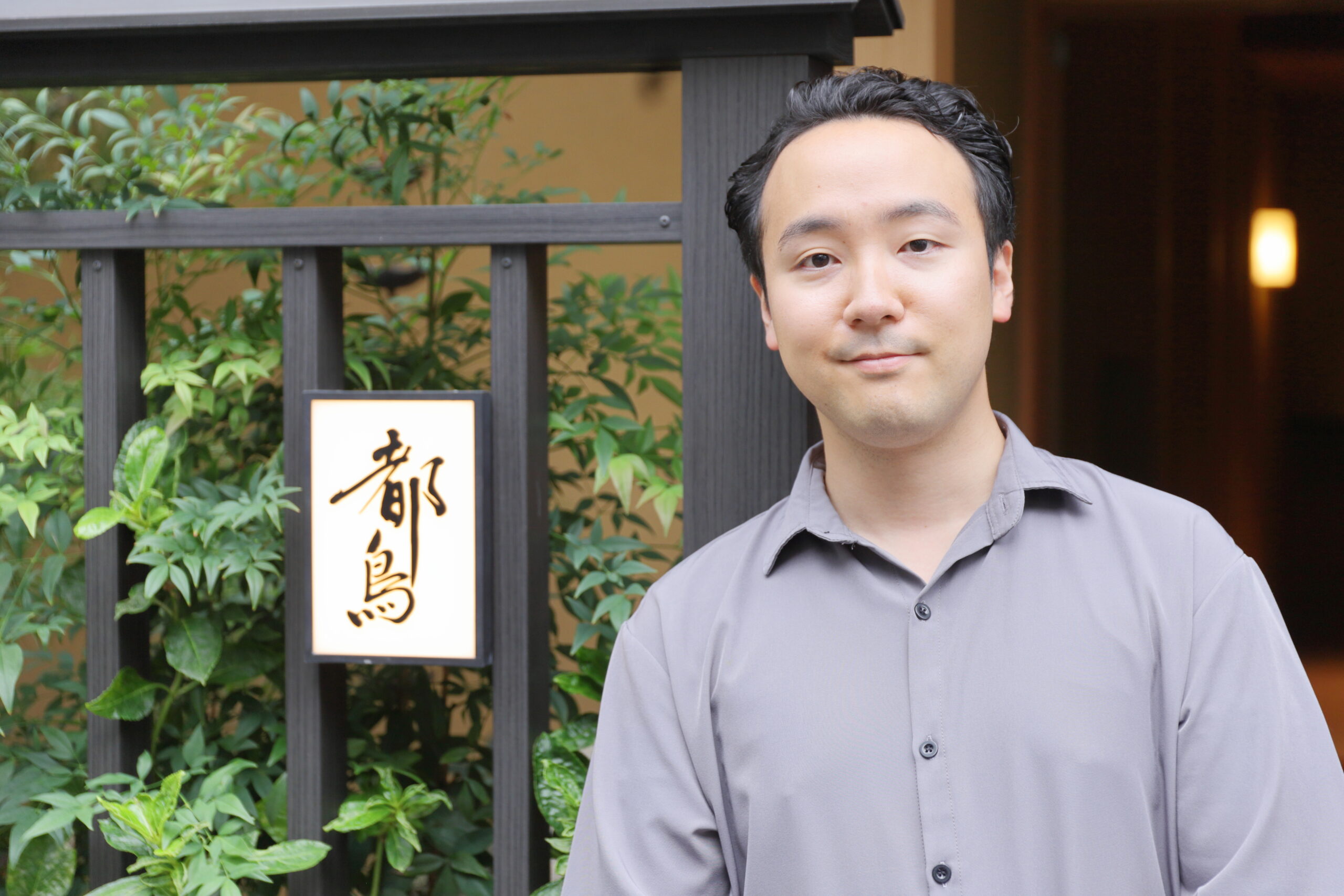


- A Guide to Tokyo's Geisha Districts: Finding Authentic Experiences and Cultural Immersion
- Tokyo Geisha Tea Ceremony: A Traditional Experience in Japan for 2026
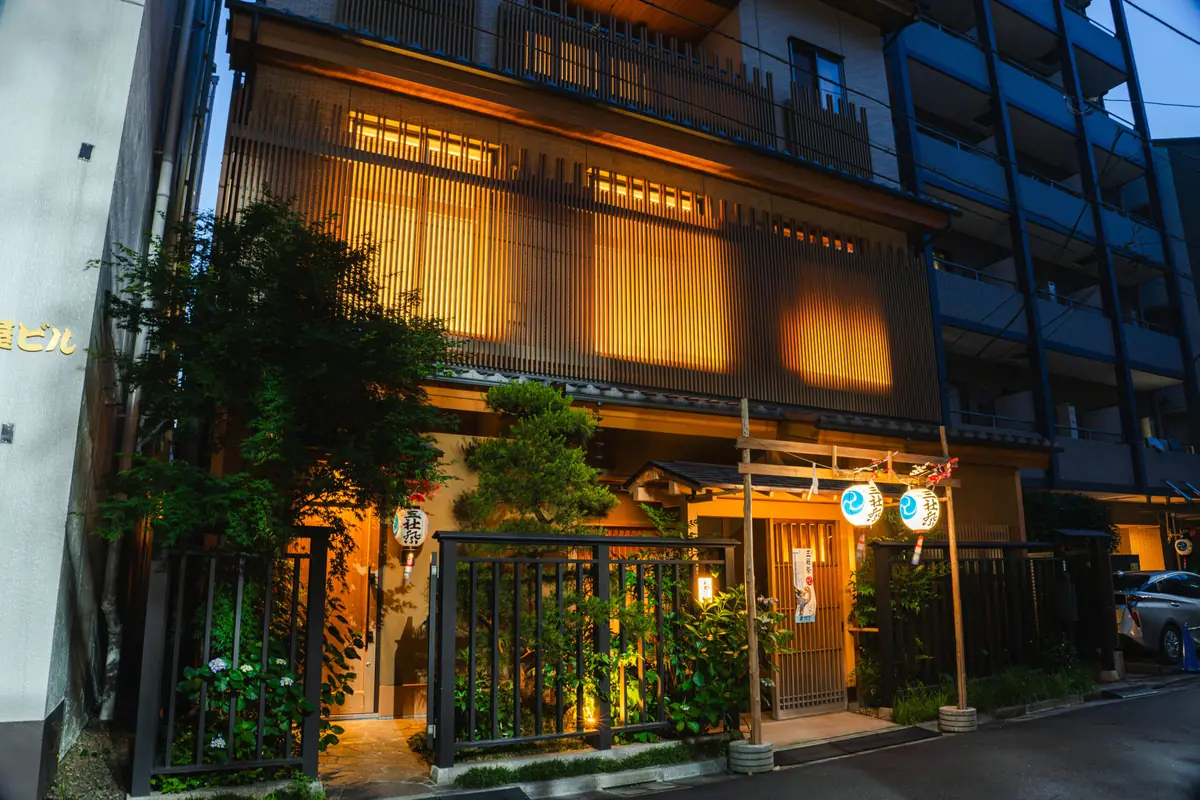
Geisha Restaurant Near Me in Tokyo: Authentic Ozashiki at Miyakodori Asakusa
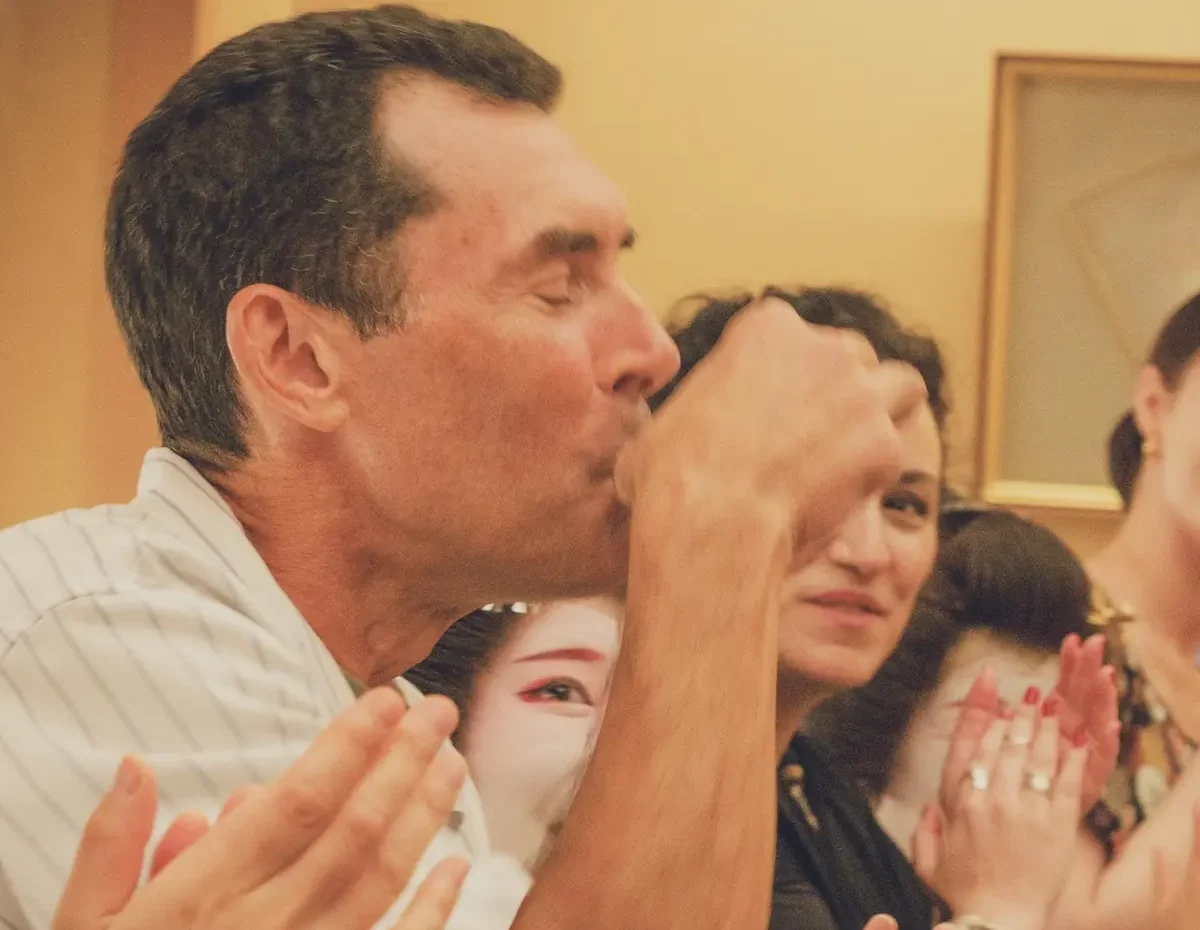
Geisha Drinking Game: Culture, Fun, and Tradition
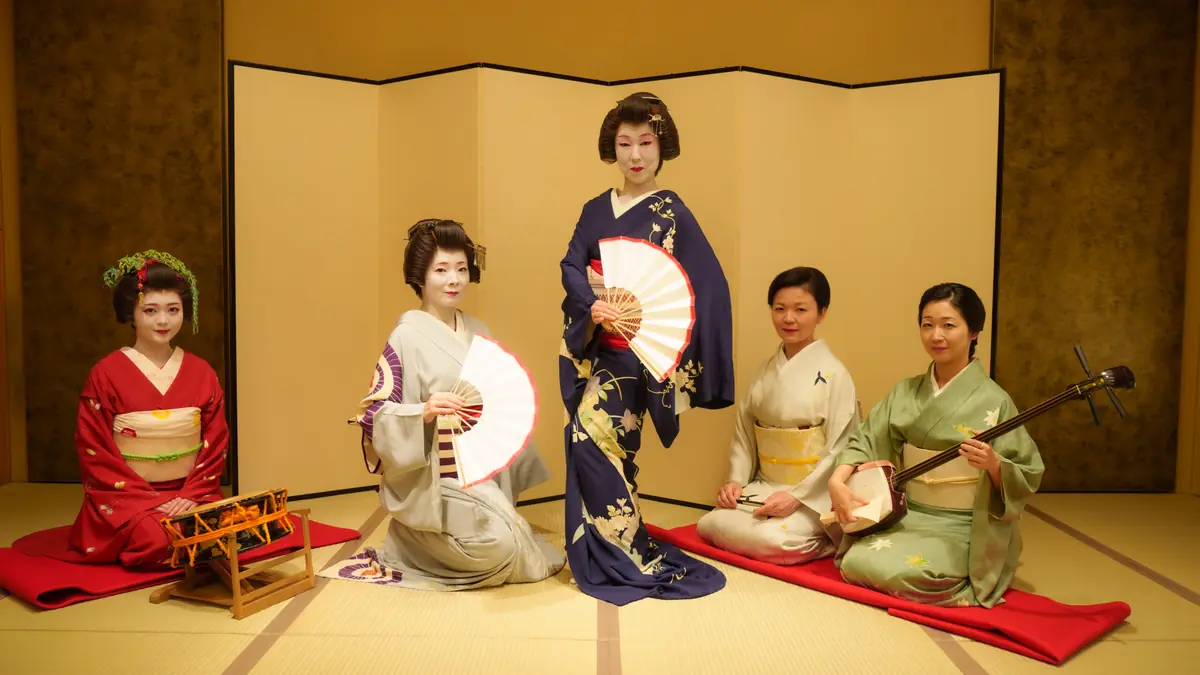
Geisha Shows in Tokyo: Witnessing the Art of the Flower and Willow World in 2026
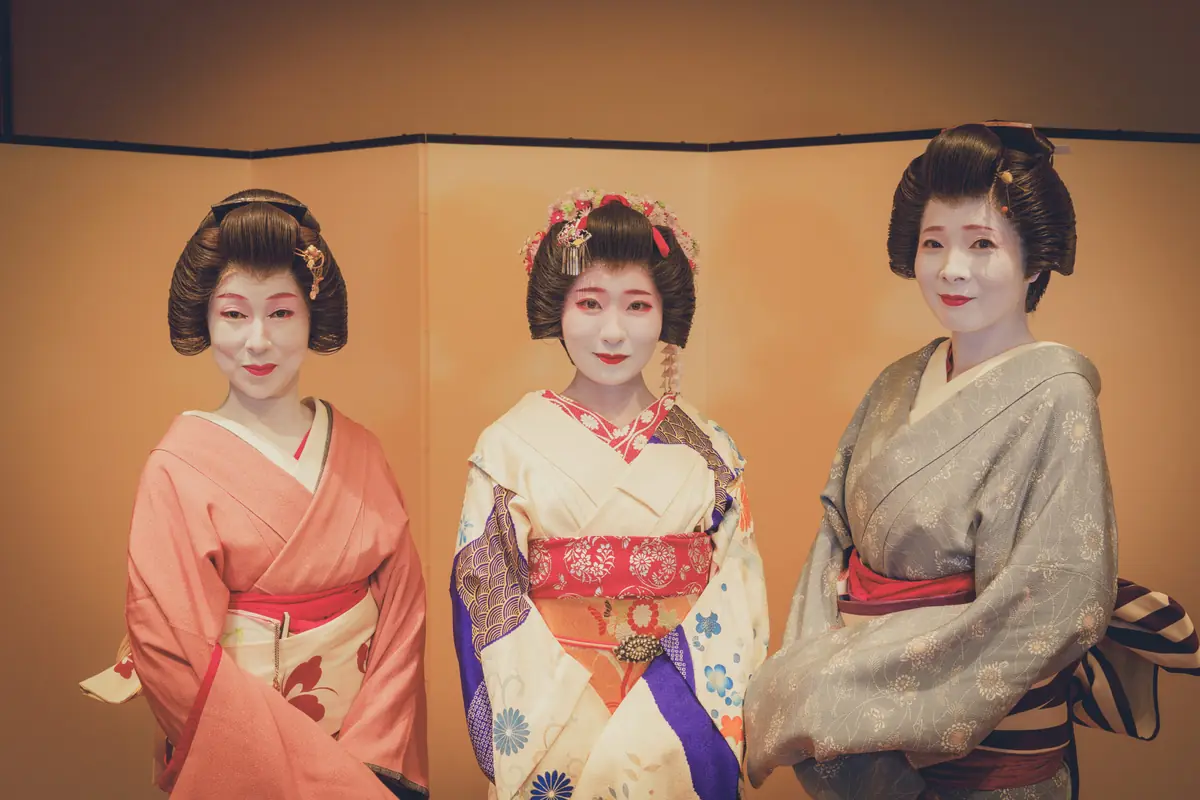
Where to See Geisha in Tokyo: Authentic Shows, Private Experiences, and the Historic Asakusa District
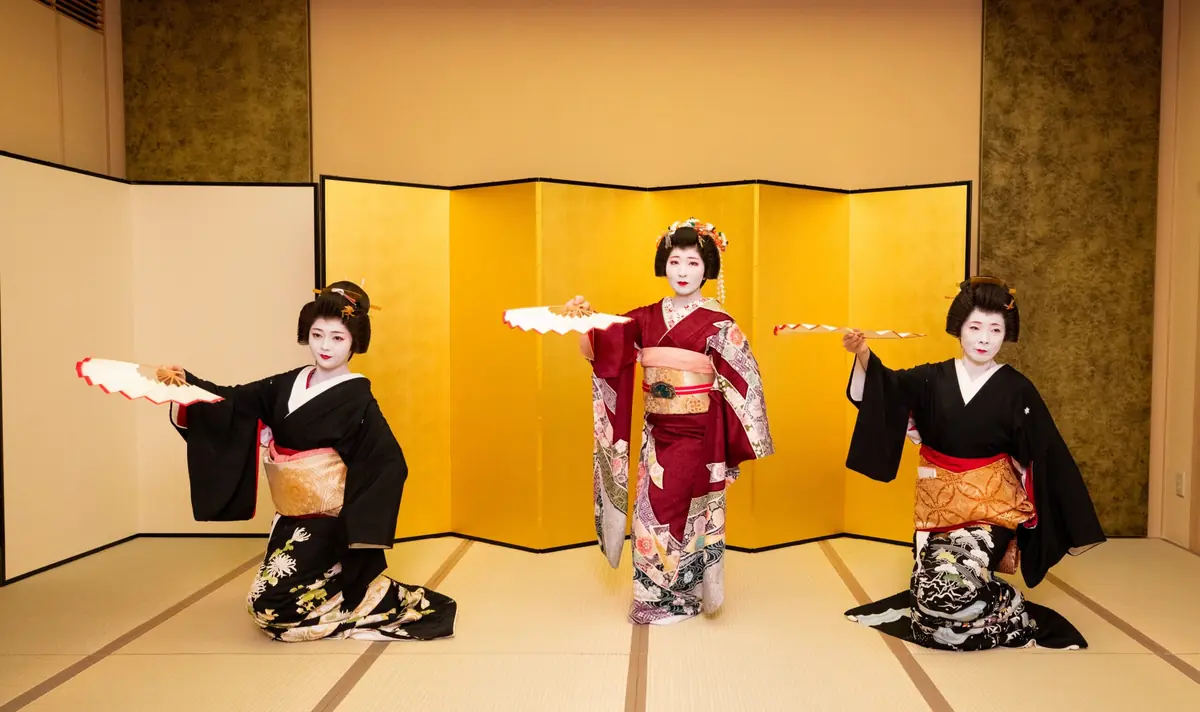
2026 Best Tokyo Geisha Dinner Guide: Top Recommendations for an Authentic Evening in Asakusa
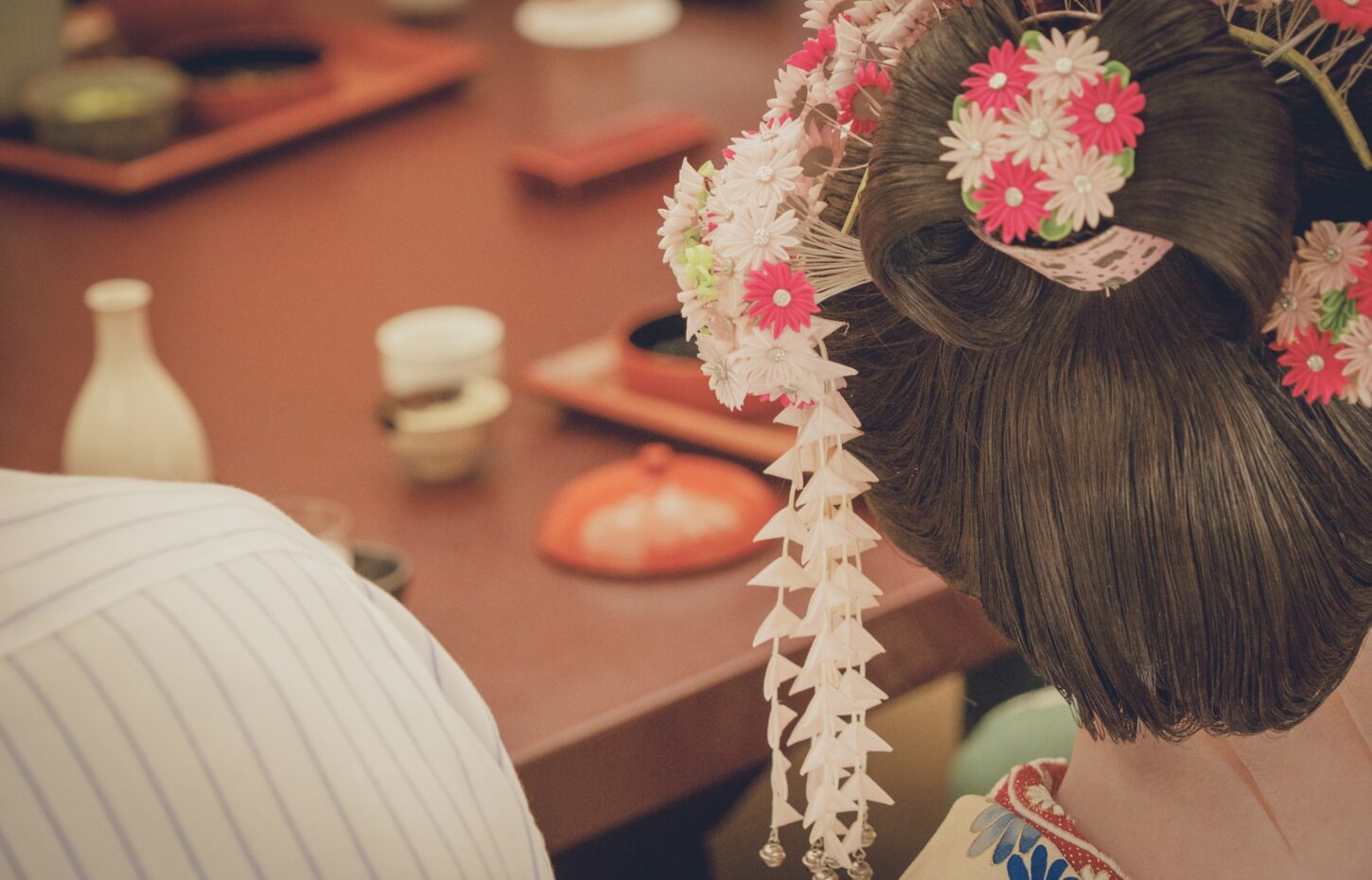
Kanzashi: A Guide to Japanese Hair Ornaments
Comment ( 0 )
Trackbacks are closed.
No comments yet.