



Where to See Geisha in Tokyo: Authentic Shows, Private Experiences, and the Historic Asakusa District
If you’re planning a trip to Japan and yearning for a taste of authentic traditional culture, the mere mention of the word “geisha” probably sparks images of timeless beauty and refined artistry. Often mistakenly associated with other professions, geisha are, in fact, highly trained performing artists and hostesses, experts in traditional Japanese music, dance, and the art of conversation. While Kyoto’s geiko (the local term for geisha) often steal the spotlight, I’m here to tell you that the enchanting world of the geisha is very much alive and thriving in Tokyo. This comprehensive guide will show you exactly where to find and experience the magic of the geisha in the capital city.
What is a Geisha and Why See One in Tokyo?
The True Identity of a Geisha
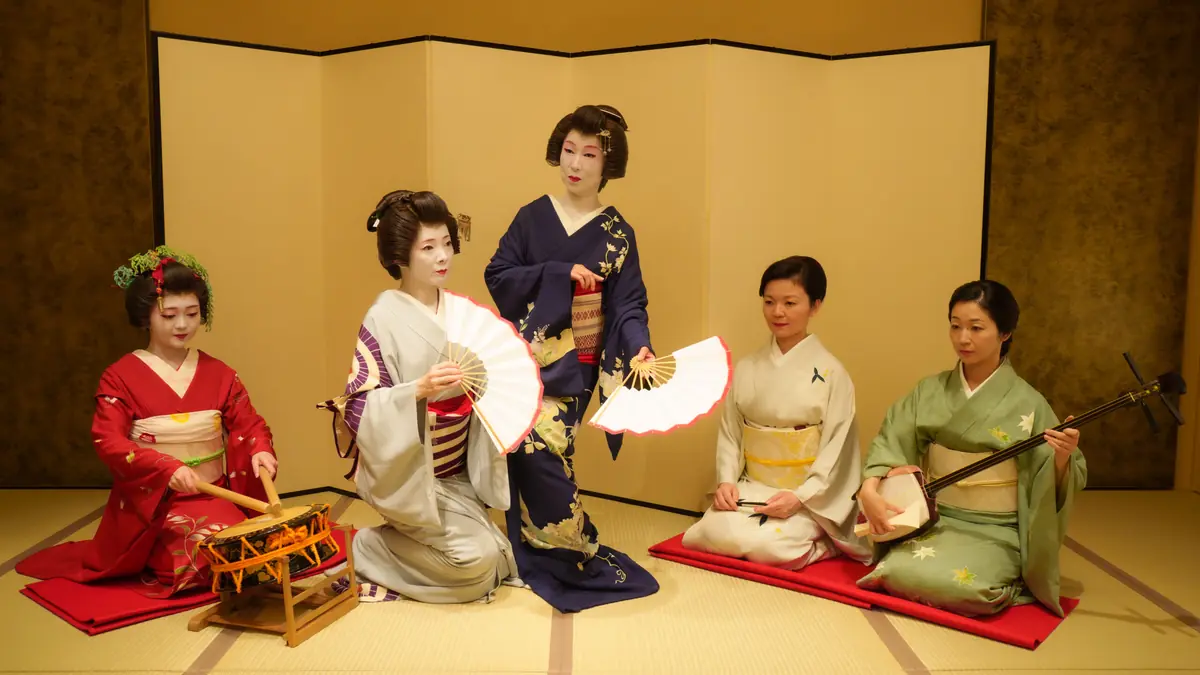
The term “geisha” (芸者) literally translates to “artist” or “person of the arts” [1]. These women dedicate years to rigorous training in various traditional Japanese arts (芸, gei), including the shamisen (a three-stringed instrument), singing (utai), and classical dance (buyō). They are the guardians of Japan’s refined cultural heritage, serving as sophisticated entertainers and hosts at exclusive traditional establishments called ryōtei (traditional Japanese restaurants) or ochaya (tea houses).
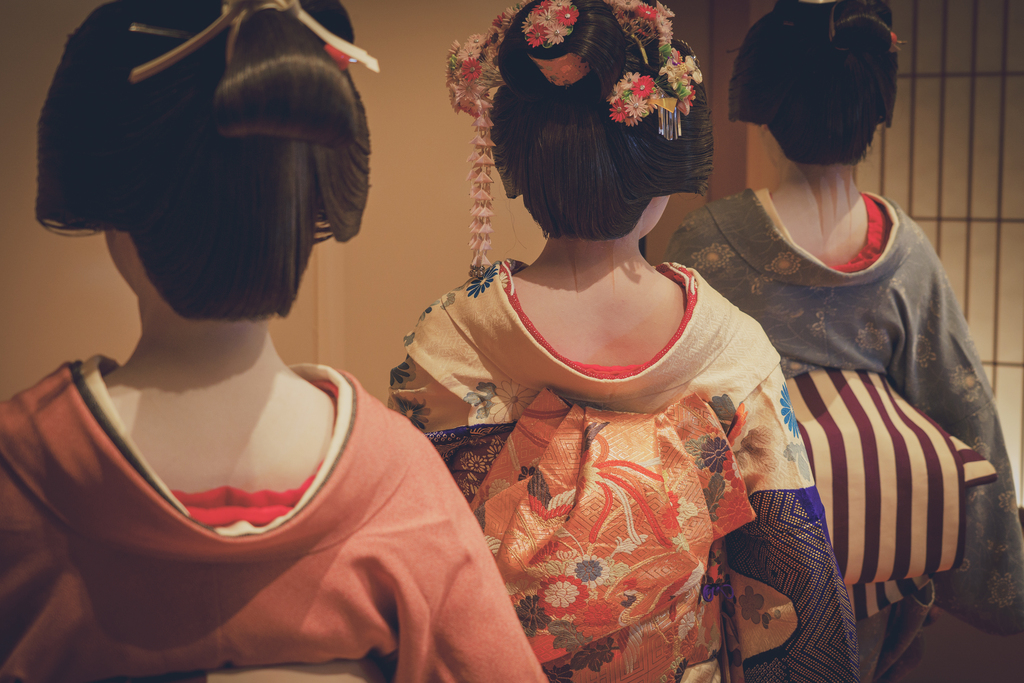
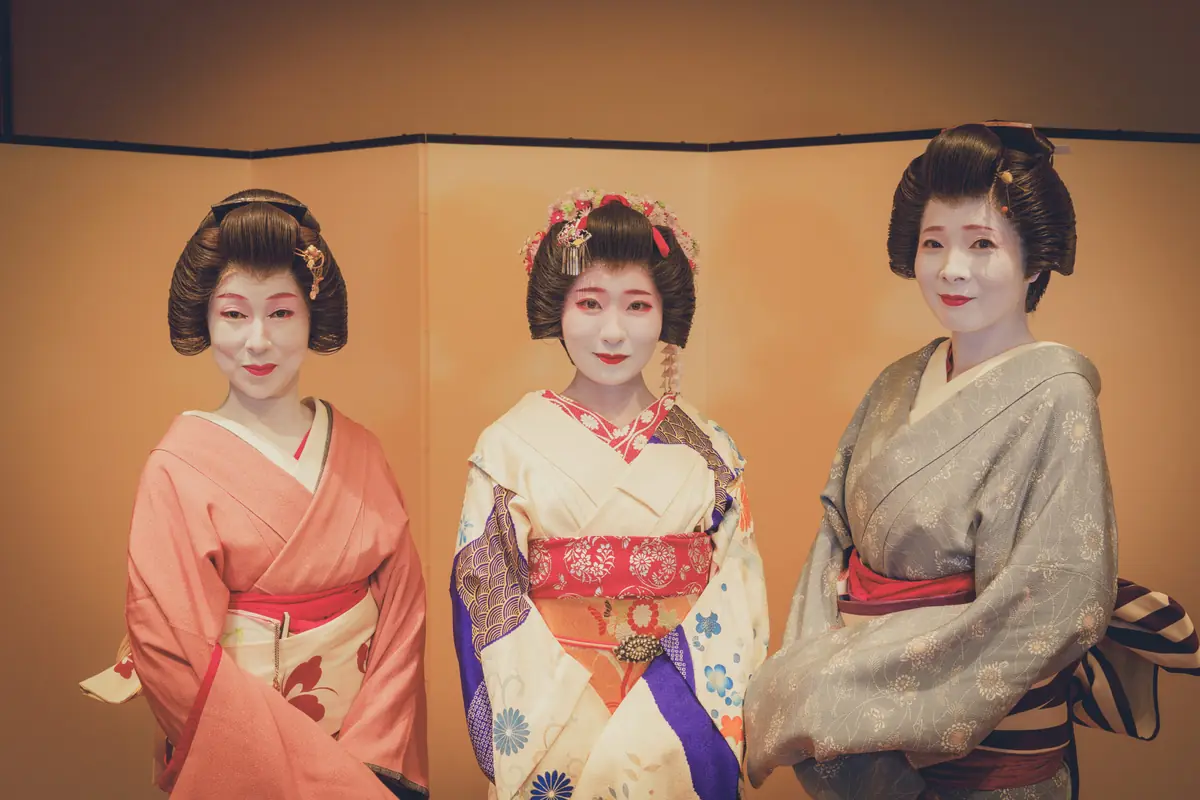
A key element of their appearance is the beautiful kimono they are wearing. Their clothing, often featuring unique design and fashion, signifies their dedication to traditional art.
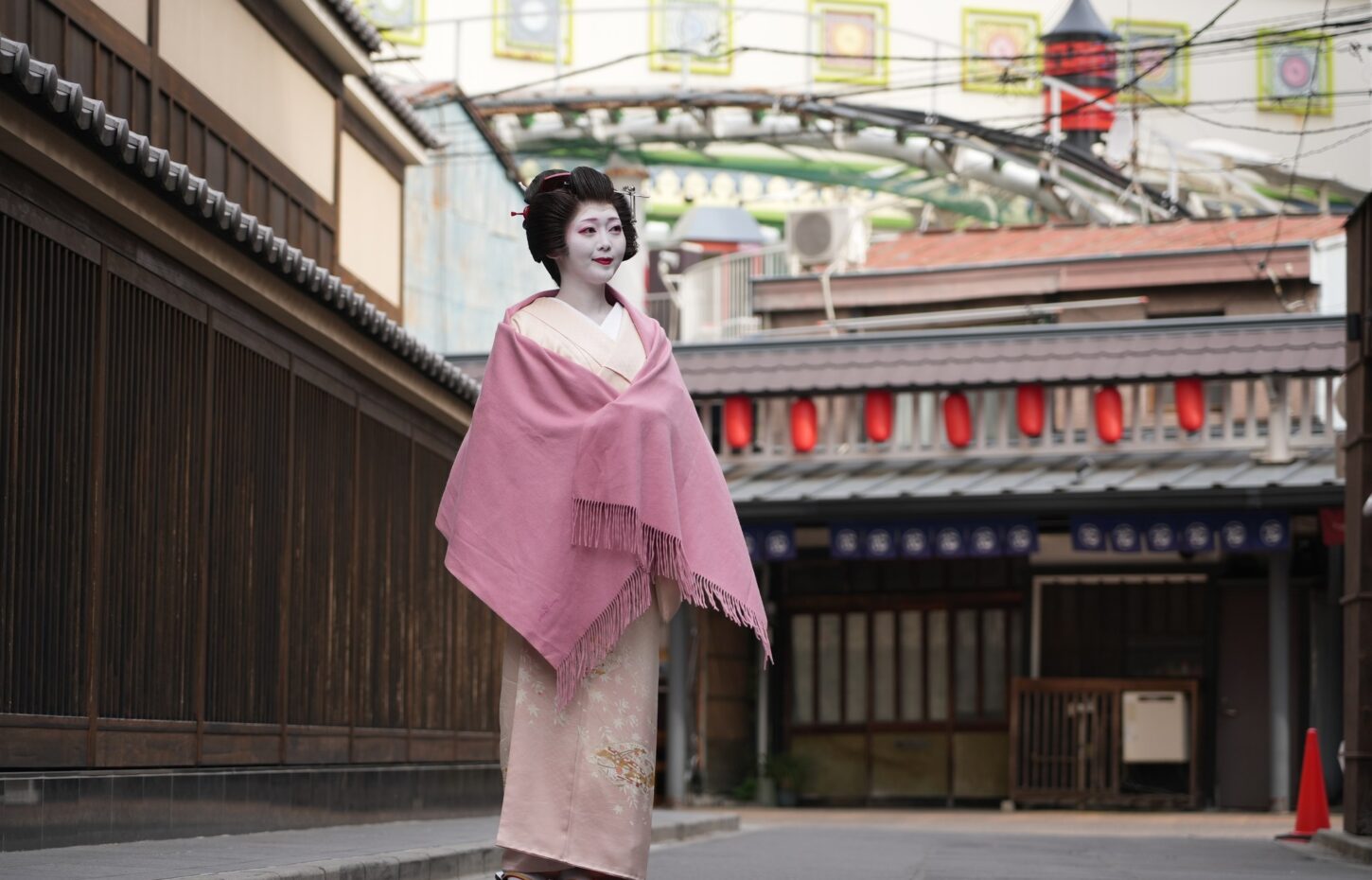
It’s crucial to understand the difference between a senior geisha and a junior geisha — maiko in Kyoto, hangyoku in Tokyo. While they share similar training, the outfits differ, with maiko/hangyoku having more elaborate hairstyles and longer obi sashes, symbolizing their youth and status as students. A geisha is a fully-fledged professional, and this work takes years to master [5].
Tokyo’s Unique Geisha Culture and History
The history of geisha in Japan began centuries ago, with the very first tea house permissions granted in the 16th century. Later, the Edo period saw the formal establishment of the geisha as professional entertainers [5]. While Kyoto’s geisha districts (hanamachi) are famed for their graceful, miyabi (elegant, courtly) atmosphere, Tokyo’s geisha culture, stemming from the samurai-dominated Edo period, is often characterized by iki (a sharp, chic, and sophisticated spirit) [3]. Tokyo, with its five remaining active hanamachi—Asakusa, Shinbashi, Akasaka, Kagurazaka, and Mukojima—offers a more accessible and often more intimate experience than its historical counterpart in Kyoto.
Today, these geisha districts in Tokyo continue to thrive, making their unique cultural performances more available to visitors and international guests, who are increasingly seeking out this authentic cultural experience [2]. Asakusa is particularly known for being an open hanamachi, welcoming people from all backgrounds [3].
Where to See Geisha in Tokyo: The Best Districts and Experiences ✨
To truly appreciate the geisha culture, you should visit a hanamachi (花街), or “flower town,” which is the collective term for a geisha district. These are the areas where geisha live and work.
Asakusa: The Open and Historic Hanamachi
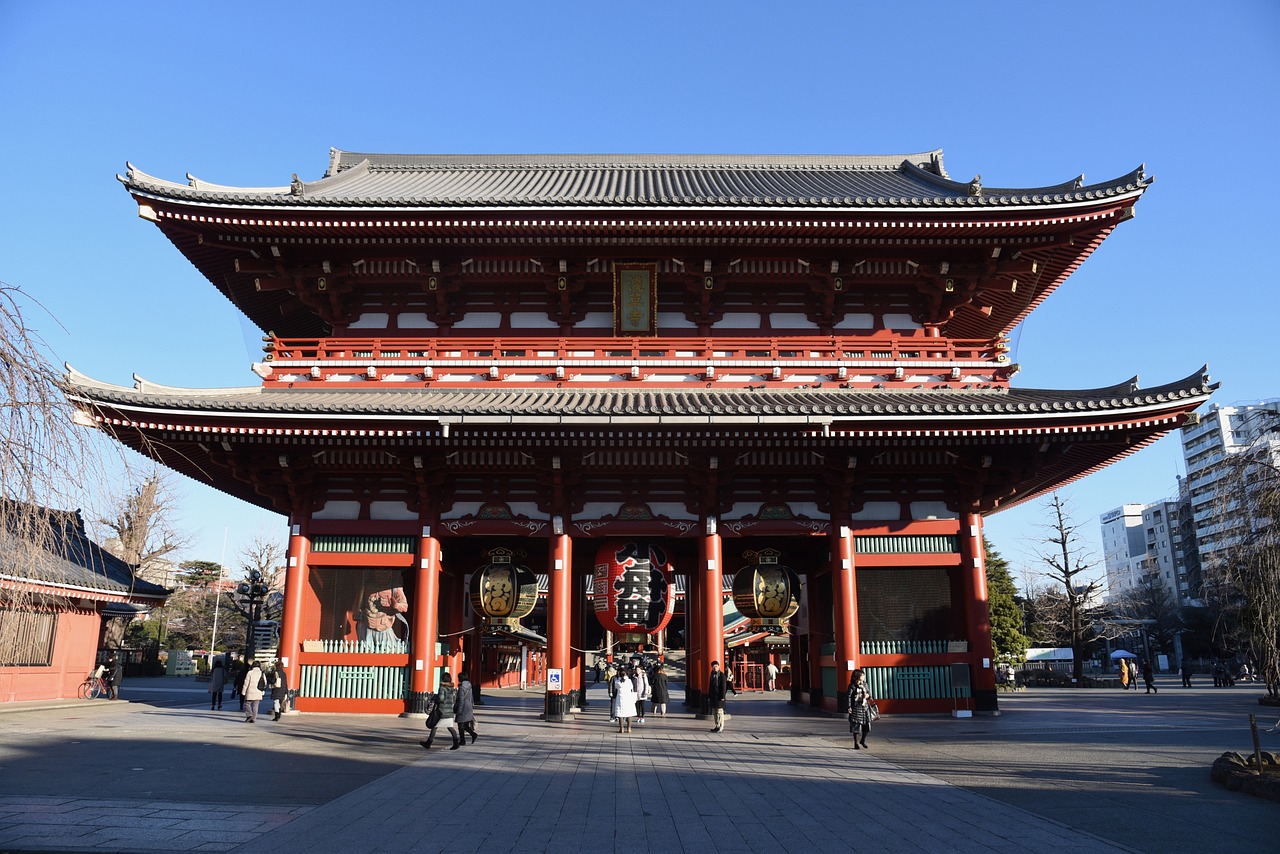
Asakusa is arguably the most famous and popular of Tokyo’s traditional geisha districts, nestled near the city’s oldest temple, Senso-ji. This district is known for its welcoming atmosphere, fostering the art and tradition of the karyūkai (“flower and willow world,” another term for the geisha community) for people from all walks of life [3].
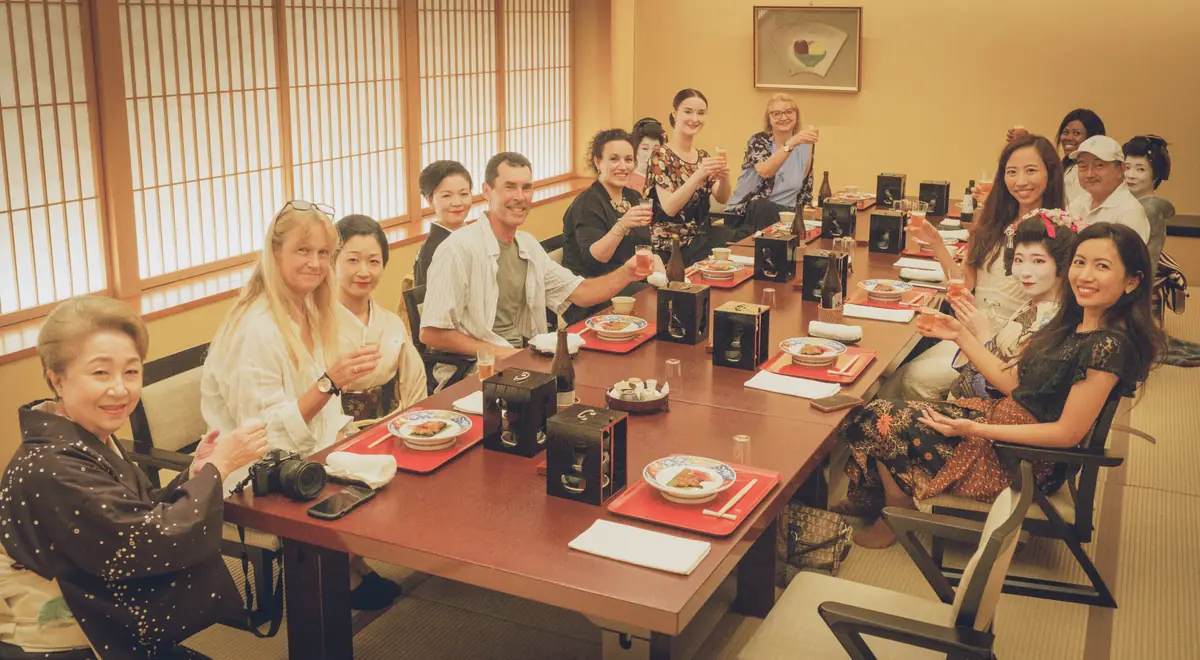
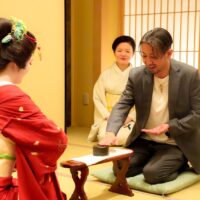
- Bookable Experiences (Ryōtei): The most traditional way to meet a geisha is through an ozashiki (お座敷), a private banquet or performance held in a private room, typically at a ryōtei or ochaya (tea house). In Asakusa, you can find traditional establishments that offer these experiences, sometimes coupled with exquisite kaiseki meal/food and ozashiki-asobi (parlor games) [1, 6].
- Public Events: Keep an eye out for public geisha performances, such as the free Ozashiki Odori (dance) events often held at the Asakusa Culture Tourist Information Center, though these are seasonal and the dates can vary [1, 2]. You might read about these events in local news.
Kagurazaka: The Chic and Accessible District
Kagurazaka, with its charming stone-paved streets and slope, offers a distinctly elegant and slightly less touristy experience. It’s close to the city center and is known for its high-end restaurants and traditional atmosphere. It’s one of the main geisha districts functioning today [2].
- Geisha Entertainment: Several establishments here specialize in private geisha banquets, maintaining the traditional exclusivity while also offering services to an international clientele [2, 3].
- Festivals: The Kagurazaka Street Stage O-edo Tour Festival often features geisha performances, making it an excellent time to visit and see the geisha community in action [2].
Mukojima: The Traditional and Intimate Experience
Located on the other side of the Sumida River, Mukojima is a smaller, highly traditional district with a deeply-rooted community spirit. A visit here is often a more intimate and less commercialized encounter with the traditional karyūkai [4].
Shinbashi and Akasaka: The Historically Exclusive
These districts have historically catered to the political and business elite, known for their sophisticated and exclusive environments favored by politicians and business leaders [3]. Experiences here are typically high-end and often require a personal introduction or a booking through a specialized service.
How to Book Your Geisha Experience and Essential Etiquette
Seeing a geisha is not like attending a regular show; it is an immersive cultural experience built on tradition, service, and artistry.
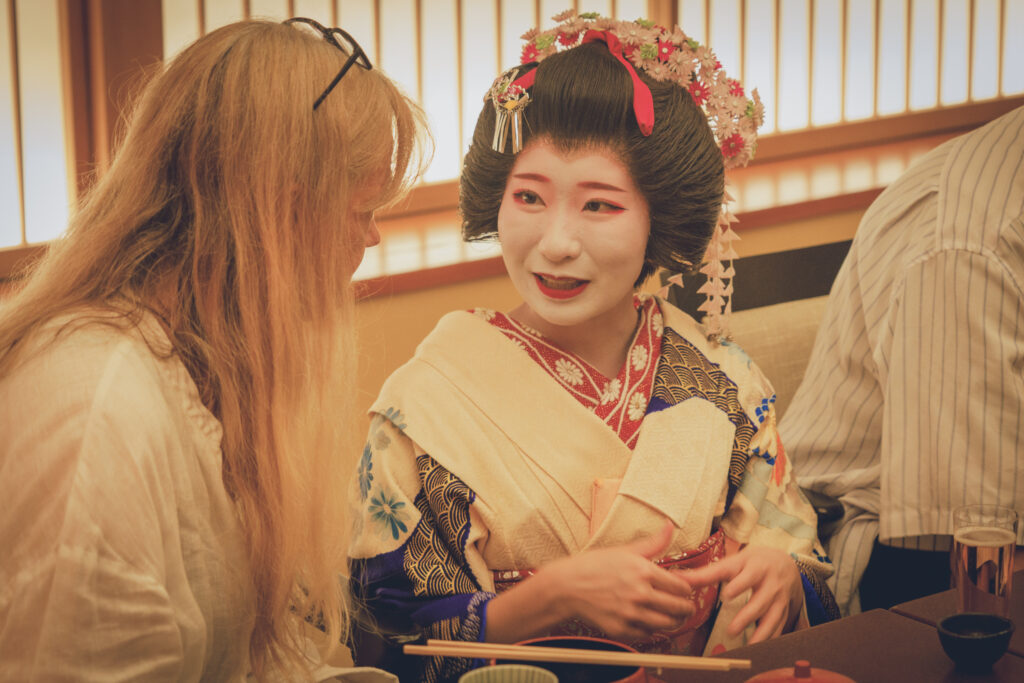
Booking a Geisha Experience
Traditionally, booking a geisha performance required a referral from an existing client. Fortunately, modern services and a select number of traditional establishments now offer pre-booked experiences, making them accessible to international travelers.
- Specialized Tour Agencies: Several reputable agencies offer structured geisha experiences that often include dinner (kaiseki) and private or small-group performances. Many offer tours with English speaking guides.
- Traditional Ryōtei (like Asakusa Miyakodori): Certain traditional restaurants, particularly those in Asakusa, are beginning to welcome foreign guests directly or through specific booking platforms. They offer a highly authentic ozashiki environment where you can enjoy traditional dance, music (shamisen), and parlor games [6].
Essential Geisha Etiquette
When meeting a geisha, respect for the tradition is paramount.
- Photography: Always ask permission before taking a photo. Never photograph a geisha or maiko without their consent, especially on the streets.
- Respectful Distance: The geisha is your entertainer and host. Maintain a respectful distance and listen quietly during her performances (dance and music).
- Tipping: While not strictly required, a small gesture of appreciation wrapped in a special envelope (noshi-bukuro) is a traditional custom for a truly exceptional experience.
A Truly Authentic Geisha Dinner and Entertainment at Asakusa Miyakodori 🍲
For a truly unforgettable evening, look no further than a traditional ryōtei (料亭) that specializes in ozashiki entertainment.
Ryōtei Asakusa Miyakodori: A Living Piece of Edo’s Artistry
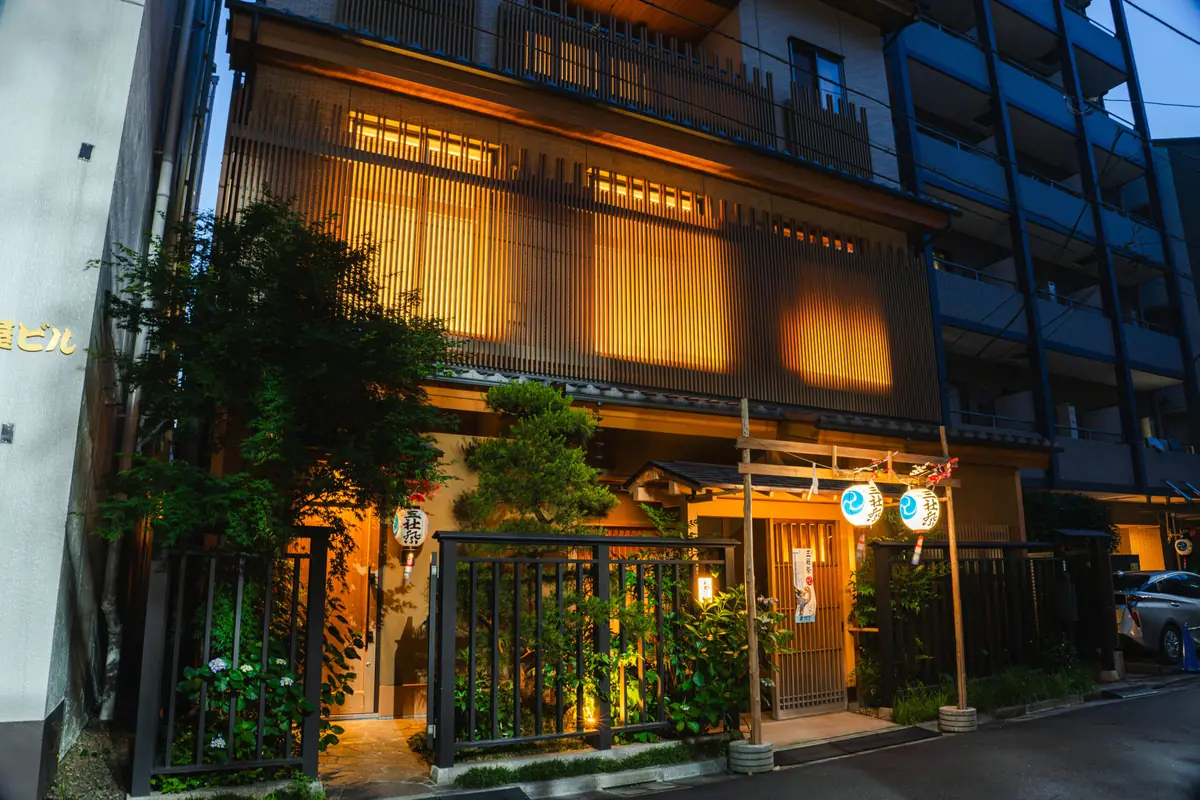
Nestled in the historic Asakusa Kannon-ura district, the Ryōtei Asakusa Miyakodori (浅草 都鳥) (https://miyakodori-geisha.com/) offers an unparalleled experience of Edo-period Japan. As the only remaining traditional machiai chaya (teahouse-style ryōtei focused on geisha entertainment) in Asakusa, it is dedicated to preserving the lively culture of the karyūkai [3, 7, 8].
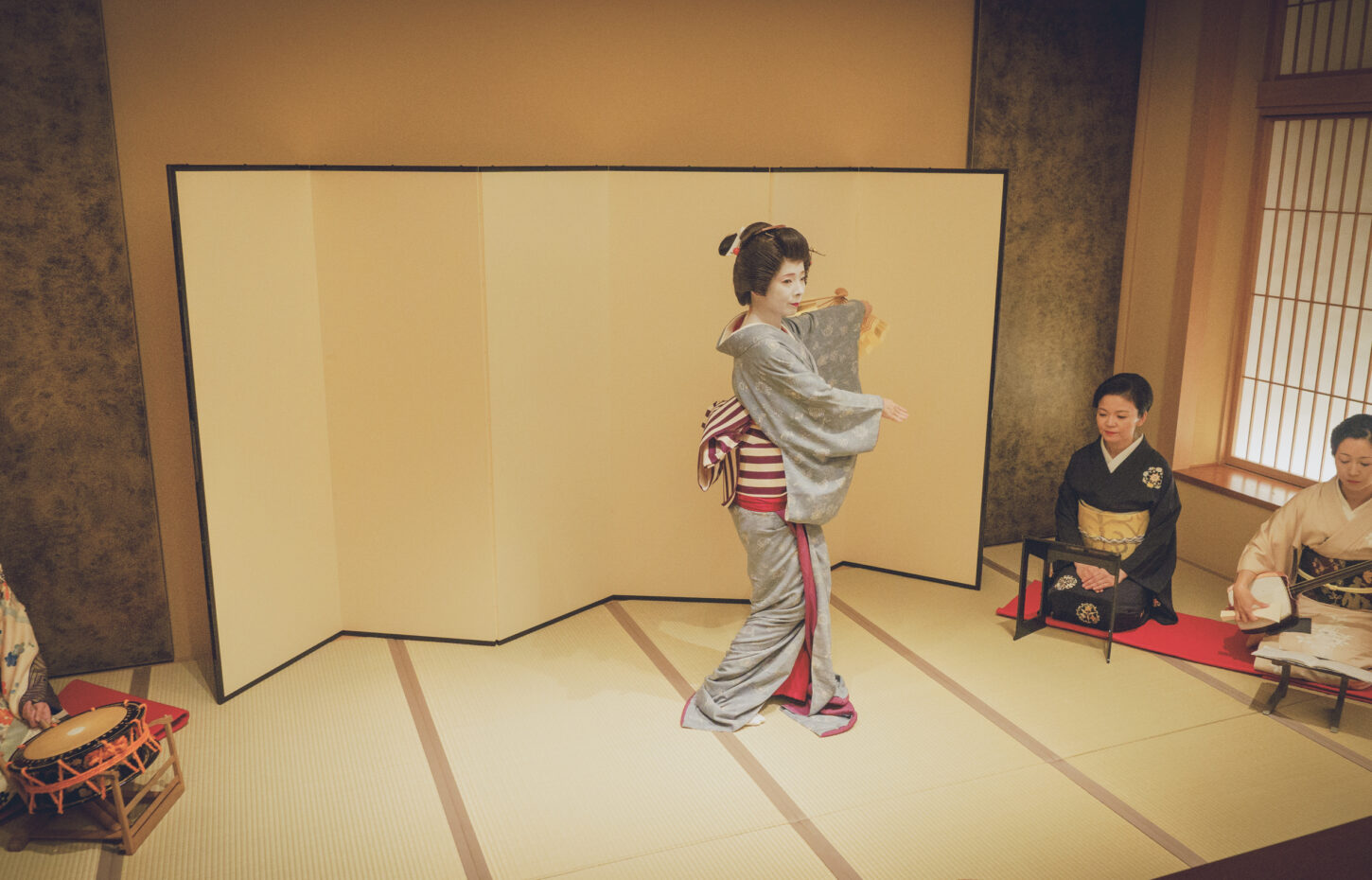
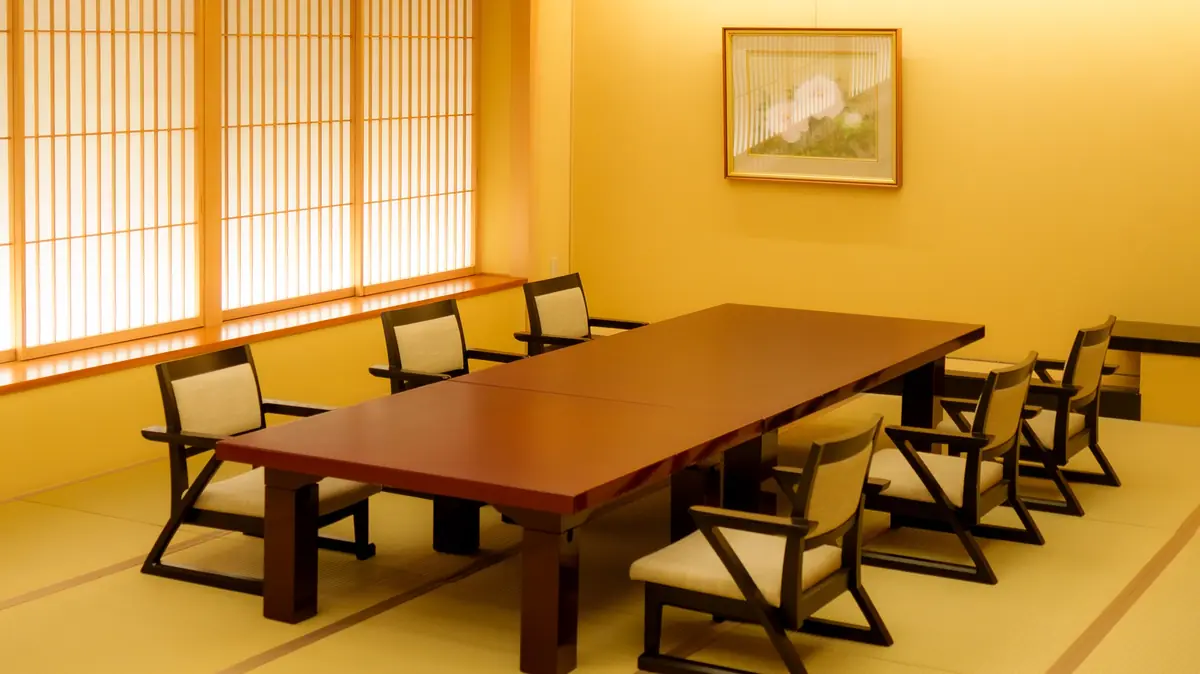
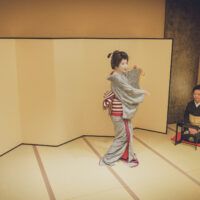
- The Experience: Here, you’ll be treated to a luxurious experience in a private, elegant room, with Asakusa’s highly trained geisha offering the classic ozashiki experience. This includes captivating geisha dance performances, the beautiful sounds of the shamisen, and traditional parlor games. This is a real taste of Japanese culture.
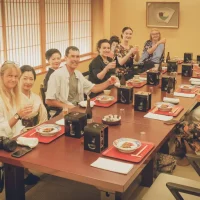
- The Cuisine: Your evening is complemented by exquisite, seasonal kaiseki meal/food, meticulously prepared to reflect the beauty of Japan’s changing seasons. This is an authentic meal served in a beautiful atmosphere.
- Open to Visitors: Unlike many exclusive ryōtei, Miyakodori welcomes both domestic and international VIPs and guests, offering special packages for important occasions, family celebrations, or simply for those wanting to immerse themselves in authentic Japanese tradition. Aiming to make karyūkai known to the world, they offer a unique story of the Edo period culture.
Stepping into Asakusa Miyakodori is like stepping back in time to the refined world of Edo [7, 8]. It is the perfect place to solve your traveler’s dilemma: “Where can I find an authentic, high-quality geisha experience in Tokyo?”
Frequently Asked Questions (FAQ)
Q: Are the geisha in Tokyo different from the geiko in Kyoto?
A: Yes. While they share the same fundamental role as highly trained artists and entertainers, their styles differ. Kyoto’s geiko are known for their elegant, miyabi style, while Tokyo’s geisha are often characterized by a sharp, sophisticated iki (chic) aesthetic, reflecting the distinct cultural histories of the two cities [3]. This difference is what makes visiting both areas special.
Q: How long is a typical geisha experience?
A: A full ozashiki experience, including a kaiseki dinner and performances, typically lasts between two to three hours [6]. This is enough time to learn about the culture and enjoy the entertainment.
Q: Can I take a picture with a geisha?
A: In a private setting like an ozashiki at a ryōtei such as Asakusa Miyakodori, taking a photograph with the geisha is often permitted and encouraged as a treasured memory. Always politely ask for permission first.
Conclusion: Your Journey into the Heart of Tokyo’s Traditional Culture
Finding a geisha in Tokyo is not about luck; it’s about knowing where to look and choosing the right setting for an authentic cultural experience. Whether you seek the lively atmosphere of the Asakusa hanamachi or the chic elegance of Kagurazaka, Tokyo offers unique and memorable ways to connect with this profound Japanese art form.
For an unparalleled, deeply traditional, and utterly enchanting evening in a historic setting, booking an ozashiki dinner at a venerable establishment like Ryōtei Asakusa Miyakodori (https://miyakodori-geisha.com/) is highly recommended. Dedicated to giving foreign visitors a true taste of the Edo karyūkai in the most elegant private dining environment. It’s an evening of traditional Japanese dance, music, and entertainment that will become a highlight of your trip to Japan. We hope you plan your visit for 2026 soon!
Please make your Miyakodori reservations hereReferences
[1] Where to See Geisha in Tokyo: Bookable Experiences, Festivals & More | Tokyo Cheapo
[2] Tokyo Geisha: Show, Experience & History – Tea Ceremony Japan Experiences MAIKOYA
[3] A Guide to Tokyo’s Geisha Districts | Tokyo Weekender
[4] Meeting the geisha of Mukojima, Tokyo | Japan-Guide
[6] GEISHA ENTERTAINMENT experience IN TOKYO — TOKI
[7] 浅草都鳥、お座敷き茶屋について | PR Times


- A Complete Guide to Hatsumōde at Senso-ji: Understanding the Difference Between Shrine and Temple Etiquette
- A Guide to Tokyo's Geisha Districts: Finding Authentic Experiences and Cultural Immersion
What Is a Geisha? A Direct Answer from Asakusa
Geisha Restaurant Near Me in Tokyo: Authentic Ozashiki at Miyakodori Asakusa
Geisha Etiquette in a Tatami Room: What to Know Before You Go
Authentic Geisha Experience vs. Geisha Makeover: What’s the Difference?
How Much Is a Geisha Dinner in Tokyo? (Complete Pricing Guide)
Karyukai: The Flower and Willow World of Geisha — Japan’s Geisha Culture Explained
Comment ( 0 )
Trackbacks are closed.
No comments yet.