




Celebrate the Start of 2026 in Asakusa — Your Complete Guide to a Perfect New Year’s Day
Welcome the new year in Asakusa, a district overflowing with traditional charm and vibrant energy.
This guide provides everything you need to enjoy the best of Asakusa during the New Year—
from kimono rentals and photogenic spots to shrine etiquette, lucky power spots, and food tips that are friendly for kimono wearers.
If you want to make your first shrine visit (Hatsumode) even more special, renting a colorful kimono is the perfect choice. Whether you’re posing under the giant lantern of Kaminarimon, riding a rickshaw, visiting the illuminated Sensoji Temple at night, or capturing Tokyo Skytree with the riverside scenery, Asakusa offers countless picturesque spots.
This guide also covers proper etiquette at Sensoji, must-visit shrines for good fortune, and useful tips for walking Asakusa in a kimono. By the time you finish reading, your ideal New Year itinerary in Asakusa will be ready to go.
1. Make New Year’s Day Extra Special with a Kimono Rental
1.1 Why Wear a Kimono in Asakusa on New Year’s Day?
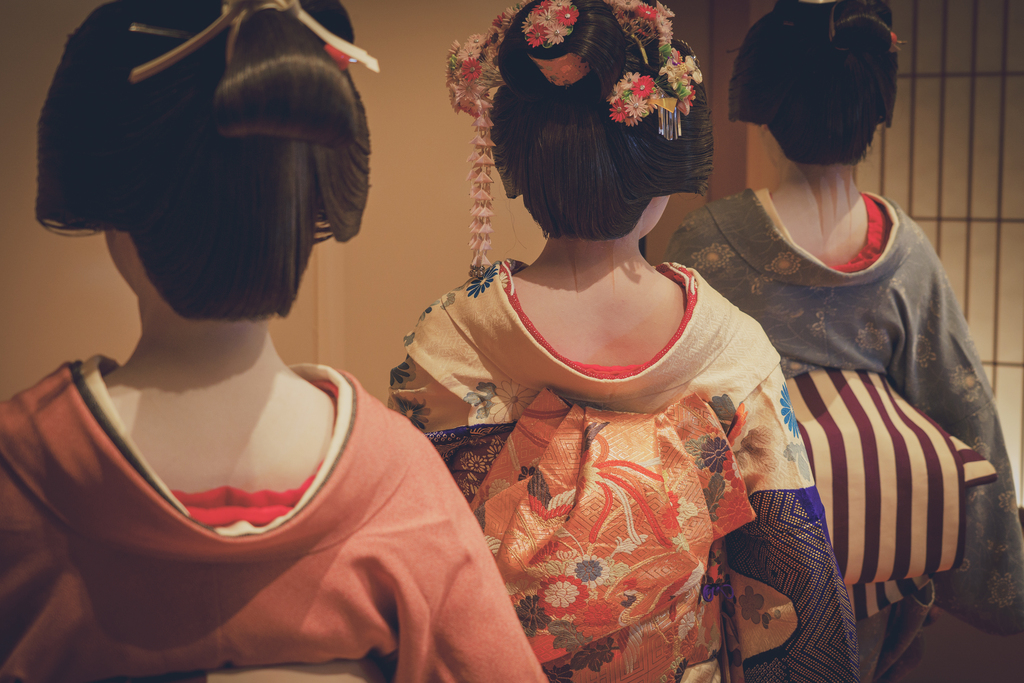
Asakusa’s historic streets look stunning paired with a traditional kimono.
Wearing one for your first shrine visit naturally straightens your posture and gives you a refreshed, ceremonial feeling as you begin the year.
With rental shops offering everything from kimono selection to dressing and hairstyling, it’s an easy way to enjoy a full Japanese cultural experience—no need to bring anything yourself.
1.2 How Kimono Rental Works (From Booking to Return)
Many shops accept online or phone reservations, making the whole process smooth and simple.
| Step | Description | Time (Approx.) |
|---|---|---|
| 1. Reservation | Book the date, time, and plan online or by phone. | — |
| 2. Check-in | Arrive at the shop and complete your registration. | ~10 min |
| 3. Kimono & accessory selection | Choose your favorite kimono, obi, and accessories. | ~10–20 min |
| 4. Dressing & hair styling | Professional staff dress you and style your hair. | ~20–30 min |
| 5. Start your walk | Drop off your belongings, choose a bag and sandals, and head out! | ~5 min |
| 6. Return | Come back by the designated time and change out. | ~15 min |
Kimono colors & patterns perfect for New Year
Bright, celebratory colors like red, white, and gold, and auspicious motifs such as pine, bamboo, plum, cranes, and turtles symbolize luck, longevity, and prosperity—perfect for ringing in the new year.
2. Instagram-Worthy New Year Spots in Asakusa
During New Year festivities, Asakusa becomes even more photogenic.
Here are the must-visit locations for kimono photos.
2.1 Classic Photo Spots You Shouldn’t Miss
| Spot | Why It’s Great |
|---|---|
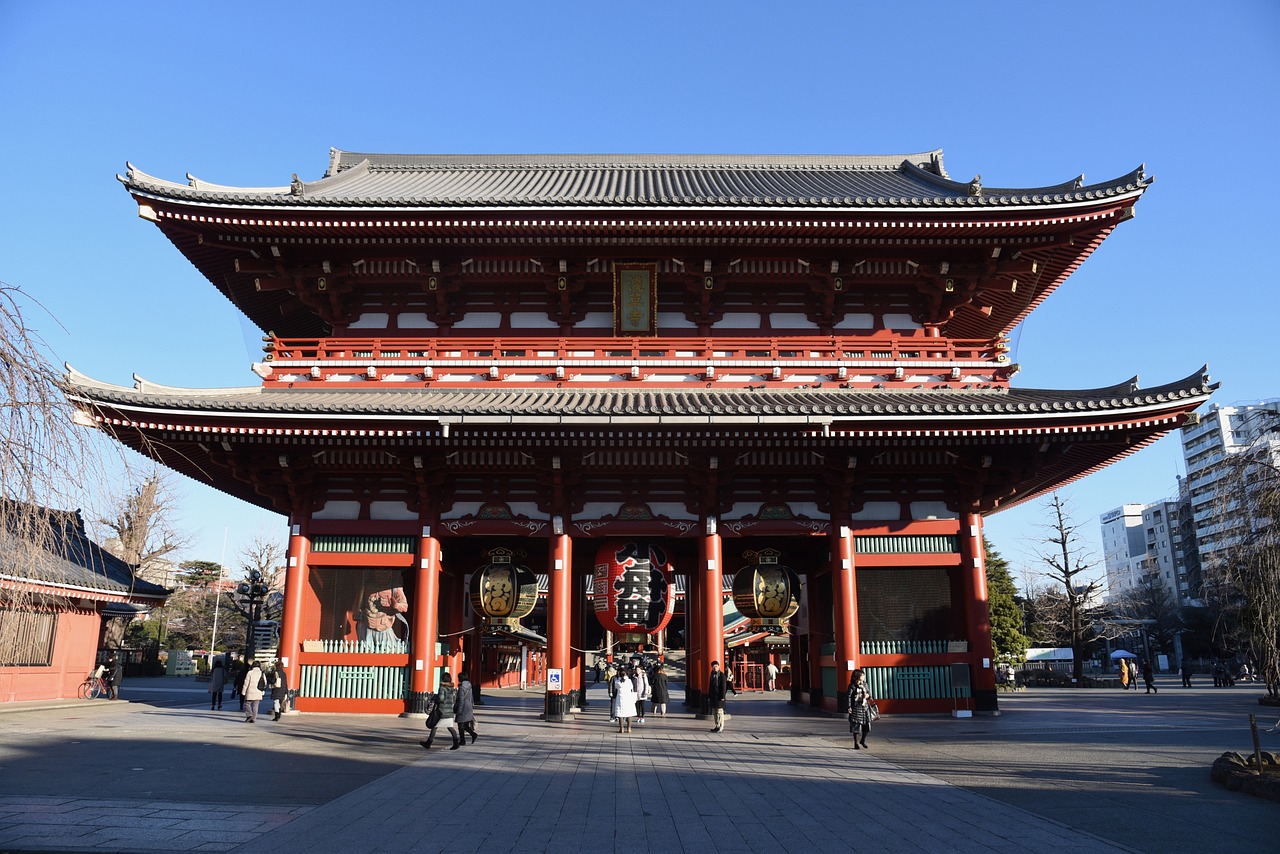
| Kaminarimon Gate & Rickshaw | A symbolic Asakusa backdrop. Capture the giant lantern or ride a rickshaw for elevated shots overlooking Nakamise Street. |
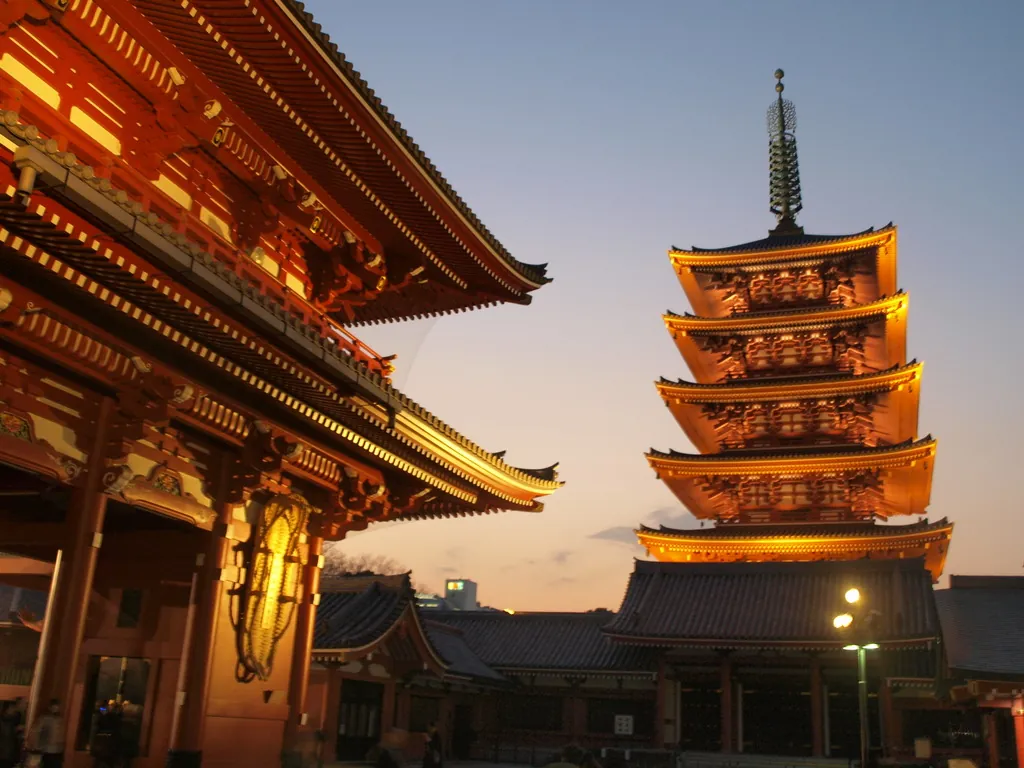
| Sensoji Temple at Night | A completely different atmosphere from daytime—quiet, mystical, and beautifully illuminated until around 11 PM. Perfect for avoiding New Year crowds. |
| Denboin Street | A retro street modeled after Edo-period architecture. Its old-style signs and the five-story pagoda make for wonderfully atmospheric photos. |
| Sumida River & Tokyo Skytree | From Sumida Park or Azumabashi, you can capture a stunning “old meets new” composition—traditional Asakusa with the modern Skytree. |
2.2 Posing & Composition Tips for Better Photos
- Standing pose: Angle your body slightly and step one foot back to highlight the kimono’s lines.
- Hand placement: Hold your bag neatly in front or gently grasp your sleeve for an elegant and natural look.
3. Boost Your Luck for 2026: Asakusa’s Top Power Spots
3.1 Start with a New Year’s Greeting at Sensoji Temple
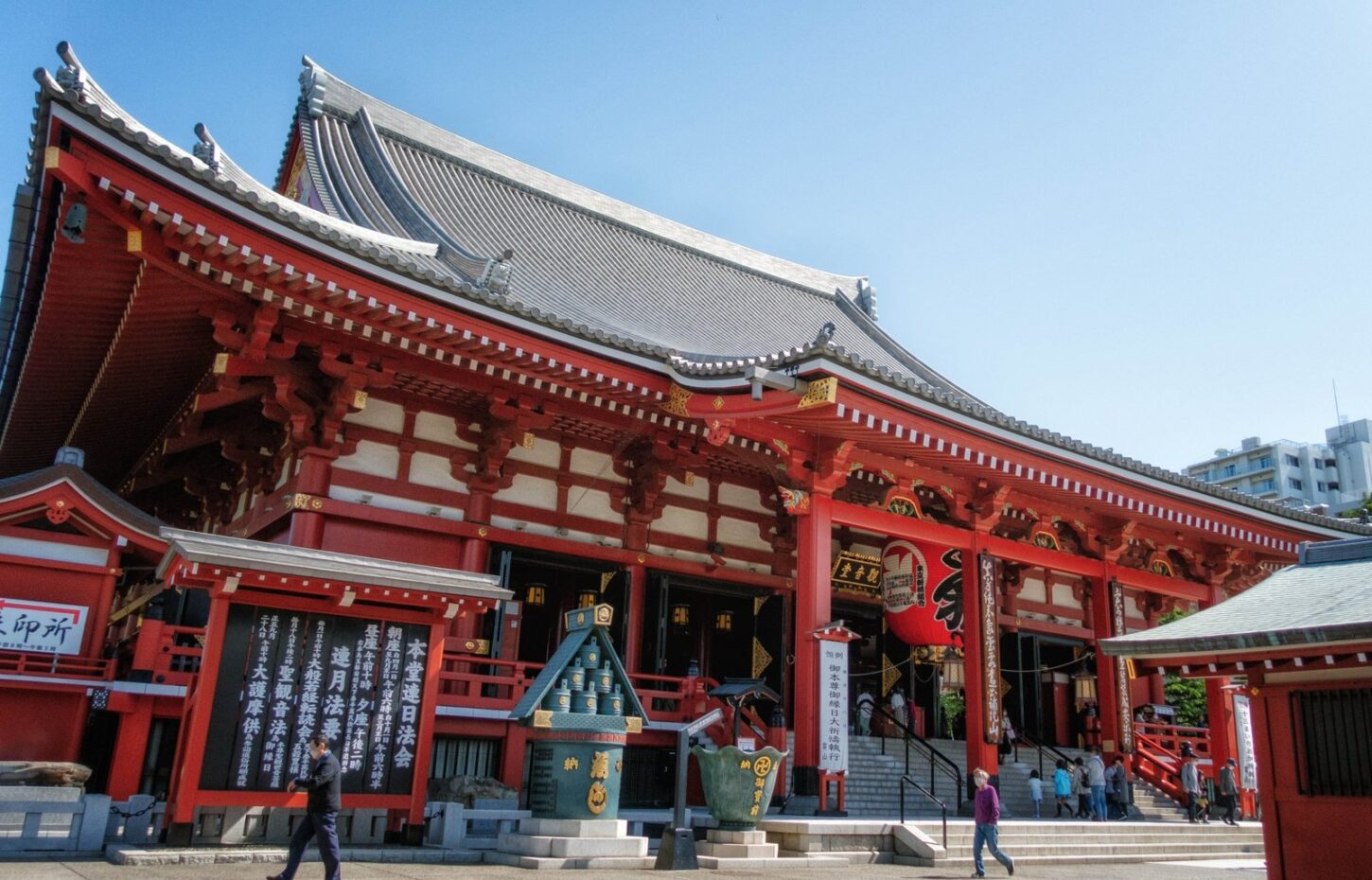
Sensoji, Tokyo’s oldest temple, is the perfect first stop of the year.
Greet the temple’s principal deity, Kannon Bodhisattva, and offer a prayer for happiness throughout the coming year.
Proper etiquette at Sensoji (Buddhist temple)
- Bow once at the gate.
- Purify your hands and mouth at the water basin.
- At the main hall: quietly offer coins, put your hands together, bow once.
No two bows, two claps, one bow—this is for Shinto shrines only.
3.2 Three Power Spots by Blessing
| Spot | Blessing | Highlights |
|---|---|---|
| Imado Shrine | Love & marriage | Known as the birthplace of the lucky “maneki-neko.” Rubbing the stone cat statue is said to bring good fortune. |
| Asakusa Shrine | Harmony & relationships | Located next to Sensoji. The “married guardian dogs” near the torii symbolize good partnerships. |
| Matsuchiyama Shoden | Wealth & health | A sub-temple of Sensoji. The radish symbolizes purification and good relationships; the drawstring pouch represents prosperity. |
4. Useful Tips for Enjoying Asakusa During New Year
4.1 How to Avoid the Huge Hatsumode Crowds
New Year crowds peak between 10 AM and 5 PM.
Best times to visit:
- Early morning (6:30–9:00 AM)
- Evening or later (after major crowds subside)
Or, visit from January 4 onward for a calm atmosphere.
Take side streets like Denboin Street or Orange Street to reach the temple while avoiding the busiest parts of Nakamise.
4.2 Kimono-Friendly Food & Cafes
Here’s how to enjoy food without worrying about staining your kimono or tightening your obi.
| Category | Recommendation | Kimono Tips |
|---|---|---|
| Street snacks | Asakusa Kibidango Azuma — small portions and less powder scatter | Avoid oily or soupy items; for Asakusa Menchi, be careful with dripping meat juices |
| Relaxed cafes | Fruit Parlor Goto — seasonal parfaits, spacious seating | Comfortable even with a kimono |
| Traditional sweets | Umemura — famous for “mamekan,” quiet atmosphere | Ideal for a calm, elegant break |
| Retro-style rest spots | Taisho Roman-kan | Great for photos; confirm seating availability ahead |
5. Conclusion
Welcome 2026 in style by spending a memorable day in Asakusa dressed in a beautiful kimono.
Capture unforgettable photos at Kaminarimon or the illuminated Sensoji Temple, and visit power spots like Imado Shrine and Matsuchiyama Shoden to invite good fortune for the year ahead.
With tips to avoid crowds and enjoy food safely even in a kimono, this guide helps you create your very own perfect New Year’s Day plan in Asakusa.


- Top 5 Must-Do Experiences in Asakusa — Including an Authentic Geisha Encounter
- Visiting Asakusa? Here Are the Best Places to Try Japanese Sake
Japanese Culture: Traditions, Arts and Living Heritage — Complete Guide
Day Trip in Asakusa in Winter! From Spectacular Cafes to Natural Hot Springs “Yudonburi Eiyu”
Asakusa Geisha Encyclopedia: Inside Tokyo’s Hanamachi
Best Time to Visit Sensoji Temple: Hours, Crowds and the Quiet Times Locals Know
Wagashi in Japan: A Guide to Traditional Japanese Sweets, Seen Through the Eyes of an Asakusa Geisha House
Senso-ji Temple Charms List: Omamori for Every Wish and How to Pray
Comment ( 0 )
Trackbacks are closed.
No comments yet.