



6 Sento & Saunas to Relax at After Your Asakusa Trip
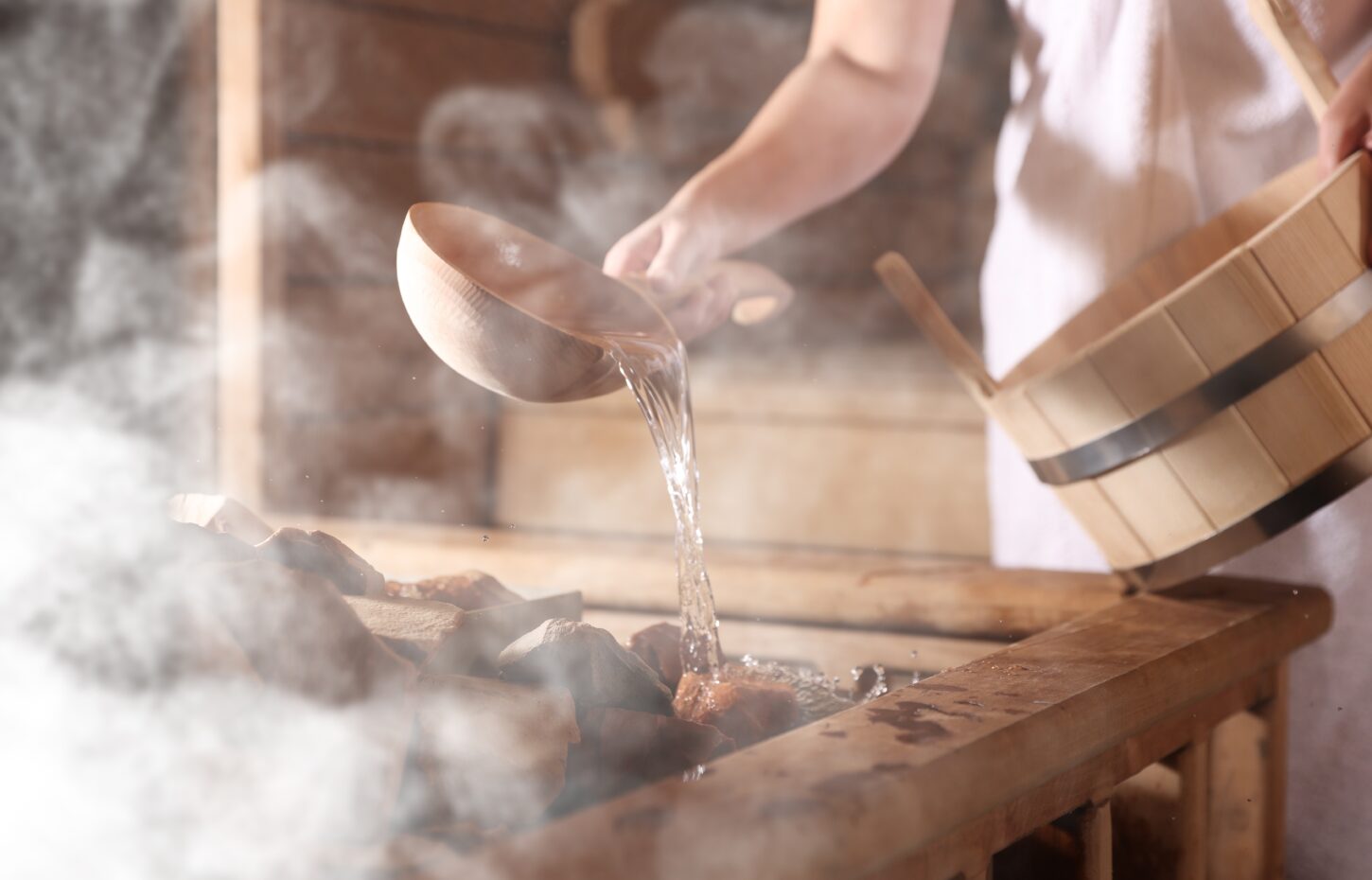
After enjoying everything Asakusa has to offer, why not unwind and recharge at a local sento (public bathhouse) or sauna? This article introduces six unique and appealing hot spring facilities in and around Asakusa, ranging from a historic neighborhood bathhouse to a veritable mecca for sauna enthusiasts — including several with an official tattoo-friendly policy for travelers who have them. We also provide a list of what to bring and some etiquette tips to ensure you have a relaxing and comfortable experience, even if it’s your first time.
Traveling with tattoos? Several of the spots below welcome guests with tattoos — look for the “Tattoo policy” line in each listing, and see the quick-reference table for a side-by-side comparison.
1. A New Way to Conclude Your Asakusa Trip: Relax at a Sento
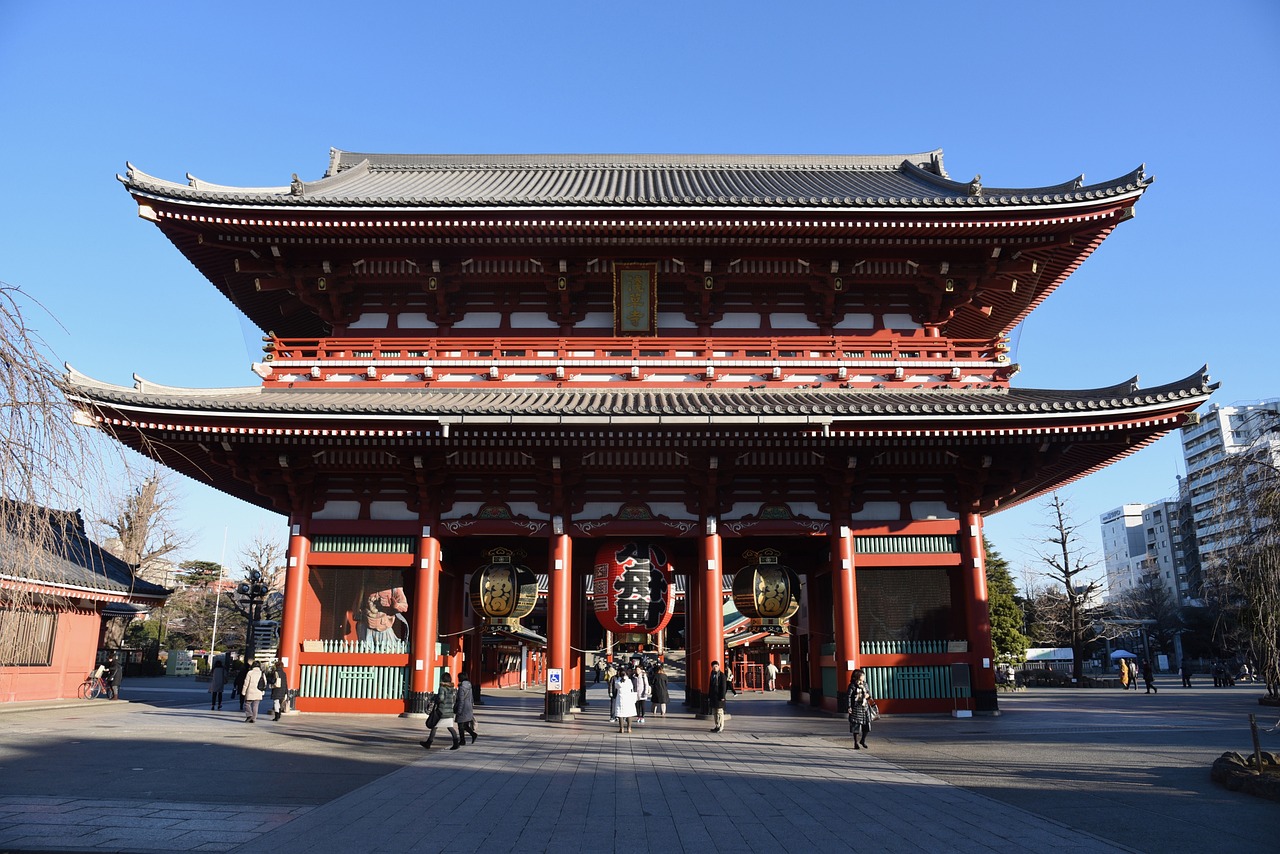
Asakusa is an incredible place, with so much to see and do, from the famous Kaminarimon Gate to Senso-ji Temple and the bustling Nakamise-dori street. After a full day of walking and exploring, your body might be exhausted, even if your heart is full. A wonderful way to cap off your journey is to experience a quintessential piece of Japanese culture: a sento.
Asakusa’s bathhouses are more than just places to get clean; they are special spaces steeped in the local culture that has thrived since the Edo period. Soaking in the warm water will soothe your aching feet and make your memories of the trip even more special.
1.1 Why a Sento is Perfect After Sightseeing in Asakusa
Exploring Asakusa’s historic sites and enjoying its food can be more physically demanding than you might think. A visit to a sento at the end of the day offers several benefits:
- Recovery from fatigue: Soaking in a warm bath promotes blood circulation, which helps to relieve muscle soreness.
- Mental refreshment: Stepping away from the hustle and bustle into a peaceful, quiet space is a great way to de-stress.
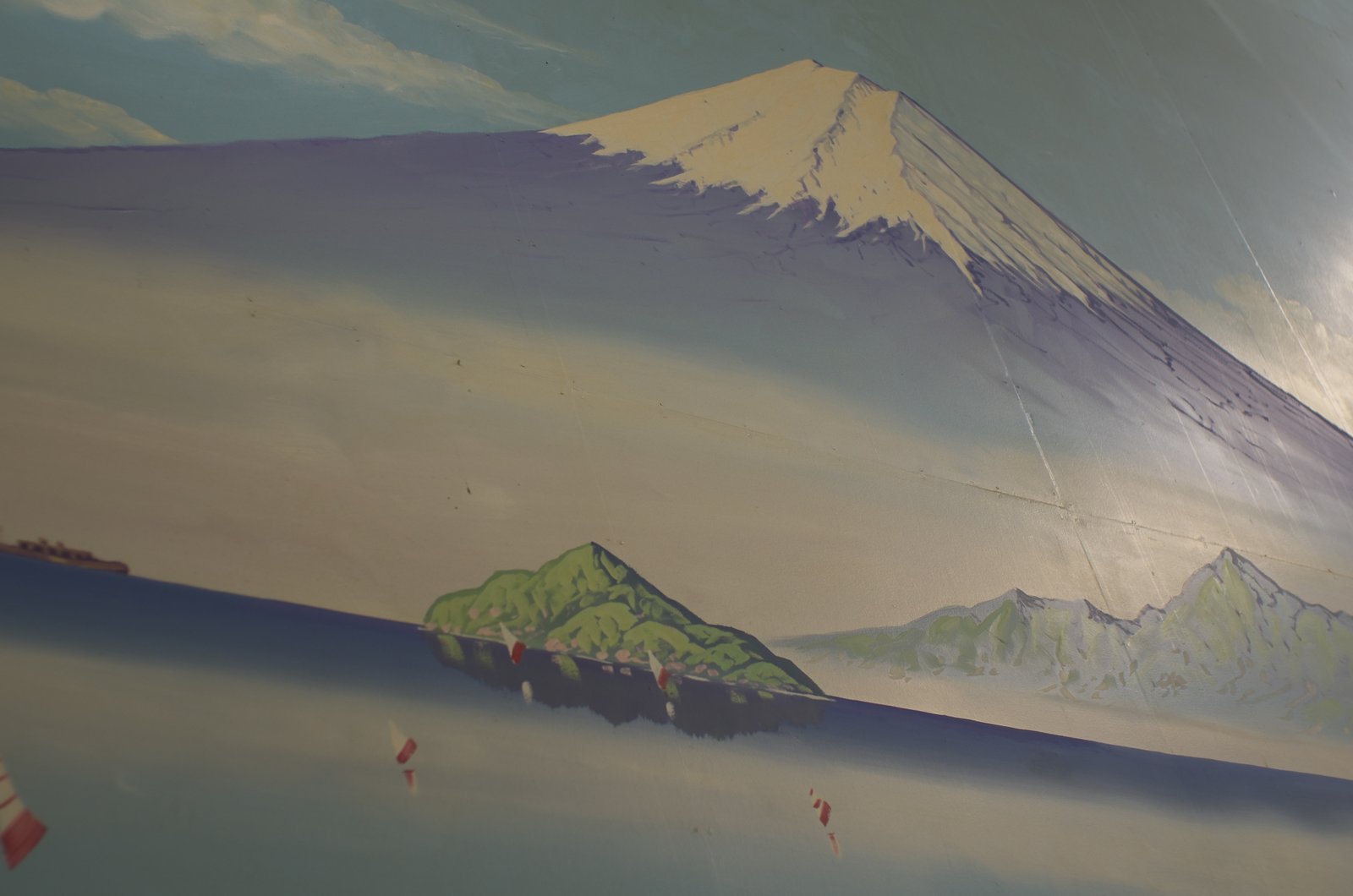
- Cultural immersion: You’ll get to experience the unique atmosphere of a Japanese bathhouse, often featuring classic Fujisan (Mount Fuji) murals.
Taking time to unwind after a day of sightseeing will not only refresh you for the next day’s adventures but also significantly enhance your overall travel experience.
1.2 The Appeal of Hands-Free Sento in Asakusa
If you’re thinking, “I’d love to visit a sento, but I’m not prepared,” don’t worry. Many bathhouses in and around Asakusa offer towel rentals and provide toiletries like shampoo and soap. This makes it incredibly easy to just drop in without any prior planning. We’ll go over a detailed packing list later, but you can confidently enjoy a spontaneous visit.
2. 6 Sento & Saunas to Visit During Your Asakusa Trip
Here are six unique bathhouses and saunas that are perfect for relieving the fatigue of your Asakusa adventures — from neighborhood sento to a fully private, reservation-only sauna. These spots range from traditional establishments to modern facilities, so you can choose the one that best suits your mood.
2.1 Kaei-yu: A Modern and Stylish Designer Sento
Kaei-yu, which reopened in 2020, challenges the traditional image of a sento with its modern and refined design. It features a high-concentration carbonic acid bath and a silky micro-bubble bath, both known for their health and beauty benefits. The clean, well-equipped space makes it a great choice for sento beginners and women. Although the closest station is Minowa, it’s worth the short trip from Asakusa to visit this exceptional bathhouse.
- Location
- 2-10-15 Minowa, Taito-ku, Tokyo
- Access
- About a 3-minute walk from Minowa Station on the Tokyo Metro Hibiya Line
- Hours
- 2:00 PM – 12:00 AM (from 12:00 PM on weekends; public holidays follow the day-of-week schedule)
- Closed
- Tuesdays
- Reservation
- Not required — walk-ins welcome
- Tattoo policy
- Not permitted, regardless of size — cover-up stickers or bandages are not accepted either
2.2 ROX Matsuri-yu: A Large Spa Connected to Asakusa Station
Located on the 7th floor of Asakusa ROX, ROX Matsuri-yu is a large-scale spa where you can relax for hours without needing to bring anything. It boasts 11 different baths, including an open-air bath, and three types of saunas. The facility also has a restaurant and a spacious lounge, making it a perfect spot to rest between sightseeing activities. Its excellent location, directly connected to Asakusa Station on the Tsukuba Express Line, means you can visit easily, no matter the weather.
- Location
- Asakusa ROX 7F, 1-25-15 Asakusa, Taito-ku, Tokyo
- Access
- Directly connected to Exit A1 of Asakusa Station on the Tsukuba Express Line
- Hours
- Mon–Sat 10:30 AM – 9:00 AM the next day; Sun 10:30 AM – 11:00 PM
- Closed
- Open year-round (except for facility maintenance days)
- Reservation
- Not required — walk-ins welcome
- Tattoo policy
- Not permitted in principle, but as of June 2024 guests may enter if tattoos are fully covered with the facility’s designated stickers (100mm × 140mm, up to two)
2.3 Sauna Center: A Holy Site for Sauna Enthusiasts
Sauna Center is an exclusively male facility known as a “sauna mecca” that attracts serious sauna enthusiasts. It features a carefully controlled sauna room, a refreshingly cold water bath, and a comfortable outdoor seating area for optimal “totonou” (a state of deep relaxation). If you’re a man who loves saunas and wants to quickly refresh after a day of sightseeing, this is a must-visit spot.
- Location
- 2-4-7 Shitaya, Taito-ku, Tokyo
- Access
- About a 3-minute walk from the South Exit of JR Uguisudani Station
- Hours
- Open 24 hours
- Closed
- Open year-round
- Reservation
- Not required — walk-ins welcome
- Tattoo policy
- Not permitted under any circumstances
2.4 SAUNALAND ASAKUSA: A Private Wood-Fired Sauna for Total Seclusion
For travelers who’d rather have a sauna entirely to themselves, SAUNALAND ASAKUSA offers fully private, reservation-only rooms right in the heart of Asakusa. Its centerpiece is a rare wood-fired sauna — still uncommon even in Tokyo — paired with a chilled cold plunge and an open-air relaxation nook. Because you rent the whole room for your group, tattoos are welcome with no restrictions and nothing to declare at check-in.
- Location
- 1-34-2 Asakusa, Taito-ku, Tokyo
- Access
- About a 2-minute walk from Asakusa Station
- Hours
- Approx. 9:00 AM – 10:40 PM (reservation-based; check the official site for available slots)
- Reservation
- Required — book online in advance
- Tattoo policy
- Allowed, no restrictions
2.5 Yudonburi Sakaeyu: A Natural Hot Spring Bathhouse with a Himalayan Salt Sauna
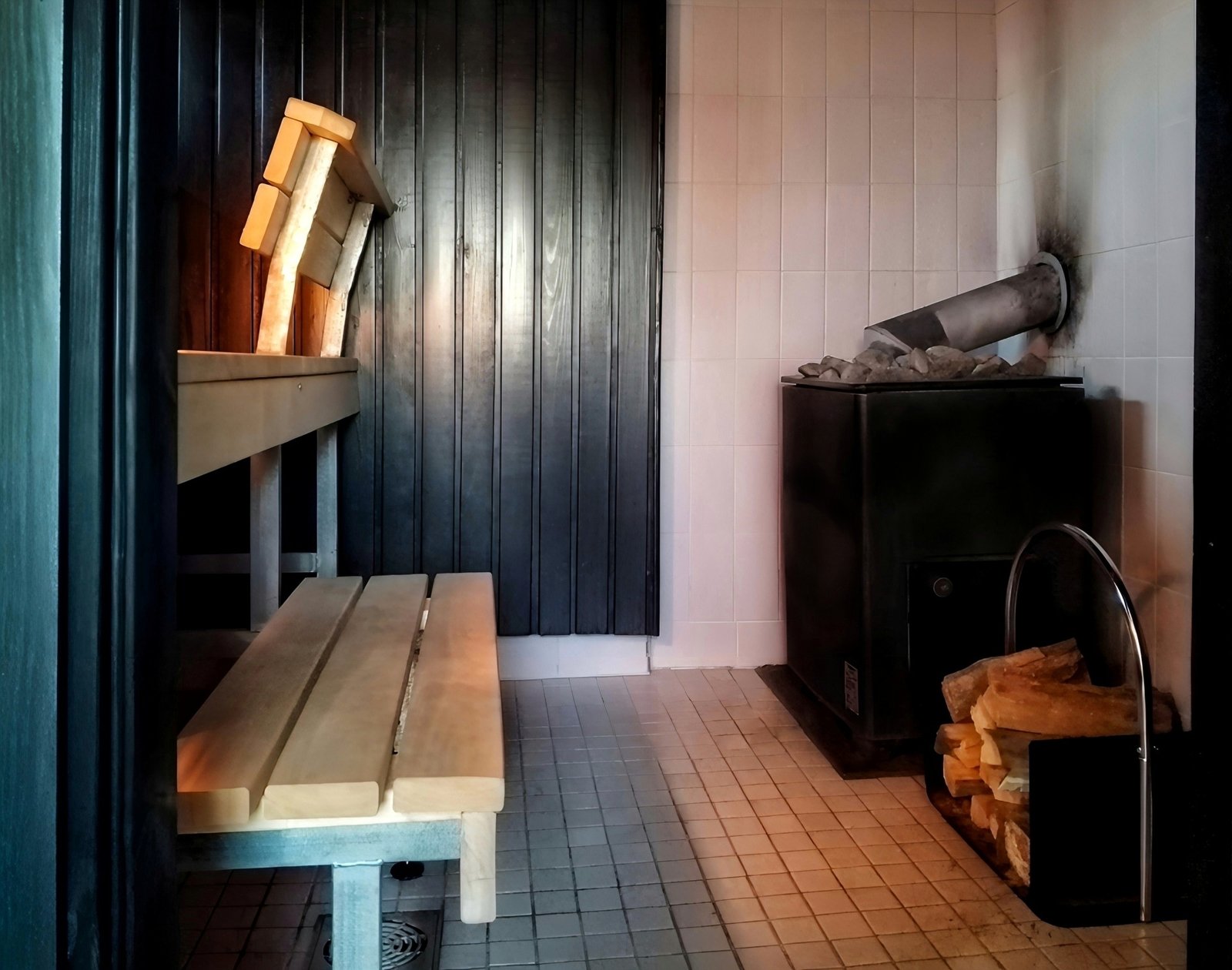
A short walk from Minowa Station, this natural hot spring sento fills every one of its tubs with real onsen water rather than heated tap water — a rarity in central Tokyo. The standout feature is its Himalayan salt sauna, built around blocks of pink rock salt said to boost circulation, paired with a cold plunge and a relaxing open-air bath.
- Location
- 1-4-5 Nihonzutsumi, Taito-ku, Tokyo
- Access
- About an 11-minute walk from Minowa Station (Hibiya Line)
- Hours
- 2:00 PM – 11:00 PM (from 12:00 PM on Sundays and holidays)
- Closed
- Wednesdays
- Reservation
- Not required — walk-ins welcome
- Tattoo policy
- Allowed
2.6 Kotobuki-yu: A Historic Shrine-Style Bathhouse Near Ueno
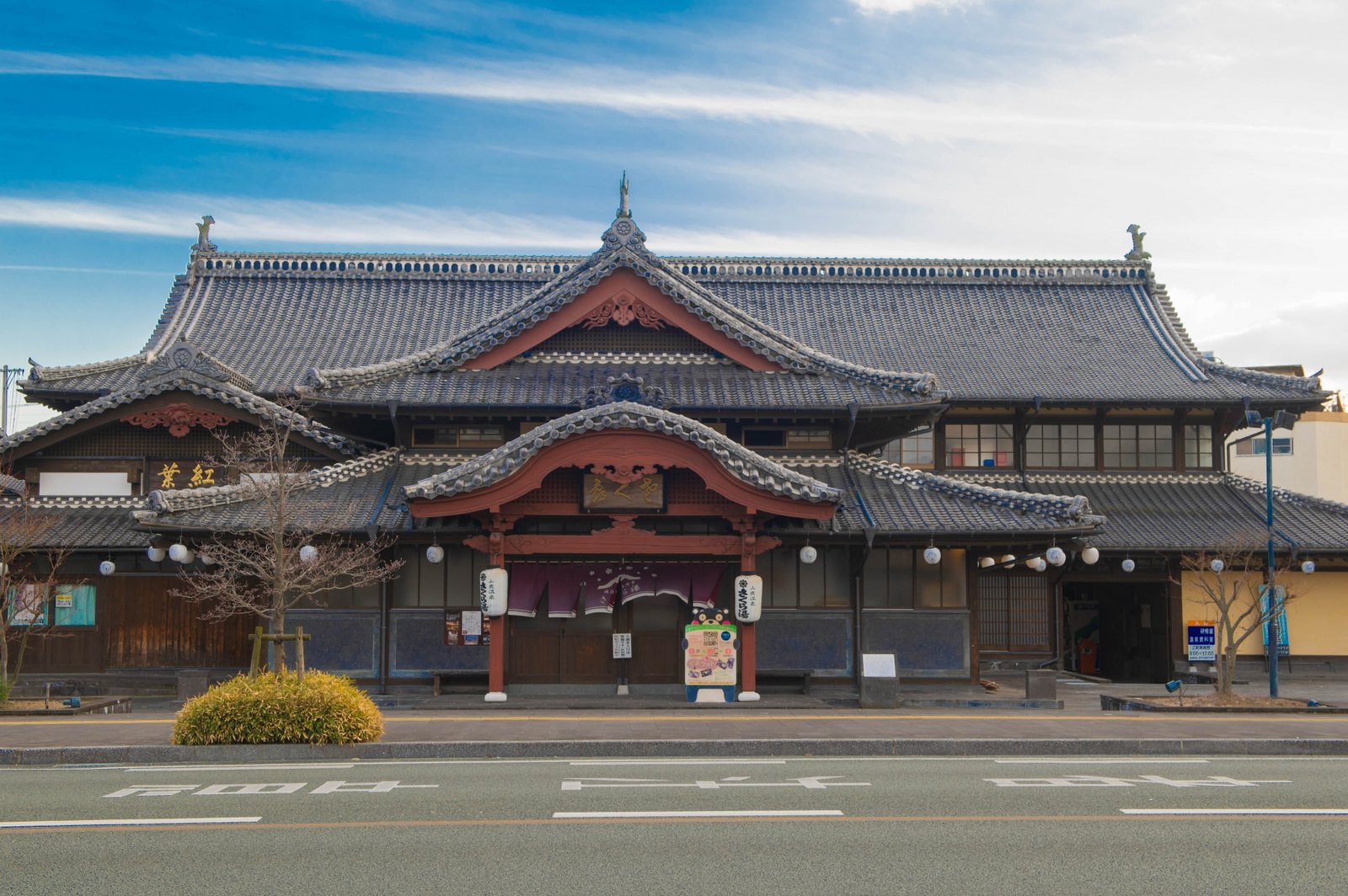
Just two minutes from Inaricho Station, Kotobuki-yu is a classic miyazukuri-style sento — the kind with an ornate, shrine-like facade — best known for its popular open-air bath. It’s a favorite for travelers who want to experience an old-school Tokyo bathhouse in a walkable location.
- Location
- 5-4-17 Higashi-Ueno, Taito-ku, Tokyo
- Access
- About a 2-minute walk from Inaricho Station (Ginza Line); about a 7-minute walk from JR Ueno Station (Iriya exit)
- Hours
- 11:00 AM – 1:30 AM (approx.)
- Reservation
- Not required — walk-ins welcome
- Tattoo policy
- Reported to be allowed, but not stated on the official site — check before you go
After the Bath, an Evening in Asakusa
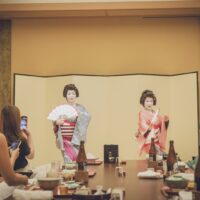
At our teahouse in Asakusa, a private ozashiki (a private gathering with geisha) brings geisha dance, shamisen and games to a tatami room of your own, timed to your booking — with a meal if you would like one. First-time and overseas guests are welcome without an introduction.
3. Tips for Your First Sento Visit in Asakusa
When visiting a sento in Asakusa, it’s helpful to know what to bring, the basic etiquette, and each facility’s tattoo policy to ensure a pleasant experience for everyone.
3.1 At a Glance: Tattoo Policies
| Facility | Tattoo Policy | Reservation |
|---|---|---|
| Kaei-yu | Not permitted | Not required |
| ROX Matsuri-yu | Allowed if fully covered with designated stickers | Not required |
| Sauna Center | Not permitted | Not required |
| SAUNALAND ASAKUSA | Allowed, no restrictions | Required |
| Yudonburi Sakaeyu | Allowed | Not required |
| Kotobuki-yu | Reported to be allowed (check before you go) | Not required |
Tattoo policies vary widely between facilities in Japan — some ban them outright, others allow full coverage with stickers, and private sauna rentals are typically tattoo-friendly. Always confirm directly with the facility before you visit, as policies can change.
3.2 Your Essential Sento Packing List
While many modern bathhouses provide towels and amenities, a little preparation can make your visit even more comfortable. Here’s a list of what you might want to bring with you.
- Towels (face and bath): While many facilities rent or sell them, bringing your own can be more convenient.
- Change of clothes: Fresh underwear and clothes are a must.
- Plastic bag: Handy for storing wet towels or used clothes to keep the rest of your bag dry.
- Toiletries and skincare: Shampoo and soap are often provided, but bring your own if you have a preference. Don’t forget lotion or moisturizer, as your skin can get dry after a bath.
- Coins: You’ll need these for the entrance fee, lockers, or dryers.
3.3 Sento Etiquette for First-Timers
Japanese sento have a few simple rules to ensure everyone has a relaxing time. Knowing the basics will help you feel more comfortable.
- Shoe locker and front desk: Upon entering, place your shoes in a locker and take the wooden key to the front desk. Purchase an admission ticket or pay the fee directly.
- Changing room: In the changing room, store all of your clothes and belongings in a locker. You shouldn’t bring anything with you except for toiletries and a small towel. Keep the locker key safe by wearing it on your wrist or ankle.
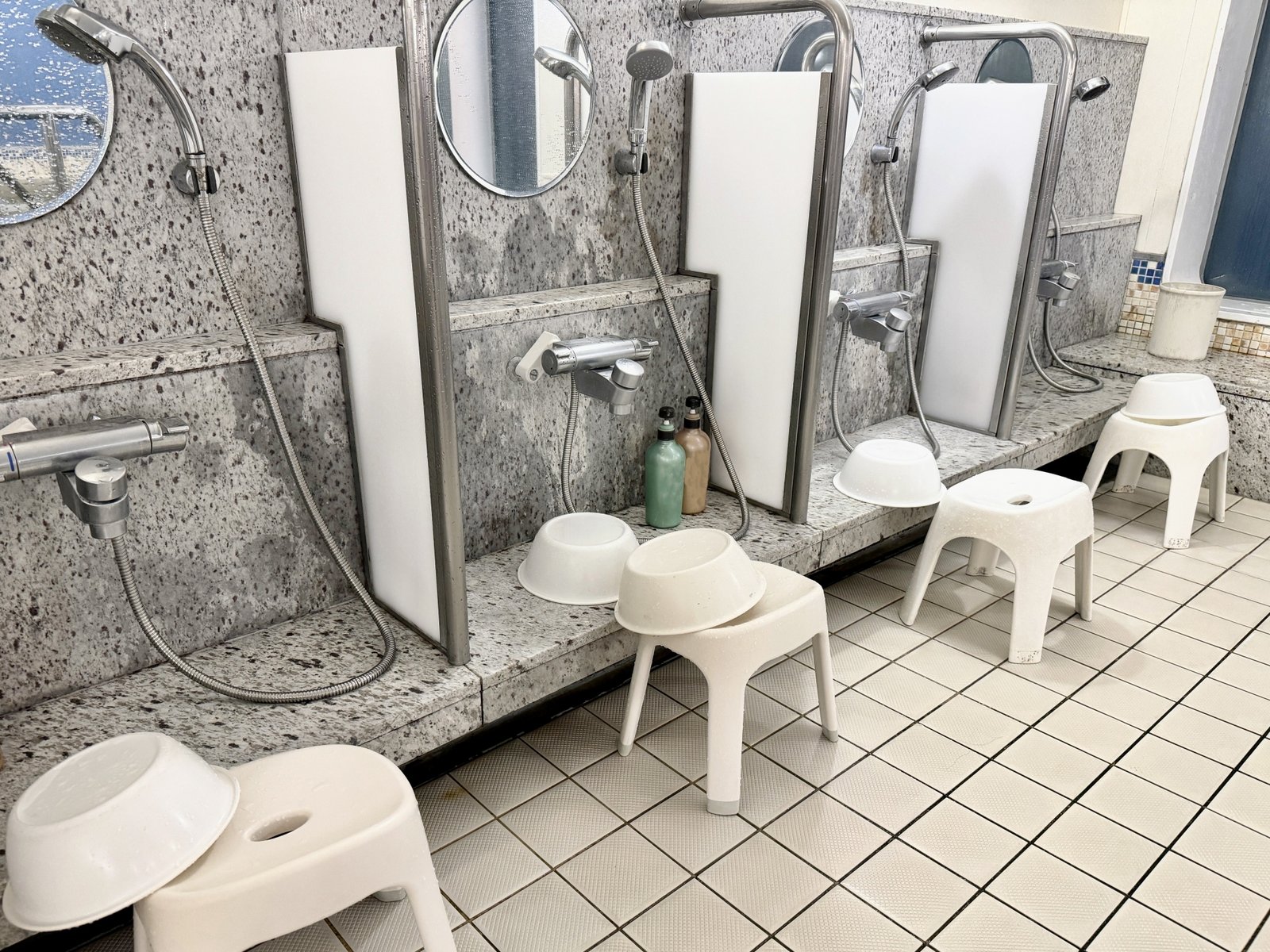
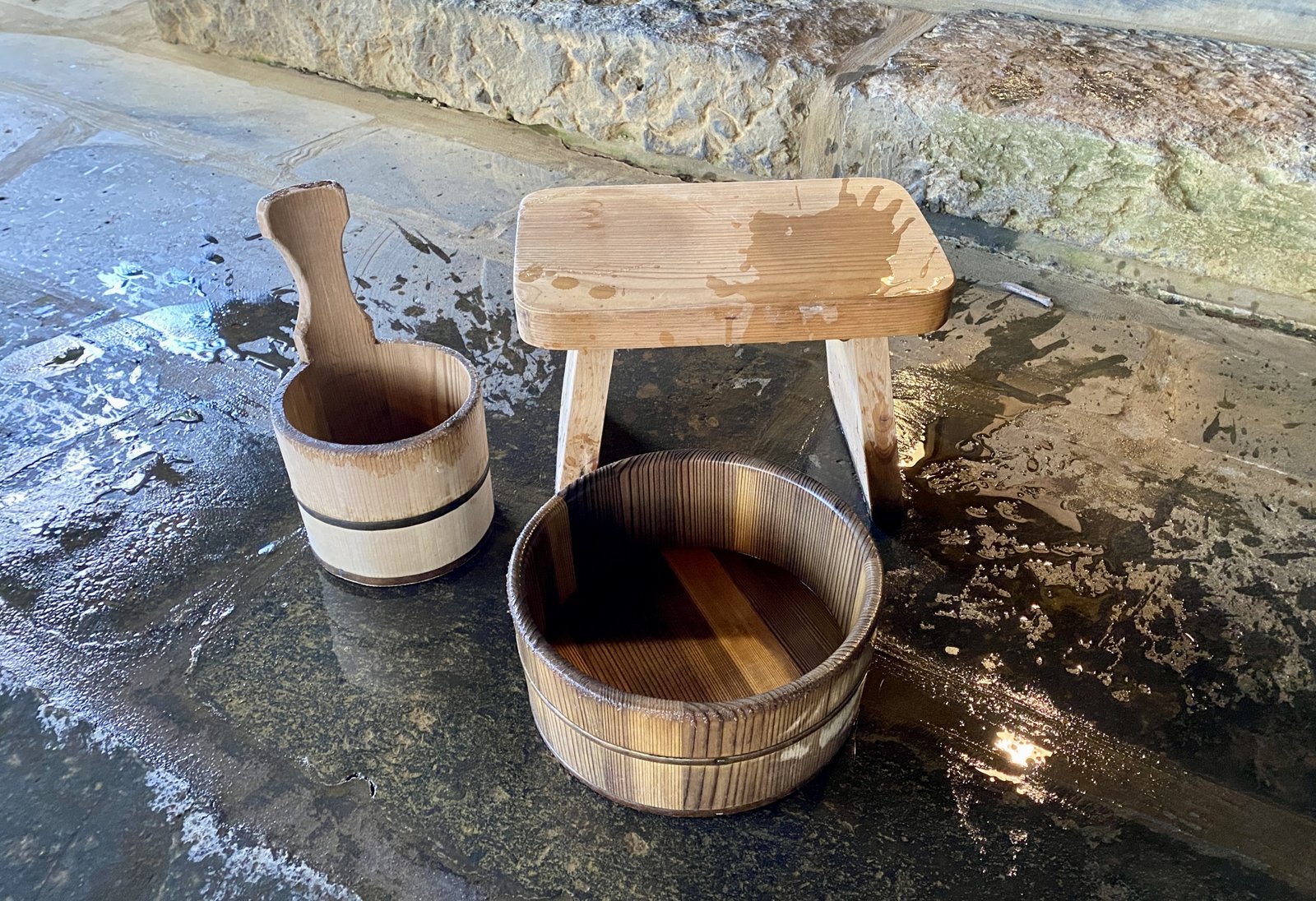
- Washing: Wash your hair and body thoroughly in the washing area first. Be mindful not to splash water or soap on others, so sitting down on the stools provided is the standard manner. Standing and showering if people are nearby can be considered rude.
- Kake-yu (rinsing): Before entering the main bath, always rinse your body with warm water from the washing area. This is one of the most important rules for keeping the bathwater clean. Start from your feet and gradually work your way up to get your body used to the temperature.
- Bathing: When you enter the bath, tie up long hair and avoid letting your towel touch the water. You can place your towel on your head or at the side of the tub.
- After the bath: Before returning to the changing room, wipe the excess water off your body with your towel to prevent the floor from getting wet.
4. Frequently Asked Questions
Do I need to make a reservation to visit a sento in Asakusa?
Most neighborhood sento and spas — including Kaei-yu, ROX Matsuri-yu, Sauna Center, Yudonburi Sakaeyu, and Kotobuki-yu — are walk-in only, so you can simply show up during opening hours. SAUNALAND ASAKUSA is the exception: since it’s a fully private, room-rental sauna, you’ll need to book online in advance.
Which of these facilities allow tattoos?
SAUNALAND ASAKUSA (no restrictions) and Yudonburi Sakaeyu (allowed) welcome guests with tattoos. Kotobuki-yu is also reported to allow them, but its official site does not say so, so check before you go. ROX Matsuri-yu allows entry if tattoos are fully covered with its designated stickers. Kaei-yu and Sauna Center do not permit tattoos under any circumstances. See the comparison table above for a quick reference, and confirm with the facility directly before visiting, as policies can change.
Can men and women bathe together?
Mostly no. Like nearly all sento and public baths in Japan, these facilities have separate bathing areas for men and women (Sauna Center is exclusively for men). SAUNALAND ASAKUSA is the exception: you rent the sauna as a group and everyone wears swimwear (rentals available), so mixed groups can use it together.
Is it okay to visit alone as a first-timer?
Yes. Solo visits are completely normal, and the packing list and etiquette tips cover everything you need to feel confident on your first trip.
What if I don’t have a towel or toiletries with me?
No problem — most of the facilities listed here rent or sell towels and provide basic toiletries like shampoo and soap, so you can visit without any advance preparation.
5. Conclusion
Why not end your historic and vibrant Asakusa journey by sweating it out at a sento or sauna? This article introduced six unique facilities — from a designer sento and a sauna mecca for men, to a fully private wood-fired sauna and a handful of tattoo-friendly neighborhood bathhouses. Whichever you choose, soaking in the warm water and experiencing local bathhouse culture is a perfect way to rejuvenate your body and make your trip even more memorable.
Round Off Your Asakusa Trip
Miyakodori, founded in 1950, is the only machiai-chaya in Asakusa. Request a private ozashiki (a private gathering with geisha) and spend an evening in a tatami room with Asakusa geisha, with English support throughout.


- 【Definitive Guide】Retro Coffee Shops Found in Asakusa | Relaxing Moments in Nostalgic Spaces
- Enjoy Asakusa! Complete Year-Round Information on Seasonal Events, Festivals, and Sightseeing Activities
Enjoying Exquisite Shaved Ice in Asakusa! Top 6 Local Favorites Part 2
Autumn Asakusa Temple Sightseeing Guide | Maple Viewing, Illumination, Events, and Recommended Gourmet Information Summary
【Reservation Required】Asakusa Christmas Dinner Definitive Guide! 3 Recommended Restaurants with Private Rooms
Traditional Japanese Culture Experience: A 2026 Travel Guide
Your Complete Guide to a Kimono Day in Asakusa: Makeup, Spots & Seasonal Tips
Kanzashi: A Guide to Japanese Hair Ornaments
Comment ( 0 )
Trackbacks are closed.
No comments yet.