



Enjoy Asakusa! Complete Year-Round Information on Seasonal Events, Festivals, and Sightseeing Activities
4. Asakusa in Autumn: Embracing Traditional Culture (September-November)
As the summer heat subsides and the weather becomes pleasant, autumn in Asakusa is the perfect time to immerse yourself in traditional Japanese culture. With many historical events held, you can enjoy a leisurely stroll through the town’s elegant atmosphere.
4.1 Asakusa Toro Matsuri (Lantern Festival)
Held at the Asakusa Nishi-Sando Shopping Street, this festival features about 350 lanterns decorated with themes from all over Japan. They gently illuminate the streets, creating a fantastical atmosphere for an evening stroll.
| Detail | Description |
| Date | Mid-September to early October (approximate) |
| Location | Asakusa Nishi-Sando Shopping Street |
4.2 Tokyo Jidai Matsuri (Historical Pageant)
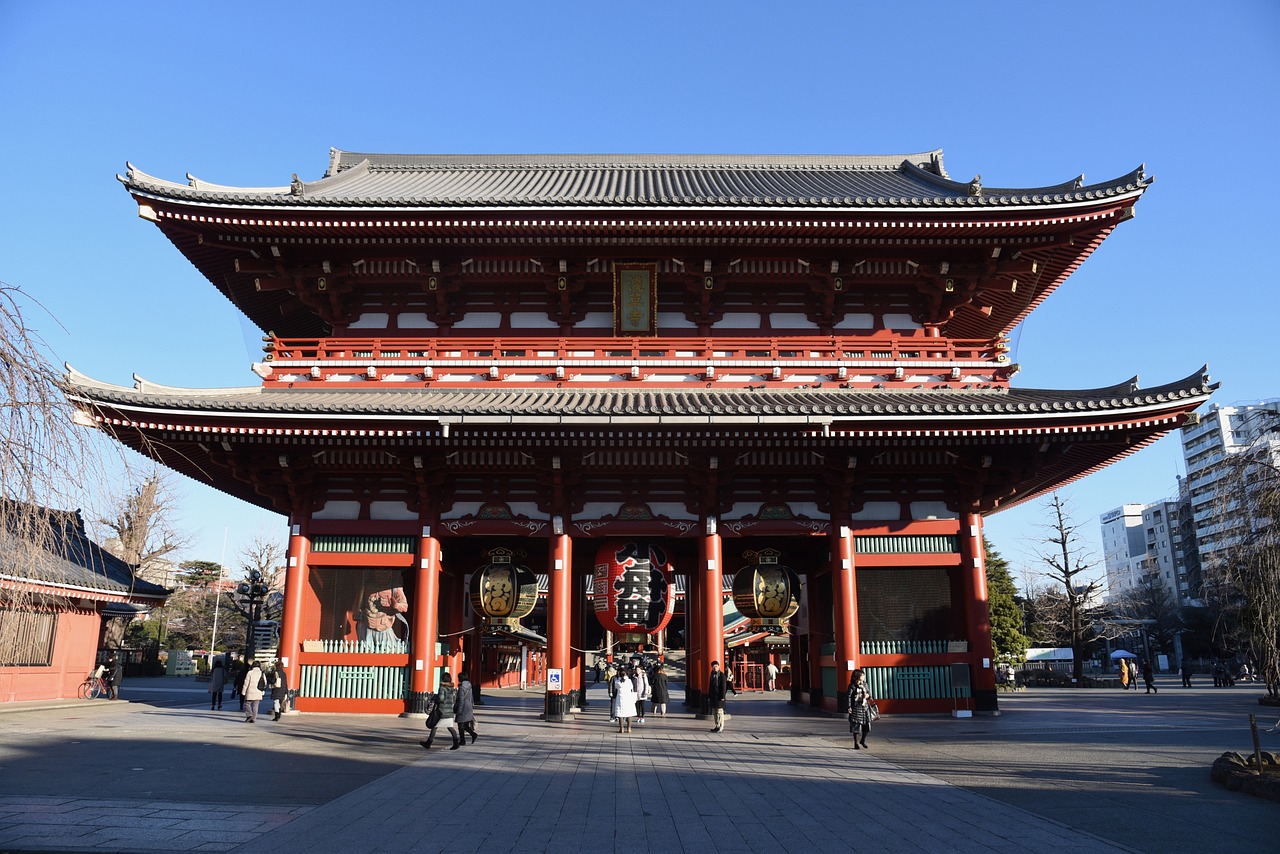
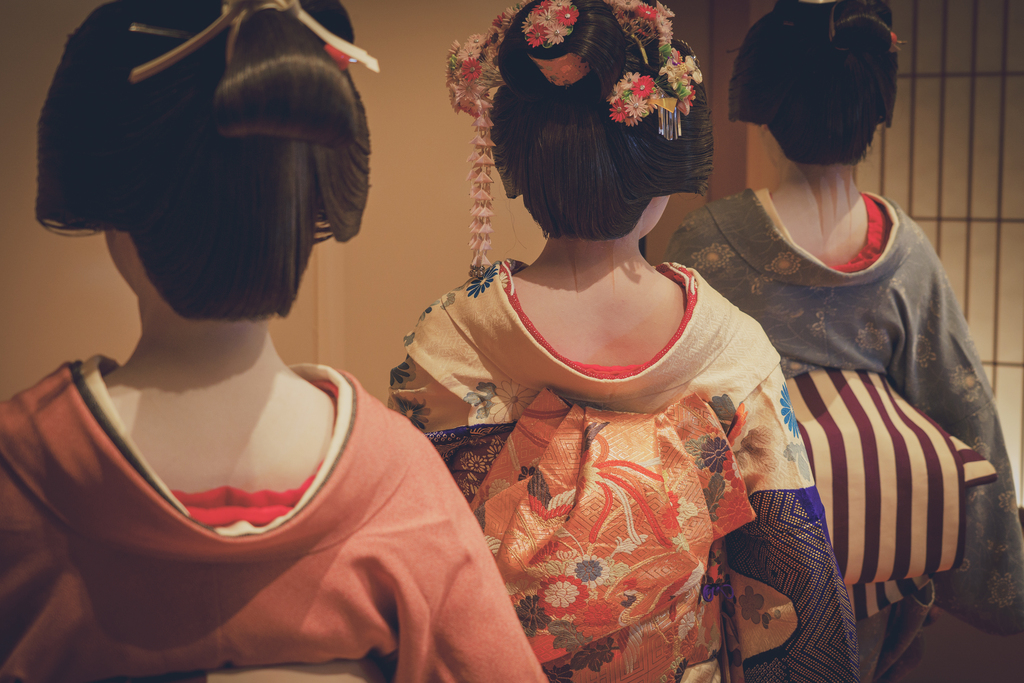
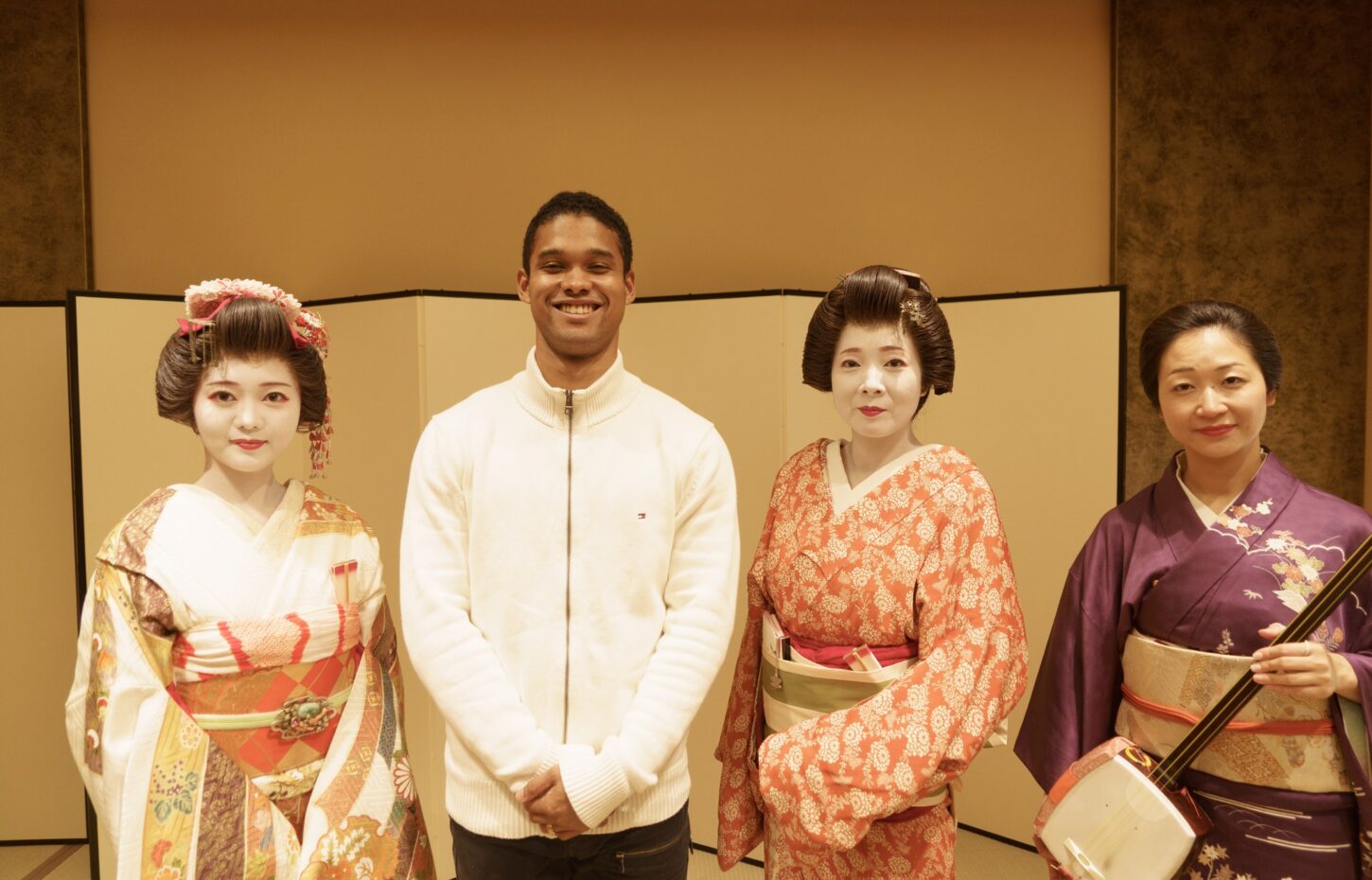
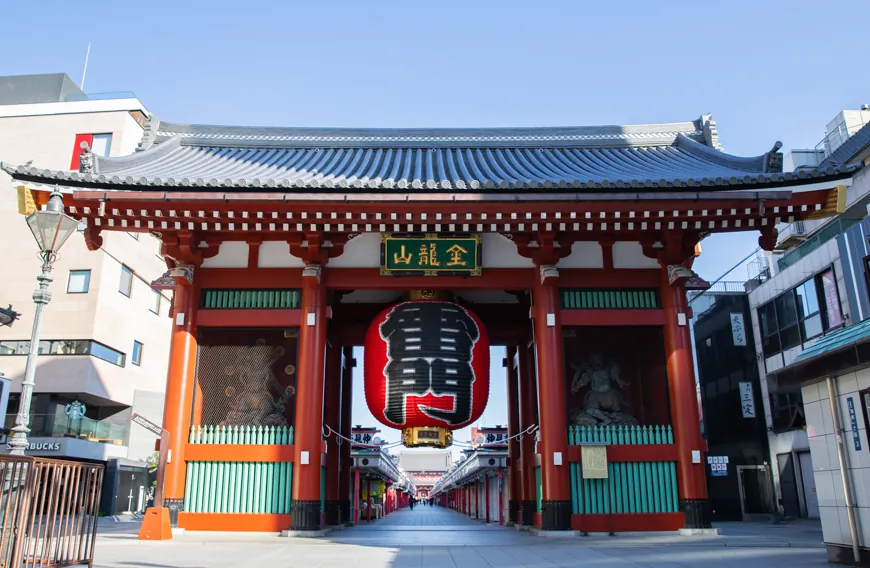
This grand historical parade showcases Asakusa’s history and culture. About 1,600 participants, dressed in costumes from various eras from the Heian period to the present, parade from behind Senso-ji’s main hall, along Kaminarimon-dori and Umamichi-dori. It’s truly a living historical scroll. The beautiful sight of Asakusa’s geisha and young hangyoku (junior geisha) is also a highlight.
| Detail | Description |
| Date | Annually on November 3 (Culture Day) |
| Location | Around Senso-ji Temple |
4.3 Otorisama Tori-no-ichi (Rake Fair) at Otori Shrine
Held on the Day of the Rooster in November, this festival is for good fortune and business prosperity. Otori Shrine is affectionately known as “Otorisama” and is one of the three great Tori-no-ichi fairs in the Kanto region. Stalls selling lucky rakes (kumade), said to “rake in” good fortune, line the shrine grounds. The energetic claps of tejime (hand-clapping chants) fill the air, signaling the arrival of winter in Asakusa.
| Detail | Description |
| Date | Annually on the Day of the Rooster in November |
| Location | Otori Shrine |
| Official Site | Asakusa Otori Shrine |
5. Asakusa in Winter: Holiday Cheer and Sacred Rituals (December-February)
In the crisp, cold air of winter, Asakusa is filled with the lively yet solemn atmosphere of the holiday season. A series of traditional events mark the end of one year and the beginning of a new one. Come and experience the unique charm of this bustling time of year.
5.1 Senso-ji Hagoita-ichi (Battledore Fair)
Known as a traditional year-end event, the Hagoita-ichi has been held since the Edo period. Dozens of stalls at Senso-ji Temple sell ornate hagoita (battledores) featuring kabuki actors and decorative ones reflecting the year’s trends. As hagoita are considered good luck charms that ward off evil, a deal is sealed with a cheerful tejime chant, adding to the festive energy of the year-end season.
| Detail | Description |
| Date | Annually from December 17th to 19th |
| Location | Senso-ji Temple grounds |
| Main Content | Sale of decorative battledores and other lucky charms. |
5.2 Joya no Kane (New Year’s Eve Bell) and Hatsumode (First Temple Visit)
On New Year’s Eve, the solemn Joya no Kane rings out from Senso-ji Temple, marking the end of the year. The temple grounds are filled with people who come to celebrate the new year. At midnight on New Year’s Day, the main hall doors open for Hatsumode. Nakamise-dori also stays lit all night, creating a lively and festive atmosphere.
| Detail | Description |
| Date | Late night on December 31st to early January |
| Location | Senso-ji Temple |
| Main Content | Joya no Kane, New Year’s prayers, and the giving of amulets and charms. |
5.3 Senso-ji Setsubun-e (Bean-Throwing Festival)
On the day before the beginning of spring, a lively Setsubun-e festival is held at Senso-ji Temple. The unique aspect of this festival is the chant used during the bean-throwing ceremony. Due to the belief that no demons can exist before the Kannon Bodhisattva, the chant is “Senshu Banzei, Fuku wa Uchi” (“Eternal prosperity and fortune within”) instead of the usual “Oni wa soto” (“Demons out”). The event features bean-throwing by celebrities and local figures, as well as the “Fukuju no Mai” dance by the Seven Lucky Gods.
| Detail | Description |
| Date | Annually on February 3rd |
| Location | Senso-ji Temple Main Hall |
| Main Content | Fukuju no Mai dance and bean-throwing ceremony. |
〈Next page〉
More Than Just Festivals: Enjoying Asakusa’s Seasons


- 6 Sento & Saunas to Relax at After Your Asakusa Trip
- 5 Ways to Enjoy the Night in Asakusa | Illumination, Houseboat Dinner, Hidden Izakaya
How Many Geisha Should You Book for an Ozashiki?
What is a Geisha House? An Ultimate Guide to the World of Okiya and Ochaya (2026 Edition)
How to See a Geisha in Tokyo: 5 Ways Compared (2026)
Asakusa Sightseeing with a Baby Stroller: Safe Access & Guide to Kid-Friendly Spots & Gourmet Part①
Tokyo Experience Gifts: Unforgettable Cultural Gift Ideas in Japan
Asakusa in Winter: A Local Guide to Senso-ji, Seasonal Events and Warm Food
Comment ( 0 )
Trackbacks are closed.
No comments yet.