



Enjoy Asakusa! Complete Year-Round Information on Seasonal Events, Festivals, and Sightseeing Activities
6. More Than Just Festivals: Enjoying Asakusa’s Seasons
Asakusa’s charm isn’t limited to major events like the Sanja Matsuri or the Sumida River Fireworks Festival. A key highlight is the ability to enjoy the unique atmosphere and activities of each season. Here are some ways to make the most of your visit, even on non-festival days.
6.1 Spring: Strolling Among Cherry Blossoms in a Kimono
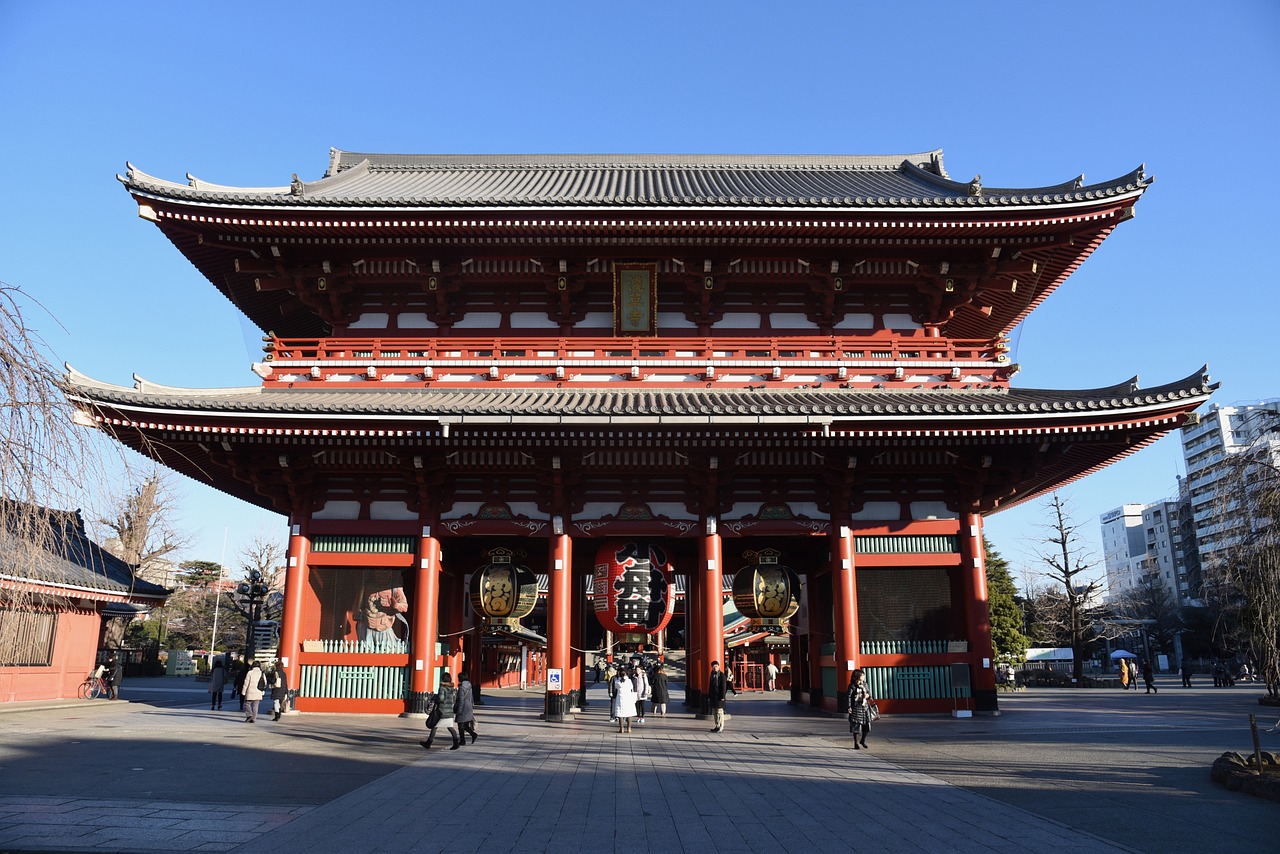
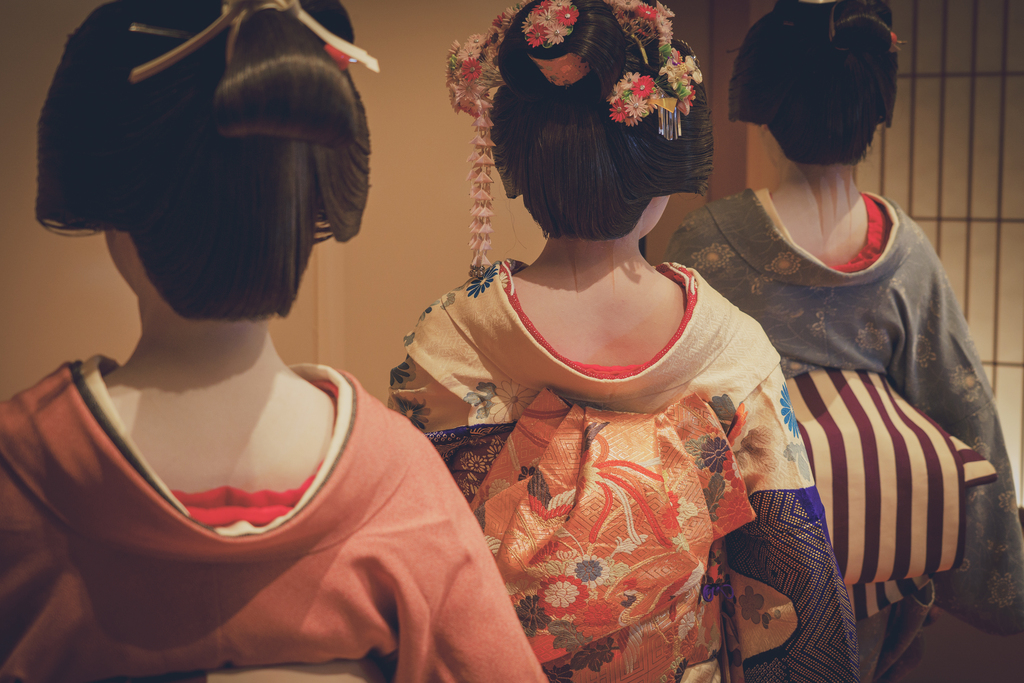
Walking through town in a beautiful kimono is especially wonderful in the pleasant spring weather. Sumida Park along the river is a famous spot for cherry blossoms, and a stroll in a kimono will make you feel like you’ve stepped into a historical painting. It’s also a great opportunity to take memorable photos with iconic landmarks like Kaminarimon and Senso-ji Temple.
6.2 Summer: Food Tours and Houseboats in Yukata
Spending a hot Japanese summer day in a cool yukata is the perfect way to enjoy the season. Nakamise-dori and Denpoin-dori streets offer a variety of chilled sweets like shaved ice and cold matcha. After a daytime food tour, a ride on a traditional houseboat on the Sumida River is a luxurious way to enjoy the breeze and the Tokyo skyline at night.
6.3 Autumn: Enjoying the Autumn Colors by Rickshaw
With its mild and pleasant climate, autumn is the perfect season for a rickshaw tour. A knowledgeable rickshaw driver (shafu) can guide you through hidden alleys and historical sites you might otherwise miss. The sight of Asakusa’s streets adorned with autumn foliage from this elevated perspective is an unforgettable experience.
6.4 Winter: A Warm Gourmet Tour on Nakamise-dori
In the crisp, cold winter air, the lively atmosphere and warm treats of Nakamise-dori are comforting for both the body and mind. A stroll down the bustling street with a warm agemanjū (fried sweet bun), ningyōyaki (doll-shaped cakes), or hot amazake (sweet fermented rice drink) is a quintessential winter experience in Asakusa. The festive energy of the year-end and New Year holidays is also a charm unique to this season.
Here is a summary of seasonal activities to help with your planning:
| Season | Recommended Attire | Recommended Activities | Seasonal Treats |
| Spring (March-May) | Kimono | Strolling through cherry blossoms in Sumida Park | Sakuramochi (cherry blossom rice cake), strawberry sweets |
| Summer (June-August) | Yukata | Night cruise on a houseboat | Shaved ice, cold matcha |
| Autumn (September-November) | Comfortable clothing | Rickshaw tour of the town | Daigaku imo (candied sweet potatoes), imo yōkan (sweet potato jelly) |
| Winter (December-February) | Warm clothing | Gourmet tour of Nakamise-dori | Agemanjū (fried sweet buns), amazake |
7. Summary
Asakusa is a vibrant town with diverse events throughout the year, from the Sanja Matsuri to the Sumida River Fireworks Festival. Its main appeal is its ability to transform with the seasons: cherry blossoms in spring, nostalgic charm in summer, traditional culture in autumn, and festive holiday energy in winter. In addition to attending events, there are plenty of unique activities to enjoy, such as strolling in a kimono or taking a rickshaw tour. I hope this article helps you plan an unforgettable trip to Asakusa.


- 6 Sento & Saunas to Relax at After Your Asakusa Trip
- 5 Ways to Enjoy the Night in Asakusa | Illumination, Houseboat Dinner, Hidden Izakaya
Visiting Asakusa? Here Are the Best Places to Try Japanese Sake
The Geisha Experience in Tokyo: Planning Your Visit to Asakusa
【Definitive Guide】Retro Coffee Shops Found in Asakusa | Relaxing Moments in Nostalgic Spaces
Complete Guide to Autumn in Asakusa! An In-Depth Report from Tori no Ichi to Autumn Foliage Festival
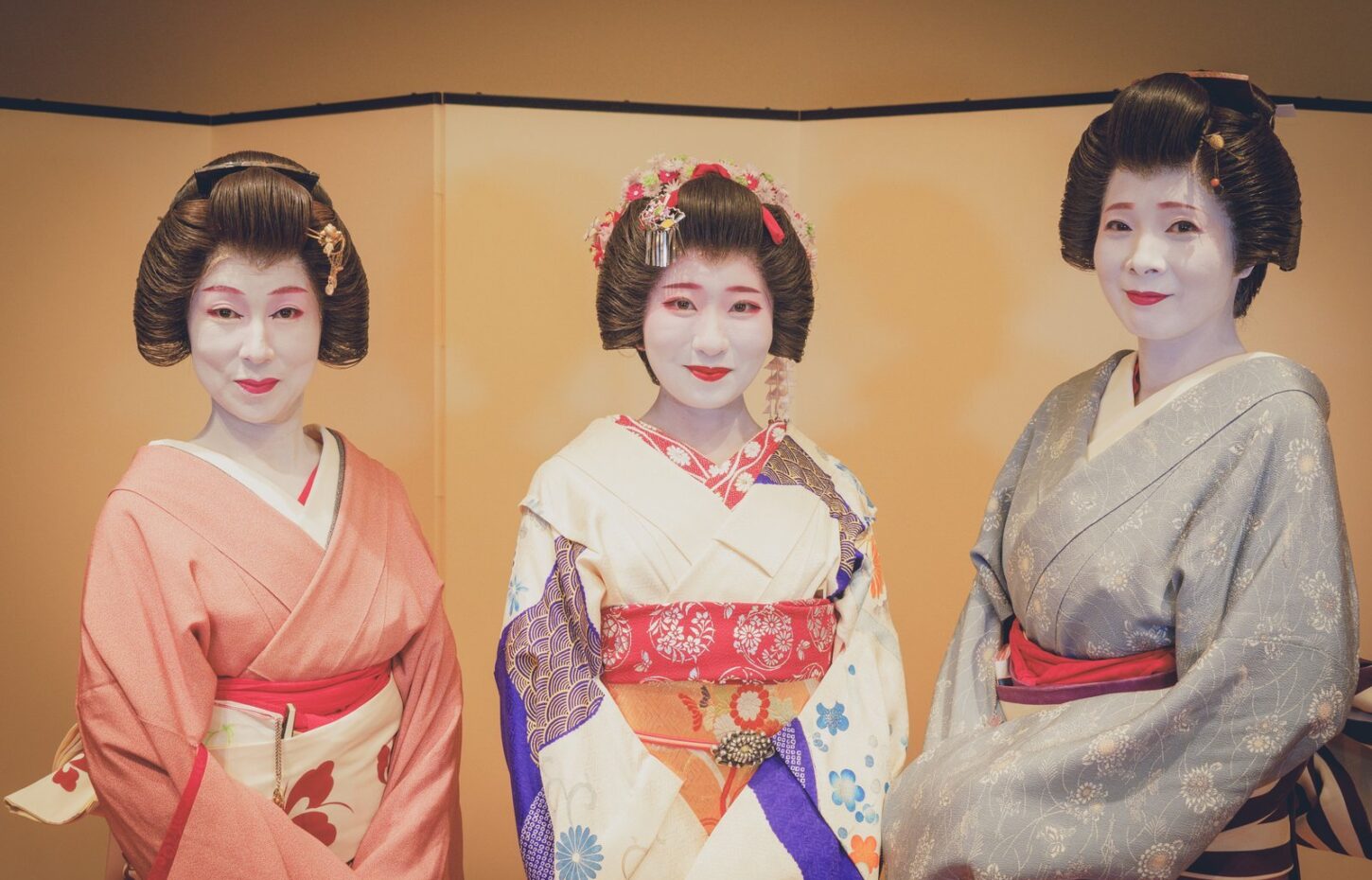
Tokyo Tourist Guide: A Geisha Teahouse’s View of the City We Call Home
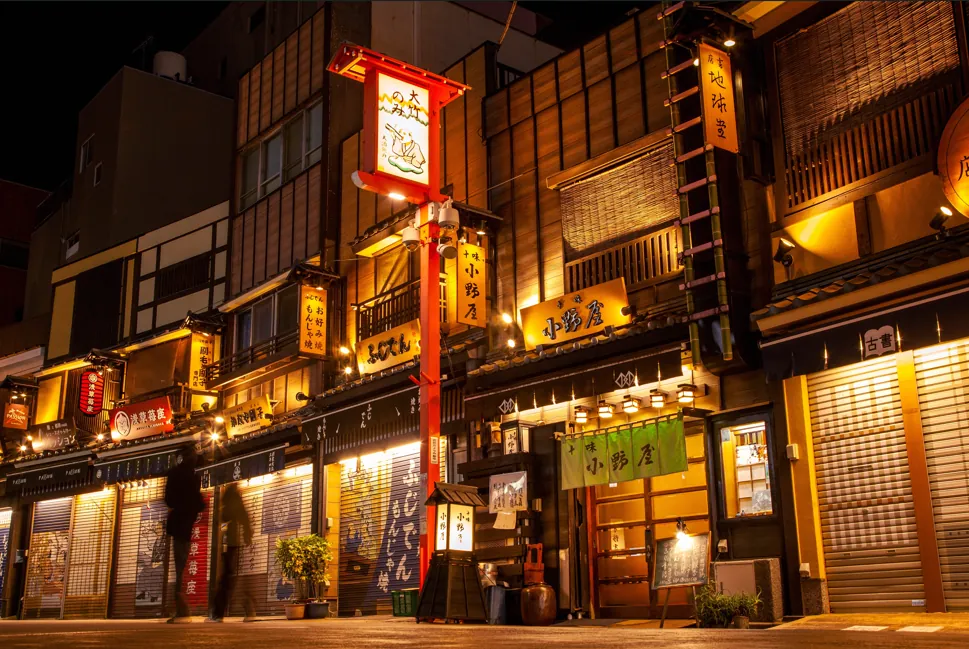
5 Ways to Enjoy the Night in Asakusa | Illumination, Houseboat Dinner, Hidden Izakaya
Comment ( 0 )
Trackbacks are closed.

No comments yet.