


Maiko vs Geisha: The Differences (2026 Edition)
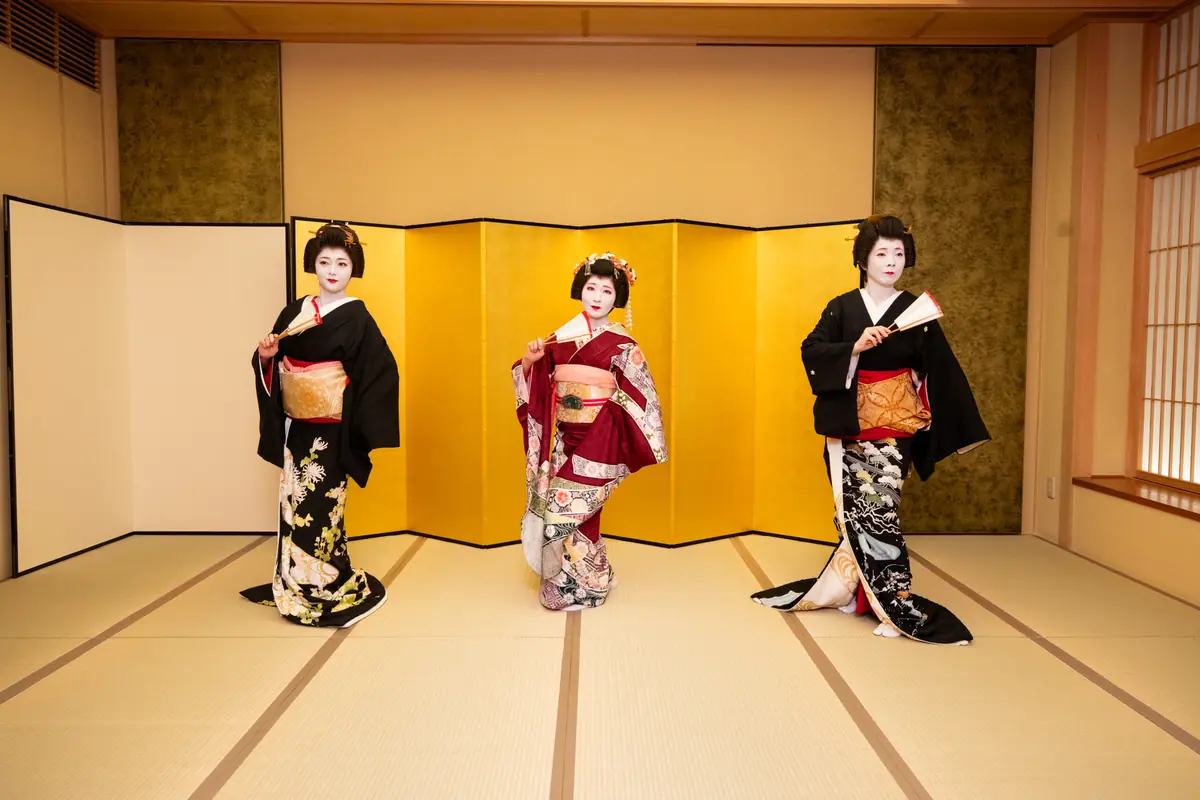
Quick Answer: A maiko is a geisha apprentice, recognised by her ornate kimono, dangling obi, natural styled hair, and red embroidered collar. A geisha (known as geiko in Kyoto) is a fully qualified professional entertainer, distinguished by an elegant wig, solid white collar, and shorter kimono sleeves. In Tokyo, the apprentice equivalent of maiko is called hangyoku (半玉). In Tokyo, a hangyoku is a junior geisha who has already made her debut and will later advance to ippon (senior geisha) status. Every geisha—whether in Kyoto or Tokyo—begins as a minarai (trainee, roughly six months to a year) before debuting as maiko or hangyoku, both of whom are already geisha at the time of their debut.
The Allure of the Floating World
As you walk through the narrow, stone-paved streets of a historic Japanese district at dusk, you might catch a glimpse of a figure that seems to have stepped out of a woodblock print. The white makeup, the vibrant silk kimono, and the rhythmic clack of wooden sandals against the ground create an atmosphere of mystery. For many travelers visiting Japan, seeing these elusive figures is a highlight of their trip. However, you might be wondering: is that a maiko or a geisha? And what is the difference?
In 2026, the world of traditional Japanese performing arts remains as vibrant as ever, yet it is often misunderstood by those outside Japan. To the untrained eye, any woman in a kimono with white makeup might be called a geisha. In reality, there is a clear distinction between a maiko, who is an apprentice, and a geisha, who is a seasoned professional. Understanding these differences not only enriches your cultural experience but also helps you appreciate the years of dedication these women put into mastering their craft.
What Is a Maiko? The Apprentice Journey
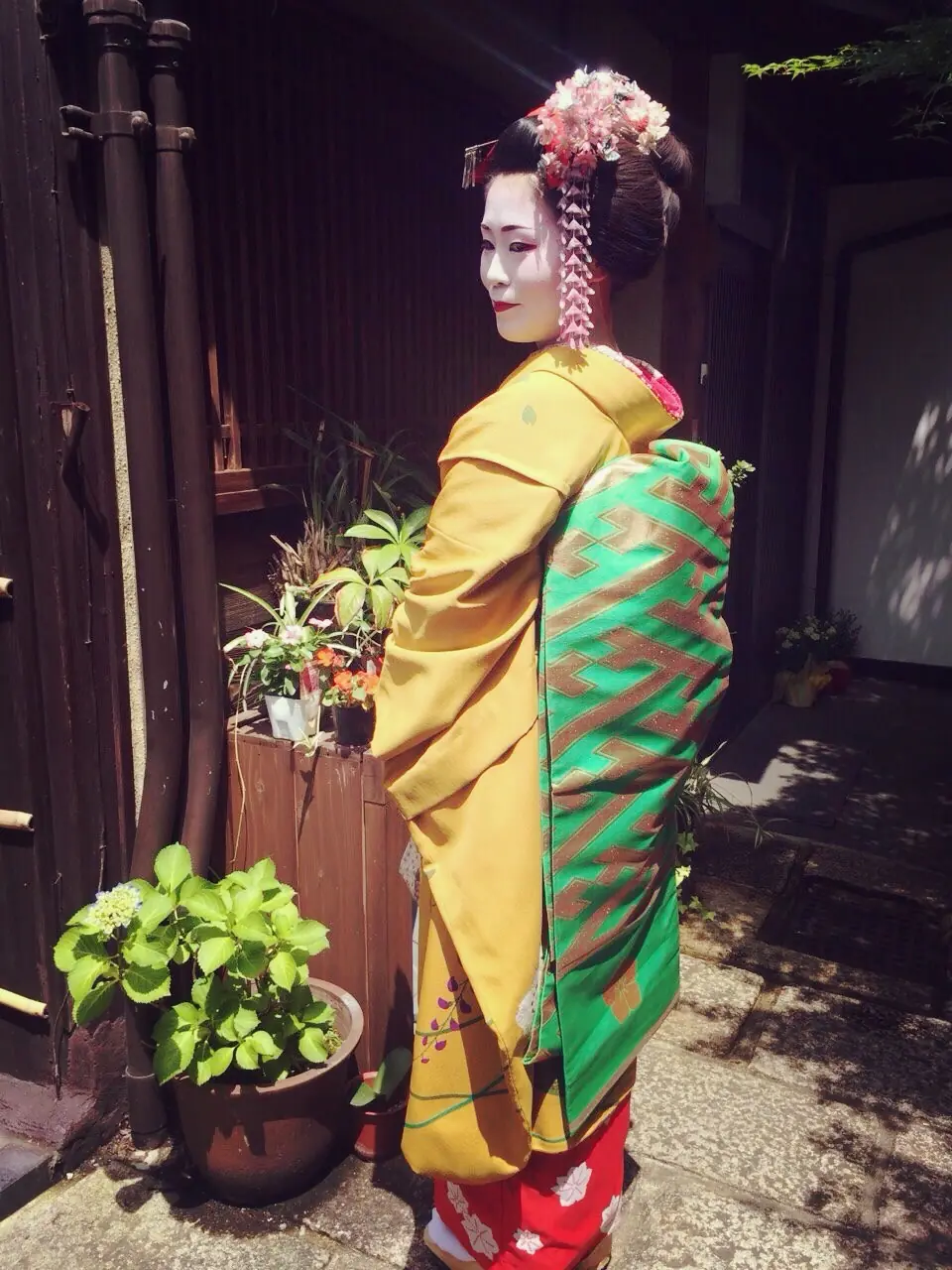
A maiko is a young woman who is currently in training to become a professional geisha. The term maiko literally translates to dance child, which reflects their primary focus during the early years of their career. Traditionally, a young girl will move into a specialized boarding house called an okiya at around the age of fifteen, right after finishing compulsory education. This style still continues in Kyoto, but in other areas of Japan the legal age requirement is 18.
During her time as a maiko, she is not just learning how to dance; she is learning an entire way of life. She must master the local dialect (particularly in Kyoto), learn the art of the tea ceremony, play the shamisen (a three-stringed instrument), and perfect the art of conversation. This period of apprenticeship usually lasts about five years. Because she is still learning, her appearance is much more ornate and colorful than that of her senior counterparts, serving as a visual indicator of her youth and status as a student.
In Tokyo, the equivalent of a maiko is called a hangyoku (半玉), a term that literally evokes a “half-jewel.” In Asakusa, hangyoku are junior geisha who have already made their debut as geisha; they later advance to ippon (一本), the senior geisha designation. Every geisha—whether she trains in Kyoto or Tokyo—begins as a minarai (見習い), a trainee who spends roughly six months to a year absorbing foundational manners: how to sit, how to walk on tatami, how to pour, how to hand things across a low table. After the minarai period she debuts as hangyoku or maiko—both stages within the geisha profession in their respective regions—and may later advance to the senior designation of her hanamachi.
Want to Meet Real Geisha in Asakusa?
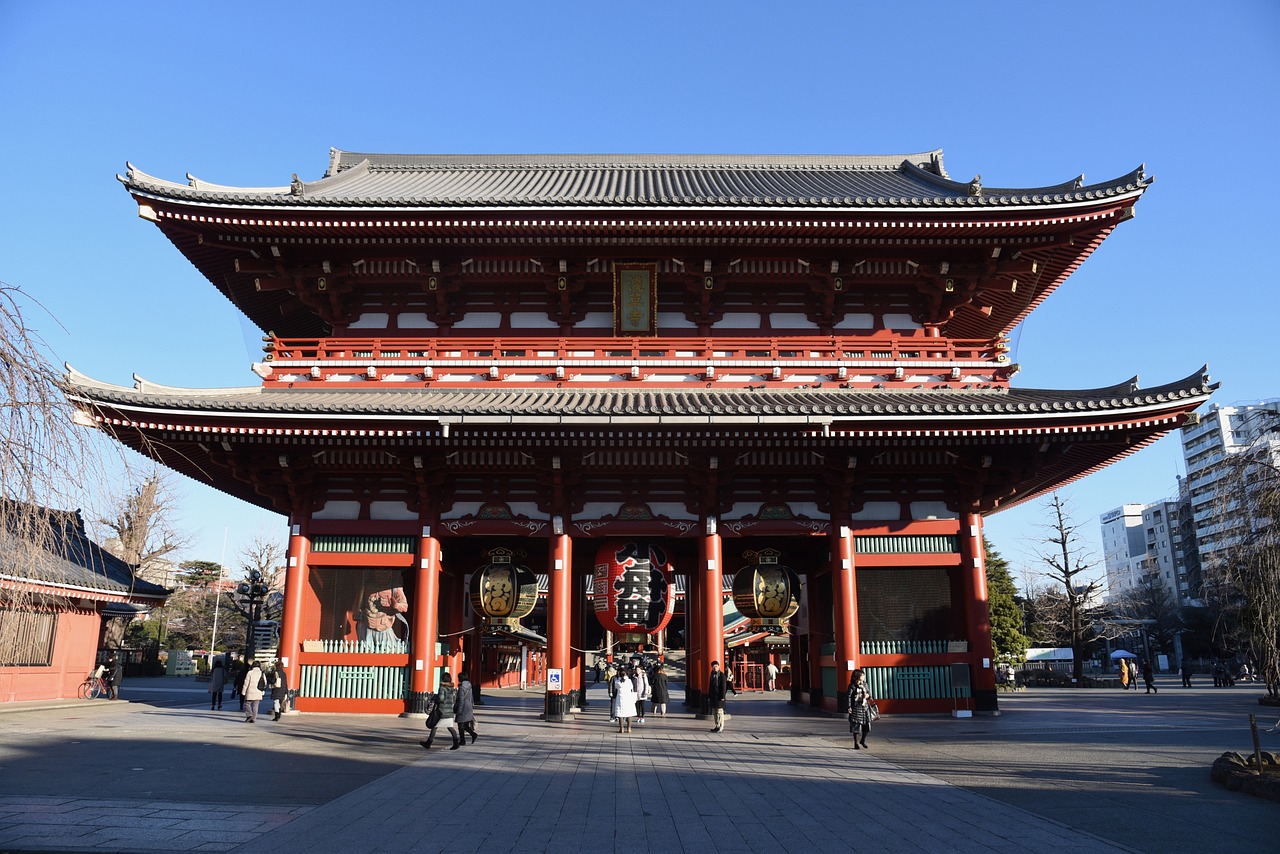
Asakusa Miyakodori is a historic machiai-chaya (geisha banquet teahouse) located behind Senso-ji Temple. Book a private ozashiki (a private gathering with geisha) and experience the world you just read about—up close.
What Is a Geisha? The Seasoned Professional
When a maiko has completed her training and reached a high level of skill in the traditional arts, she undergoes a ceremony called eri-kae, or turning the collar. This marks her graduation into a geisha. In Kyoto, they use the term geiko, which translates to a person of the arts. In Tokyo and other parts of Japan, the term geisha is more common.
A geisha is a professional entertainer who is highly skilled in singing, dancing, and playing various instruments. Unlike the maiko, who is essentially a student, a geisha is an independent professional. Her appearance becomes more subdued and elegant, reflecting her maturity and the fact that her skills now speak louder than her outfit. She is a master of hospitality, capable of managing high-pressure situations and entertaining VIP guests from all over the world with grace and intellect.
Key Differences at a Glance
To help distinguish between the two, here are highlights of the most visible differences you will notice in their appearance and role.
| Feature | Maiko / Hangyoku (Junior) | Geiko / Ippon (Senior) |
|---|---|---|
| Hair | Maiko (Kyoto): own hair, styled about once a week. Hangyoku (Asakusa): usually a wig (katsura). Both wear flower hairpins | Wig (katsura); elegant tortoiseshell kanzashi |
| Collar | Maiko (Kyoto): red, heavily embroidered. Hangyoku (Tokyo): usually red, sometimes white | Solid white |
| Obi (sash) | Maiko (Kyoto): long darari obi dangling to the shins. Hangyoku (Tokyo): no darari obi; the kimono is tucked up at the waist (hashori) instead of trailing | Standard tied obi |
| Kimono sleeves | Long furisode (long-sleeved) | Short sleeves |
| Status | Junior stage of the profession | Senior, fully independent |
| Tokyo term | Hangyoku (半玉) | Ippon (一本) |
| Kyoto term | Maiko | Geiko |
Visual Differences: How to Spot Them in the Streets
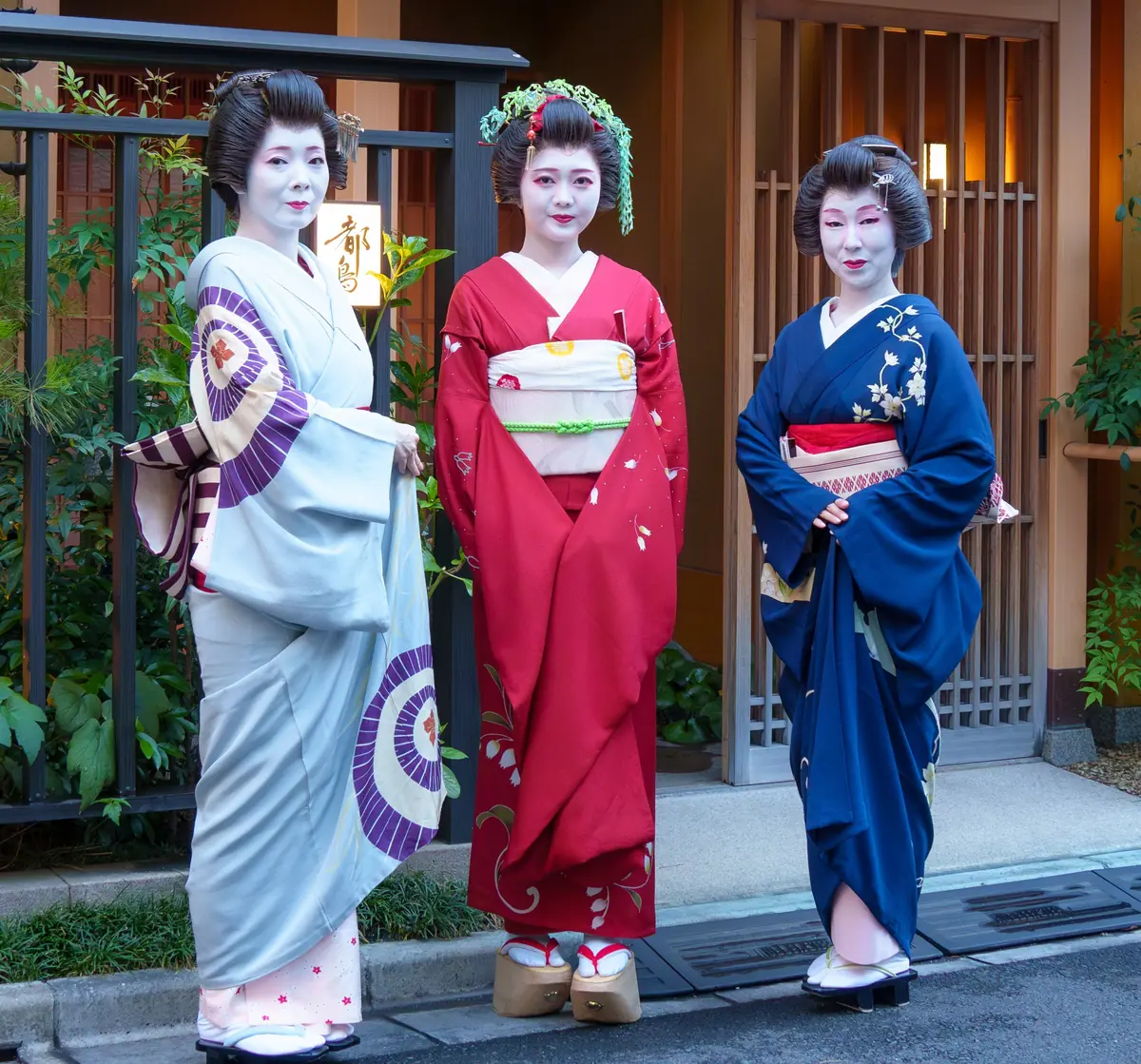
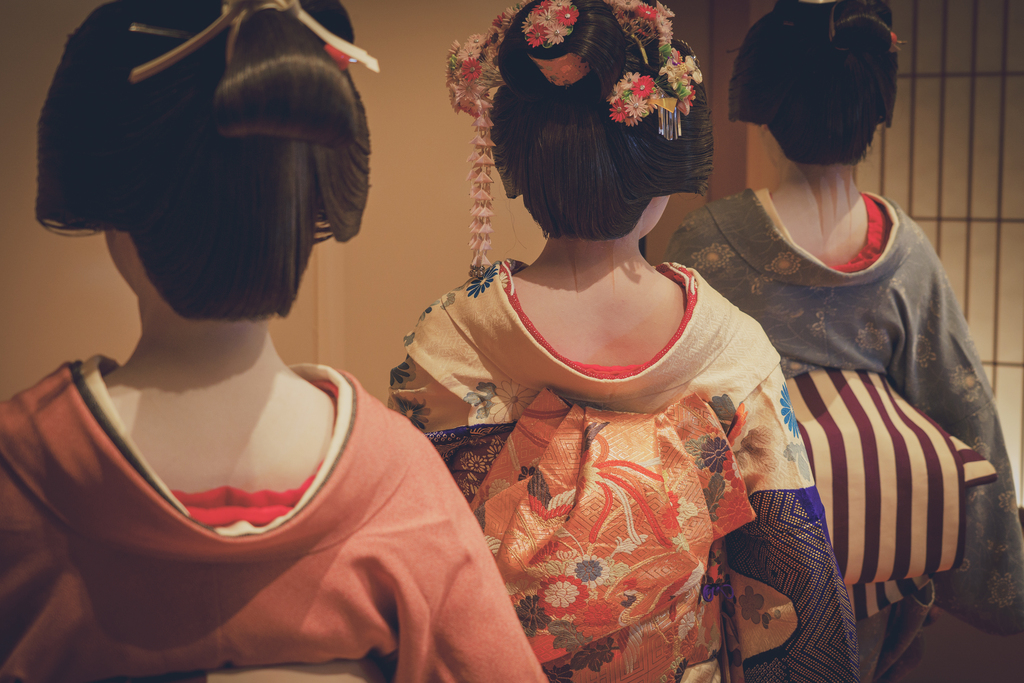
If you find yourself in the Gion district of Kyoto or the streets of Asakusa in Tokyo, you can use these specific visual clues. First, look at the hair. A maiko spends hours having her natural hair styled by experts once a week. Because of this, she must sleep on a special wooden pillow to keep the hairstyle intact. A geisha, on the other hand, wears a wig, which allows her more privacy and comfort in her daily life. In Asakusa, hangyoku usually wear a wig too; what sets them apart is the shape of the knot, the momoware, and their flower hairpins.
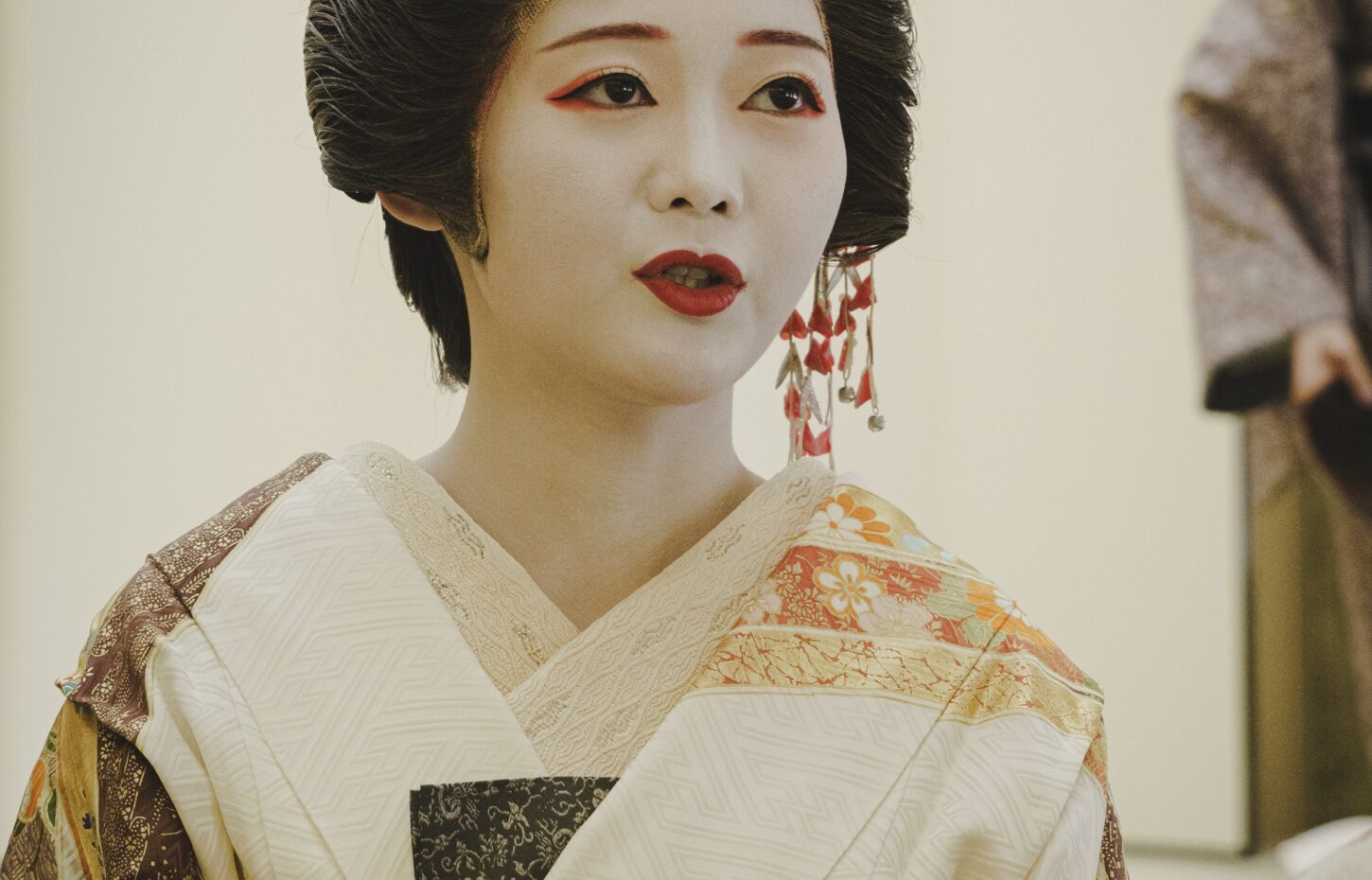
Next, notice the collar of the kimono. A maiko’s collar is typically red and heavily embroidered. As she progresses in her training, the red is gradually replaced with white embroidery. By the time she becomes a geisha, her collar is solid white. This is why the graduation ceremony is called turning the collar.
Furthermore, the maiko’s long dangling obi is an easy giveaway. It dangles down to the shins and often features the crest of her okiya at the bottom.
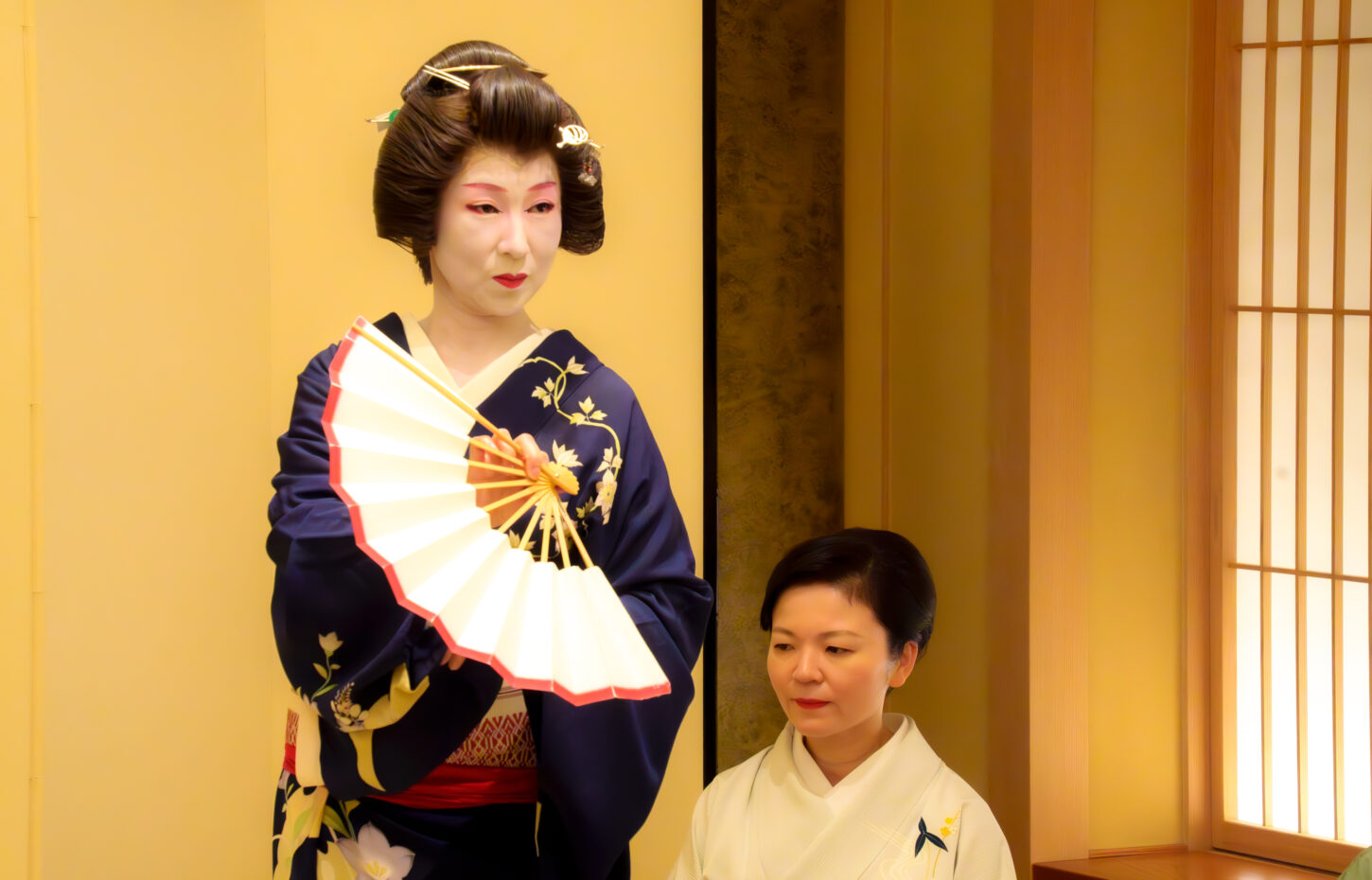
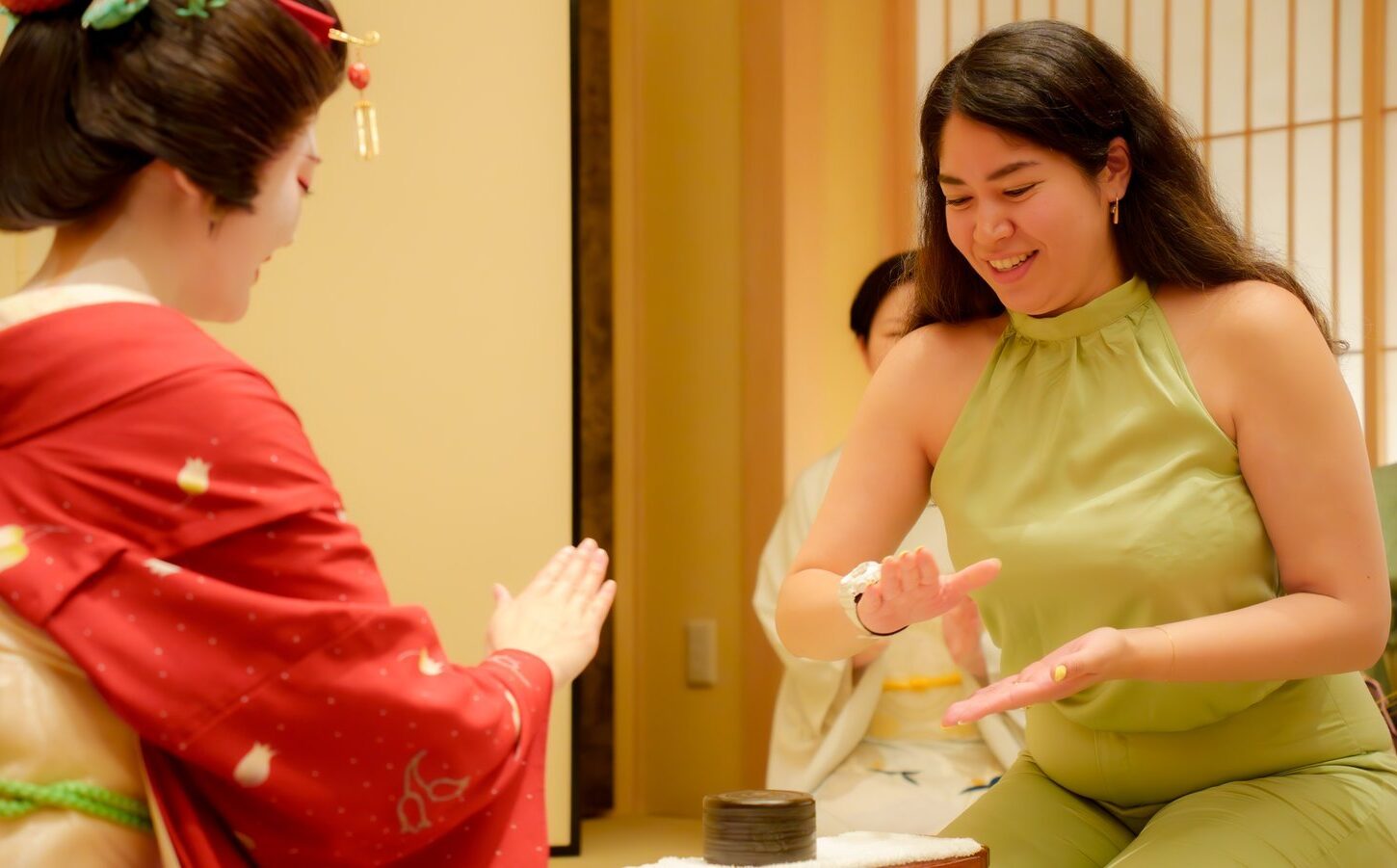
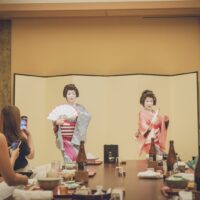
A hangyoku and a geisha stand side by side and play Tora Tora — the same room, two stages of one career. The long swinging sleeves belong to the apprentice.
The Journey from Apprentice to Master
Aspiring entertainers living in traditional houses are rigorously trained to wear elaborate silk kimono and master the complex hairstyles that define their unique cultural identity. The life within an okiya is disciplined and structured. Every day is filled with lessons from morning until late afternoon. They study various forms of dance that reflect the changing seasons, and they learn the complicated lyrics of ancient songs. The relationship between a maiko and her senior geisha is that of sisters. The senior geisha acts as a mentor, teaching the apprentice the subtle nuances of hospitality that comes with experience.
This training process is not just about performance. It is about how to walk, how to sit, and even how to open a sliding door with grace. The goal is to become a living embodiment of Japanese culture. In 2026, while modern technology has changed much of Japan, the okiya system remains a bastion of tradition, preserving skills that have been passed down for over four hundred years.
Where to See Real Maiko and Geisha in 2026
While Kyoto’s five hanamachi (flower towns) like Gion and Pontocho are famous, they have become increasingly crowded. In 2026, many seasoned travelers are looking toward Tokyo, specifically the Asakusa district, for a more accessible yet equally authentic experience.
In Kyoto, many of the teahouses (ochaya) still maintain a strict ichigen-san kotowari policy, which means no first-time customers without a personal introduction. This can make it difficult for international visitors to have a genuine experience. However, Asakusa has a history of being more open and welcoming to people from all walks of life. The tradition here is just as deep, but the atmosphere reflects the spirited and friendly nature of the old Tokyo downtown area.
For a deeper look at the geisha world in Asakusa, read our guide: Experiencing an Authentic Geisha Show in Asakusa, Tokyo.
Essential Etiquette for Tourists in 2026
With the rise of overtourism in recent years, local authorities in districts like Gion have implemented strict rules. In 2026, it is crucial to remember that maiko and geisha are not street performers; they are professionals on their way to work.
- No Photography on Private Streets: Many side streets in Gion now have official bans on photography. Always look for signs and respect the privacy of the residents.
- Do Not Touch: Never touch a maiko’s kimono or ornaments. These outfits are incredibly expensive and are considered works of art.
- Keep Your Distance: Do not block their path or surround them for photos. Let them walk freely to their appointments.
- Book Official Experiences: Instead of chasing them in the streets, book a formal dinner or a performance. This supports the culture financially and provides you with a much better memory.
For the full guide to ozashiki manners, see: Geisha Culture in Japan: History, Training, and Modern Experiences.
FAQs: Common Questions Answered
Is the makeup made of lead?
No. Historically, white makeup did contain lead, which caused health issues, but modern makeup used by geisha today is completely safe and made of traditional, non-toxic ingredients.
Do they only speak Japanese?
Most geisha and maiko primarily speak Japanese, but in response to the global interest in their culture, many have started learning English or other languages to better communicate with international guests.
Can foreigners become geisha?
While rare, there have been a few instances of non-Japanese women successfully completing the training and working as geisha. It requires an immense commitment to learning the language, culture, and traditional arts.
Conclusion: Preserving the Art of Hospitality
The world of maiko and geisha is a testament to Japan’s ability to preserve its past while moving into the future. Whether you are captivated by the youthful energy of a maiko or the refined elegance of a geisha, both play a vital role in keeping Japanese history alive. By understanding the differences in their training, appearance, and roles, you can appreciate the true depth of this unique cultural treasure.
If you are looking for an authentic encounter with this world without the stress of Kyoto’s crowds, consider visiting the historic district of Asakusa in Tokyo.
A Premier Experience at Asakusa Miyakodori
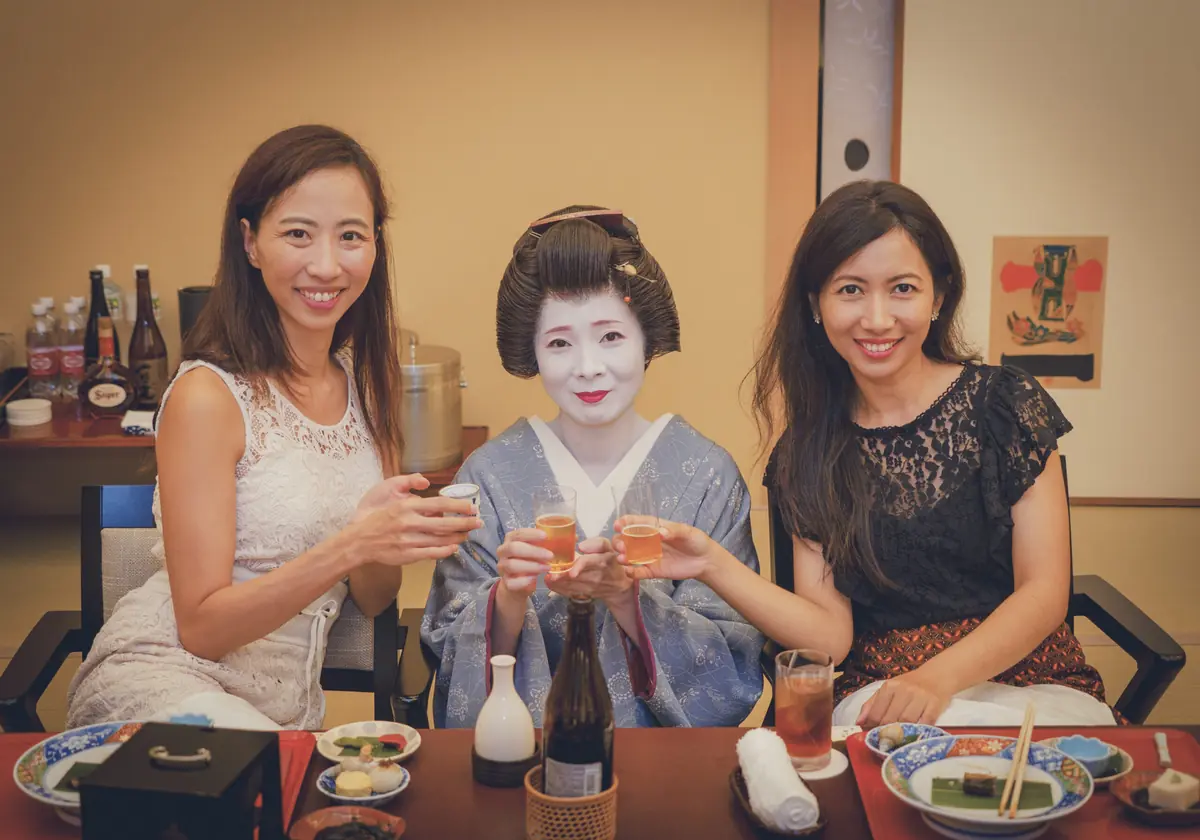
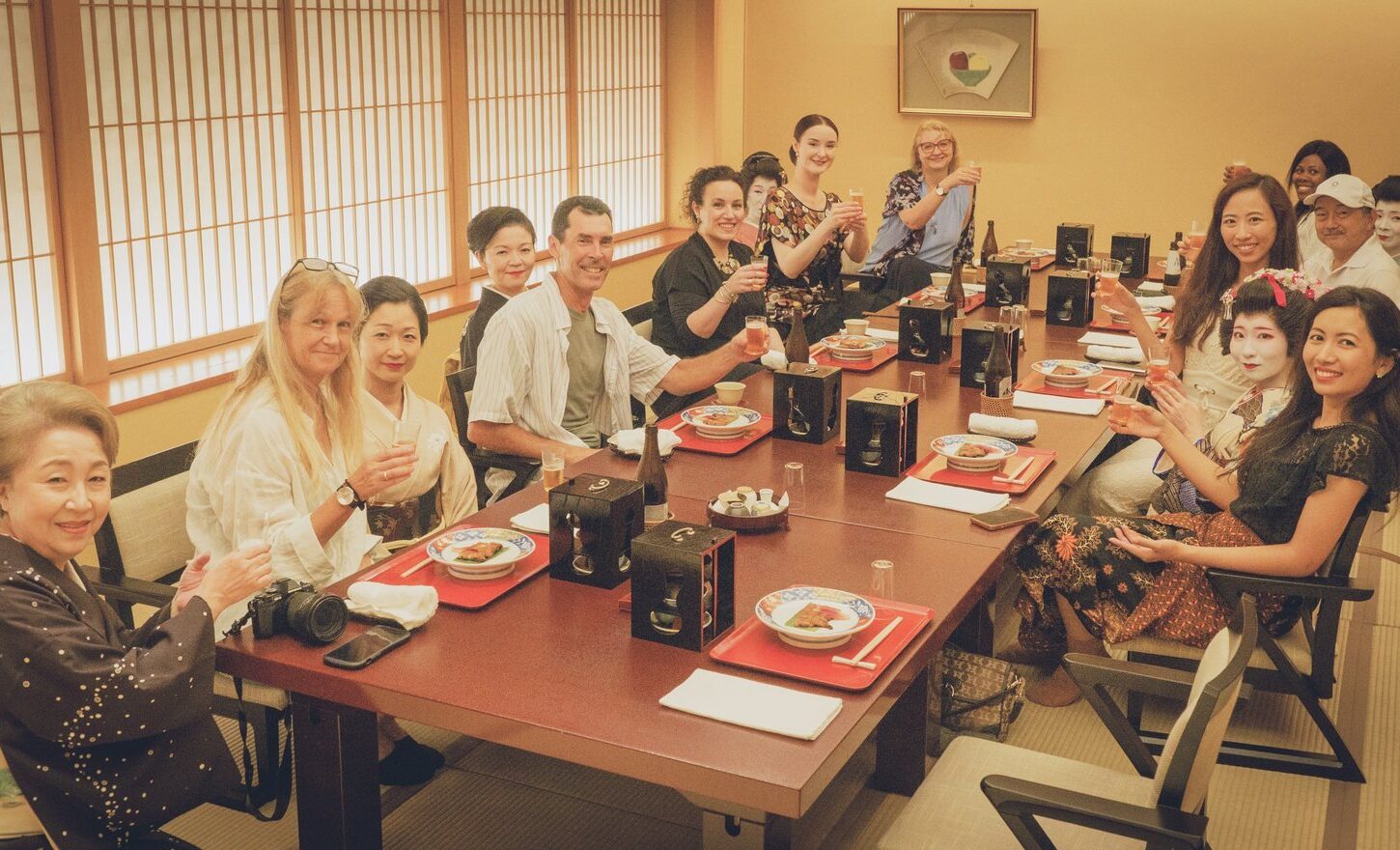
For those who want to experience this hospitality first-hand, there is Asakusa Miyakodori. Located behind the famous Senso-ji Temple, Miyakodori is a historic establishment that functions as a machiai-chaya—a traditional teahouse style that focuses on the joy of geisha entertainment.
Since its founding in 1950, Miyakodori has preserved the chic and spirited culture of the Edo period. Here, you can enjoy seasonal kaiseki cuisine in high-grade private rooms while being entertained by the geisha of Asakusa. Unlike the more closed-off atmosphere of other districts, Asakusa is known for its openness, and Miyakodori embodies this spirit by welcoming VIPs and international guests with warmth and grace.
Whether you are celebrating a special anniversary or hosting important business partners, the performances of traditional dance and the opportunity to engage in classic ozashiki games will create a lasting memory. We also can adjust the menu for dietary requirements so that all guests can enjoy our seasonal delicacies. Step away from the daily grind and immerse yourself in a world of beauty and sound that has remained unchanged for centuries.
Curious about the traditional games played at an ozashiki? Read: Unlocking the Secrets of Ozashiki Games: Traditional Geisha Play.
Experience Geisha Culture at Asakusa Miyakodori
Skip the crowds of Kyoto. At Miyakodori—Asakusa’s historic machiai-chaya behind Senso-ji Temple—you can enjoy a private ozashiki (a private gathering with geisha) with seasonal kaiseki, traditional dance, and ozashiki games. Open to first-time international guests.
Sources: Asakusa Kenban Official Site · Asakusa Tourism Guide (Miyakodori) · Official Tokyo Metro Information · PR Times – Asakusa Culture Report
Related Guides
- Difference Between Maiko, Geisha and Geiko


- Traditional Geisha Makeup: History, Artistry, and Symbolism
- Konpira Fune Fune Lyrics and How to Play the Geisha Drinking Game
The Real Meaning of Geisha in Japan: History, Life, and Modern Traditions
Tokyo VIP Tours, Reimagined: An Evening at Miyakodori
Geisha Drinking Game: Culture, Fun, and Tradition
Traditional Japanese Games: From Shogi to Geisha Parlor Play
Authentic Geisha Outfit Guide: Traditional Japan Costume Arts
Asakusa Japanese Restaurant: An Evening with Geisha at Miyakodori
Comment ( 0 )
Trackbacks are closed.

No comments yet.