



The Asakusa Geisha District: A Journey Through Time, Tradition, and Authentic Experiences
When planning your trip to Japan, images of ancient traditions, bustling city streets, and the enigmatic figure of the geisha often come to mind. While Kyoto draws most of the attention, Tokyo’s own Asakusa district holds a vibrant, living history that rivals any in the country.
For people seeking a connection to the Meiji or Edo periods, Asakusa offers a unique blend of accessibility and deep culture. Unlike the more closed-off business districts of Akasaka or Shinbashi, Asakusa has historically been the center of entertainment for the common people—a tradition that continues today.
Let’s explore the rich history of the local geisha district, the role of the kenban (geisha association), and how you can experience this fascinating culture firsthand. We will also introduce Asakusa Miyakodori, a special place that opens the door to this secretive world for global visitors.
1. Asakusa: The Historic Heart of Tokyo
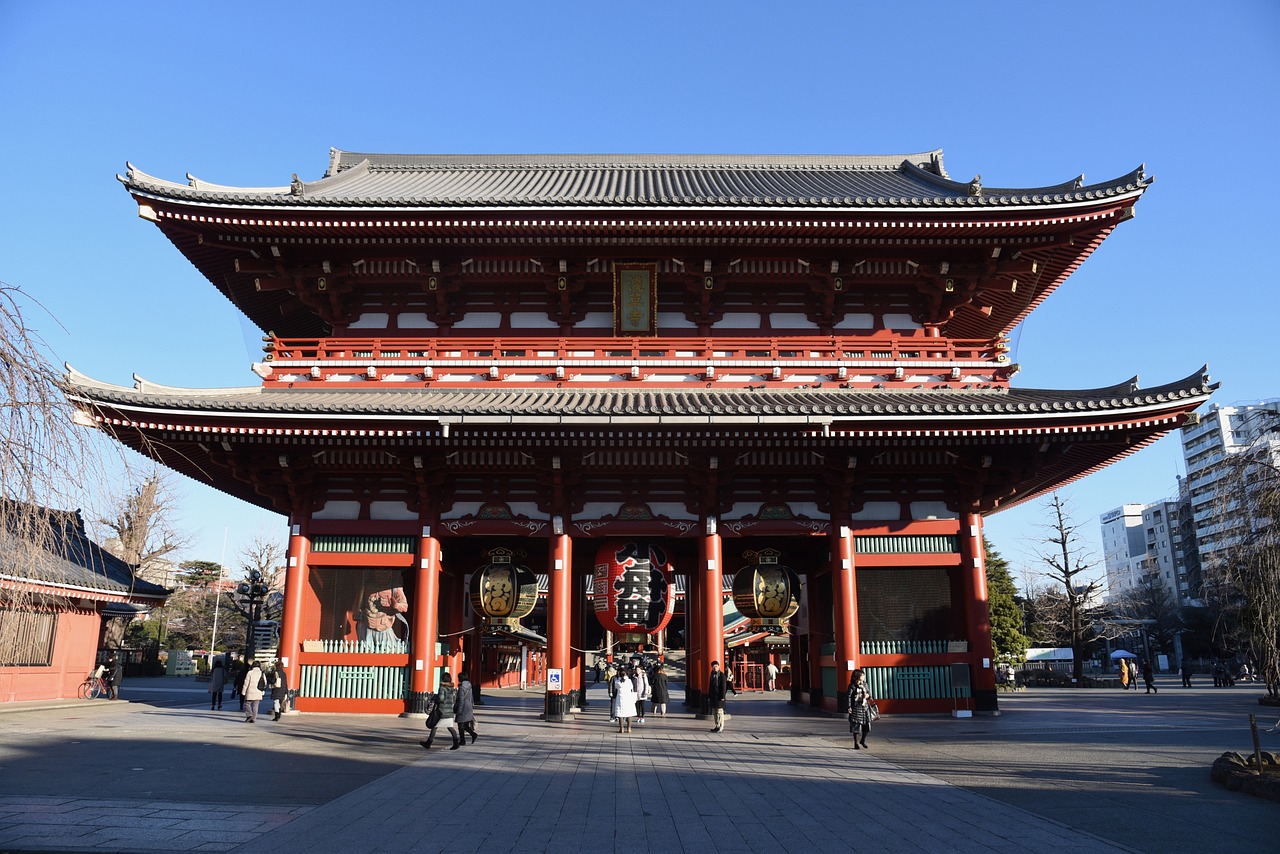
Asakusa is the spiritual and cultural anchor of traditional Tokyo. Dominating the landscape is the iconic Sensoji (Senso-ji Temple), the oldest temple in Tokyo. While the temple grounds are often crowded, just a few minutes away lies a quieter, more atmospheric neighborhood known as “Kannon-ura” (behind the Kannon temple).
The “Kannon-ura” Geisha District
This area, north of the temple, is home to the Asakusa geisha. It is a labyrinth of narrow streets, willow trees, and traditional wooden houses. Here, the sound of the shamisen still wafts from the windows of teahouses and practice halls.
The district’s history began centuries ago. It sits close to the Sumida River, which was the lifeblood of transportation and commerce in old Edo. Because of this location, the area flourished as a playground for merchants and artisans. This fostered a culture of “iki”—a chic, spirited style that defines the local geisha. Even current pop culture, including anime and media, often depicts this area as the quintessential backdrop of old Japan.
2. The Asakusa Kenban: Guardians of Tradition
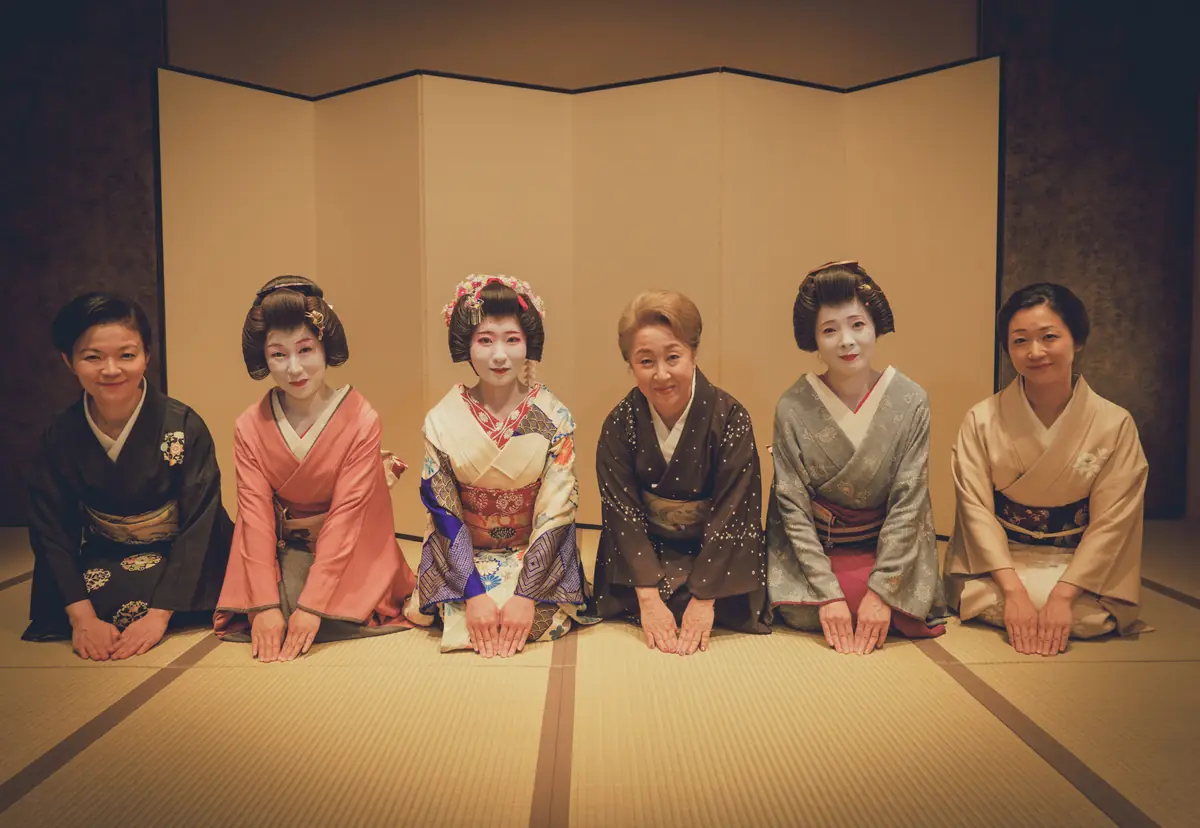
Central to the geisha community is the Asakusa Kenban (Asakusa Geisha Association). This site serves as the headquarters, registry office, and practice hall of the geisha.
The Role of the Kenban
The Kenban manages the schedules of the geisha, handles bookings for restaurants (ryotei), and ensures rigorous training standards. It is the nerve center of the hanamachi (flower town).
- Training: Geisha learn traditional arts here, such as dance (Nihon Buyo), music, and tea ceremony. It takes years of dedication to master these skills.
- Performance: The Kenban also organizes public performances by Asakusa’s geisha from time to time, giving the public a rare chance to watch them on stage.
3. The Art of the Geisha: More Than Just Makeup
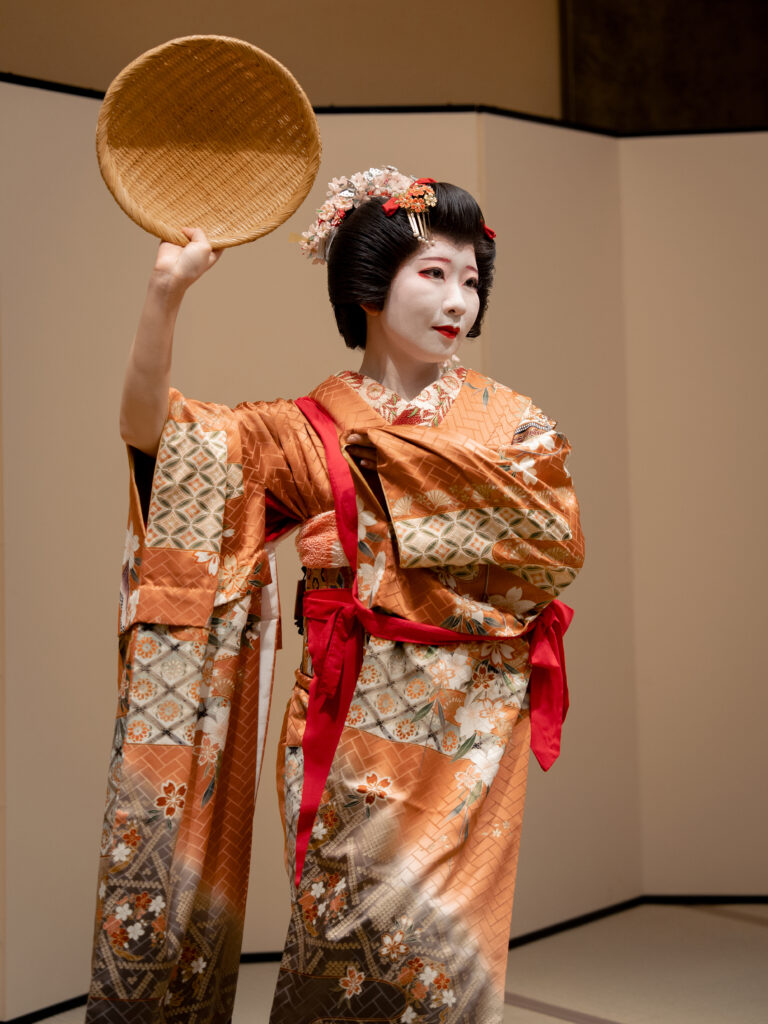
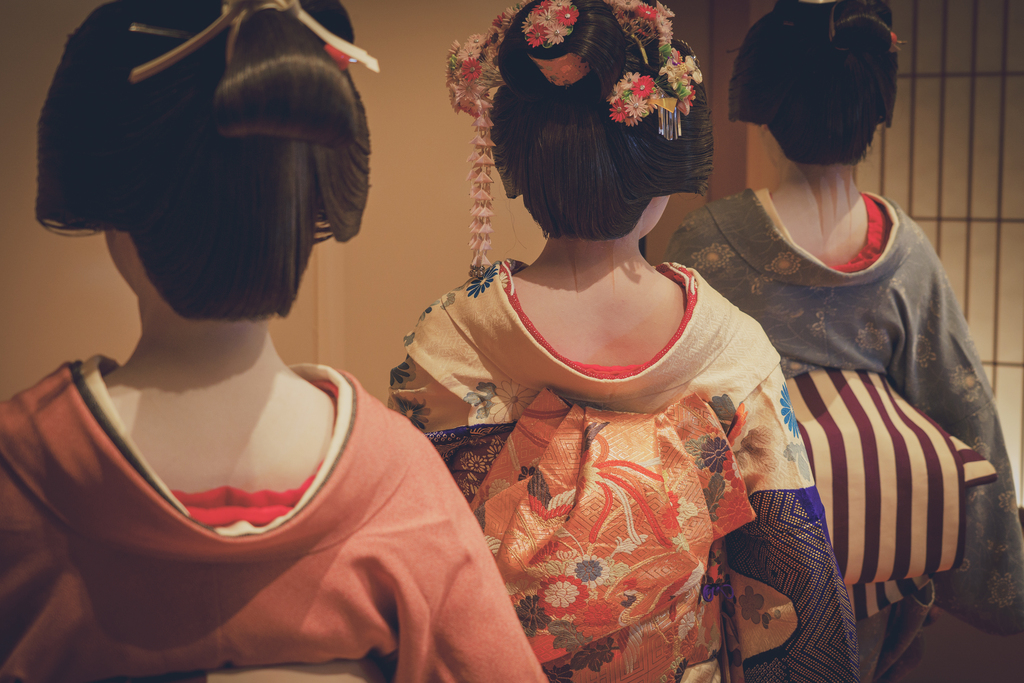
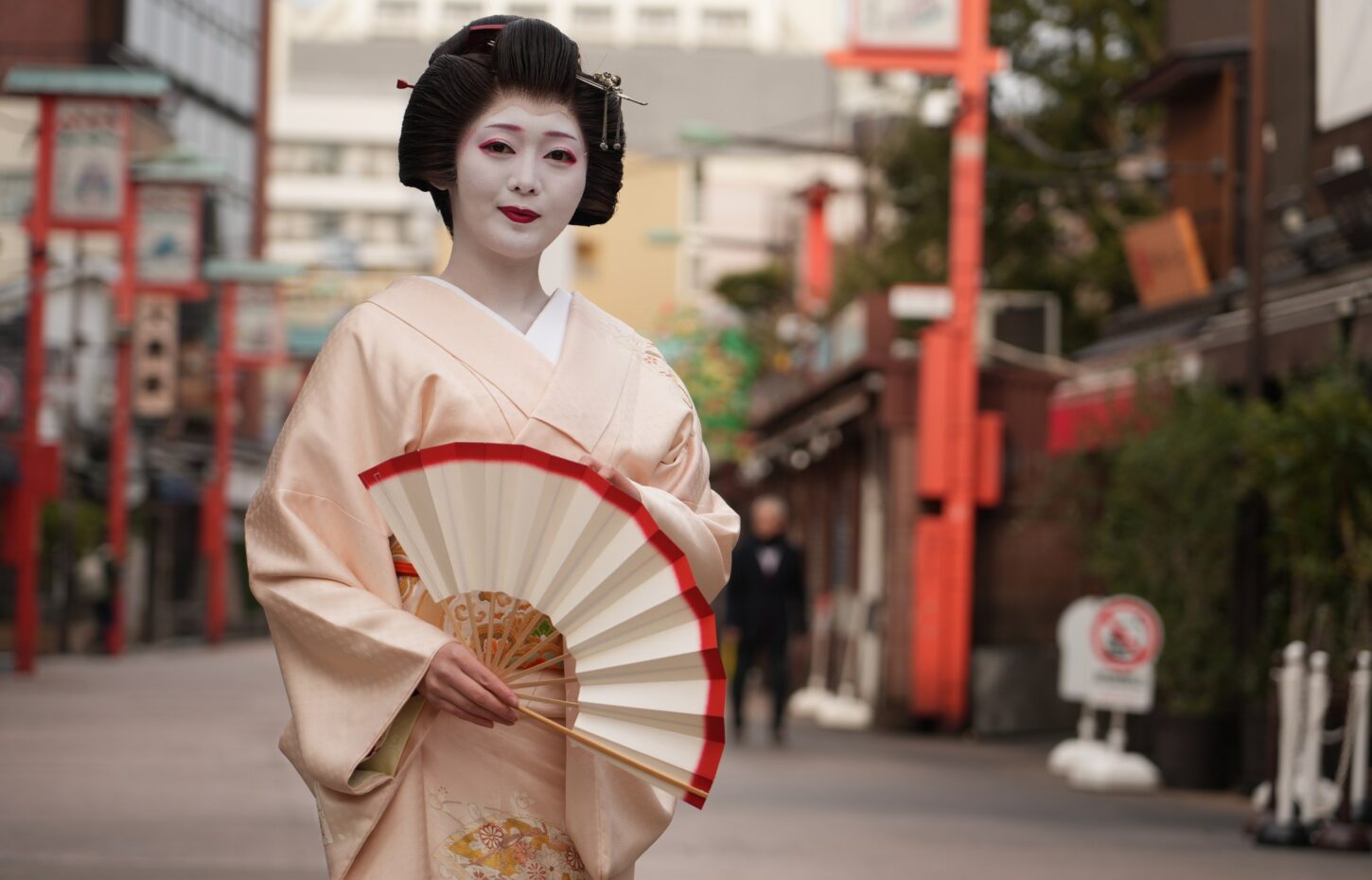
To understand the district, one must understand the role of the geisha. A geisha is not a courtesan; she is a highly trained artist.
Roles and Styles
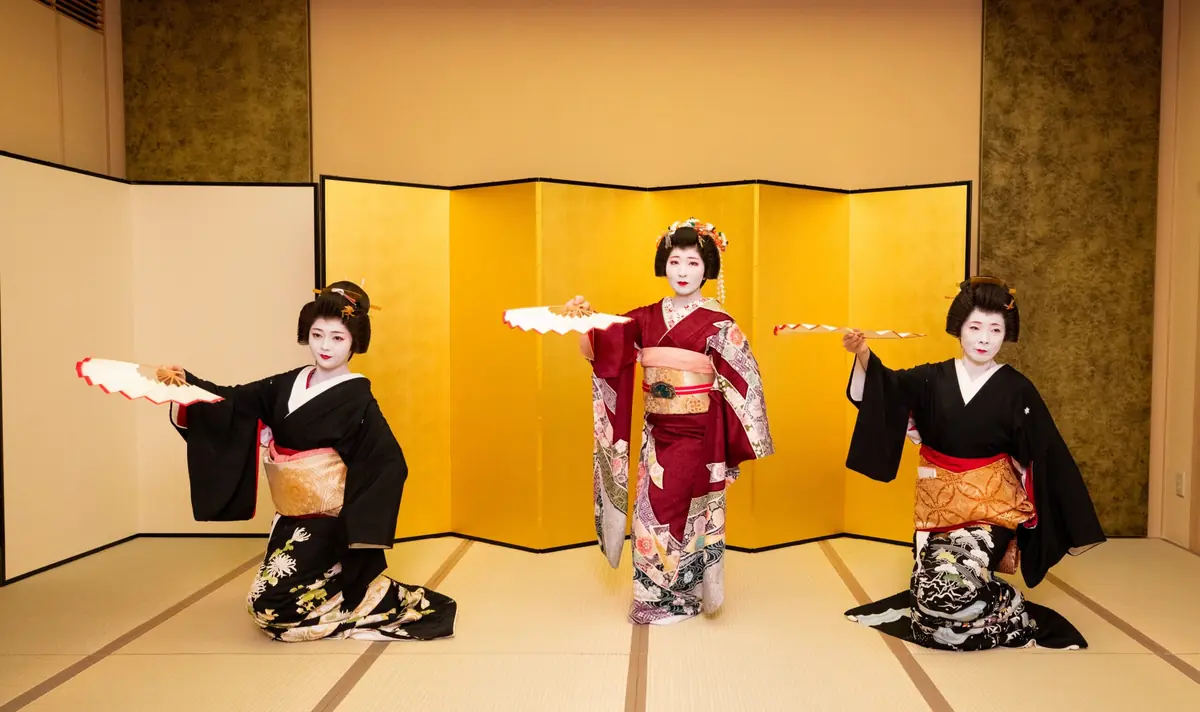
- Tachikata (Dancers): These geisha specialize in classical Japanese dance.
- Jikata (Musicians): These geisha provide musical accompaniment, playing the shamisen and singing.
- Hokan (Taikomochi): In Asakusa, you may also encounter male geisha, called Hokan or Taikomochi. They act as jesters and entertainers. Asakusa is one of the few places where this rare male tradition survives.
4. How to Experience the Asakusa Geisha District
For many visitors, the world of the geisha feels impenetrable. However, Asakusa is leading the way in opening its doors. You no longer need to rely on a high-level business connection in order to get a booking.
Asakusa Miyakodori: Your Gateway to the Flower World
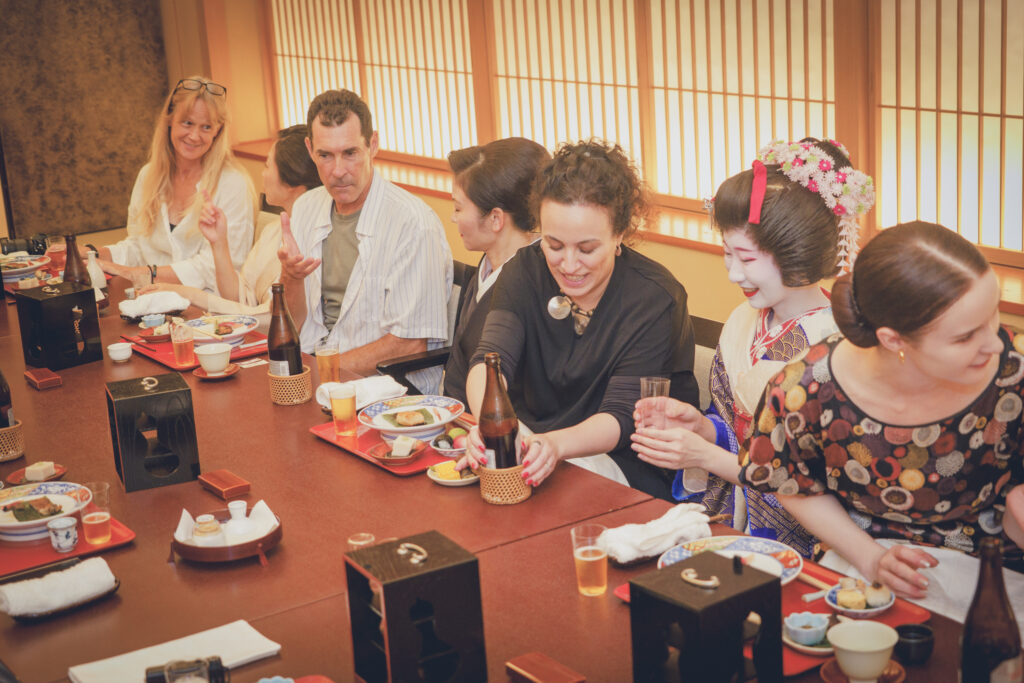
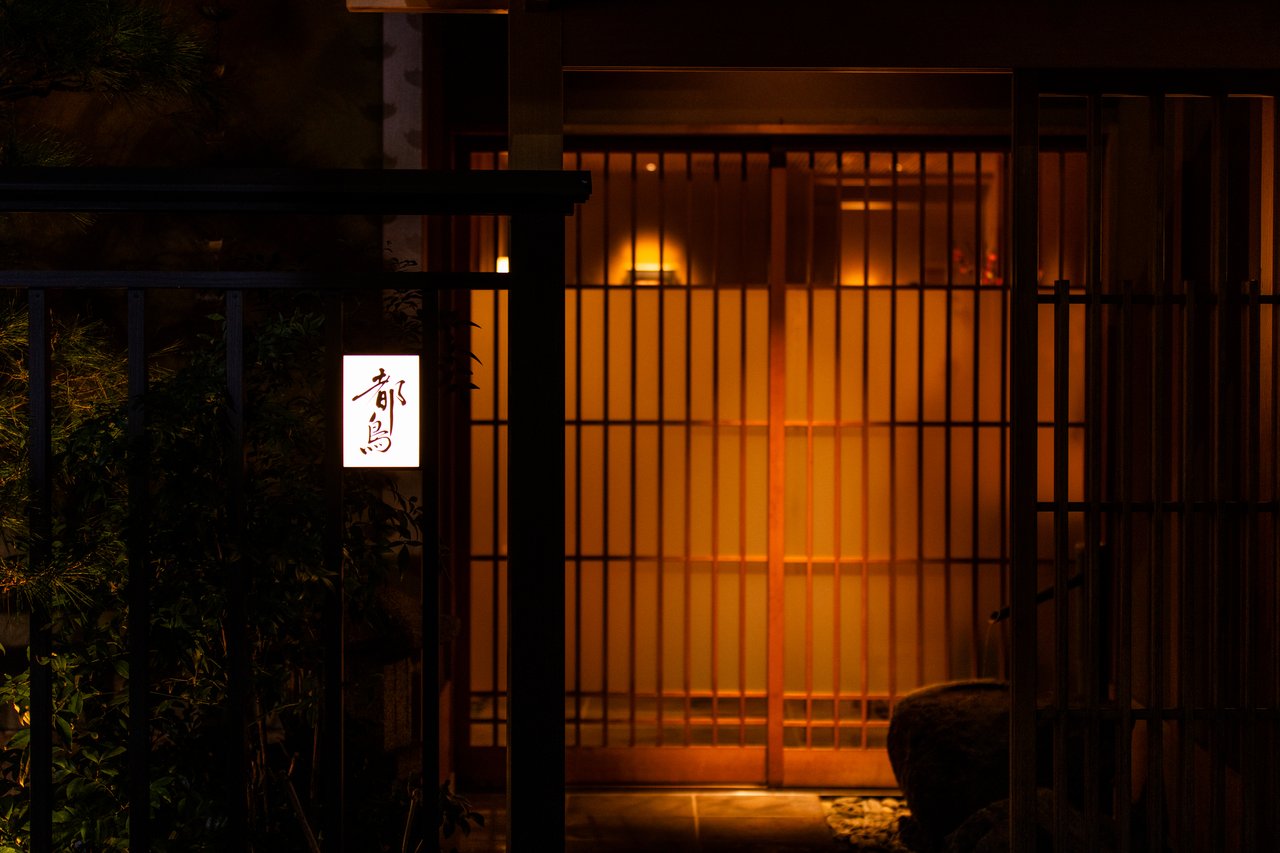
If you are looking for a great and authentic experience, we highly recommend Asakusa Miyakodori (https://miyakodori-geisha.com/). Located in the heart of the Kannon-ura district, Miyakodori is a surviving machiai-chaya (waiting tea house) from 1950.
Why Choose Miyakodori?
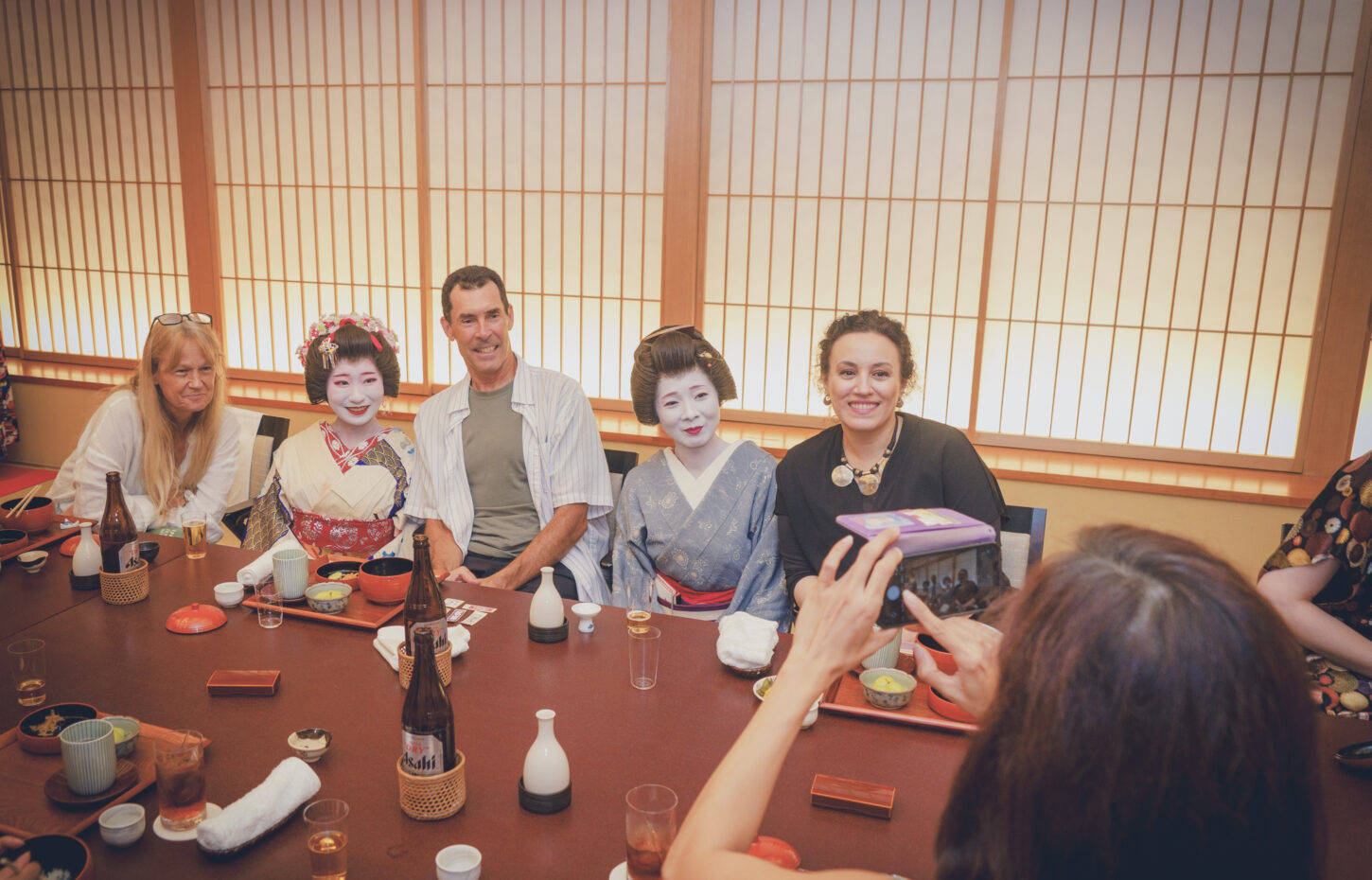
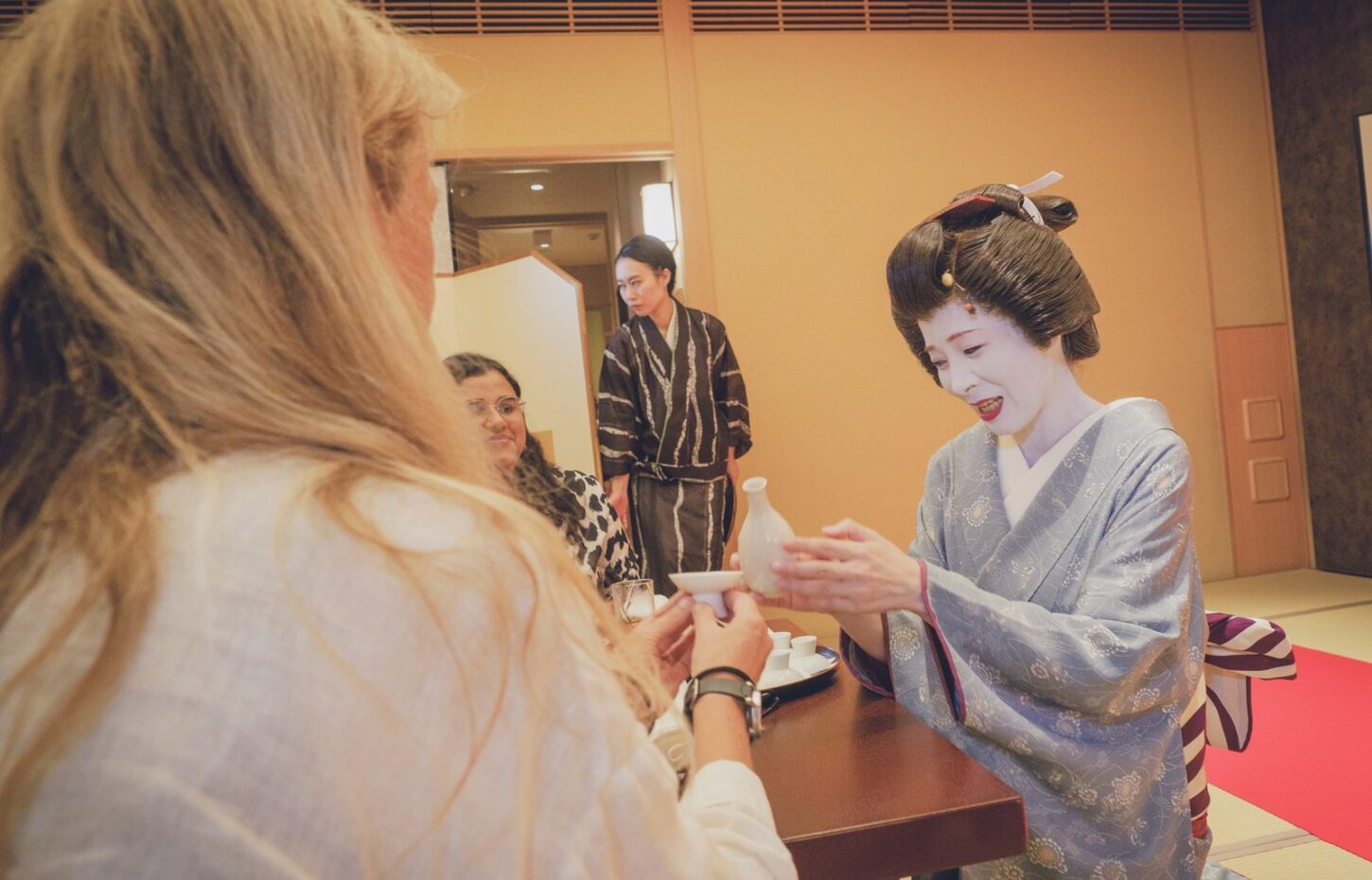
- Personal Service: International guests are welcomed without a referral. You receive personal attention from the geisha.
- Dining: Enjoy a seasonal kaiseki menu featuring fresh ingredients. You can drink premium sake and enjoy the finest food.
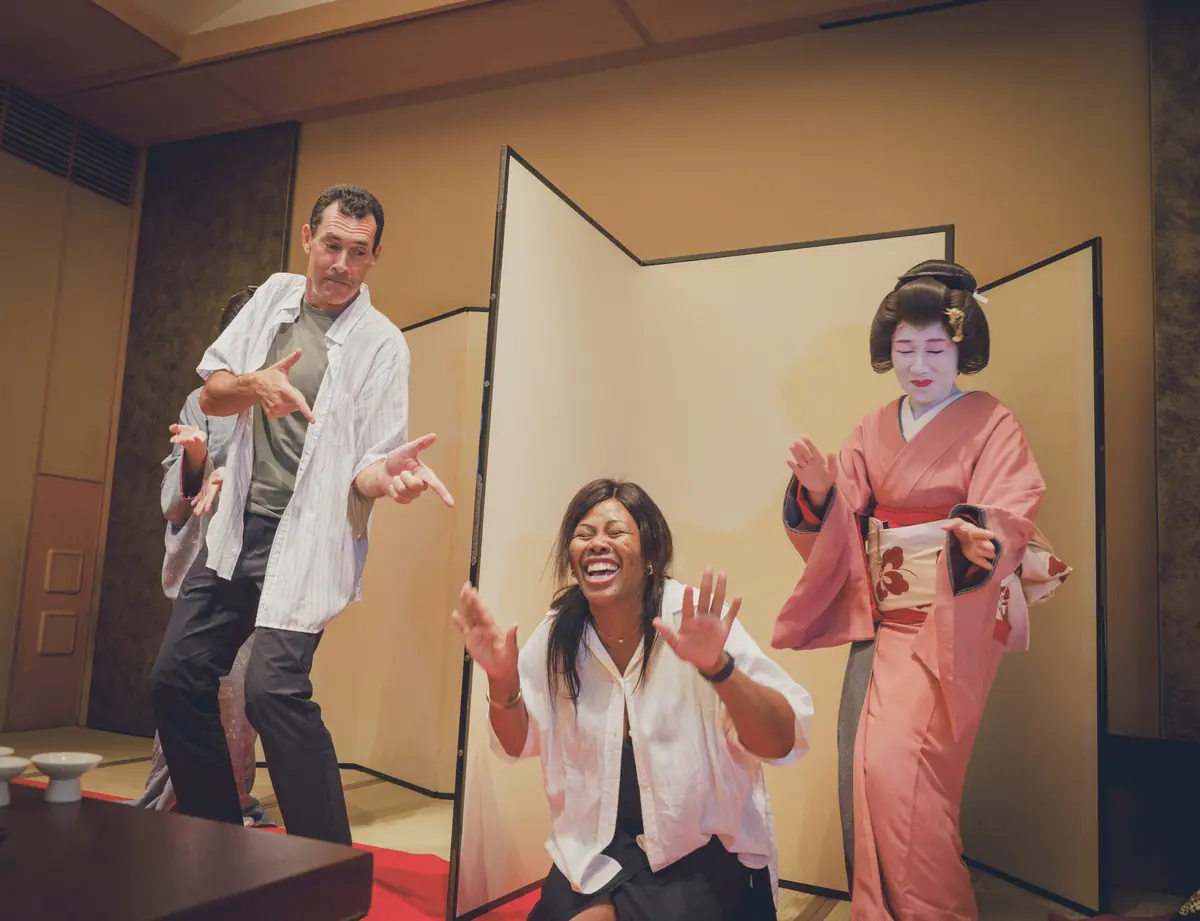
- Special Plans: Plans include private ozashiki (banquet) experiences. This allows you to spend quality time engaging with various aspects of the culture.
- No Strict Policy: Unlike some venues with complex terms, Miyakodori has a clear booking policy accessible via the website.
Walking Tours and Sightseeing
Even if you do not book a dinner, a tour through the Kannon-ura area at dusk is magical.
- Route: Start at Sensoji, walk behind the temple towards the Kenban, and explore the quiet side streets nearby.
- Sights: Look for the black wooden fences of the ryotei and the small shrines tucked between modern buildings. It is a great way to read the history of the city through its architecture.
5. Asakusa vs. Other Tokyo Districts
While Tokyo has other geisha districts like Kagurazaka, Shinbashi, and Mukojima, Asakusa remains the most popular for tourists for several reasons.
- Atmosphere: It retains the most tangible “Edo” vibe.
- Attractions: Its location near the Skytree makes it a perfect hub for a day of sightseeing.
- Events: The district hosts numerous festivals, including the Sanja Matsuri, where geisha often participate.
6. Practical Tips for Your Visit
- Respect: If you see a geisha on the street, do not block her path for a photo. She is working.
- Booking: Plan ahead. Authentic experiences like those at Miyakodori require reservations. Check their site for current availability.
- Etiquette: Wear nice socks (you will take your shoes off when attending an ozashiki banquet) and be respectful of the cultural norms during the banquet.
7. Conclusion: A Timeless Journey
A visit to the Asakusa geisha district is a journey into the soul of Japan. Whether you are walking the lantern-lit streets or enjoying a private dinner at Asakusa Miyakodori, you are participating in a living history.
Don’t just watch from a distance. Contact Asakusa Miyakodori today to reserve your private ozashiki experience.
Experience graceful performances, warm hospitality, and a timeless atmosphere where Japan’s living traditions come to life.

- Private Ozashiki: An intimate, refined encounter with authentic Asakusa geisha.
- Traditional Geisha Artistry: Elegant dance, live shamisen music, and interactive ozashiki games.
- Historic Machiai-chaya Setting: A sophisticated cultural experience in a traditional machiai-chaya setting.
- English Support Available: Assistance for international guests throughout your visit.


- Beyond "Geisha Girls": Understanding Japan's Traditional Artists of the Flower and Willow World
- The Geisha Experience in Tokyo: Planning Your Visit to Asakusa
2026 Best Tokyo Geisha Dinner Guide: Top Recommendations for an Authentic Evening in Asakusa
Hakoya: The Unsung Keeper of Asakusa’s Geisha World
Ozashiki Asobi Experience: Traditional Geisha Games in Japan
Japanese Culture Items: A Complete Guide to Traditional Crafts and Objects
Japanese Culture and History: A Complete Guide for International Travelers
What Is Ozashiki Asobi? A Guide to Geisha Games, Etiquette, and the Real Experience in Asakusa, Tokyo
Comment ( 0 )
Trackbacks are closed.

No comments yet.