



Tips for Livening Up an Oseki Play? Rules and How to Play Explained ~Tora Tora Edition~
4. The Song of Tora‑Tora: Lyrics & Meaning
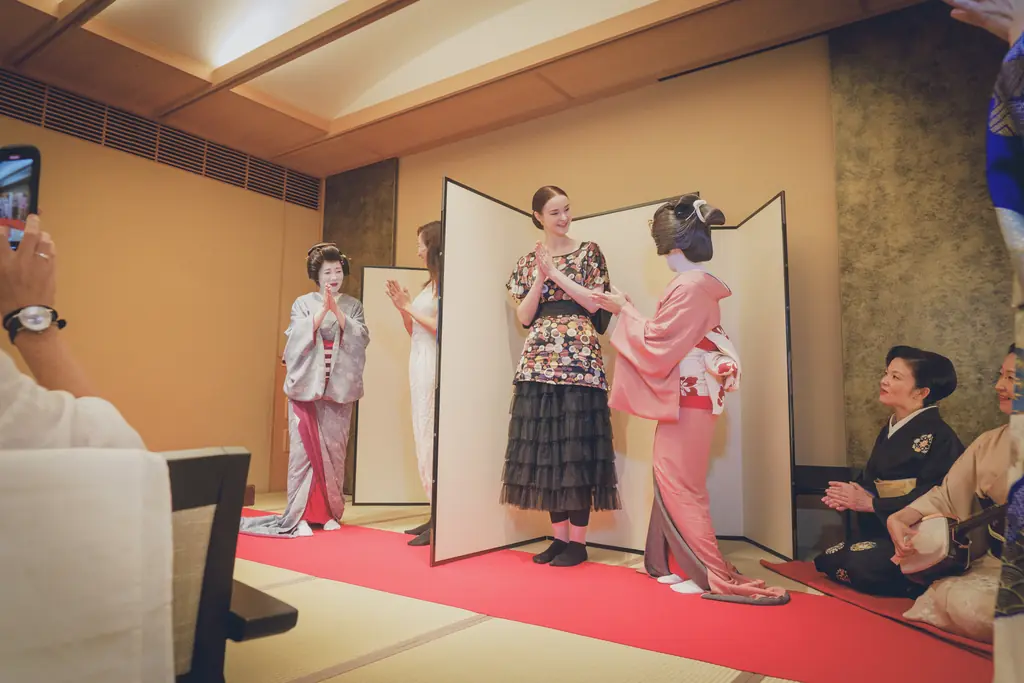
The Tora‑Tora song isn’t just background—it sets the mood, cues the action, and unites players:
4.1 Sample Lyrics
Senri hashiru ya‑bu no naka wo
Minasan nozoite gorou‑jimasu
Kane no hadaki tasuki
Watanowai ga en‑yaraya to
Tora‑tora tora‑tora (clap × 2)
Tora‑tora tora‑tora (clap × 2)
Tora‑tora tora‑tora
⏺ Players reveal their characters after “tora‑tora tora‑tora.”
4.2 The Song’s Role
- Rhythm & unity: The chorus (“tora‑tora…”) brings everyone together, synchronizing movements and building energy.
- Psychological cue: The lyrics hint which character you’re aiming for, deepening the strategic fun.
- Cultural continuity: This melody carries decades of tradition—singing it helps you connect to the cultural roots of the game and enjoy the experience fully.
5. Tips to Maximize Fun with Tora‑Tora
Here are three secrets to liven up your session:
- Go all in with the character
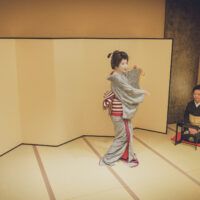
— Be bold with your expressions. Roar like a tiger, move like an old lady, or stand proud as Watanowai. Your performance fuels the excitement. - Mirror the geisha’s style
— Watch and mimic their movements. When they launch their pose, that’s your moment—matching their energy creates harmony and enhances connection. - Free your inner performer
— Don’t be shy. Go big. Guests who play with full enthusiasm energize the whole room—and Tora‑Tora is made for joyous display.
〈Next page〉
Where to Experience Tora‑Tora


- Popular Spots to Go Out in Kimono! Introducing Areas like Asakusa, Kamakura, Kyoto, and More
- Ozashiki Parlor Games: How to Play Konpira Funefune & Tora-Tora
Geisha Drinking Game: Culture, Fun, and Tradition
The Complete Guide to Geisha Dance: Unveiling the Art of Nihon Buyo in Japan
Traditional Japanese Culture Experience: A 2026 Travel Guide
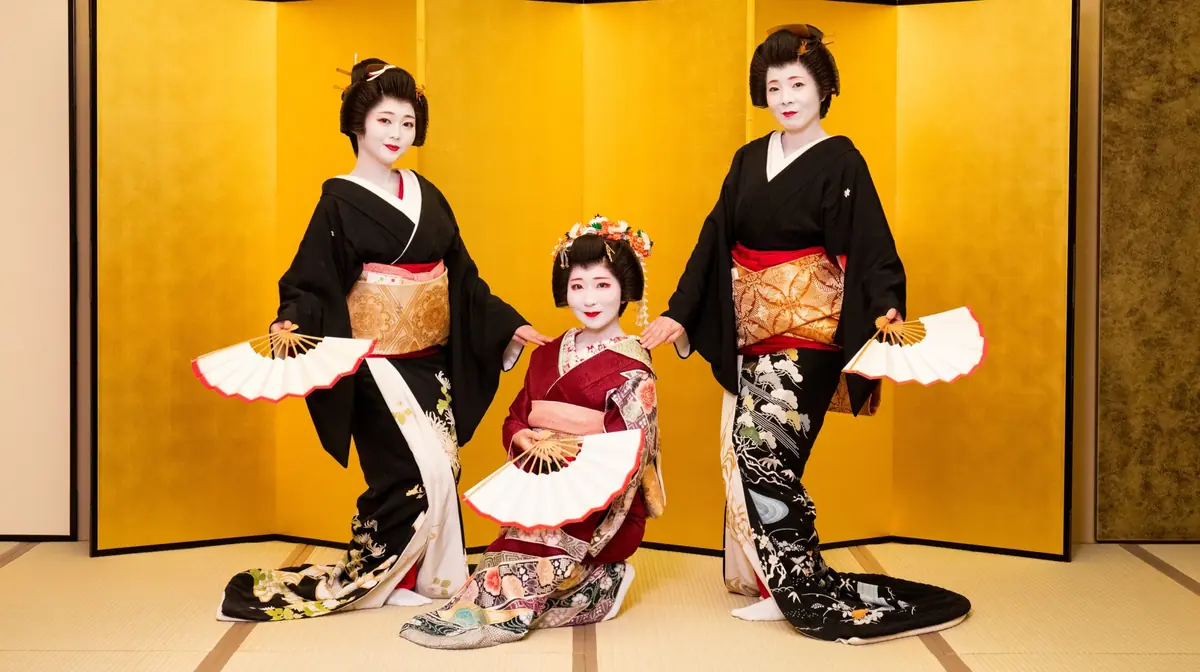
Where to See Geisha in Tokyo, Japan: A Guide to the Best Hanamachi & Experiences
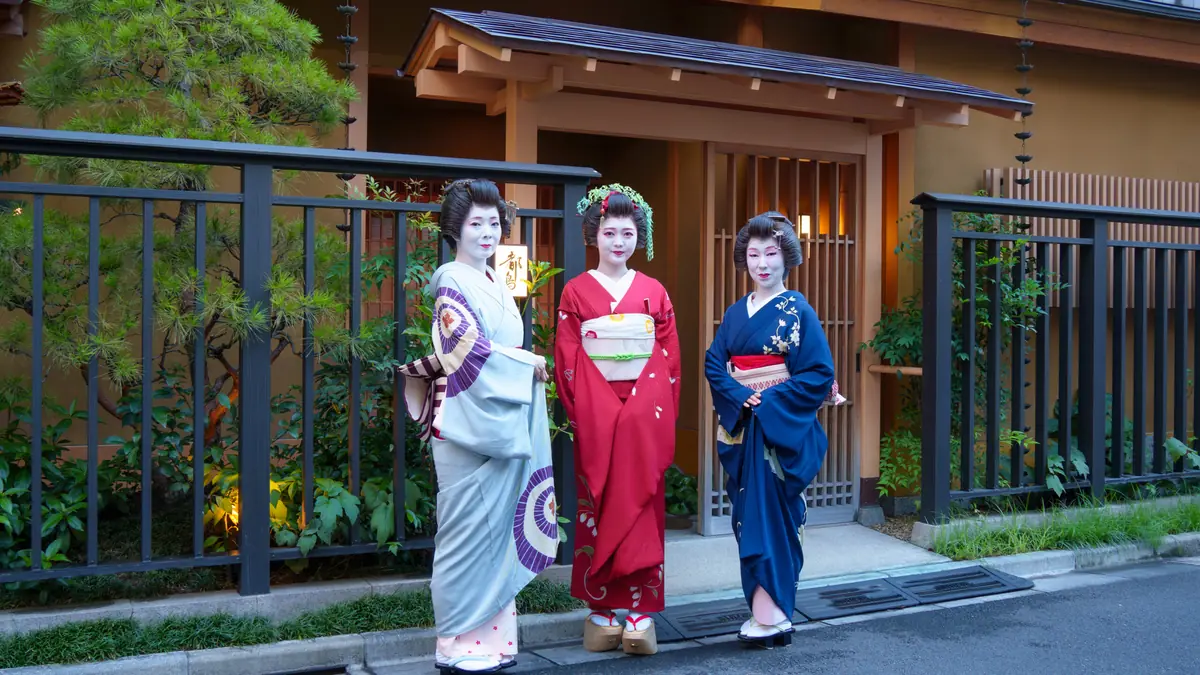
Finding the Best Geisha Shows in Japan: From Kyoto to Tokyo
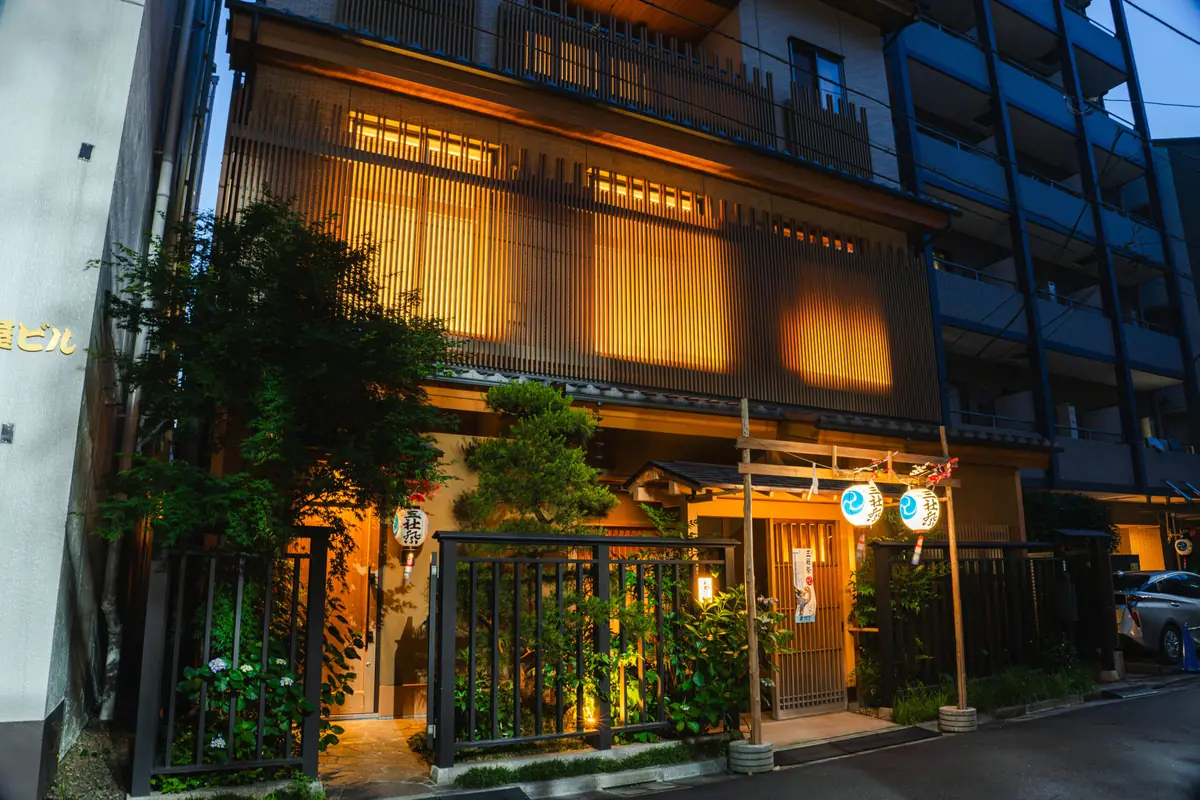
Geisha Restaurant Near Me in Tokyo: Authentic Ozashiki at Miyakodori Asakusa
Comment ( 0 )
Trackbacks are closed.
No comments yet.