



Geisha Culture in Japan: History, Training, and Modern Experiences
Introduction: What Is a Geisha?
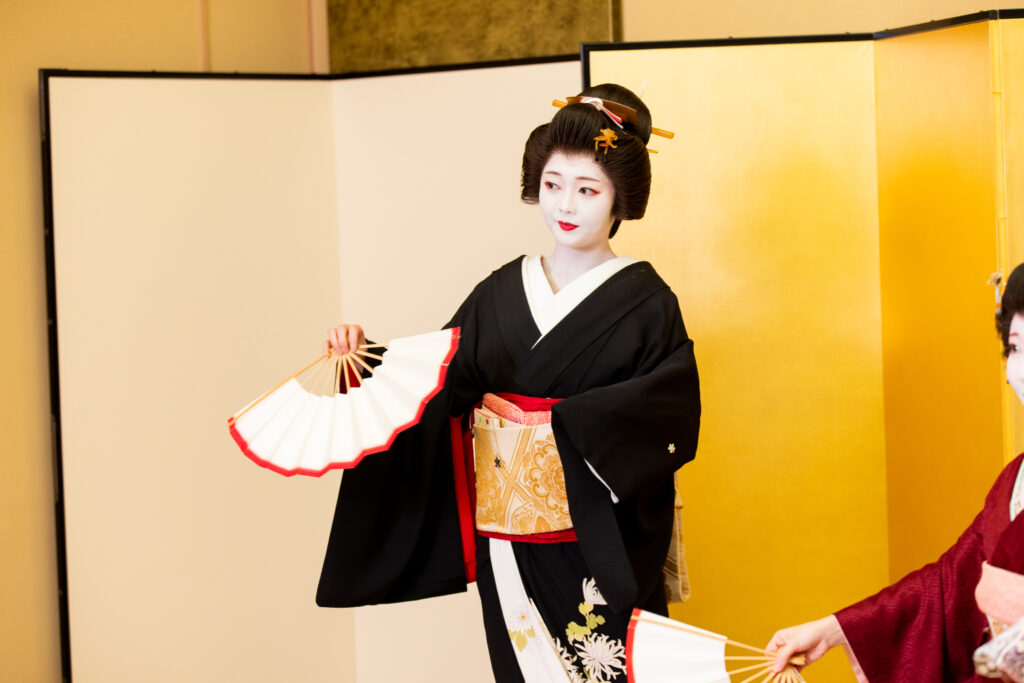
When you think of Japan, one of the first images that comes to mind is likely a woman in a stunning silk kimono, her face painted a delicate white, moving with a grace that seems to belong to another century. This is the geisha, an icon of Japanese traditional arts and hospitality. Yet, for many travelers, the world of the geisha remains shrouded in mystery. Is she a performer? An artist? A hostess? The truth is that a geisha is all of these and more. The word geisha itself translates to person of the arts. They are highly skilled professionals who spend years, sometimes decades, mastering traditional music, dance, and the subtle art of conversation. In an era of fast-paced technology and globalized culture, the geisha stands as a living guardian of Japanese heritage. This guide is designed to take you deep into their world, peeling back the layers of history and etiquette to help you understand and eventually experience this beautiful tradition for yourself.
The Origins and History of Geisha in Pre-Modern Japan
The Origins of the Geisha: From Men to Women
The history of the geisha goes back much further than many realize, and its roots are quite different from the female-centered profession we know today.
- The Late 16th Century: The Arrival of Male Geisha The very first geisha appeared in the late 16th century. Surprisingly, they were men known as taikomochi or hokan. These men were professional entertainers who used music, jokes, and storytelling to keep guests entertained in the pleasure districts.
- The Mid-18th Century: A Shift in Popularity Women were already performing as geisha in the 17th century, alongside the male geisha of the day; the often-cited mid-1700s is not when the profession began. Originally called onna geisha (female geisha) to distinguish them from their male counterparts, these women quickly gained popularity for their refined skills in traditional dance and song.
- The Transition to a Female Profession The performance style and elegance of the onna geisha became so sought after that they eventually surpassed the men in popularity. Over time, women became the sole practitioners of the craft, shaping the iconic geisha culture that continues to be celebrated today.
The roots of the geisha districts, or hanamachi (flower towns), can be traced back to the era of Toyotomi Hideyoshi. It is said that he granted permission for seven tea houses to operate in front of the eastern gate of Kitano Tenmangu Shrine in Kyoto. This was the beginning of the famous Kamishichiken district. Over time, as Japan moved into the Edo period and the capital shifted toward Tokyo, the culture of the geisha evolved. While Kyoto maintained a more aristocratic and courtly style, the geisha in Tokyo, or Edo as it was then known, developed a different character. Influenced by the samurai class and Zen philosophy, Tokyo geisha embraced a style called iki, which emphasizes a sharp, sophisticated, and somewhat understated aesthetic. This distinction between the 雅 (miyabi) or elegance of Kyoto and the 粋 (iki) or chic spirit of Tokyo remains a fascinating part of the culture to this day.
Different Terms for Geisha: Geiko vs. Maiko vs. Geisha
One of the most common points of confusion for visitors is the terminology. You might hear people use the words geisha, geiko, and maiko interchangeably, but they have distinct meanings depending on the region and the level of experience.
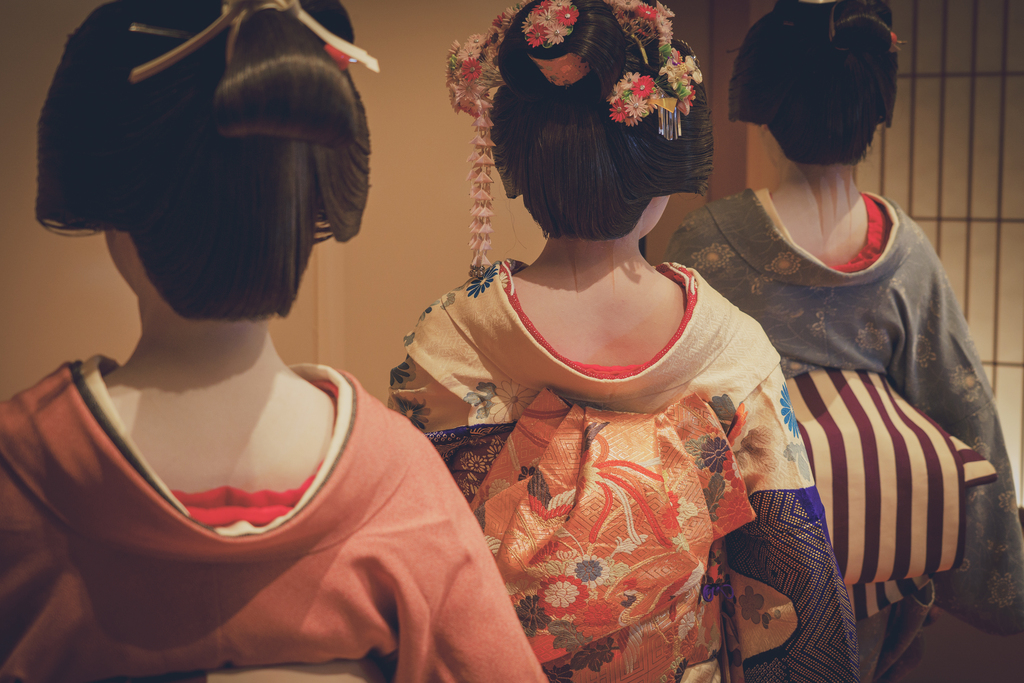
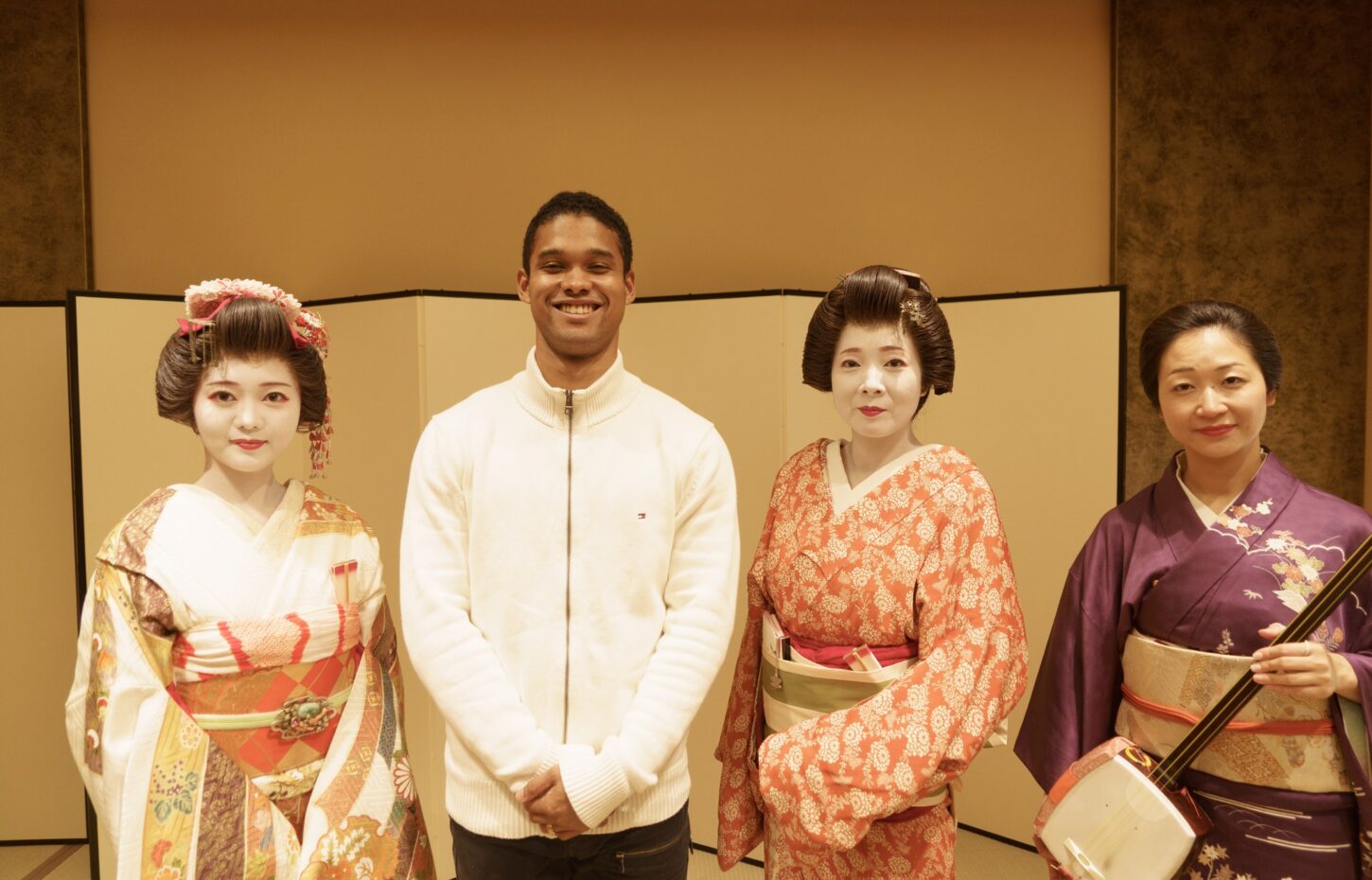
In Tokyo and most of Japan, the term geisha is the standard. However, in Kyoto, these professionals are called geiko. The word maiko refers specifically to an apprentice who is still in training to become a geiko. You can usually tell them apart by their appearance. A maiko wears a colorful kimono with long, trailing sleeves and elaborate hair ornaments, while a geiko or a fully-fledged geisha wears a more subtle kimono with shorter sleeves and a simpler hairstyle. This transition from maiko to geiko represents years of hard work and the mastery of several traditional arts.
Tokyo uses a different word for that apprentice stage. Here she is called a hangyoku — literally “half jewel,” because historically her fee was half that of a full geisha. So the word you hear tells you where you are: maiko and geiko in Kyoto, hangyoku and geisha in Tokyo and Asakusa. Either way both are geisha; what differs is seniority, not category.
A geisha who started during the pandemic: with the teahouses closed there were no rooms to practise in, so the training went into the arts instead — and when things reopened, she says, she got scolded a great deal and learned from it. Subtitled on screen.
The Rigorous Training Process
Becoming a geisha is not a career choice one makes lightly. It is a lifelong commitment to the arts. The training process begins when a young girl enters an okiya, or geisha house. In the past, this happened at a very young age, but today, girls typically join after completing high school.
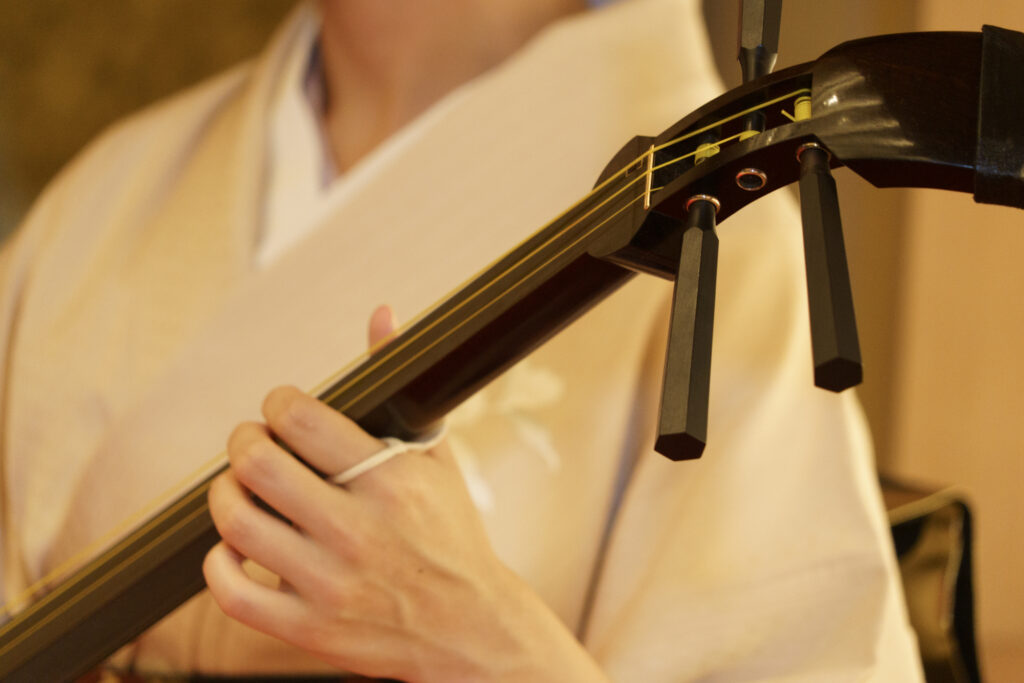
The first stage is being a shikomi, where the trainee lives in the okiya and performs household chores while observing the senior geisha. She learns the proper way to speak, how to wear a kimono, and the complex rules of etiquette. After months of observation and rigorous practice in dance and music, she may become a maiko or an apprentice. Even after she officially debuts, the learning never stops. A geisha is expected to refine her skills every single day. They study the shamisen (a three-stringed instrument), the flute, traditional singing, and various forms of Japanese dance. They must also stay informed about current events and literature to ensure they can hold engaging conversations with guests from all walks of life.
Traditional Arts: Music, Dance, and the Tea Ceremony
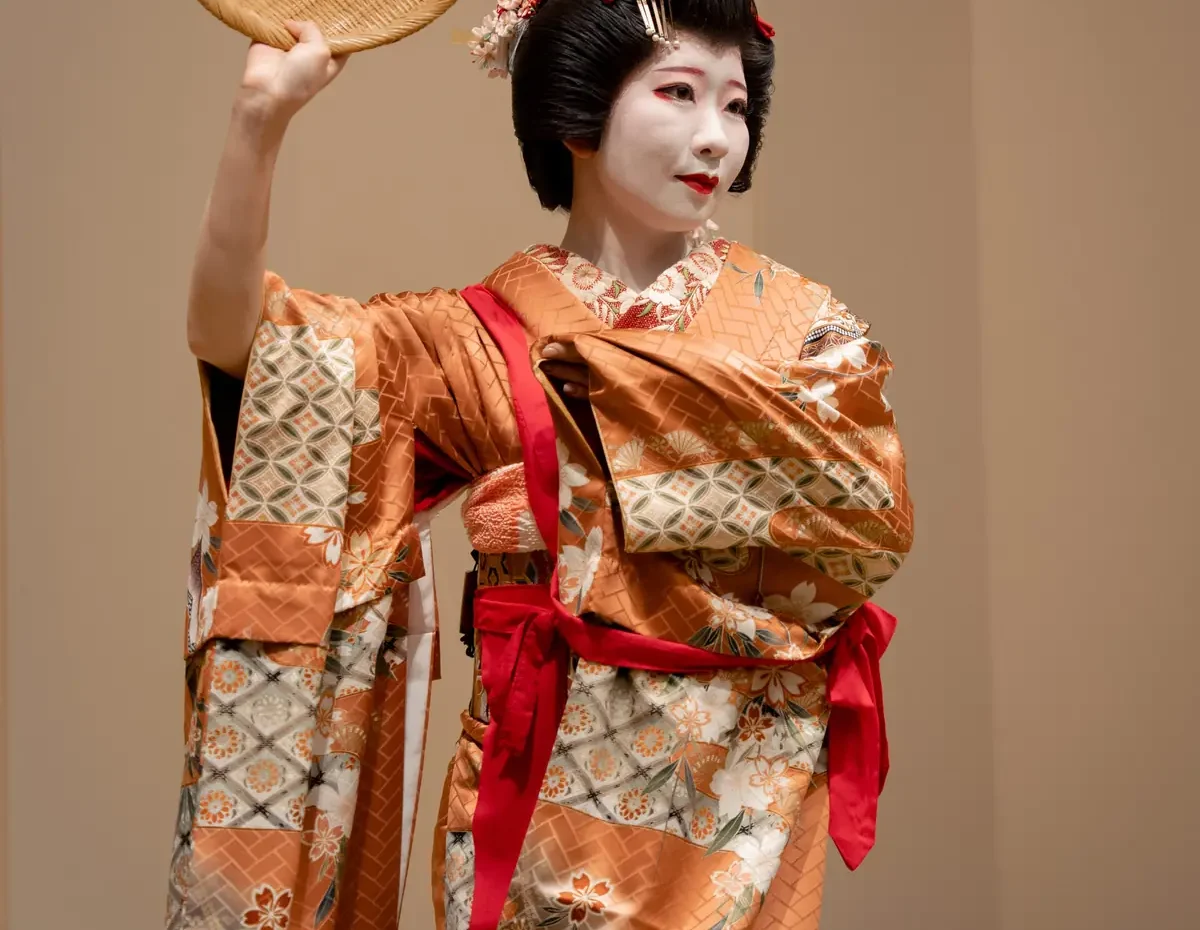
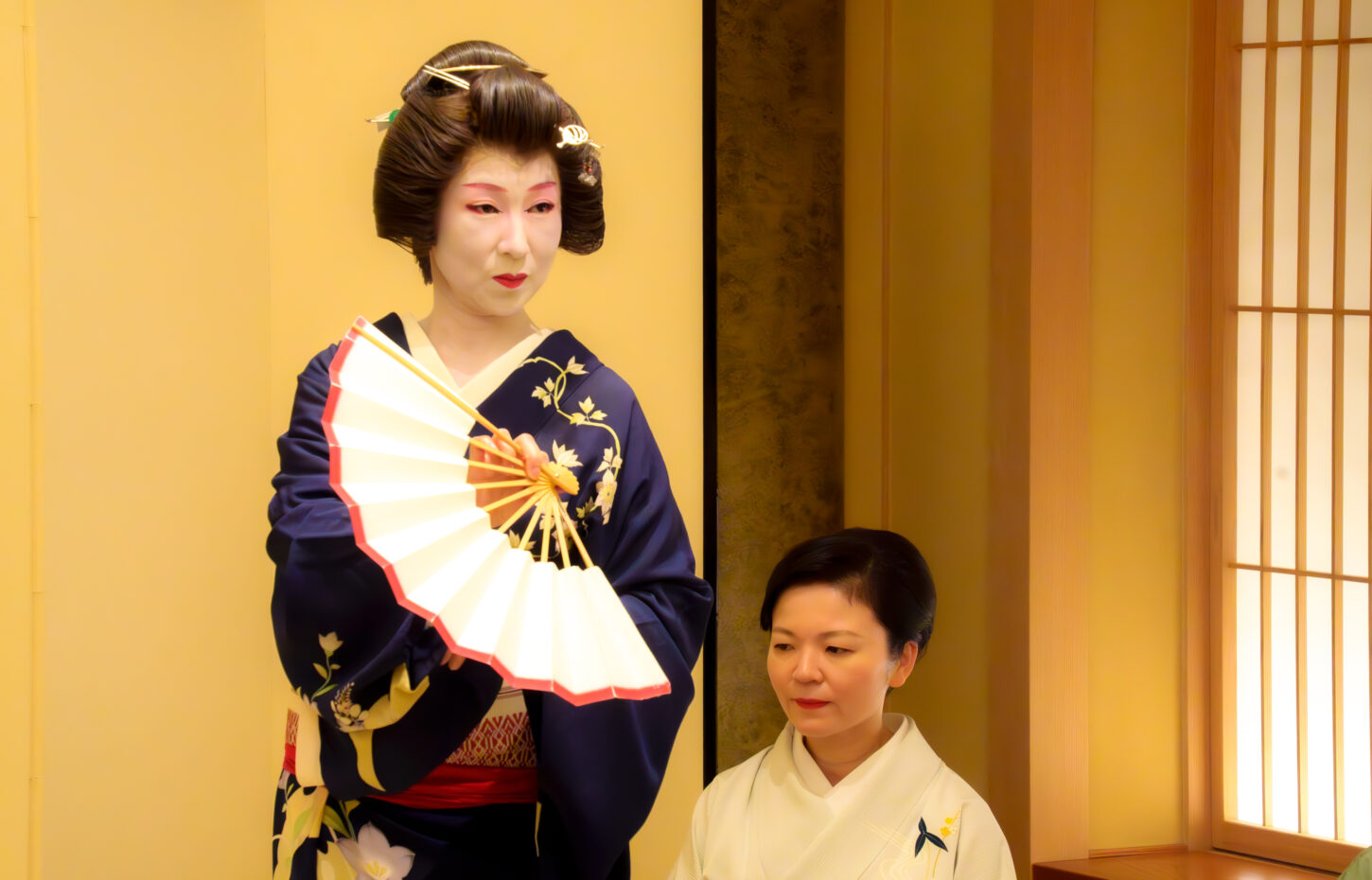
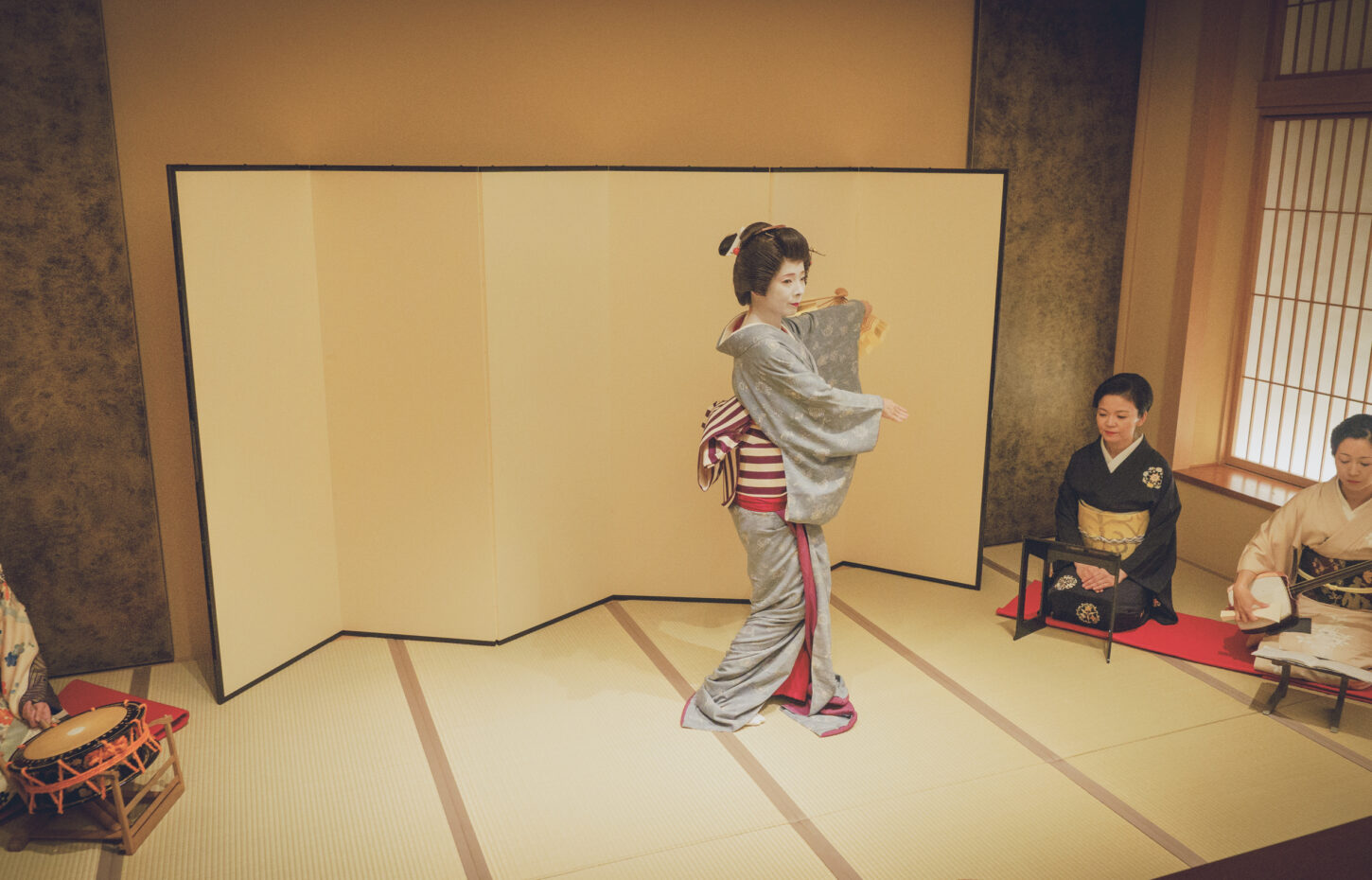
The core of a geisha’s work is the performance. When you attend an ozashiki (a banquet in a tatami room), the evening is structured around these arts. The geisha will perform seasonal dances that tell stories of Japanese folklore, nature, or daily life. These movements are incredibly precise; every tilt of the head and flick of the fan has a specific meaning.
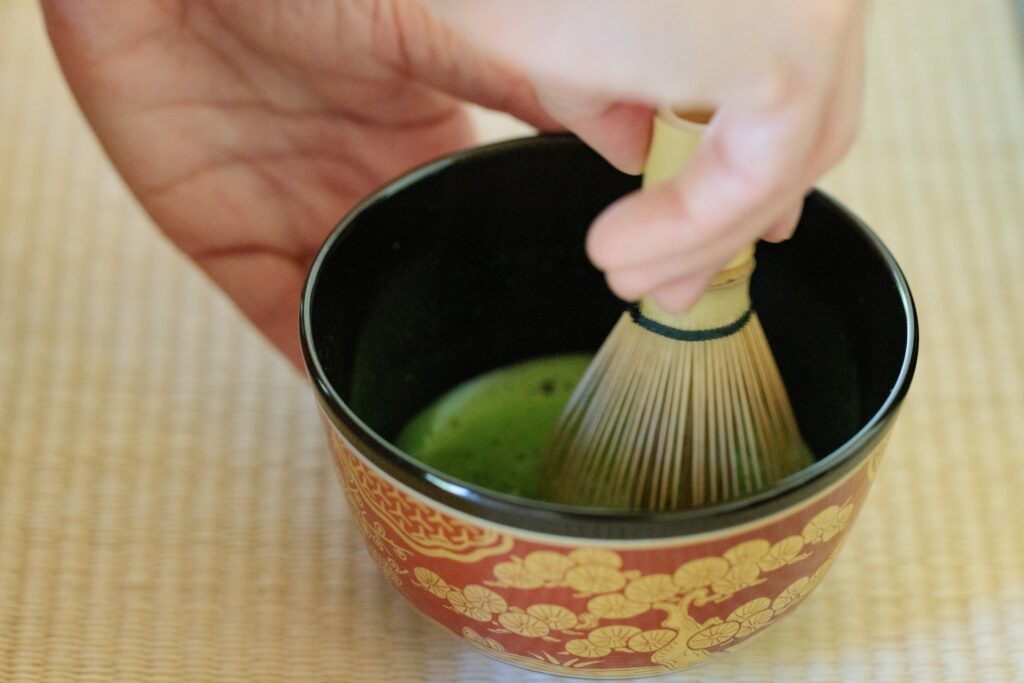
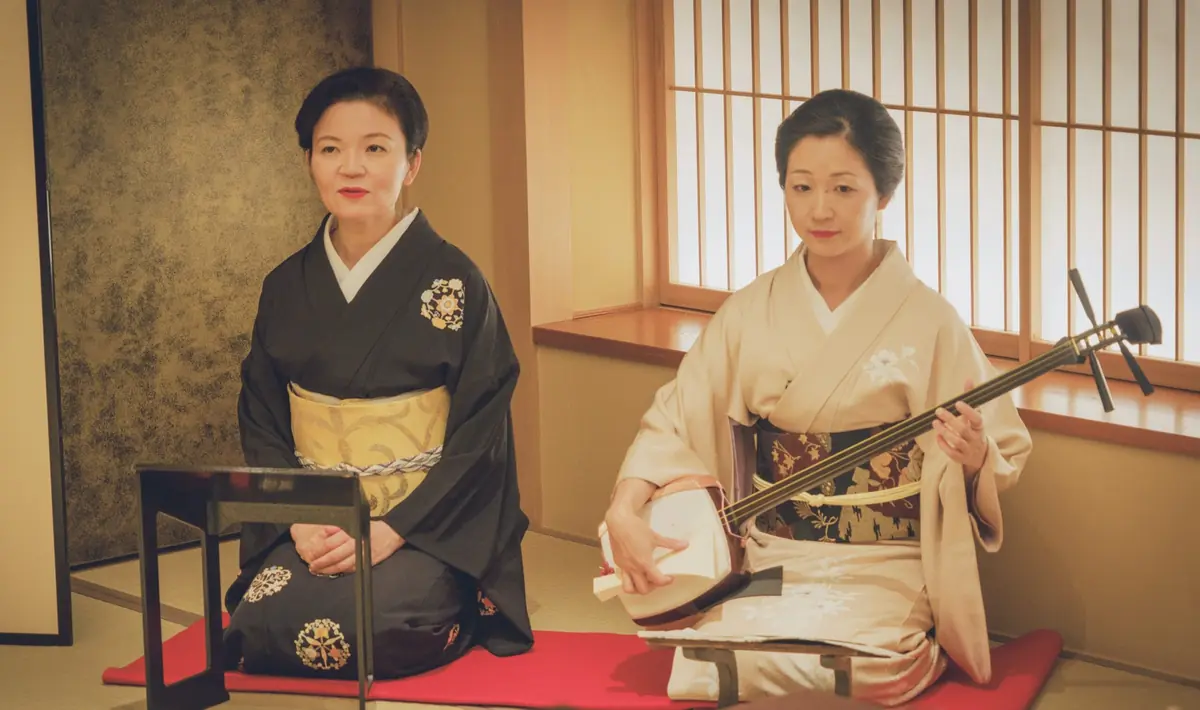
Accompanying the dance is the hauntingly beautiful music of the shamisen. The songs often reflect the changing seasons, a central theme in Japanese culture. Beyond music and dance, geisha are also masters of the tea ceremony. Not just about making tea; the tea ceremony is a meditative practice that emphasizes harmony, respect, purity, and tranquility. Watching a geisha perform a tea ceremony is a lesson in mindfulness and the beauty of slow, deliberate action.
Geisha Appearance: Makeup, Kimono, and Hairstyles
The visual impact of a geisha is undeniable. Their appearance is a carefully constructed work of art that takes hours to prepare. The iconic white foundation, known as shironuri, was originally used because it helped the geisha’s face stand out in the dim candlelight of traditional tea houses. Today, it remains a symbol of their profession.
The kimono worn by geisha are among the finest in the world, often handmade from hand-painted silk and costing thousands of dollars. The way a kimono is tied and the patterns chosen are all determined by the season and the geisha’s status. Even their hair is a testament to their dedication. Apprentice maiko use their own hair to create complex styles that must be maintained for a week at a time, requiring them to sleep on a special wooden pillow called a takamakura to avoid ruining the shape.
Geisha in Modern Japanese Society
You might wonder if geisha still have a place in modern Japan. The answer is a resounding yes. While the number of geisha has decreased since the heyday of the early 20th century, they remain a vital part of the cultural landscape. Today, they perform at major festivals, entertain international dignitaries, and host private parties for those who appreciate the finer points of Japanese tradition.
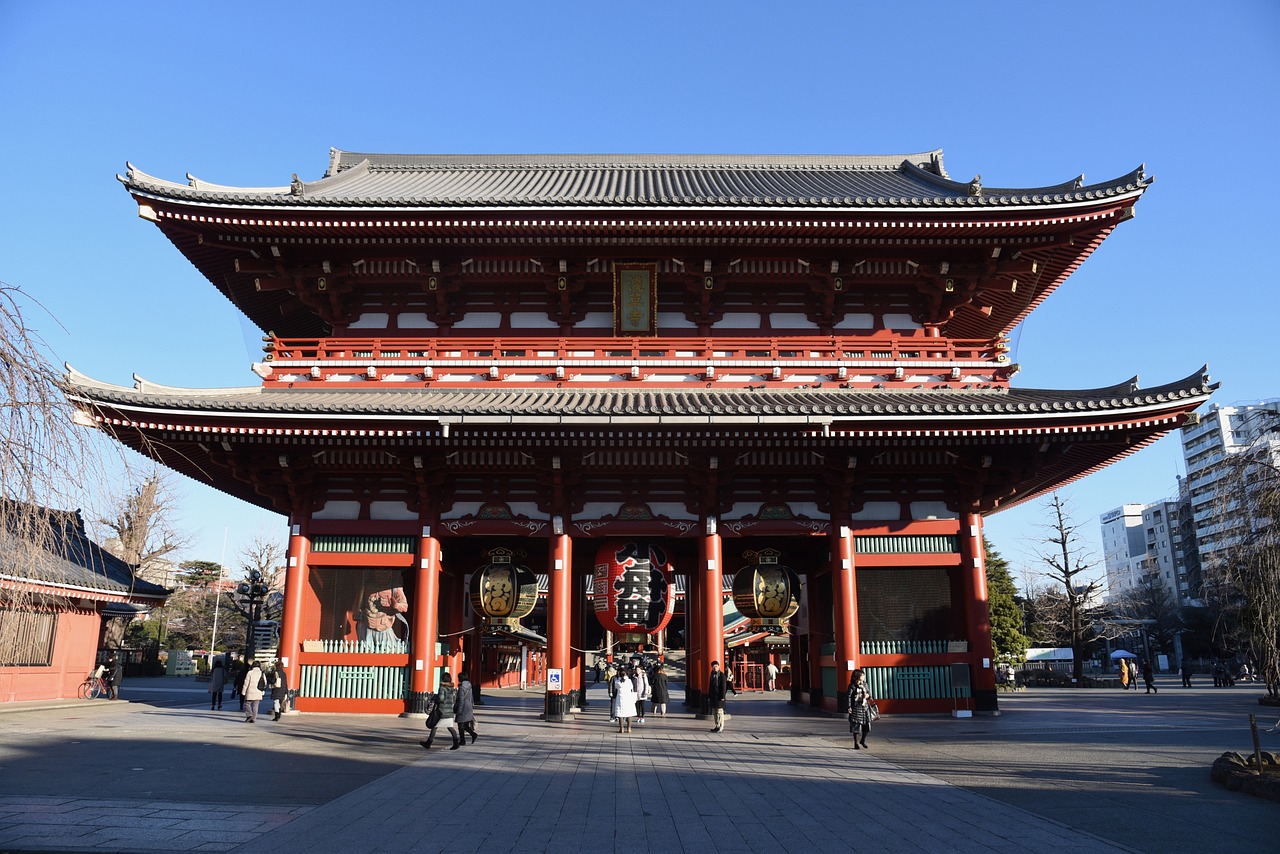
In cities like Tokyo, the geisha districts have adapted to the times while keeping their heritage intact. Asakusa, in particular, is a fascinating example. It is one of the six remaining hanamachi in Tokyo. Unlike the more exclusive districts like Shinbashi or Akasaka, which historically catered to politicians and business tycoons, Asakusa has always had a more open and welcoming atmosphere. Because it is centered around Senso-ji, the city’s oldest temple, the Asakusa geisha have grown up in a community that is used to visitors and tourists. This makes Asakusa one of the best places for an outsider to experience geisha culture without feeling like an intruder.
Common Misconceptions: Geisha vs. Courtesans
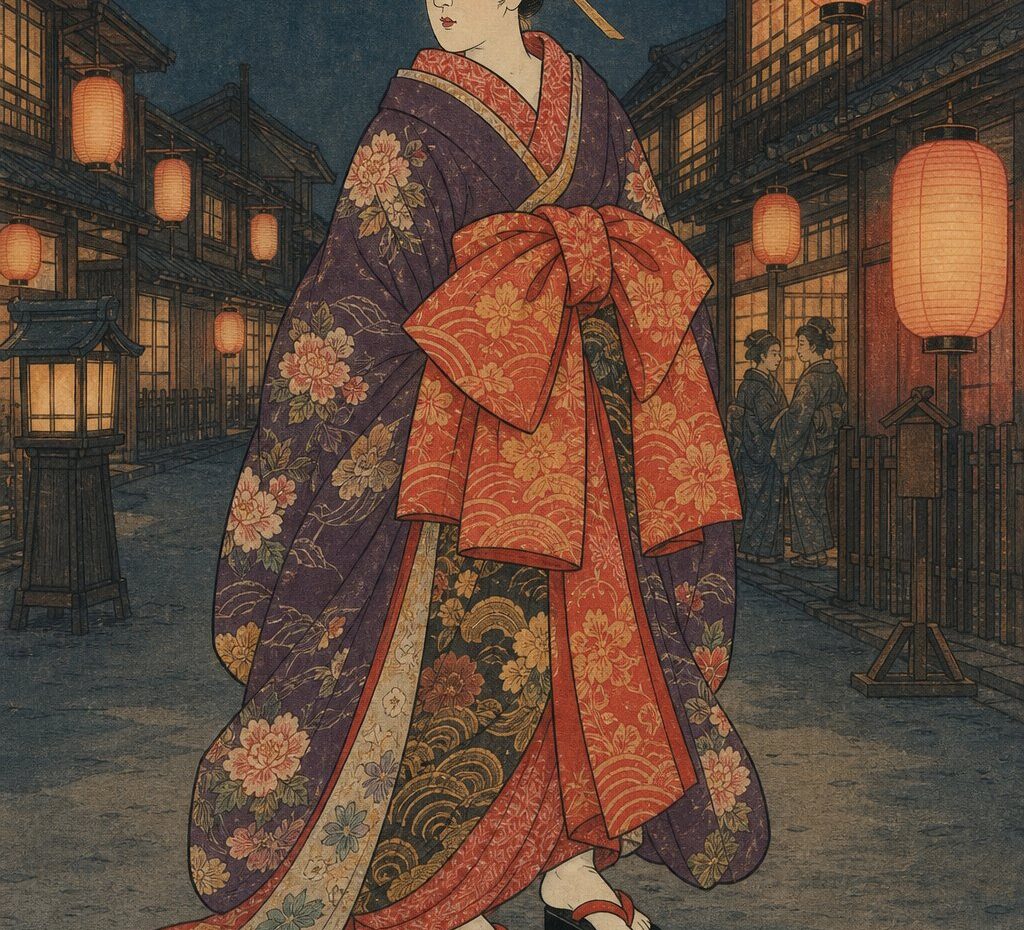
It is important to address a common misunderstanding that often arises in Western media. Geisha are often confused with courtesans or prostitutes, particularly the oiran of the Edo period. This is historically and professionally incorrect. From the very beginning, strict laws were in place to separate geisha from the sex trade. Geisha were legally forbidden from engaging in such activities to ensure they remained focused on their role as artists. They were, and are, high-level entertainers and cultural ambassadors.
The confusion deepened after the Second World War. During the Allied occupation, women working in the sex trade dressed in cheap kimono and white makeup and presented themselves to American soldiers as “geisha girls.” Those soldiers carried the stories home, and Western books and films repeated them for decades. The image lodged itself in popular culture long after it had stopped describing anyone real.
A second question visitors often raise is the danna system. Historically a danna was a wealthy patron who covered the considerable cost of a geisha’s kimono, instruments, and training — an arrangement that was primarily financial and rooted in a shared appreciation for the arts. It has largely gone. The geisha you meet in Asakusa today are independent professionals who manage their own careers and choose their own engagements.
Where to See Real Geisha: Kyoto, Tokyo, and Beyond
If you are looking to see geisha, your first thought might be the Gion district in Kyoto. Gion is certainly beautiful and famous, but it can often be crowded with tourists hoping to catch a glimpse of a maiko on her way to work.
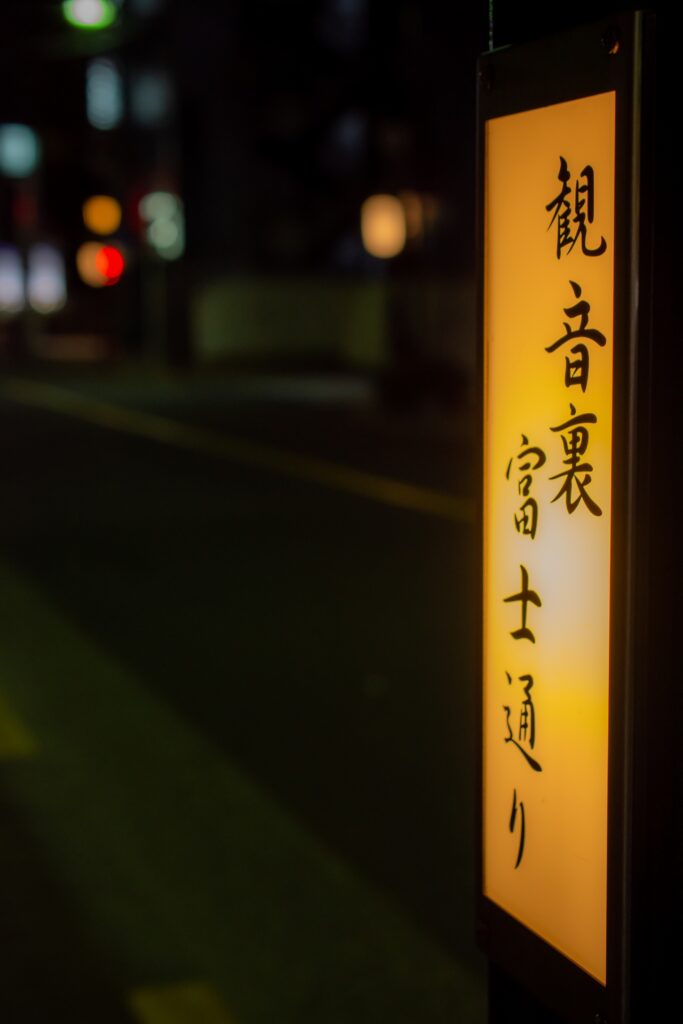
For a more authentic and less frantic experience, we highly recommend looking toward Tokyo, specifically Asakusa. Asakusa’s geisha district, known as Kannon-ura because it sits behind the Senso-ji temple, feels like a step back in time. Here, the traditions of the Edo period are still very much alive. Only two licensed machiai-chaya (geisha teahouses) remain in Asakusa, and they serve as the stage for these incredible artists.
How to Experience Geisha Culture as a Tourist: The Role of Miyakodori
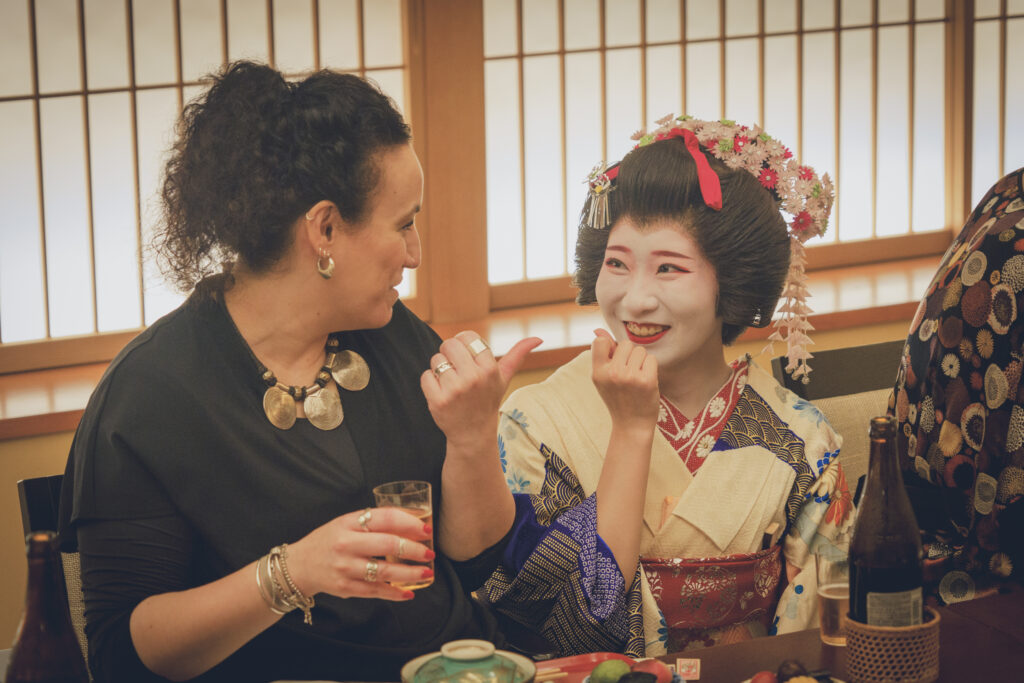
Many tourists assume that meeting a geisha is impossible without a local connection. In the past, many tea houses operated on an “ichigen-san kotowari” basis, meaning no first-time guests without an introduction. However, Asakusa is leading the way in making this culture more accessible.
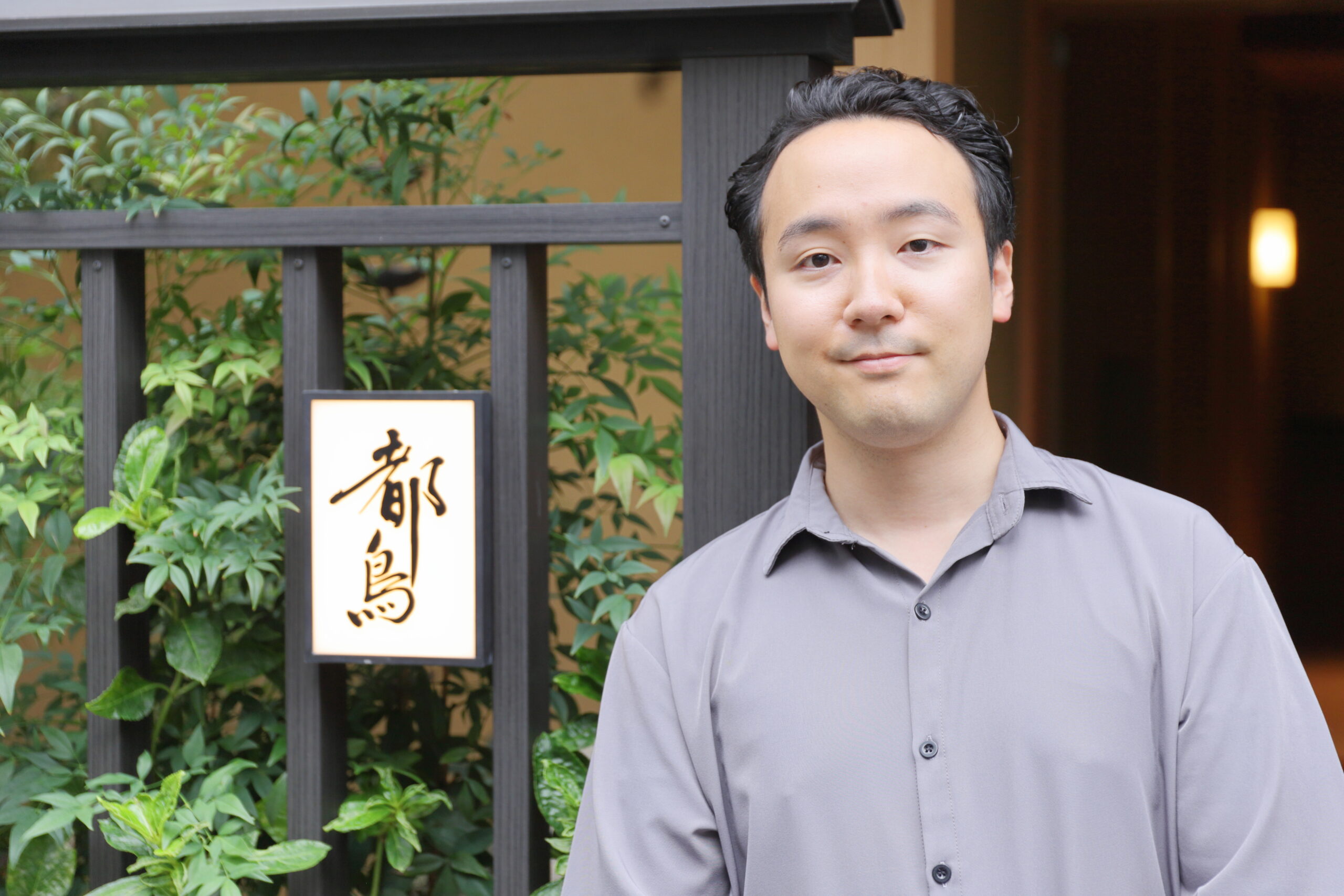
This is where Asakusa Miyakodori comes in. Founded in 1950, Miyakodori is a historic establishment located in the heart of the Kannon-ura district. It holds a unique position as the only remaining machiai-chaya in Asakusa. A machiai-chaya is a specific type of establishment that focuses primarily on providing a space for guests to play and interact with geisha, rather than just serving food.
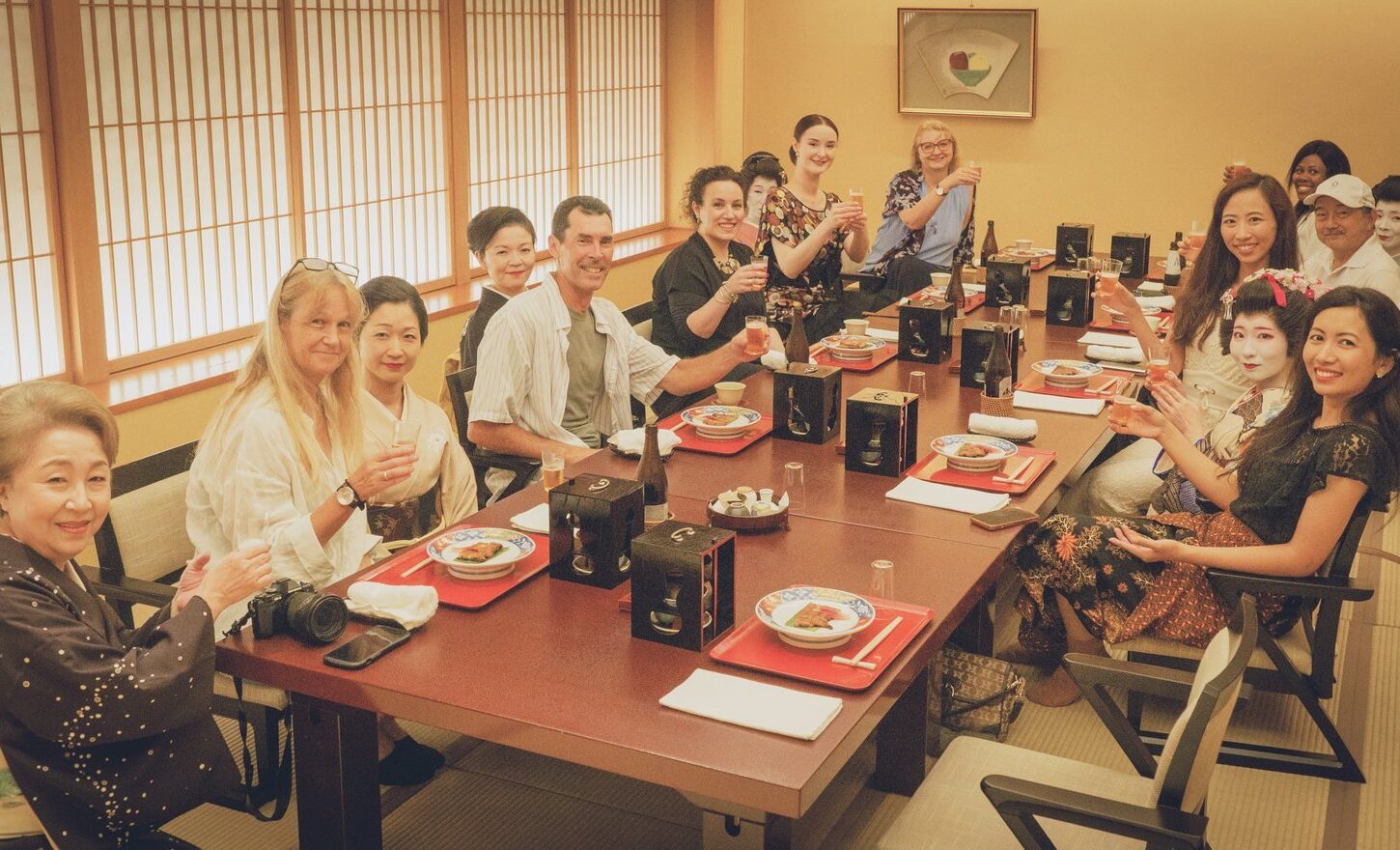
At Miyakodori, the focus is on the fun and spirit of Edo. They have created special courses designed to introduce visitors to the world of the geisha. You can enjoy a seasonal kaiseki meal—beautifully presented dishes that reflect the flavors of the current month—while being entertained by the graceful dances and soulful music of the Asakusa geisha.
One of the highlights of an evening at Miyakodori is the opportunity to participate in ozashiki asobi, or traditional parlor games. These games — Konpira Fune Fune and Tora Tora among them — are simple, fun, and a great way to break the ice and interact directly with the geisha. It turns an evening of observation into an evening of participation. Whether you are traveling with family, celebrating a special occasion, or hosting international VIPs, Miyakodori offers a private and prestigious setting that ensures your experience is both personal and unforgettable.
Etiquette and Rules: What to Know Before You Go
When visiting a place like Miyakodori, there are a few simple rules to keep in mind to ensure you are respectful of the culture:
Always remove your shoes at the entrance.
Ask for permission before taking photos of the geisha.
Dress appropriately; while a full suit isn’t required, smart-casual attire shows respect for the tradition.
Relax and enjoy. The geisha are masters of hospitality; their goal is to make sure you have a wonderful time.
The Future of Geisha Culture in the 21st Century
The world of the geisha is not a museum piece; it is a living, breathing culture. Establishments like Miyakodori are ensuring that these traditions continue by making them relevant to modern audiences. By offering experiences that are inclusive—including options like halal-friendly meals for international guests—we are opening the doors of the hanamachi to the world.
Conclusion: Why Geisha Remain an Iconic Symbol of Japan
The geisha represents the heart of Japanese omotenashi, or selfless hospitality. In a world that often feels rushed and superficial, an evening in an Asakusa tea house offers a rare chance to slow down and appreciate the beauty of the moment. It is an experience that stays with you long after you have left the tatami room.
If you are planning a trip to Tokyo and want to truly touch the soul of the city, we invite you to visit Asakusa Miyakodori. Experience the magic of the Edo period, the beauty of the geisha’s dance, and the warmth of a tradition that has been kept alive for centuries.
Geisha Culture in Japan: Frequently Asked Questions
Question: What is the most common misconception about geisha in the modern day?
Answer: Perhaps the most significant misconception involves the nature of their work. A geisha is a highly trained female professional who focuses on performing classical arts. This includes dancing, playing musical instruments like the shamisen, and the art of conversation. They are not courtesans. This image was blurred after the war when some people dressed in a similar fashion to appeal to foreign visitors, including American soldiers. However, the true geisha is a dedicated artisan who has worked for years to master poetry, calligraphy, and traditional song. In 2026, these women continue to represent the peak of Japanese hospitality and cultural education.
Question: Is it possible for regular foreign travelers to book an experience with geisha in Tokyo or Kyoto?
Answer: Yes, although it was once very difficult for first-time customers to gain access, many teahouses now provide services for international clients. You can search for a reputable tour company that offers professional tours in areas like Asakusa in Tokyo or Gion in Kyoto. While these performances can be expensive because they include a high level of privacy and exclusive entertainment, many establishments now offer English service to assist with your search. If you are interested in attending, it is best to contact a restaurant or service provider months in advance, especially during the cherry blossom season when numbers of visitors are high.
Question: Where are the best destinations in Japan to see live geisha performances besides Kyoto?
Answer: While Kyoto is the most famous, there are several other regions with a rich history of geisha culture. Tokyo has six major districts, including the historic Kannon-ura in Asakusa. Beyond the capital, Kanazawa is home to the beautiful Higashi Chaya district, and Osaka also maintains its own unique traditions. These areas have worked hard to follow the classical policy of training their dancers to a professional standard. Many of these regions hold annual public dance performances known as odori, which allow the public to see their skills without a private introduction.
Question: Can male guests attend these banquets and engage with the dancers?
Answer: Absolutely. Male customers have traditionally been the primary clients for these entertainment services, though today women and families also visit. During a banquet, guests will drink, eat high-quality food, and watch live performances. The geisha will engage with you in lighthearted games or social conversation. It is important to follow the rules of the house; for example, touching the geisha is never allowed. They are there to provide a professional atmosphere where you can feel close to the history of the country while enjoying a unique evening.
Question: What is it like working as a geisha in the year 2026?
Answer: Working as a geisha in the modern era requires a complete dedication to the craft. A young woman might apply to an okiya after being interested in traditional dance or music. Once accepted, she will live and train in the district, spending her days learning instruments and her nights working at various teahouses. It is a demanding lifestyle that leaves little room for a regular social life, but many choose it to preserve this part of Japanese culture. Their daily routine is a blend of ancient traditions and modern logistics, as they often use digital tools to manage their schedules and contact their regular clients.
Sources: PR Times: https://prtimes.jp/main/html/rd/p/000000001.000165250.htm
l Asakusa Sightseeing: https://asakusa.gr.jp/jp/?p=385
Tokyo Metropolitan Government: ttps://www.my.metro.tokyo.lg.jp/w/000-20240711-43128106
Asakusa Kenban: https://asakusakenban.com/
Experience graceful performances, warm hospitality, and a timeless atmosphere where Japan’s living traditions come to life.
- Private Ozashiki: An intimate, refined encounter with authentic Asakusa geisha.
- Traditional Geisha Artistry: Elegant dance, live shamisen music, and interactive ozashiki games.
- Historic Machiai-chaya Setting: A sophisticated cultural experience in a traditional machiai-chaya setting.
- English Support Available: Assistance for international guests throughout your visit.


- Japanese Fine Dining Tokyo: The 2026 Guide to Extraordinary Culinary Experiences
- Is Memoirs of a Geisha a True Story? What Real Geisha Are Like
Tokyo Experience Gifts: Unforgettable Cultural Gift Ideas in Japan
Oiran vs Geisha: What’s the Difference? (Answered in Asakusa)
The Real Meaning of Geisha in Japan: History, Life, and Modern Traditions
What Is a Geisha? A Direct Answer from Asakusa
The Shamisen: Japan’s Three-Stringed Lute and the Soul of Geisha Music
Planning a Group Dinner in Tokyo: A Private, Unforgettable Evening in Asakusa
Comment ( 0 )
Trackbacks are closed.

No comments yet.