



Are There Still Geisha in Japan? The 2026 Guide to Finding the Living Legends of Tokyo
When international travelers dream of Japan, certain iconic images inevitably rise to the surface: the snow-capped peak of Mount Fuji, the serene beauty of ancient temples, and the enigmatic, white-painted face of a traditional geisha. These women are living embodiments of Japan’s culture, custodians of centuries-old arts, and masters of the ultimate hospitality known as omotenashi. Yet, despite their fame, the lives of these artists remain shrouded in mystery and misconception.
As we move into 2026, the desire for real, human connection in travel is stronger than ever. Foreign tourists are no longer satisfied with superficial sightseeing; they crave deep, personal encounters.
Are geisha courtesans? Are they tour guides in kimono? Or are they something else?
Let’s explore the deep history of the profession, the rigorous training required to become a geisha, the differences between Tokyo, Kyoto, and other cities—and most importantly—how you can attend and experience this exclusive world for yourself during your trip to Japan.
We will also spotlight Asakusa Miyakodori, a historic establishment in Tokyo that is breaking down barriers and welcoming international guests, patrons, and customers to experience the magic of the ozashiki (private banquet).
1. Defining the Traditional Geisha: Art, Not Affectation
To understand the geisha, we must first look at the meaning of the word itself. It is composed of two Japanese kanji characters: Gei (Art) and Sha (Person). A geisha is, quite literally, an “Artist” or a “Person of the Arts.”
The Role of the Geisha
A traditional geisha is a highly trained professional entertainer. Her role is to ensure that a banquet or gathering flows smoothly, that guests are entertained with music and dance, and that conversation never lags. She is the party host, trained to anticipate the needs of the guests.
Contrary to persistent Western myths (often fueled by World War II-era confusion and fictional novels), geisha are not prostitutes or sex workers. They do not sell their bodies; they sell their time and their artistic skills. They are talented, respected professionals who operate within a strict social hierarchy.
Geisha vs. Geiko vs. Maiko
The terminology changes depending on where you are in the country.
Geisha: This is the most common term, used primarily in the capital city of Tokyo and eastern Japan. It refers to a fully qualified professional.
Geiko: This is the term used in Kyoto (and sometimes Kanazawa) for a fully qualified professional. It translates to “Woman of Art.”
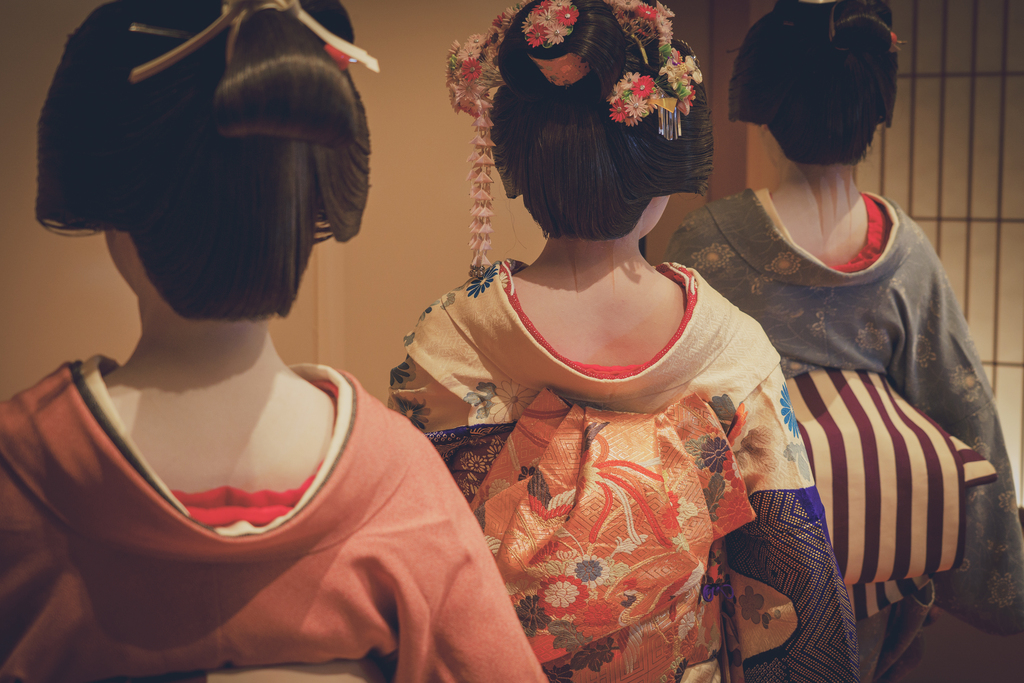
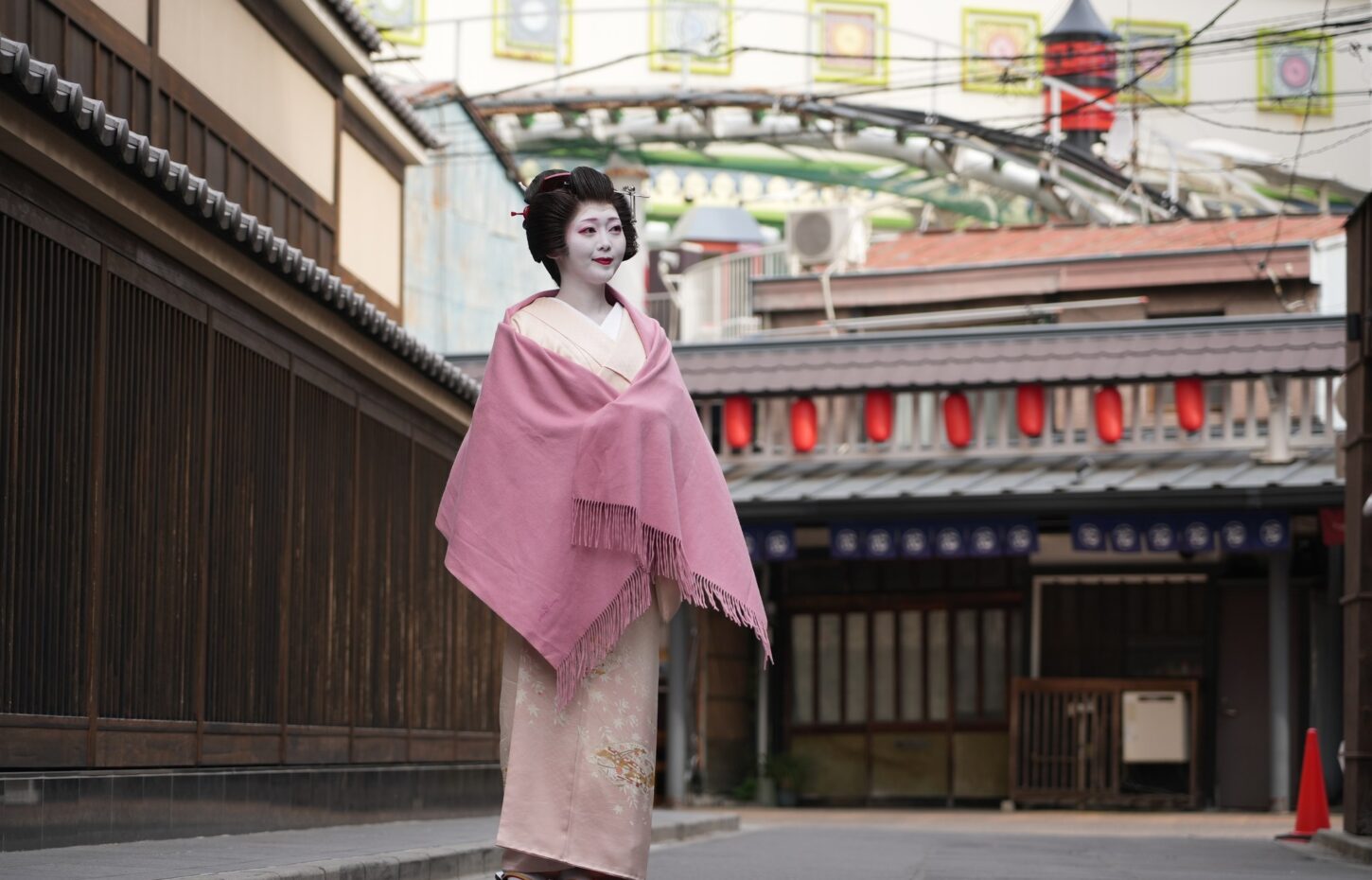
Maiko: This is the term for an apprentice geisha in Kyoto. They are the ones most often seen on postcards, known for their wearing of a trailing sash (darari no obi), high wooden sandals (okobo), and intricate hairstyles adorned with seasonal flowers. They are typically young girls, between the age of 15 and 20.
Hangyoku: This is the term for a junior geisha in Tokyo. It means “half-jewel,” a reference to the fact that in the past, they would receive half the fee of a full geisha. Like maiko, they wear a colorful, long-sleeved kimono outfit and heavy makeup.
2. A Journey Through Time: The History of Geisha
The history of the geisha is a fascinating mirror of Japanese society itself.
The Male Origins
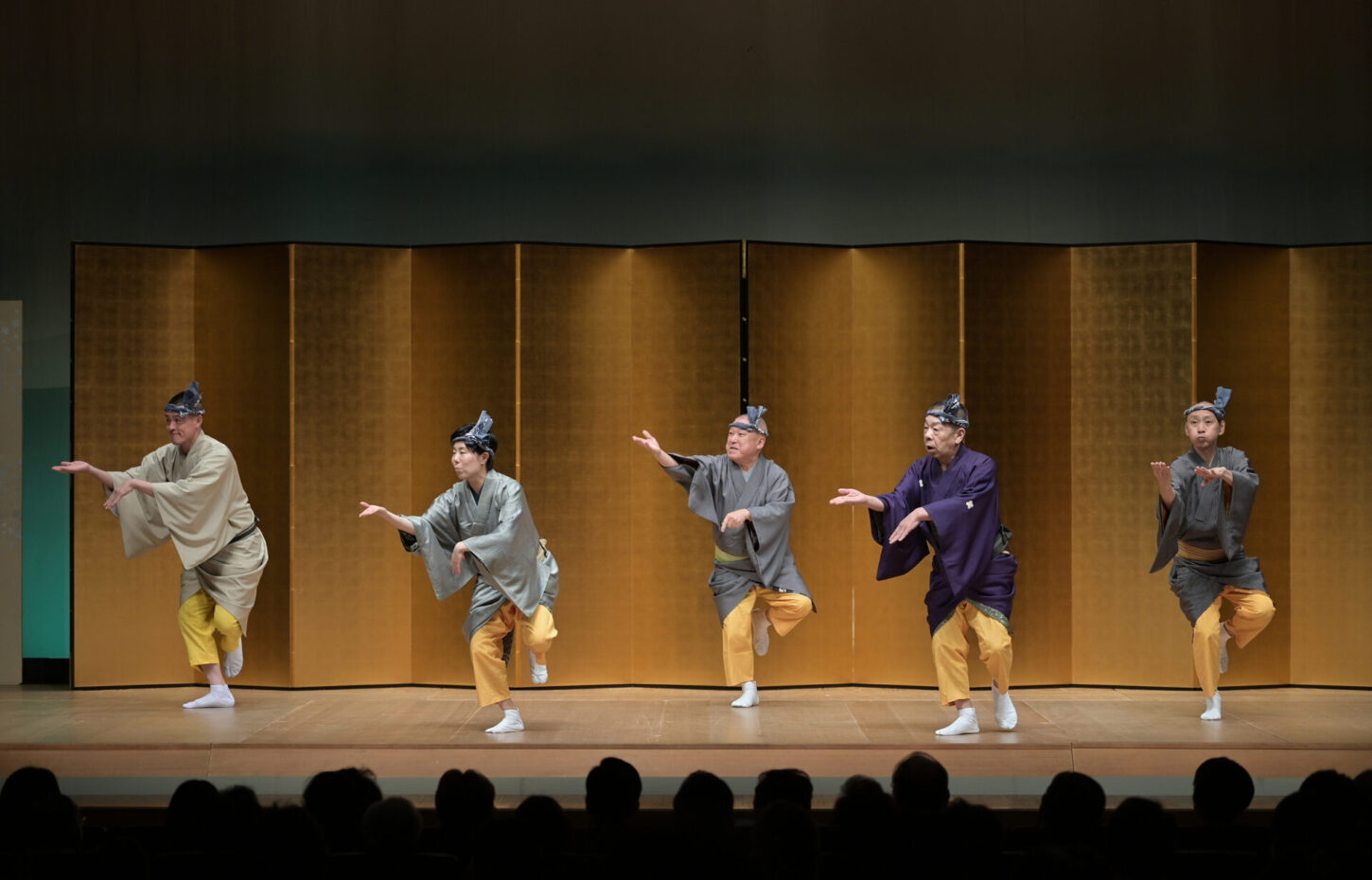
It surprises many people to learn that the first geisha were men. In the early Edo period (1603 – 1868), male entertainers known as taikomochi or hokan (jesters) worked in the pleasure quarters. They were hired to keep the energy high at parties, tell jokes, and assist the high-ranking courtesans (oiran).
The Rise of the Female Geisha
Female geisha (onna geisha) were already active in 17th-century Edo, alongside the male geisha of the day. Unlike the oiran, who were secluded in the pleasure quarters and bound by rigid rituals, the geisha were freer, more mobile, and focused purely on artistic entertainment and performing arts. They became incredibly popular for their chic style and artistic prowess. By the 1800s, the profession was dominated by women, and the male geisha slowly faded into obscurity (though a handful still exist in Tokyo today, notably in Asakusa).
The Modern Geisha in 2026
The profession faced its greatest challenge during and after the war, when teahouses closed and many women were forced into factory work. However, the tradition survived. Today, while the number of active geisha is smaller than the numbers seen in decades past, those who remain are deeply committed to preserving traditional arts. They are no longer sold into the profession; modern-day geisha choose this career path out of a passion for dance, music, and culture. Nowadays, they still maintain a status of high class elegance.
3. The Art of the Geisha: Years of Discipline 👘
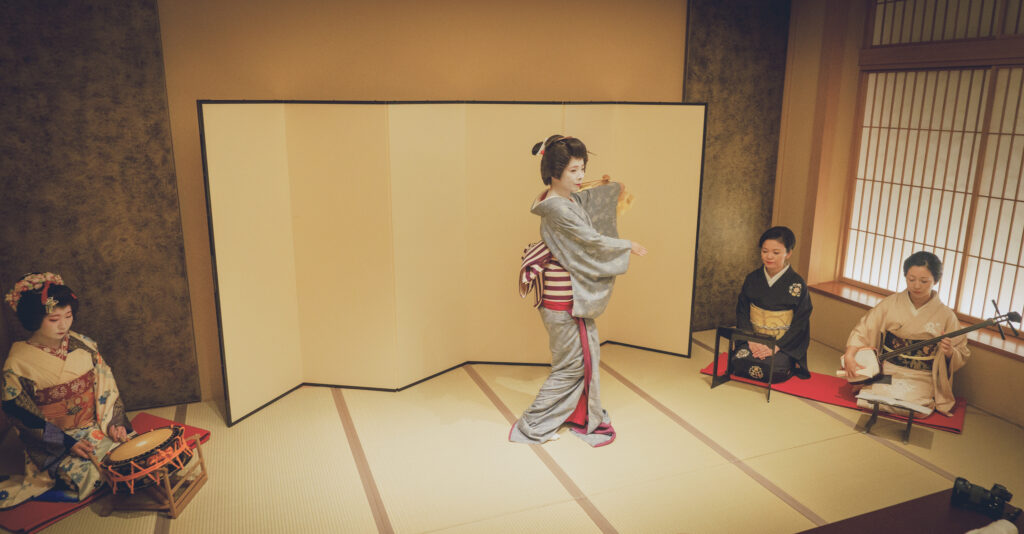
Becoming a geisha is not a summer job; it is a lifestyle that requires years of dedication. The training process is grueling and involves a long apprenticeship.
The Shikomi Period
In traditional houses (okiya), a young girl starts as a shikomi. She is essentially a maid, cleaning the house, helping the senior geisha dress, and learning the strict etiquette and dialect of the flower town. This period tests her resolve.
Artistic Mastery
A geisha must master a variety of traditional arts:
Nihon Buyo (Classical Dance):
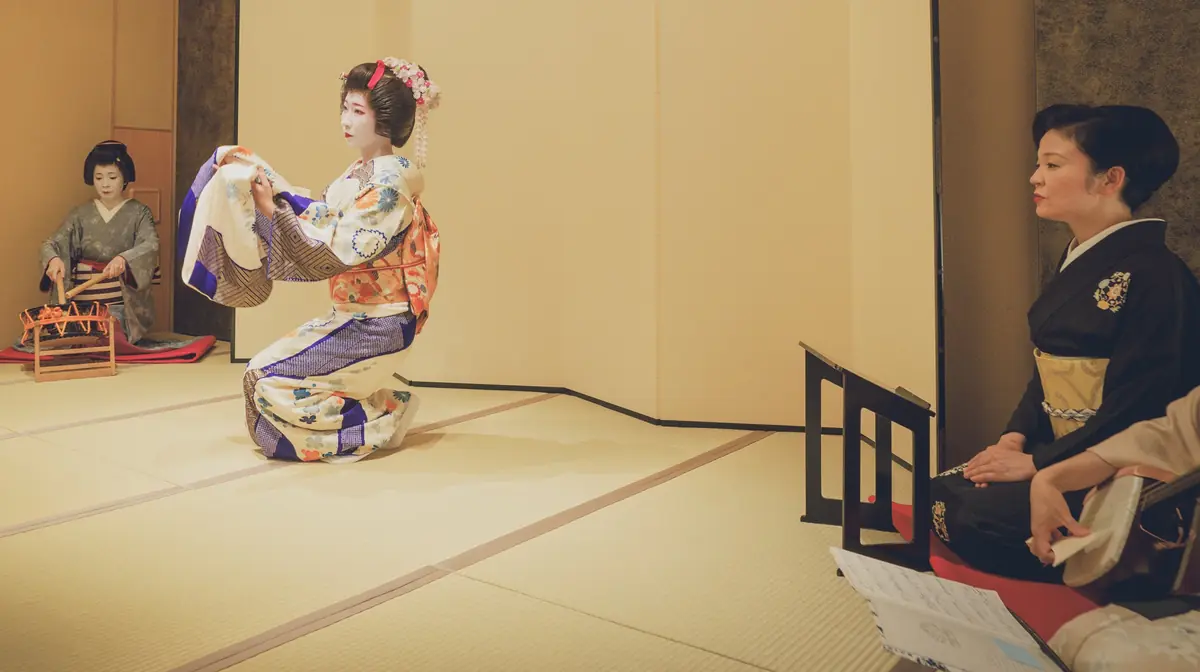
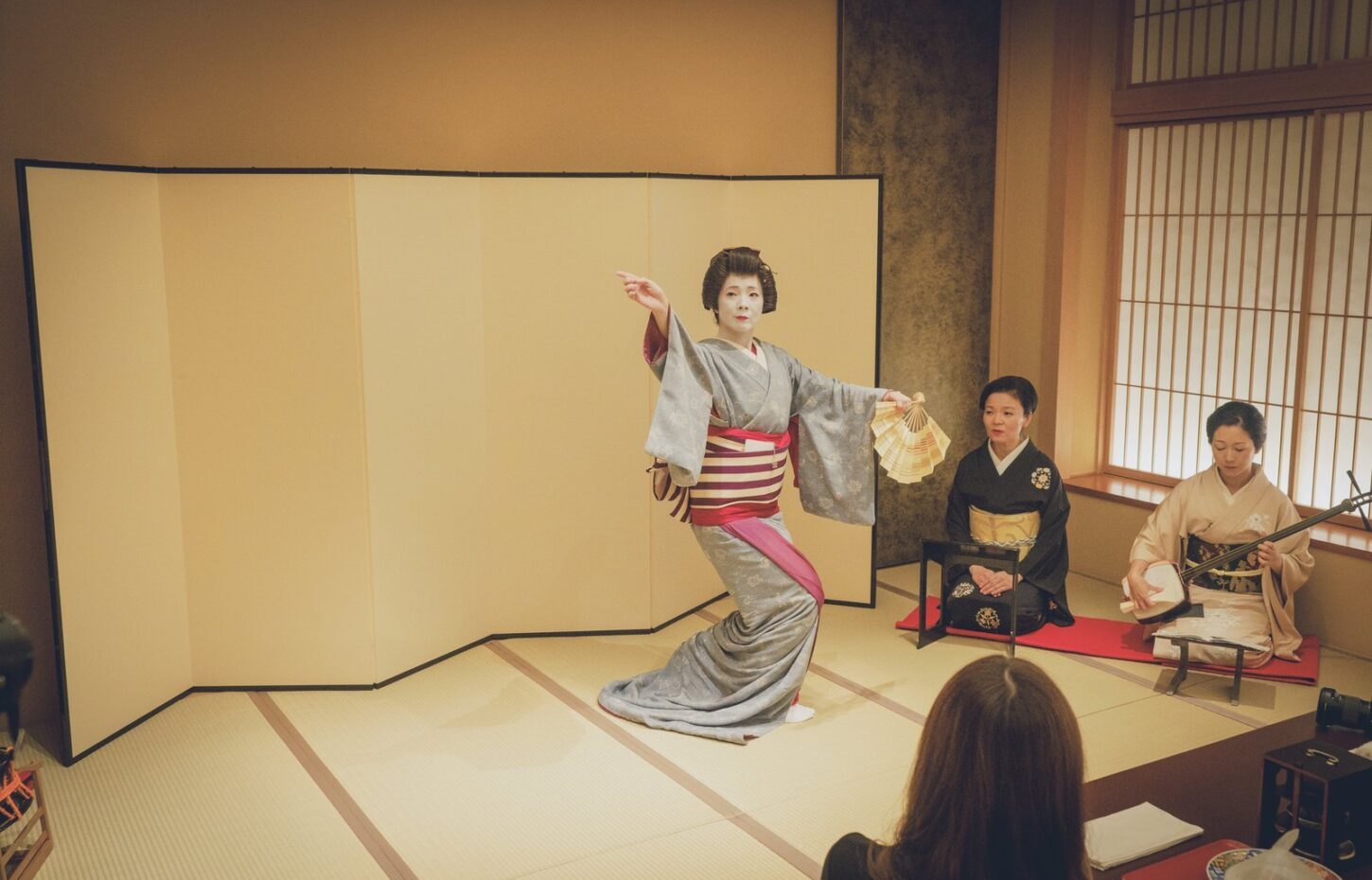
This is the heart of the profession. The dancers perform slow, controlled movements filled with symbolism. Every glance and movement of the fan tells a story.
Shamisen: The three-stringed instrument is the backbone of geisha music. It is difficult to play and requires years of practice. Playing this instrument is a sign of great skill.
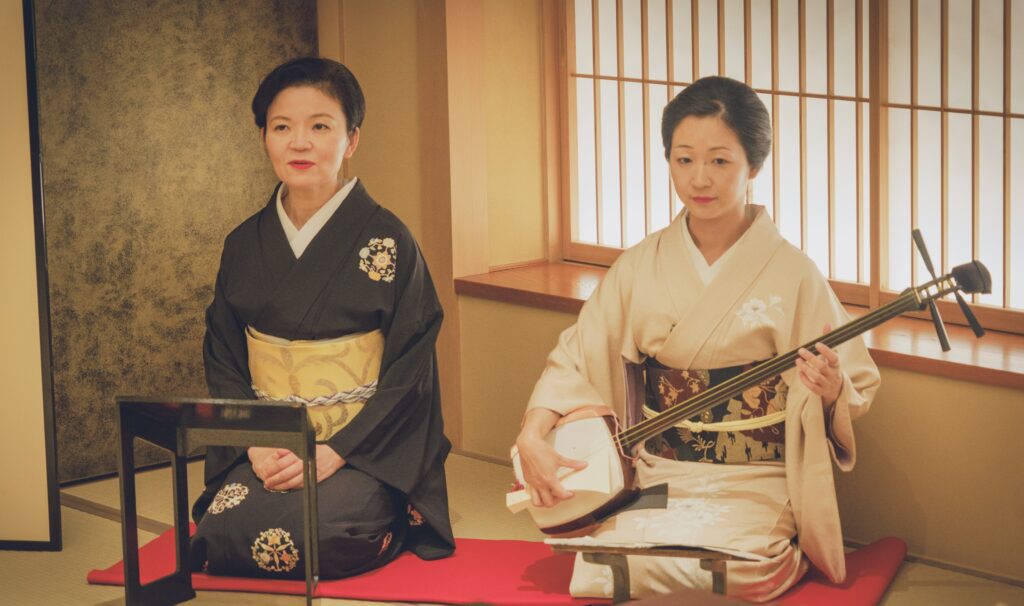
Narimono: Percussion instruments like the tsuzumi (shoulder drum) and taiko (stick drum).
Sado (Tea Ceremony): The ritual preparation of matcha tea is essential for understanding grace and hospitality.
Calligraphy and Ikebana: Many geisha also study calligraphy and flower arrangement to cultivate a refined spirit.
The Art of Appearance
A geisha is a work of living art.
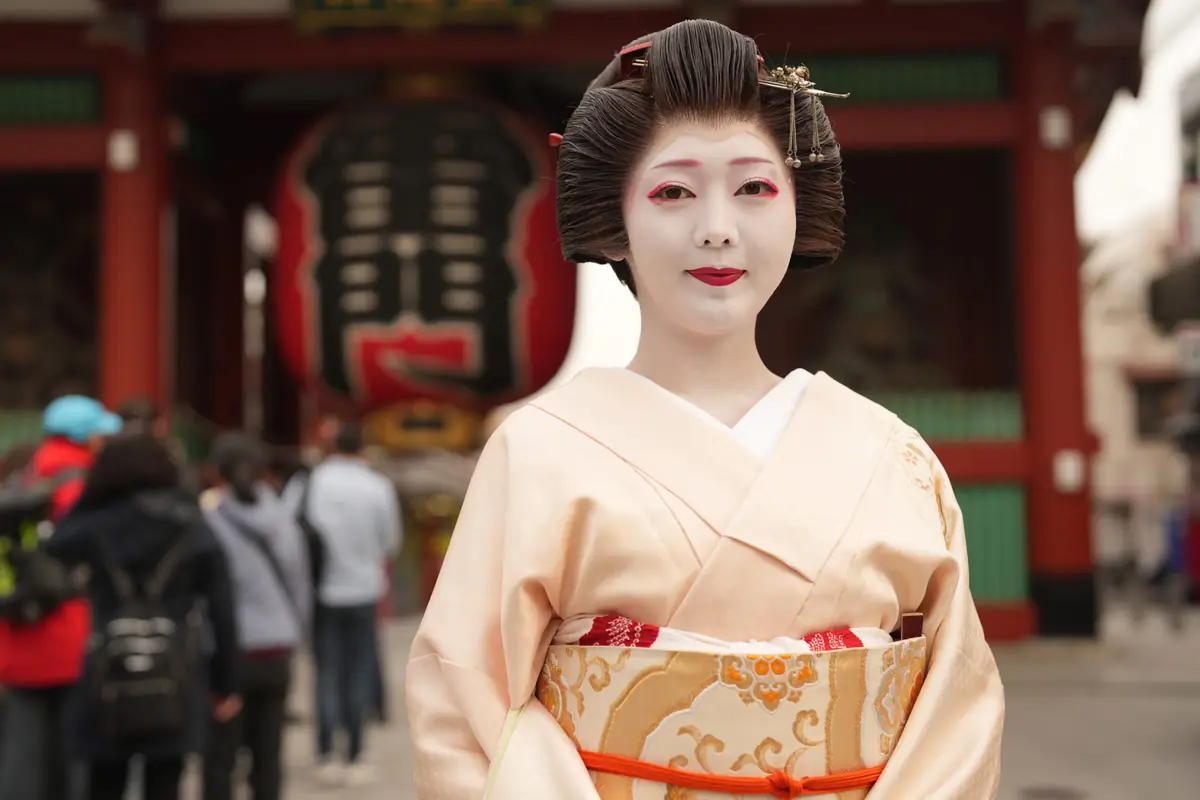
Makeup: The white foundation (oshiroi) covers the face and neck, leaving a W-shaped area of bare skin on the nape of the neck (considered an erotic focal point). The eyes are outlined in black and red, and the lips are painted crimson.
Kimono: A geisha’s wardrobe is worth a fortune. Hand-painted silk kimono change with the months to reflect the seasonal changes—cherry blossoms in April, iris in May, maple leaves in Autumn. The act of dressing (kitsuke) is an art form in itself, requiring the help of a professional dresser (otokoshi). Accessories like hairpins (kanzashi) are chosen with care to match the season.
4. Where to Find Traditional Geisha Culture in Tokyo
While Kyoto’s Gion is the most famous district globally, Tokyo offers a unique “Iki” (chic and spirited) culture that is distinct from the “Miyabi” (courtly elegance) of the west. Other cities like Kanazawa, Niigata, Osaka, Nara, and even Hokkaido have geisha districts, but Tokyo is the capital and a hub for business.
Tokyo has six remaining active geisha districts (hanamachi or “flower towns”):
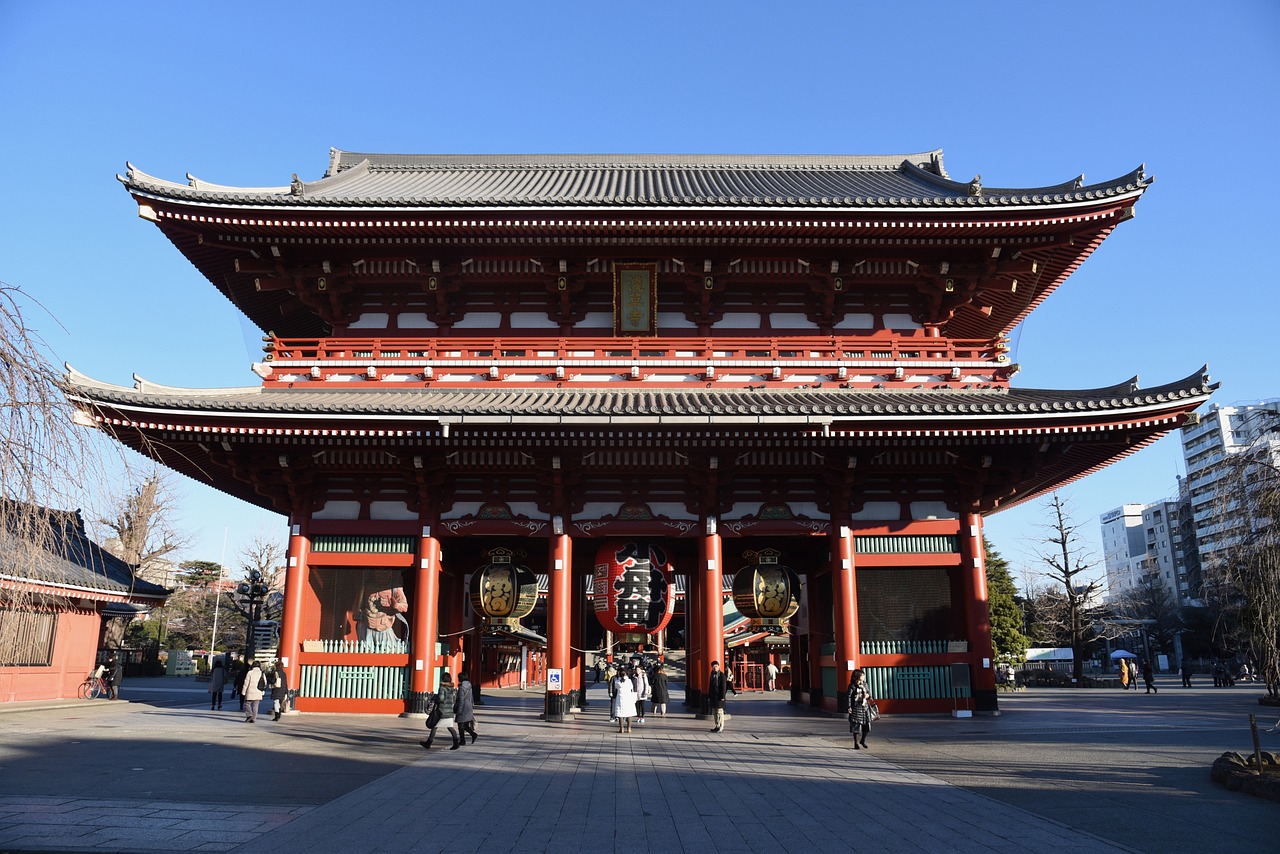
Asakusa: The most accessible and historic district, centered around Senso-ji Temple.
Kagurazaka: Known for its cobblestone streets and literary history.
Shinbashi: Historically the district of high-level politicians and government officials.
Akasaka: A high-end district for business entertainment and corporate clients.
Mukojima: The largest district in Tokyo today.
Yoshicho: The oldest district, though very small now.
Why Asakusa?
For the international traveler in 2026, Asakusa is the most recommended destination among major destinations. It retains the atmosphere of old Edo, where merchants and artisans mingled. The geisha here are known for being friendly, approachable, and deeply connected to the festivals of the temple and shrine. Major public performances like the Asakusa Odori are held here, allowing larger groups to watch the arts on stage.
5. Asakusa Miyakodori: An Authentic Encounter 🏆
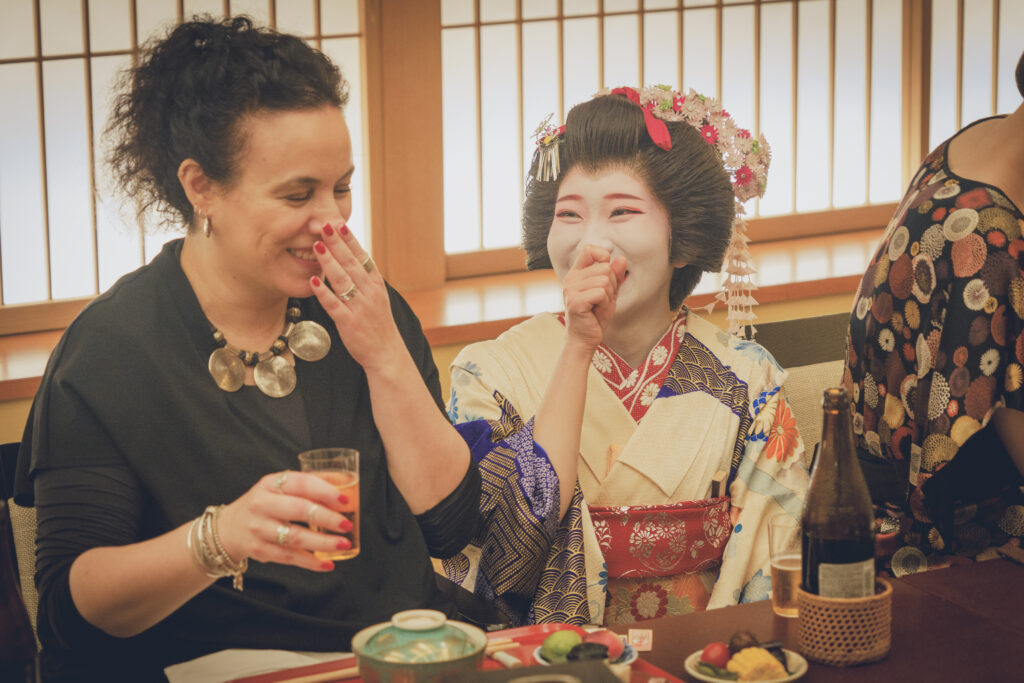
Traditionally, geisha banquets were “Ichigensan Okotowari” (no first-time customers without an introduction from an existing customer). This made it nearly impossible for tourists to access. However, Asakusa Miyakodori (https://miyakodori-geisha.com/) has changed that.
Located in the central yet quiet “Kannon-ura” area behind Senso-ji, Miyakodori is one of the few remaining authentic machiai-chaya (waiting tea houses) from 1950.
What Miyakodori Offers:
Accessibility: Welcoming international guests directly via the website, removing the need for a Japanese intermediary or hotel concierge. You can easily contact them to book online.
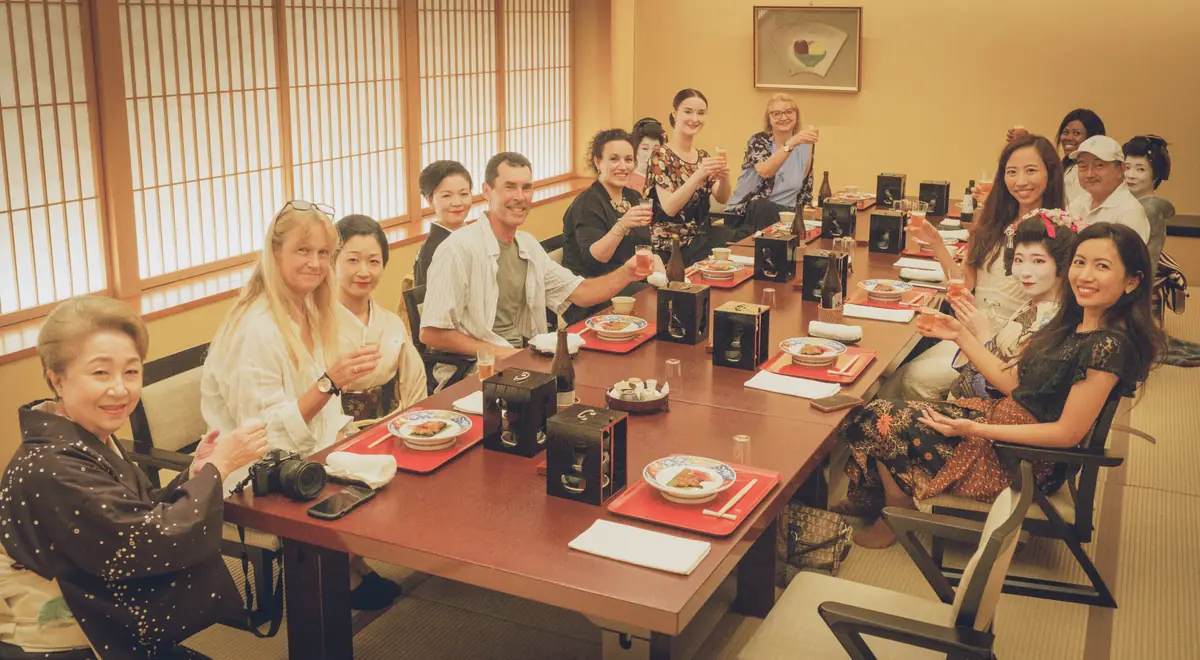
Private Ozashiki: You get a private room for your group. This ensures an intimate experience where you can talk to the geisha and enjoy their company.
Kaiseki Cuisine: Serving high-end seasonal food. Crucially, offering special Halal and Vegan options, making traditional culture accessible to everyone. The meal typically takes several hours.
Full Performance: You will see live dancing and hear the shamisen played just feet away from you. The performers are top-tier.
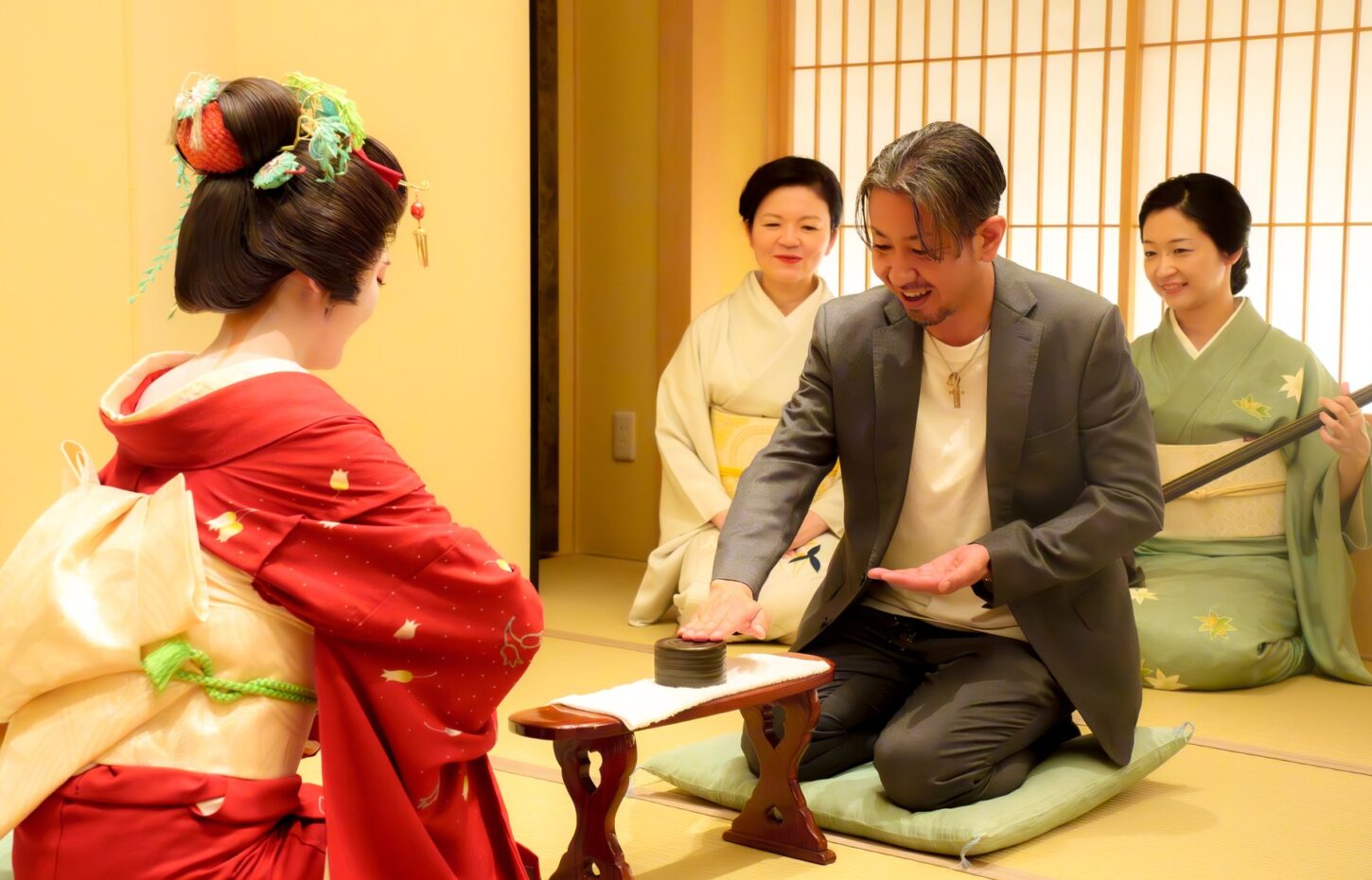
Ozashiki Asobi: You will play traditional parlor games like “Tora Tora Tora” (Tiger, Tiger, Tiger) with the geisha, an entertaining experience that usually results in laughter and unforgettable memories.
6. Etiquette for Guests: How to Behave
When you enter the world of the geisha, showing respect is paramount. The terms of engagement are simple but strict.
No Paparazzi: Do not stop geisha on the street for photos. They are rushing to work. At a private dinner like Miyakodori, you can ask for photos, and they will happily pose. Privacy on the street is essential.
Don’t Touch: Never touch a geisha’s wig, hair ornaments, or kimono. These are incredibly expensive and fragile items.
Socks: You will take off your shoes. Wear clean, nice socks.
Respect: Treat them as the highly skilled professionals they are.
Cancellation Policy: Be sure to check the cancellation policy when you apply, as performers’ schedules are set in advance.
7. Plan Your Trip: Costs and Considerations
A private ozashiki is an investment. The cost reflects the service, the food, the room, and the artists’ fees. You will pay for the entire duration of the event. Always check the latest prices on their site.
If you are visiting in July or August, look for summer festivals where geisha might appear wearing yukata (summer kimono). In January, New Year’s events are a great time to see them in formal attire.
Tourism in Tokyo is booming, so start planning early. There are many types of tours and activities, but few compare to a private banquet.
Conclusion: A Timeless Experience
The traditional geisha of Japan are not just relics of the past; they are vibrant artists keeping centuries of culture alive. Whether you are in Kyoto or Tokyo, witnessing their art is a highlight of any tour.
By visiting authentic establishments (like restaurants or ochaya) such as Asakusa Miyakodori, you support this beautiful tradition and create memories that will last a lifetime.
Ready to step into the Flower and Willow World? Contact Asakusa Miyakodori today to request your private banquet for your next adventure in Tokyo.
References
[2] Do Geishas Still Exist in Japan? | Bokksu
[5] Last of Tokyo’s geishas cling to a disappearing trade | CNN
[8] The Culture of Japanese Geisha – byFood
[9] Tokyo Geisha: Show, Experience & History
[10] Asakusa Miyakodori Official Website
Experience graceful performances, warm hospitality, and a timeless atmosphere where Japan’s living traditions come to life.

- Private Ozashiki: An intimate, refined encounter with authentic Asakusa geisha.
- Traditional Geisha Artistry: Elegant dance, live shamisen music, and interactive ozashiki games.
- Historic Machiai-chaya Setting: A sophisticated cultural experience in a traditional machiai-chaya setting.
- English Support Available: Assistance for international guests throughout your visit.


- Ozashiki Asobi Experience: Traditional Geisha Games in Japan
- The Complete Guide to Geisha Dance: Unveiling the Art of Nihon Buyo in Japan
Karyukai: The Flower and Willow World of Geisha — Japan’s Geisha Culture Explained
How Much Is a Geisha Dinner in Tokyo? (Complete Pricing Guide)
Types of Geisha: Tachikata, Jikata, Hangyoku, Ippon, and Tokyo’s Male Geisha
The Complete Guide to Traditional Geisha Makeup: History, Meaning & 5-Step Application Process
Ozashiki Games: A Complete Catalog & Rules
Taikomochi: Japan’s Male Geisha (Hōkan) Explained
Comment ( 0 )
Trackbacks are closed.

No comments yet.