



Geisha Danna: What a Geisha’s Patron Was, and How Geisha Are Supported Today
A danna (旦那) is the traditional word for a geisha’s patron: a man who supported a particular geisha financially. The custom belongs mostly to the past. A history of the Asakusa district records that from around the 1980s, fewer men took on the role and fewer geisha wanted one. Geisha in Asakusa today are independent professionals who support themselves through their own work. The geisha world is now supported mainly by gohiiki (ご贔屓), regular guests who call geisha to their banquets again and again. Having a danna was never what made a woman a geisha; her art was.
What Does Danna Mean?
In everyday Japanese, danna means the master of a household, and it is still a common, slightly old-fashioned word for a husband. In the geisha world it took on a narrower meaning: the patron of one particular geisha, who helped with the considerable costs of her career.
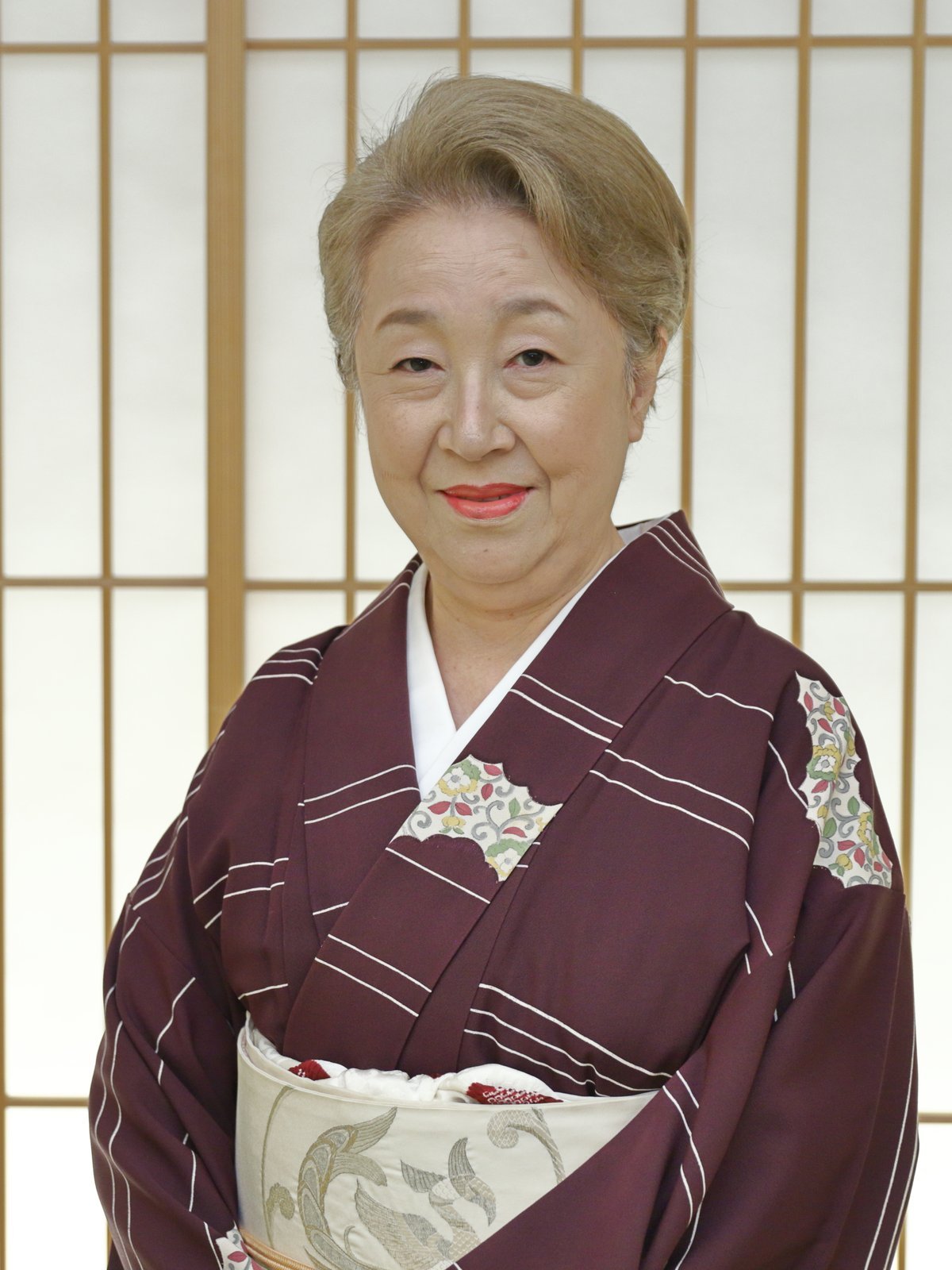
The okami (proprietress) of our house, who worked as an Asakusa geisha for twenty-seven years, from fifteen to forty-two, puts the tradition simply. Geisha are said, traditionally, to have a danna, a patron. But a geisha can also choose never to have one and carry on with her career, and many do. Geisha are free to fall in love like anyone else.
The word patron needs care in English. On other pages you may see “patron” used for a regular guest who can introduce a newcomer to a Kyoto tea house. That is a different idea. In this article, danna means a geisha’s personal patron, and gohiiki means the regular guests who support geisha by calling them to their banquets.
The Danna in History
The danna belongs to a long history, and a complicated one.
In the Meiji era (1868–1912), the geisha of Shinbashi moved in the same rooms as the men building modern Japan. One historian of the Tokyo geisha world notes that several of the era’s statesmen married Shinbashi geisha.
The same historian makes a broader point about the prewar period. At a time when women had very few ways to earn a living, Tokyo’s geisha earned their income through their art and could support themselves and their families.
What matters for today is that the geisha’s profession was defined by her art, not by her patron. In Tokyo, the law separated geisha from licensed courtesans in 1872: a geisha’s work was performance and hospitality at the banquet.
From Danna to Gohiiki: How Geisha Are Supported Now
A history of the Asakusa district written in the early 2000s records the change as it happened. From about the 1980s, fewer men wanted or could afford to become a danna, and more young geisha did not want one. Most young geisha, it observed, wanted to support themselves through their own work.
In Asakusa today, a geisha is an independent professional, paid for each engagement, and she pays for her own lessons and kimono (see our guide to how geisha are paid). What supports her is not one patron but many guests.
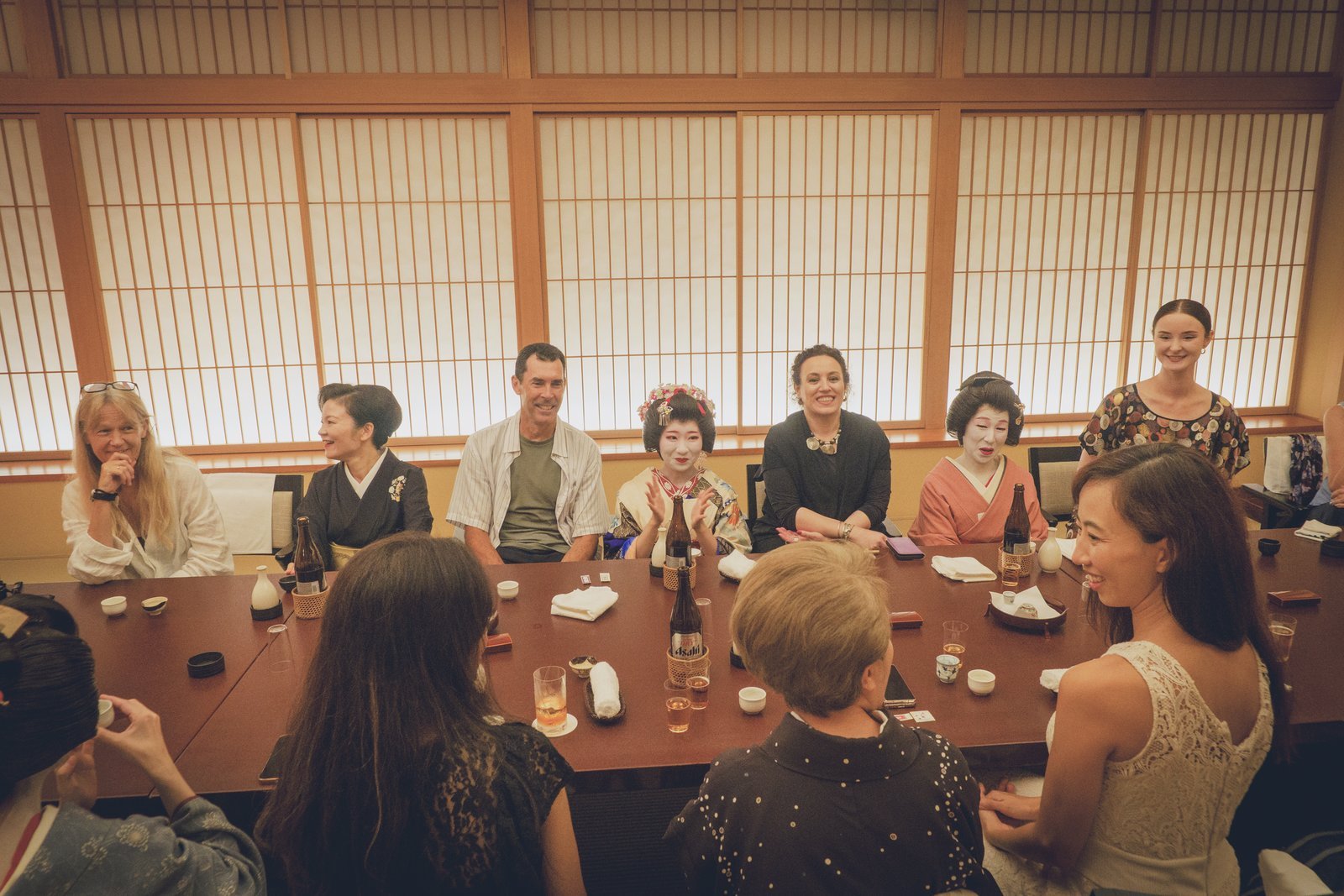
Those guests are the gohiiki (ご贔屓), the regulars who favor particular geisha and call them to their banquets again and again. The same history, describing the Asakusa of its time, shows how the circle grew: a guest brings business partners to an ozashiki, a geisha works hard to make the evening a success, and a guest who was entertained that night comes back later as a host, asking for the same geisha. One historian of the Tokyo geisha world describes the other side of the relationship: a well-known geisha learns to run the whole room for the guests who favor her, looking after their companions, keeping an eye on the other geisha, and making the evening go smoothly.
The relationship does not end at the door. Asakusa geisha today still keep up their ties with regular guests outside the ozashiki.
Become a Guest of the Asakusa Geisha World
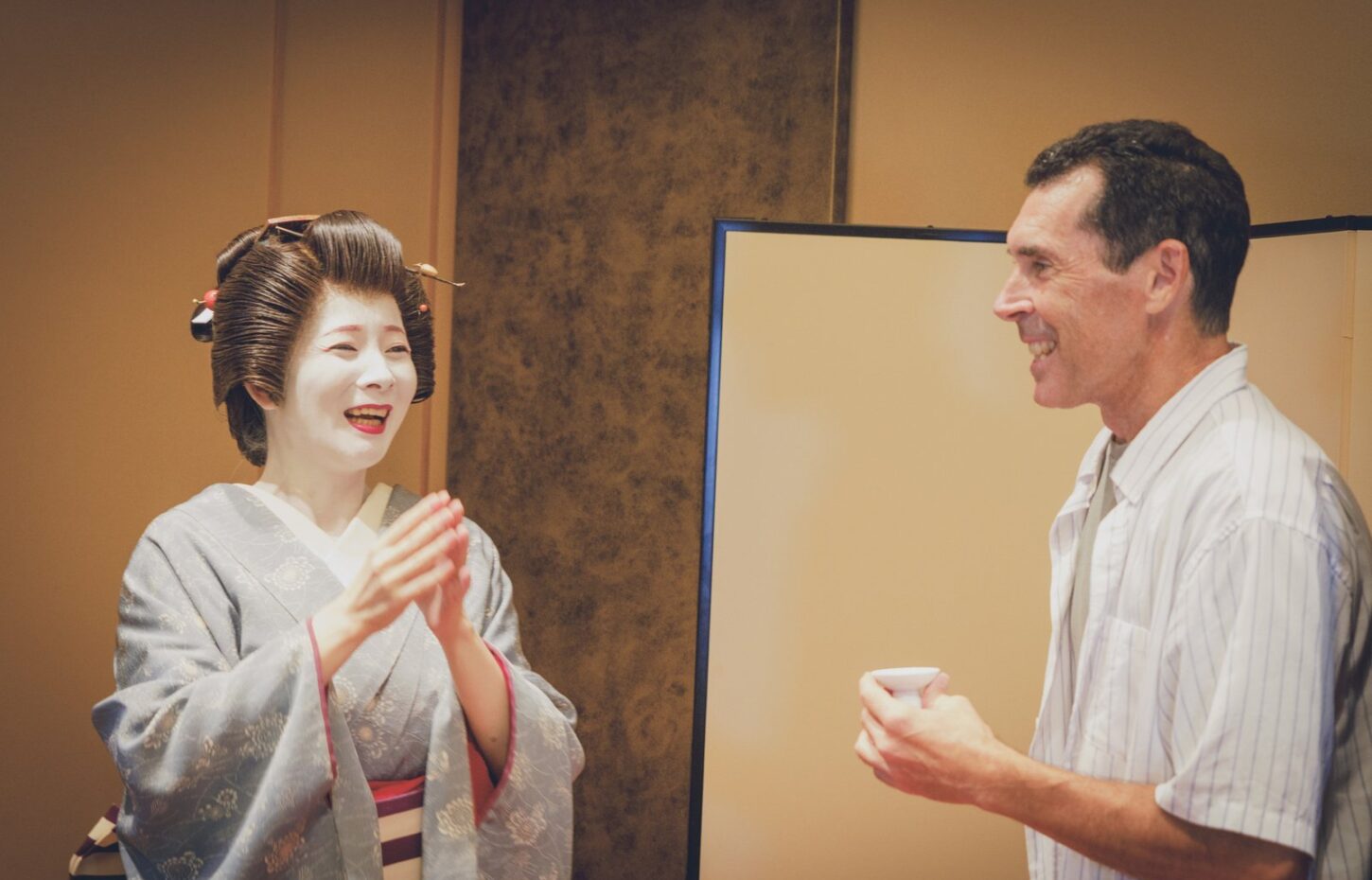
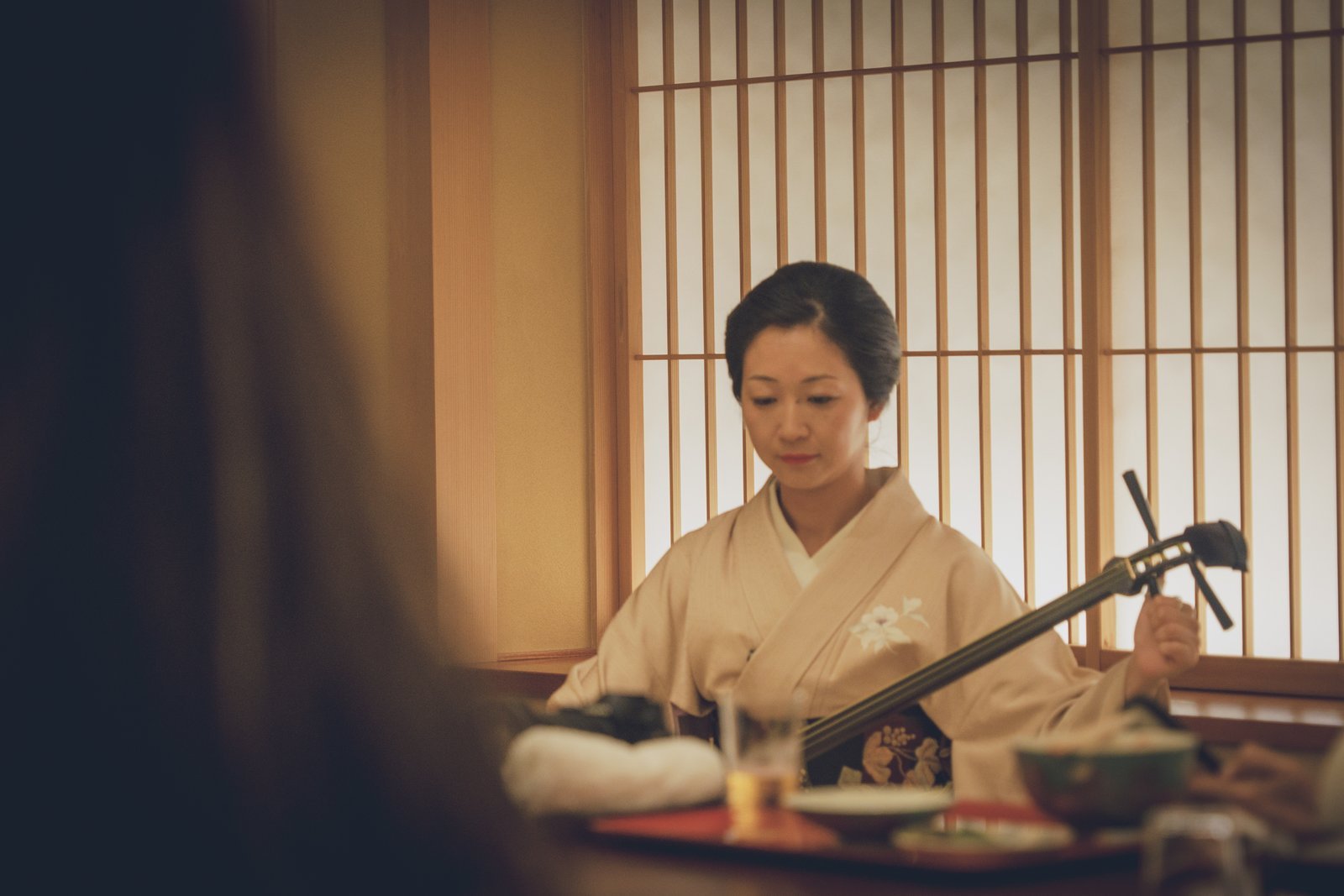
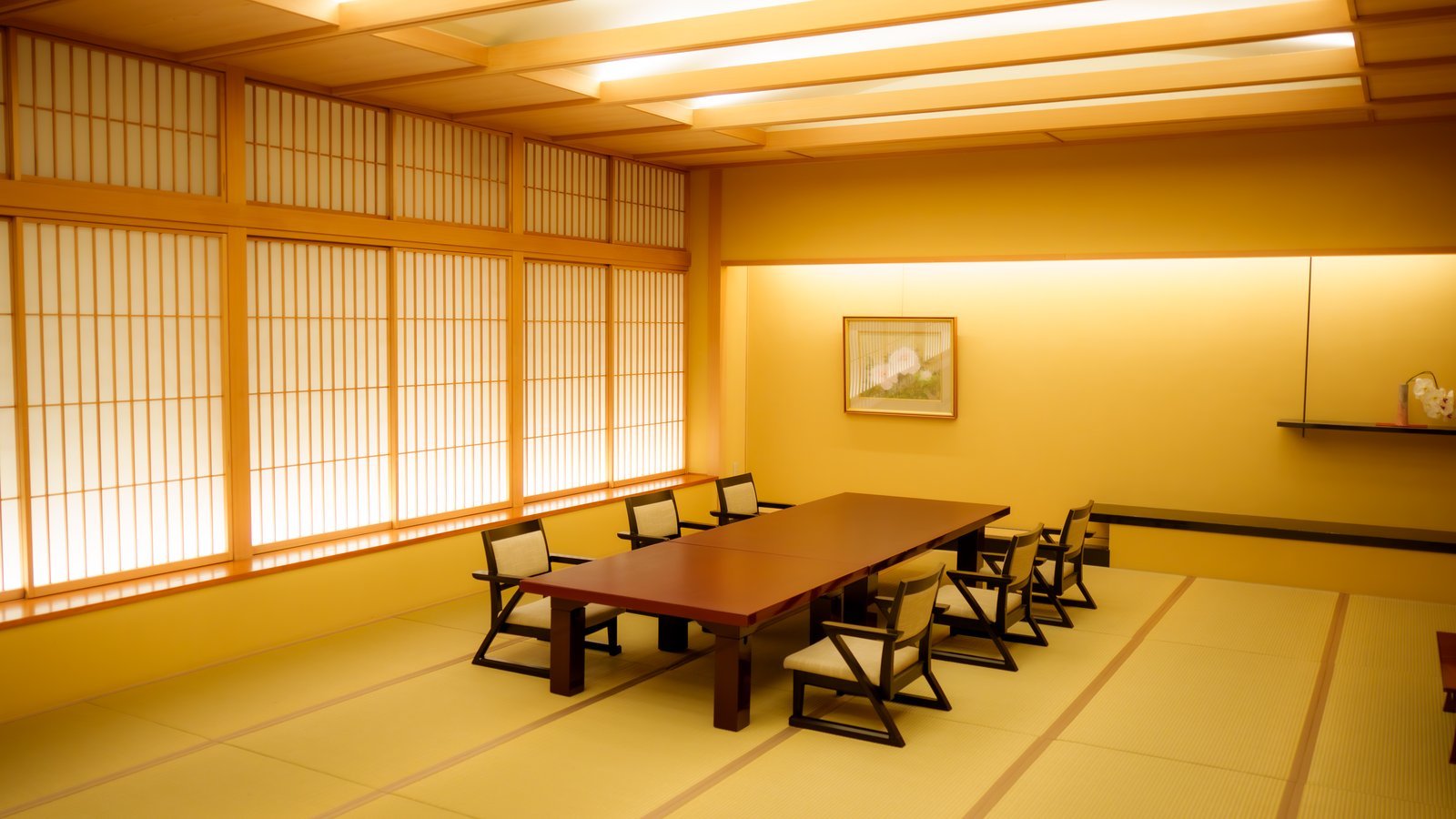
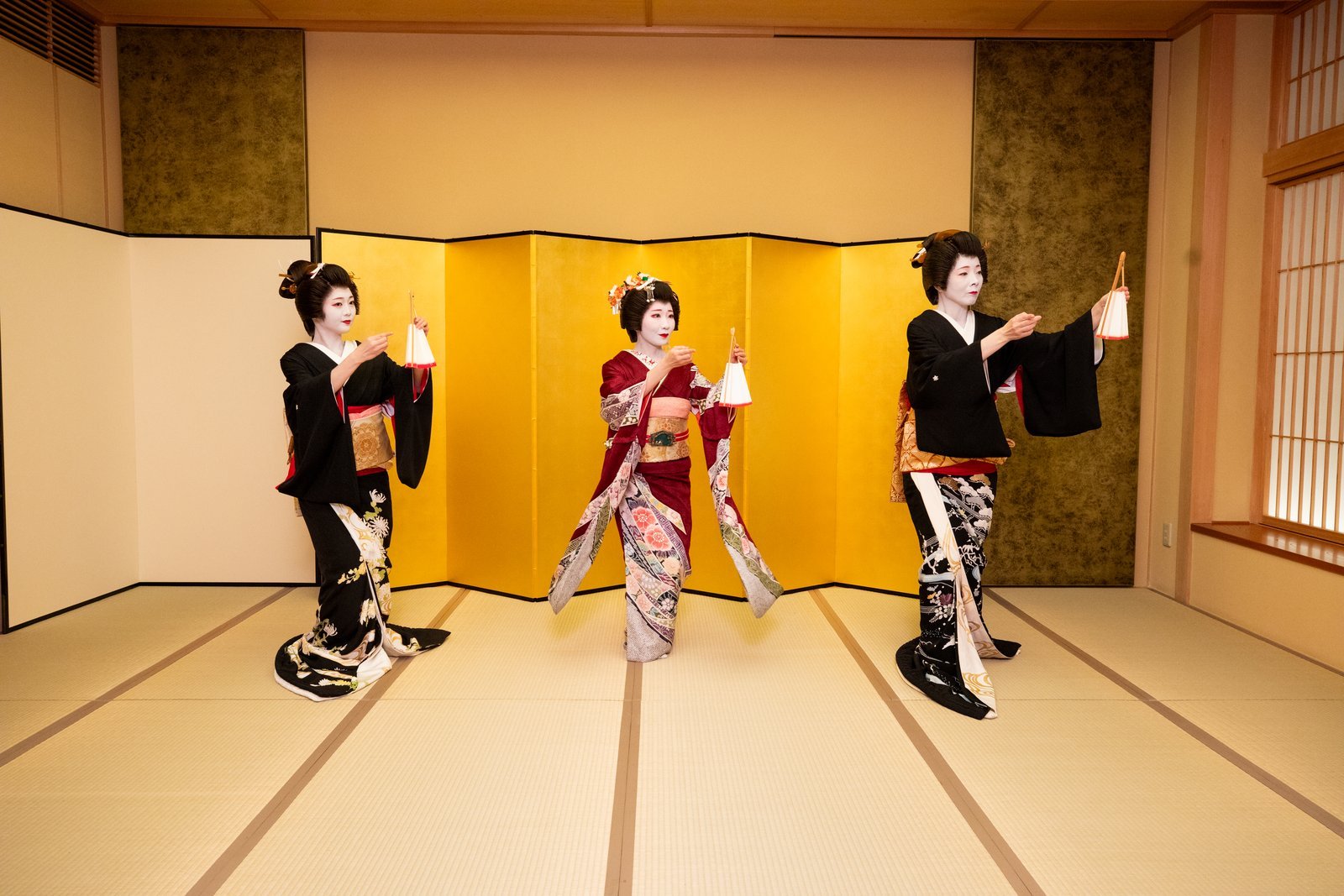
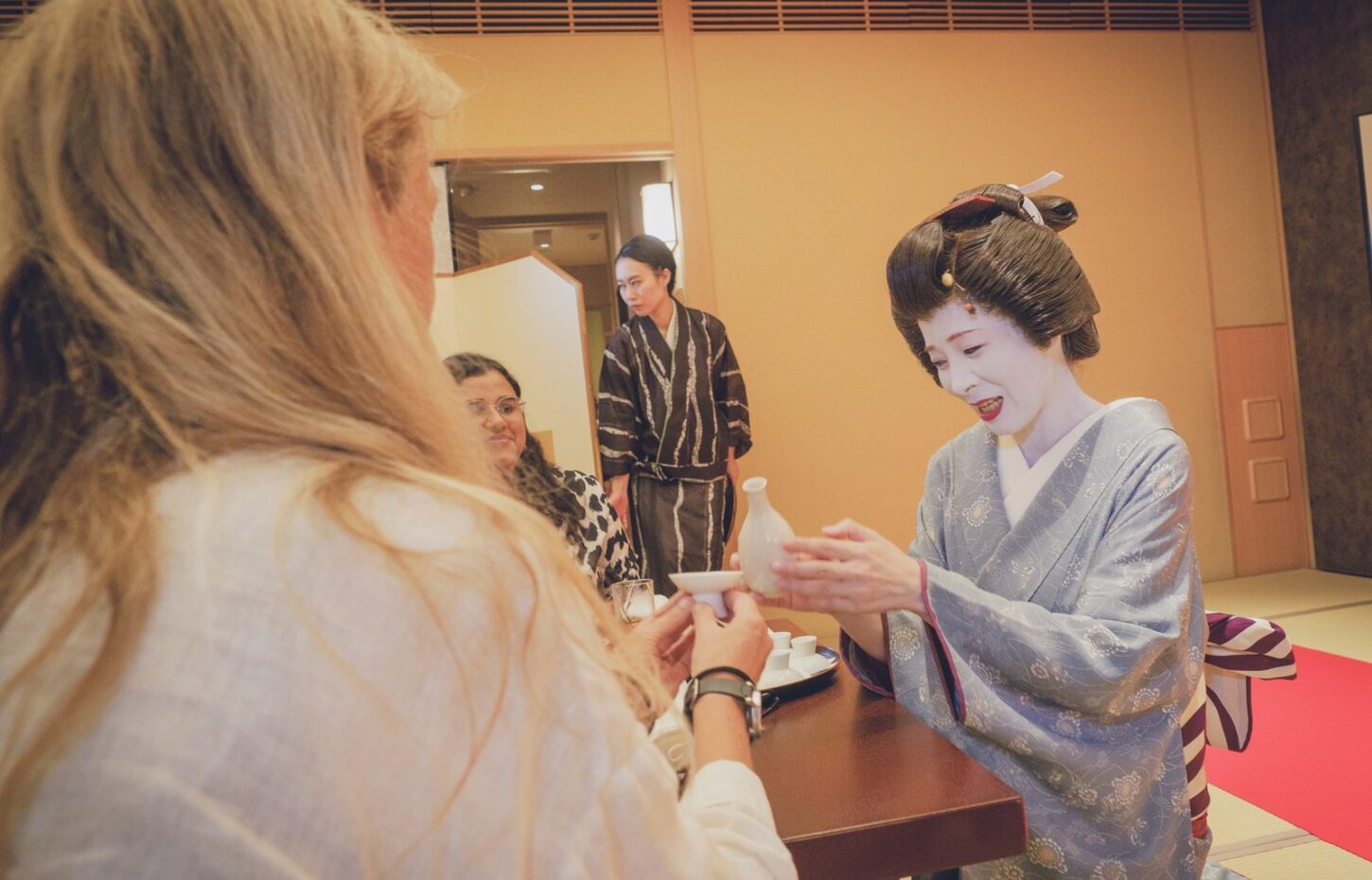
At our teahouse in Asakusa, a private ozashiki (a private gathering with geisha) is how the gohiiki tradition continues today — dance, shamisen, conversation and the old parlor games, for your group alone. Come back, ask for the same geisha, and you become part of the circle that supports them. First-time and overseas guests welcome.
Request a ReservationLove, Marriage, and Leaving the Profession
There is no rule that a geisha must be unmarried. But combining marriage with the work is hard: lessons by day, engagements in the evening, home late at night. The okami remembers that in her day, among more than a hundred Asakusa geisha, only one was married and still working. Some geisha today continue after marrying, but they are few.
When a geisha leaves the profession, the geisha world says she “withdraws” (hiku, 引く). In the past, a geisha leaving would hold a hiki-iwai, a gathering to thank the senior geisha and colleagues who had looked after her. Leaving was not always final: a geisha who kept up her lessons could come back and find her feet again quickly, and returning was not unusual.
What a Danna Is Not
Some visitors arrive with ideas shaped by films and novels. The Hollywood film of Memoirs of a Geisha made finding a danna look like the whole point of a geisha’s life (see our guide to what Memoirs of a Geisha gets wrong). Some guests have been told that geisha are sold into the work, or that it involves intimate services, or that every geisha carries a painful past.
None of that describes the geisha of today. The distinction between geisha and courtesans is old and clear: geisha sell their art, and the courtesans of the pleasure quarters, the oiran among them, sold intimacy (see oiran vs geisha). The okami describes it as a division of roles that everyone understood at the time. Tokyo’s law drew the same line in 1872.
A guest who books an evening with geisha in Asakusa today is booking a performance and an evening of hospitality: dance, music, conversation, and banquet games. The booking goes through the venue, and the venue calls the geisha through the kenban, the district’s geisha office. The venue is the guest’s point of contact.
Frequently Asked Questions
What is a geisha’s danna?
A danna is a geisha’s personal patron: traditionally, a man who supported a particular geisha financially and helped with the costs of her career.
Do geisha still have danna?
The custom has largely faded. Since around the 1980s, fewer men have taken the role and fewer geisha have wanted one. Geisha in Asakusa today are independent professionals who support themselves through their own work, supported by regular guests who call them to their banquets.
What is gohiiki?
Gohiiki are regular guests who favor particular geisha and call them to their banquets again and again. They are how the geisha world is mainly supported today.
Can geisha date or marry?
Yes. Geisha are free to fall in love, and some continue working after marriage, though combining the two is difficult and married geisha are few.
How can a guest support geisha today?
By coming back. A guest who returns, asks for the same geisha, and brings friends or business partners to the ozashiki supports the geisha who are called. Every booking goes through the venue.
Plan an Evening With Asakusa Geisha
Meet the geisha of Asakusa at a private ozashiki (a private gathering with geisha) in our teahouse — dance, shamisen, conversation, and the old parlor games. First-time and overseas guests welcome, without an introduction. Current rates are on our pricing page.
Request a Reservation


- Types of Geisha: Tachikata, Jikata, Hangyoku, Ippon, and Tokyo's Male Geisha
- How to Get from Haneda or Narita Airport to Asakusa: A Local's Guide
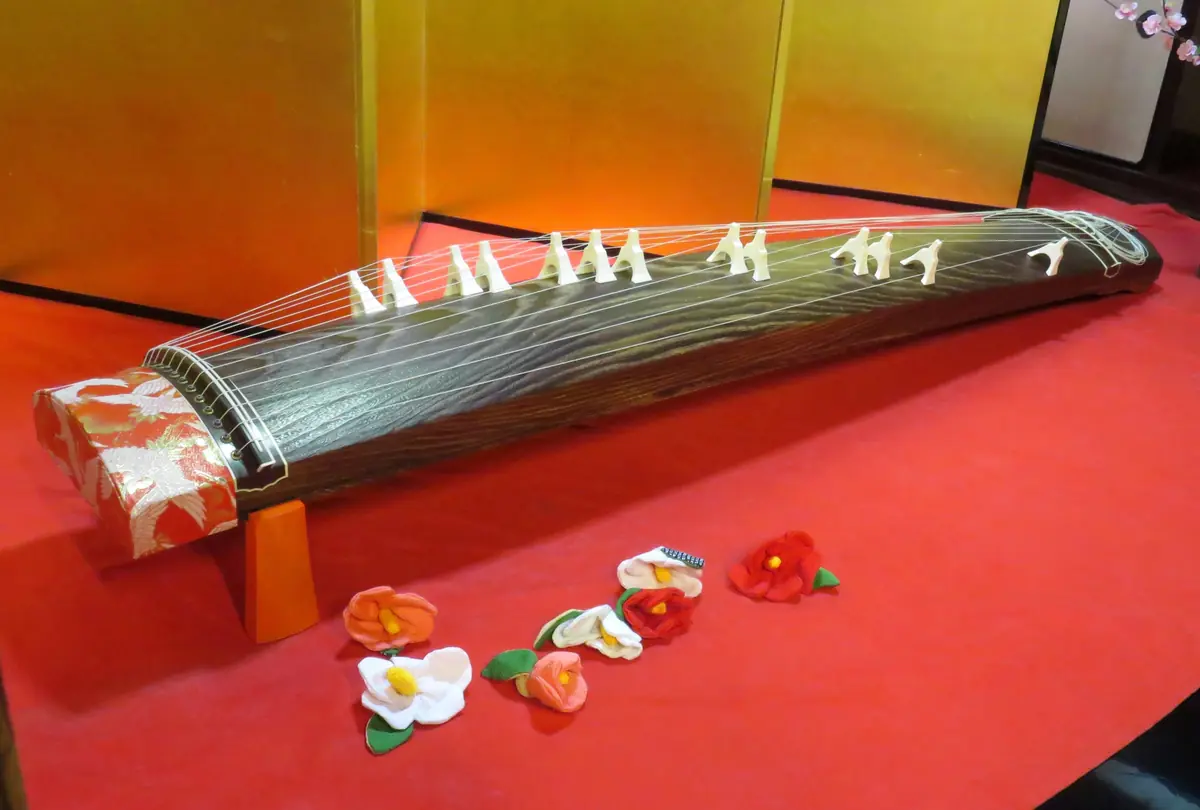
Asakusa Japanese Restaurant: An Evening with Geisha at Miyakodori
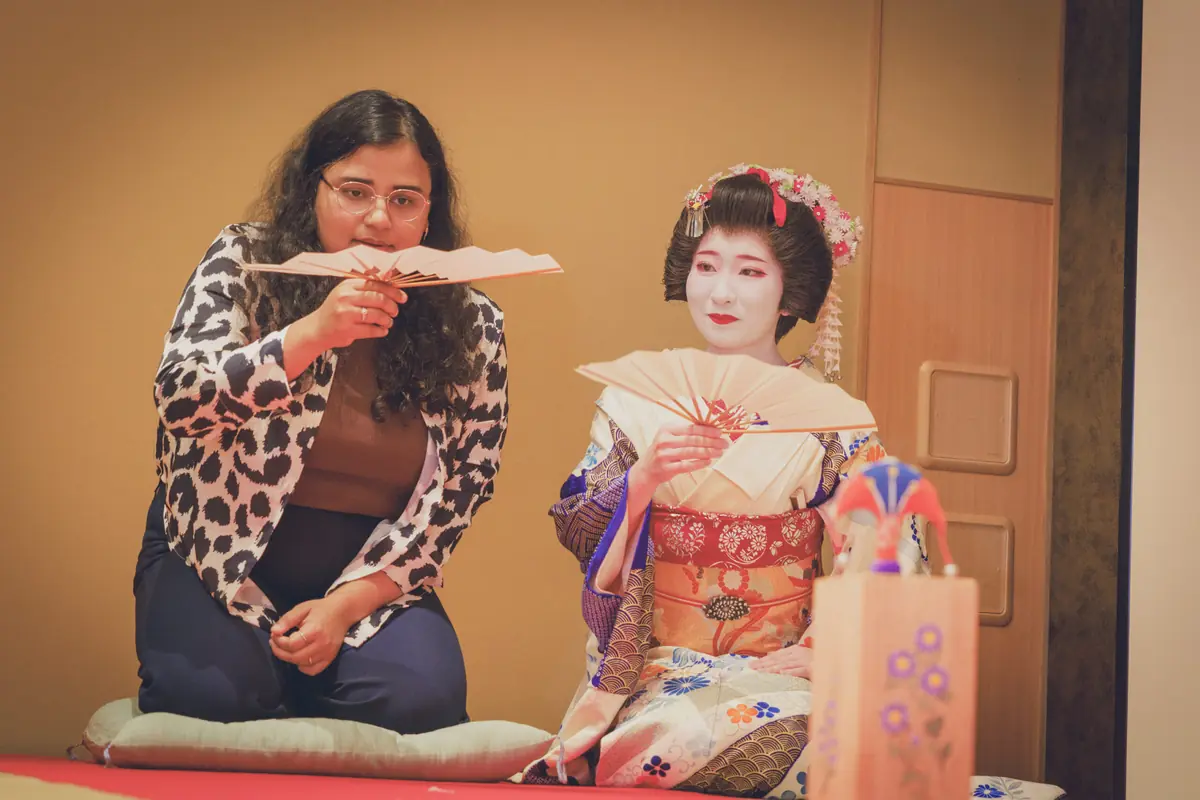
UNLOCKING THE SECRETS OF OZASHIKI GAMES: TRADITIONAL GEISHA PLAY
Celebrate the Start of 2026 in Asakusa — Your Complete Guide to a Perfect New Year’s Day
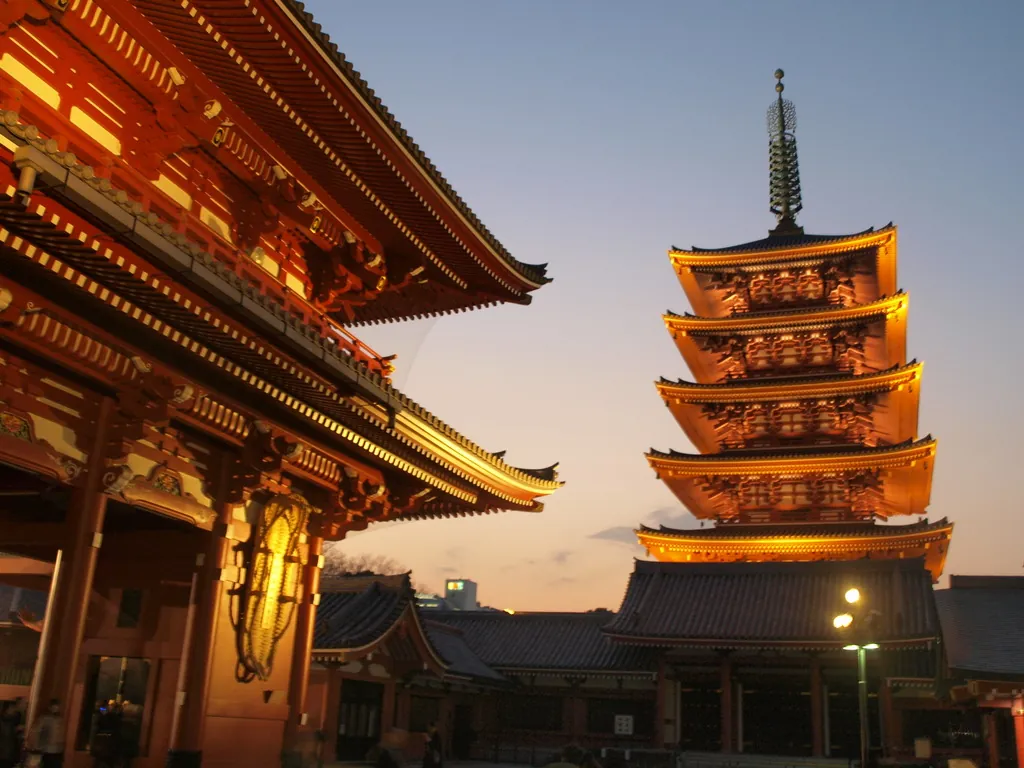
Day Trip in Asakusa in Winter! From Spectacular Cafes to Natural Hot Springs “Yudonburi Eiyu”
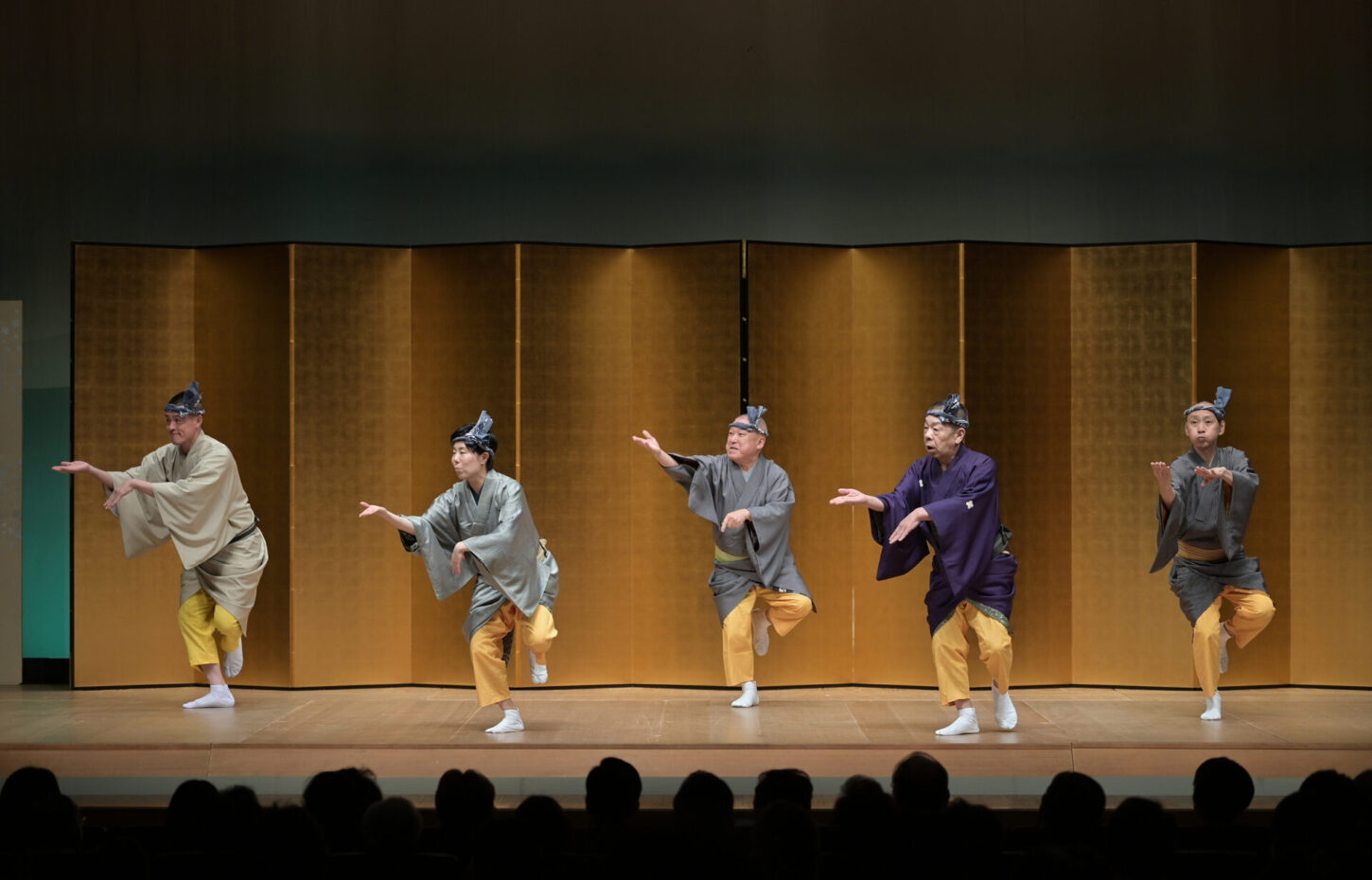
Taikomochi: Japan’s Male Geisha (Hōkan) Explained

No comments yet.