1. HOME
  2. About

Asakusa Miyakodori · Est. 1950

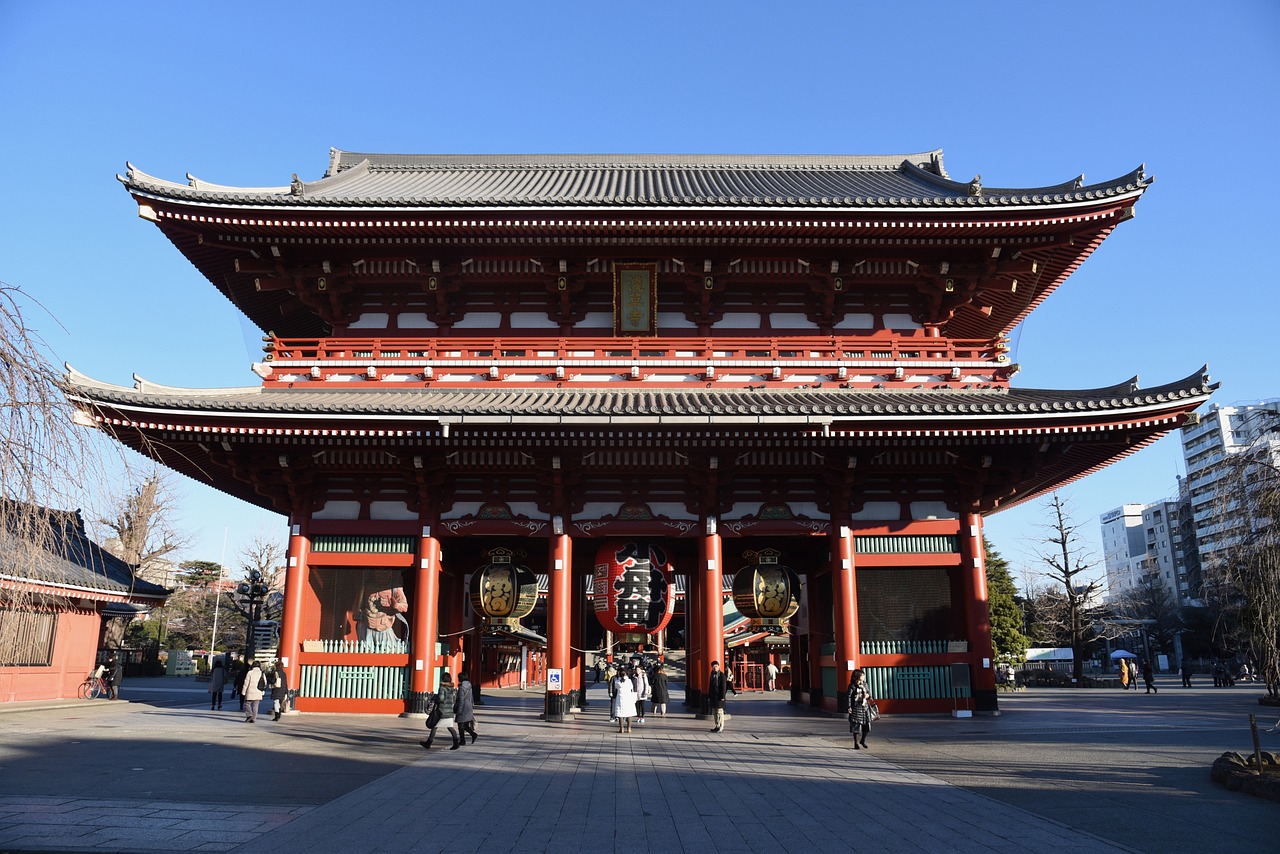
Where Asakusa’s Geisha Culture Still Lives

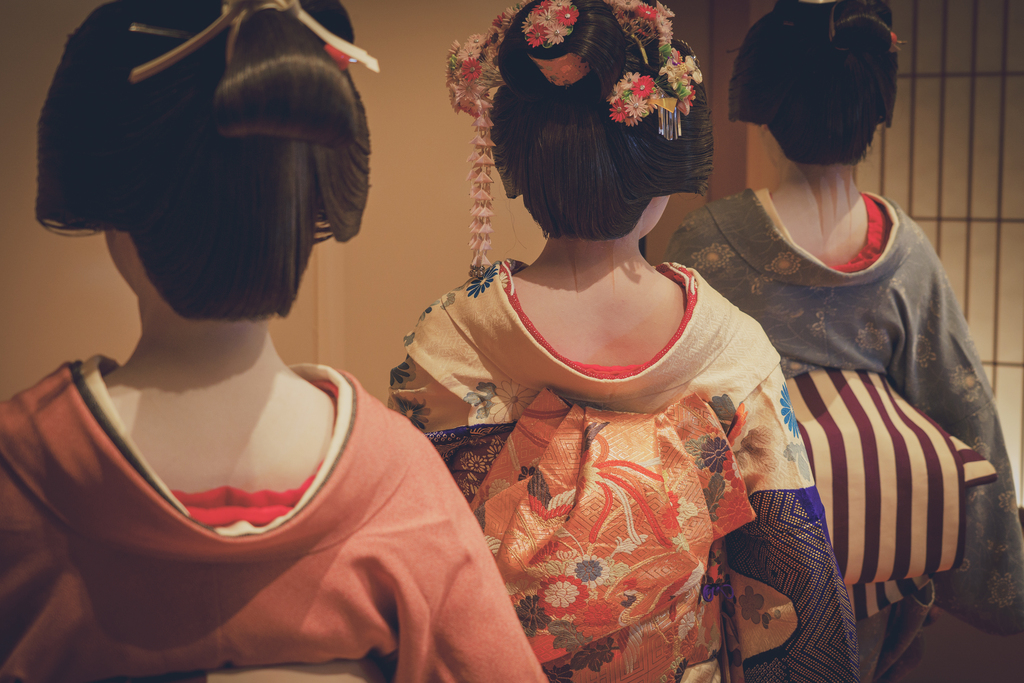
For more than seven decades, Asakusa Miyakodori has carried forward a living tradition — the ozashiki, a private geisha banquet held in a traditional tatami room.

Asakusa Miyakodori is a third-generation machiai-chaya (geisha teahouse) founded in 1950 — Tokyo’s only one open to international guests without introduction.

  • 76years since 1950
  • 27years as a geisha
    before becoming okami
  • 20active geisha
    in Asakusa today
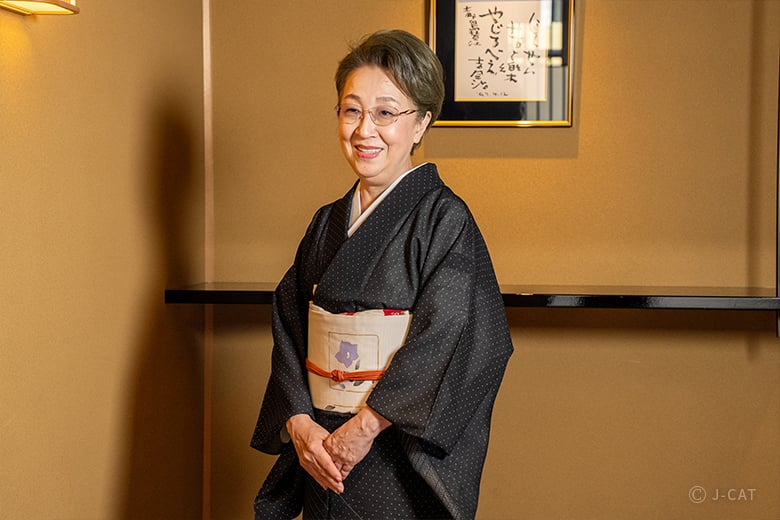
Okami Chikage, proprietress of Asakusa Miyakodori, in traditional kimono

Okami Chikage — proprietress and former geisha, Asakusa Miyakodori.

Okami Chikage

Born and raised in Asakusa, Chikage grew up surrounded by the performing arts. Her grandfather was a shinpa actor — performing in the modern theatrical tradition that took shape in late-19th-century Japan as a counterpart to classical kabuki. Her mother was a geisha. She grew up surrounded by the world she now leads.

Age 6

Began training in classical Japanese dance and kiyomoto chant on the sixth day of the sixth month of her sixth year (counted age — actual age five). This day, roku-no-roku-gatsu-muika, has been considered the auspicious moment for beginning the arts since the Edo period — believed to bring lasting commitment and skill. Drums and percussion (narimono) were added by elementary school second grade.

Age 15

Entered the hanamachi as a hangyoku (young geisha) — already a geisha, though still in training. She spent three and a half years as a hangyoku before her ippon-hirome.

By her hangyoku years she was practicing five to six disciplines daily — classical dance, narimono (drums), tea ceremony (the three essentials), plus nagauta shamisen, kiyomoto chant, and kouta singing.

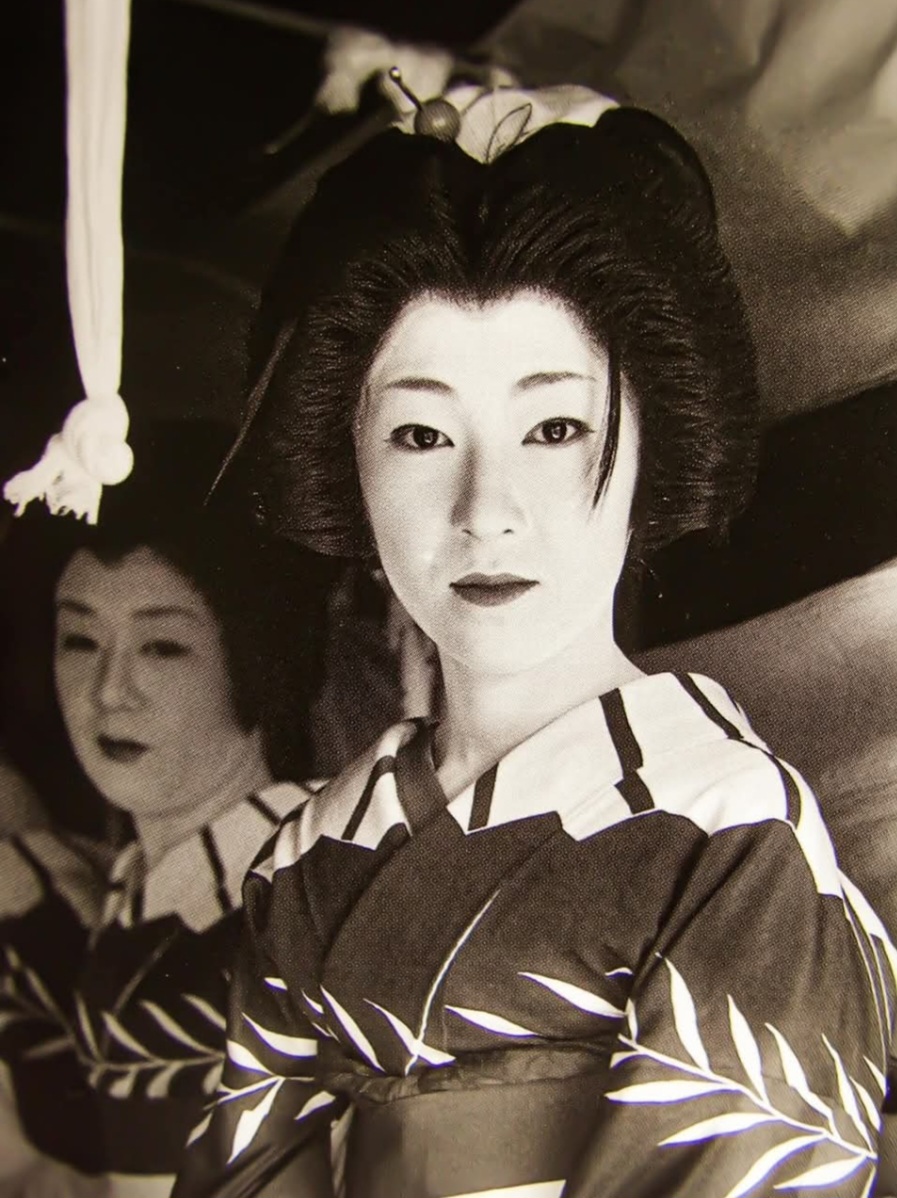
Okami Chikage in her early years as a geisha, around age 20, in traditional kimono
Pictured here in her early years as a geisha — at age 20, five years after entering the hanamachi.
Age 18

Advanced to full geisha (ippon) through the ippon-hirome ceremony. Across a geisha career spanning twenty-seven years, she performed Japanese classical dance (nihon buyo) at major stages including the Kabukiza Theatre, the National Theatre’s Large and Small Halls, and the Meijiza Theatre — appearances earned through years of rigorous training.

Age 42

Became okami (proprietress) of Miyakodori — the machiai-chaya teahouse where Asakusa geisha are welcomed for each ozashiki. Alongside her work as proprietress, she has personally supported and encouraged younger geisha, several of whom are active in Asakusa today.

Today

Today, her artistry spans more than five decades — from her debut in 1969 to the present day — and she continues to lead Miyakodori as proprietress, guiding the working geisha who carry the tradition forward.

Today, Chikage holds a shihandai — a master instructor’s license — in the Hanayagi school of classical Japanese dance, the central school of Asakusa hanamachi.

She is also recognized as a master of nihongami makeup — the traditional art of styling and painting the face for the classical Japanese hairstyle, including techniques like mitsu-eri (the painted nape that defines a geisha’s silhouette).

She does not simply host this world. She embodies it.

“I want Miyakodori to be a place where guests and hosts truly find each other — a house that people remember with longing.”

— Okami Chikage, Proprietress

Okami’s Philosophy

Two principles that guide every detail of life at Miyakodori.

01

The Subtraction Aesthetic

Chikage’s approach to traditional makeup is one of restraint. She does not add fashionable elements like false eyelashes or contemporary eye makeup. Instead, she preserves the minimal, deliberate aesthetic that complements nihongami hair and kimono — finding beauty through what is taken away.

02

A Lifetime in the Making

After more than fifty years in the geisha world, Chikage still describes her work as a lifetime of study. “This work — and English, too — I think of as a lifetime of learning,” she says. That humility, paired with her decades of mastery, is the heart of how Miyakodori is run.

Voices from Our Geisha

The okami leads the house. The geisha bring it to life. Three working geisha at Miyakodori share what brought them into this world — and what keeps them here.

Komaaki

Jikata — Shamisen and Vocals

“As a child I admired the maiko of Kyoto, but I didn’t know Tokyo had a geisha world of its own. One day, on a Tokyo street, I happened to see geisha walking in their formal black kuro-no-de. That was the moment I realized this world existed here too — and that I wanted in.”

Chino

Geisha

“People often imagine the training is hard. For me, it wasn’t. I had wanted this since I watched the older girls dance at our preschool recital. When the chance came at eighteen, the seed I had carried for years just opened. There was so much to learn, but I never felt it as a burden — I had wanted it for too long.”

Chizuru

Geisha

“What stays with me are the guests who have supported me from my very first days — the ones who chose me as their o-hiki, their preferred geisha, before I had any reputation to offer. I practice every day hoping they will look back and feel: I’m glad I cheered for this one.”

Opening the Door

Once, to sit with geisha required a personal introduction from an existing patron — a tradition that kept this world closed for centuries. Most people in Japan have never attended an ozashiki (geisha banquet). For most of the world, the very possibility was unimaginable. That is the world Miyakodori was born into, and for decades it operated by the same rules.

But the hanamachi — the flower districts where geisha culture lives — had changed. Fewer geisha were active in Asakusa than in earlier decades, and many of the intimate teahouses that once lined the neighbourhood were no longer in operation. The okami believed that a culture kept closed to newcomers would be far harder to carry forward into the next generation.

Chikage made a choice: break with tradition to preserve the tradition. Not to turn it into a spectacle, but to keep it alive as a living culture. Miyakodori opened its doors to international visitors who could reserve directly, with no introduction required and no intermediary needed. Just a genuine desire to experience something real.

Today, Miyakodori opens that world to international guests — with direct reservations, English support, and no personal introduction required.


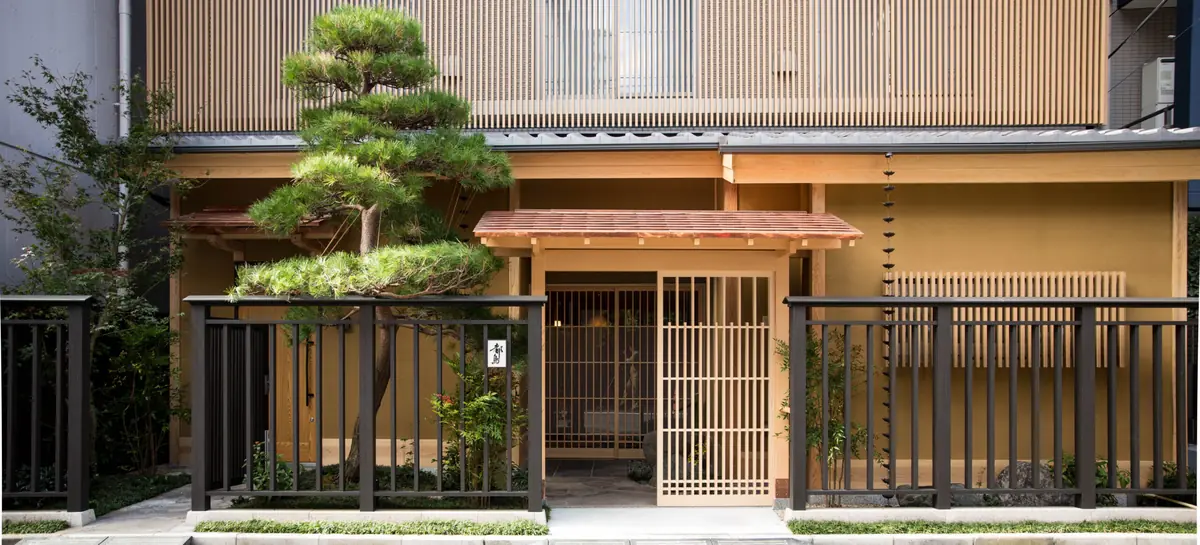
Asakusa Miyakodori exterior by day — traditional wooden facade in Tokyo's geisha district
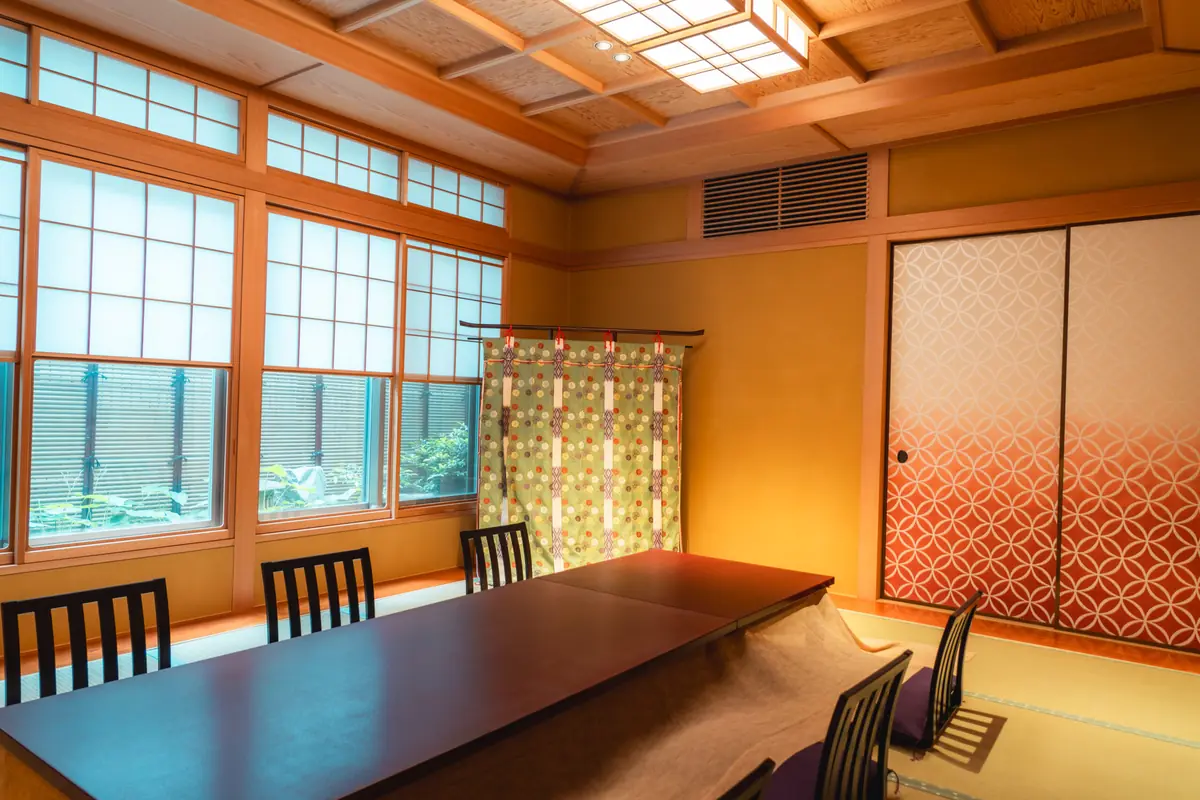
Traditional tatami room with sunken kotatsu seating at Miyakodori — table and chair seating also available

Traditional sunken-table seating. Table-and-chair rooms are also available for your comfort.

Ready to walk through that door?

Choose your preferred date and plan through TableCheck. We typically respond within 24 hours.

Direct online booking  ·  No introduction required

What Makes Us Different

Six qualities that define the Miyakodori experience.

Real Geisha, Guild-Registered

Every geisha at Miyakodori is a professionally trained artist registered with the Asakusa geisha guild. In recent years, tourist-oriented “geisha experiences” performed by costumed entertainers have multiplied in Asakusa. At Miyakodori, you sit with real geisha who have trained for years in dance, music, and the art of hospitality.

Machiai-Chaya Flexibility

As a machiai-chaya (geisha teahouse), Miyakodori sources cuisine from trusted partner restaurants in Asakusa. With advance notice, this allows us to accommodate many dietary needs, including vegan, halal, and gluten-free requests. This flexibility is rare among traditional ozashiki venues.

Taiko-Mochi

Miyakodori can arrange a taiko-mochi — a rare traditional entertainer skilled in wit, improvisation, and comic art, preserved within Asakusa’s Hakuyu-kai association. Few opportunities exist to encounter this art form today.

English Interpreter

An English-speaking interpreter is seated with you throughout the evening, helping you understand the performances, ask questions, and speak naturally with the geisha. Every plan includes this service — no request necessary.

No Introduction Required

Traditionally, attending an ozashiki required a personal introduction from an existing patron. Miyakodori is among the very few places in Asakusa where international visitors can book directly online — no connections, no intermediary needed.

Photos & Video Welcome

Photography and video are welcome throughout the evening, including the dance, games, and final photo session. The geisha and staff are welcoming and accommodating throughout. These are memories worth keeping.

A Stage for Japan’s Cultural Heritage

Since 1950, Miyakodori has welcomed performers from Japan’s most prestigious stages — the Kabukiza Theatre and the National Theatre — alongside generations of guests, artists, and cultural figures in Asakusa’s hanamachi.

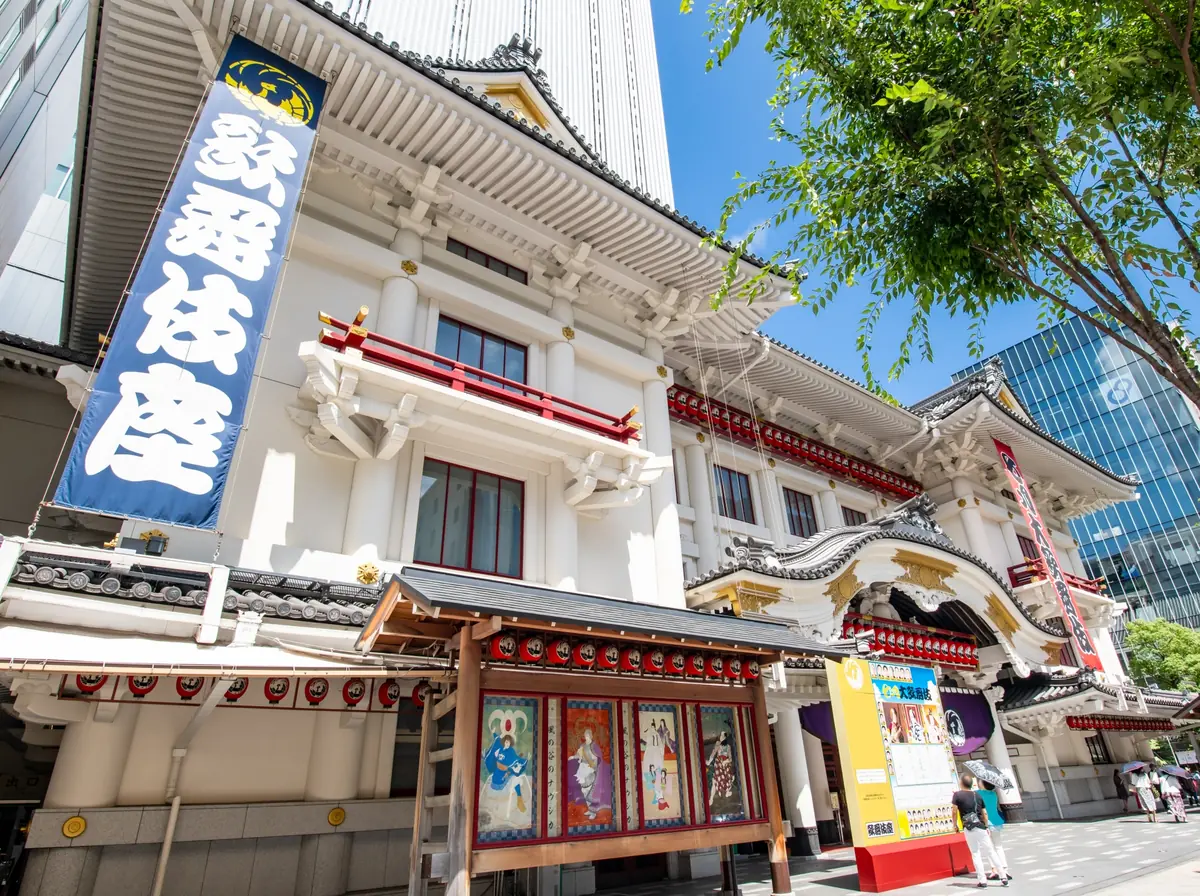
Kabukiza Theatre — performers from this stage have visited Asakusa Miyakodori for generations
The Kabukiza Theatre
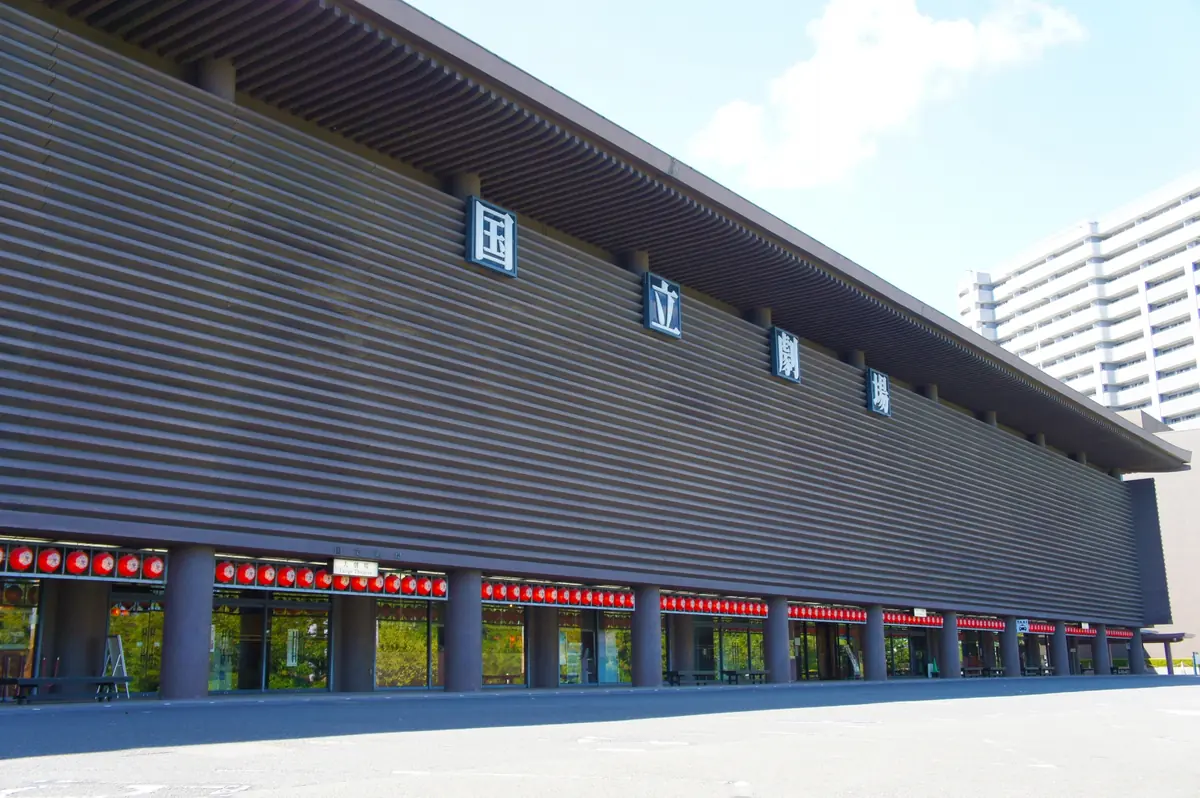
National Theatre of Japan — historically connected to Asakusa Miyakodori through generations of performers
The National Theatre

For more than seven decades, Miyakodori has been a gathering place where the world of geisha and the world of traditional performing arts naturally intersect. Okami Chikage herself performed Japanese classical dance at the Kabukiza Theatre, the National Theatre, and the Meijiza Theatre during her years as a geisha — connections that continue to shape the culture of the house today.

This heritage is not displayed on the wall. It lives in the way an evening unfolds: in the precision of the dance, the depth of the music, and the warmth of the room.

What Guests Say

From Google Reviews — verified guests who attended an ozashiki at Miyakodori.

“Wonderful way to experience the Geisha story, told by practicing Geisha ladies and their retired Geisha support. The music was played live, the hosts were so kind. Highly recommend.”

Gaynor Povey · Google Review

“This wasn’t a staged or ‘tourist’ version of geisha culture. This was the real thing. They were true artists!”

Sarah S · Google Review

“I really wanted to photograph a Geisha and this opportunity fulfilled all my wishes. Photography was allowed all throughout the programme and the Geisha and staff were so welcoming and accommodating.”

Carol Foote · Google Review

“An incredible experience of Japanese culture. My wife and I agree — something we will never, ever forget.”

J M · Google Review

Read all reviews on Google →

If Miyakodori’s story speaks to you, the next step is to see how an evening here unfolds.

Asakusa Miyakodori · Private Geisha Experience

Step Inside

We reply in English within 24 hours